

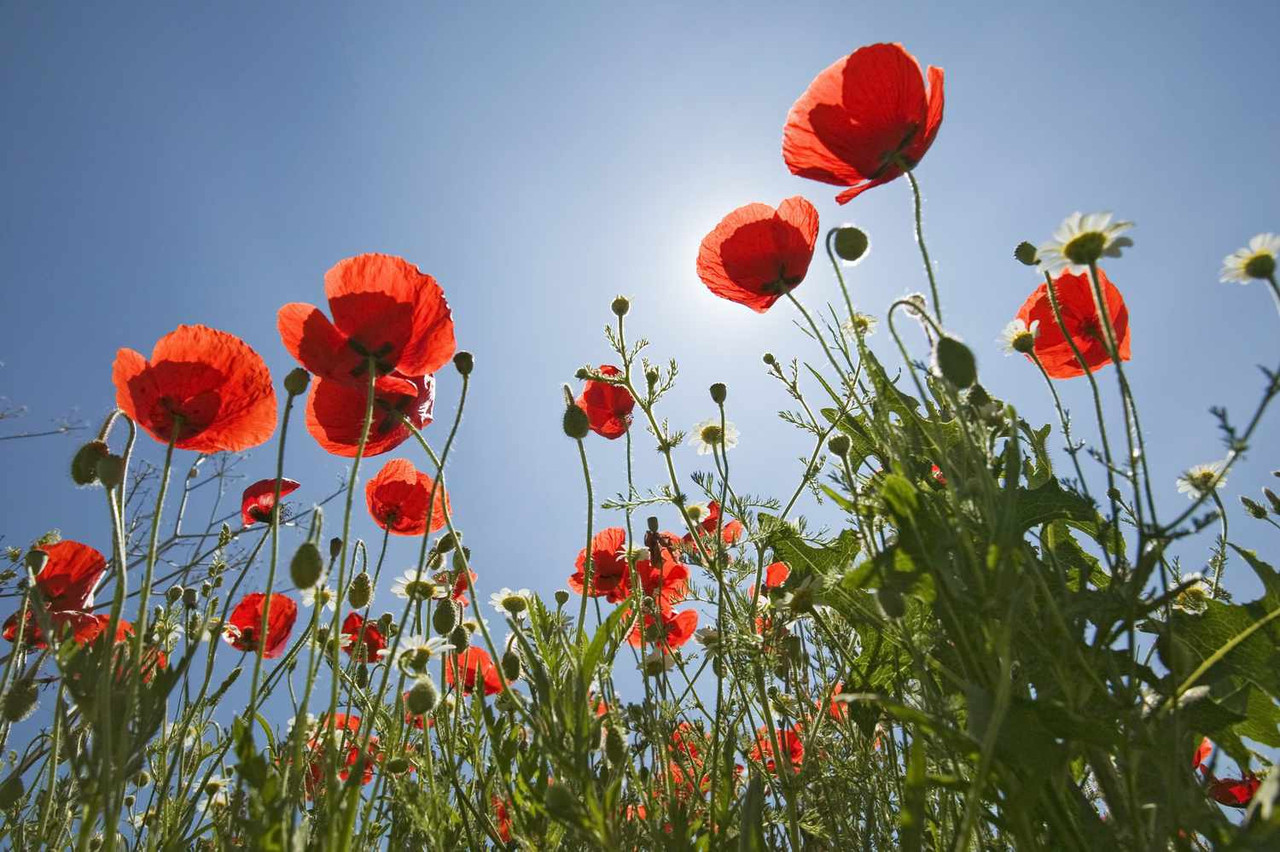

Flowers are among the most recognizable and beautiful parts of the natural world. They bring color to gardens, improve landscapes, attract pollinators, and play an important role in celebrations and cultural traditions. From the familiar rose and sunflower to delicate jasmine and exotic orchids, there are countless varieties found across different regions and climates. Learning different flowers name can make it easier to identify plants, choose suitable varieties for a garden, or understand the meaning behind a particular bloom.
Flowers are also closely connected with human emotions and special occasions. Roses are commonly associated with affection, while lilies are often used in formal arrangements and ceremonies. Marigolds are widely appreciated for their bright appearance and cultural importance, particularly across India. At the same time, flowers such as lavender and jasmine are valued for their fragrance. Understanding the characteristics of different flowers helps people make better choices for decoration, gardening, gifting, and landscaping.
Understanding Different Flowers and Their Characteristics
Every flower has its own combination of color, shape, fragrance, growing requirements, and seasonal behavior. Some varieties thrive under strong sunlight, while others perform better in partial shade. Some require frequent watering, whereas drought-tolerant varieties can survive with considerably less moisture. These differences are especially important when selecting flowers for home gardens because the same plant may perform differently depending on temperature, soil, humidity, and available sunlight.
When exploring flowers name, it is useful to consider more than appearance. A flower’s botanical characteristics can determine whether it is suitable for a balcony, indoor container, outdoor garden, public landscape, or seasonal display. Annual flowers generally complete their life cycle within one growing season, while perennial varieties can return for several years under suitable conditions. Biennial plants follow a longer two-season growth cycle. Knowing these basic categories helps gardeners plan attractive displays throughout the year rather than relying on a single flowering period.
Popular Flowers Found Around the World
Some flowers have become popular internationally because of their attractive appearance, adaptability, fragrance, or cultural significance. Roses remain among the best-known garden and ornamental flowers, with varieties available in colors ranging from red and pink to yellow, white, and orange. Their layered petals and distinctive appearance make them popular in bouquets, gardens, weddings, and other celebrations.
Sunflowers are equally recognizable because of their large flower heads and bright yellow petals. They generally prefer plenty of sunlight and are often grown in gardens and agricultural landscapes. Tulips are another famous group, particularly associated with spring gardens. Their simple cup-shaped flowers are available in numerous shades and are widely cultivated as ornamental plants.
Other familiar examples include:
- Rose
- Sunflower
- Tulip
- Lily
- Daisy
- Orchid
These flowers demonstrate how varied flowering plants can be in size, structure, color, and growing habits. A daisy, for example, has a relatively simple flower form, while orchids can have intricate shapes and unusual patterns. Lilies are known for their elegant blooms and strong visual presence, while daisies are often associated with a fresh, cheerful appearance.
Flowers Name and Their Colors
Color is one of the first characteristics people notice when identifying a flower. Different colors can also create different visual effects in gardens and floral arrangements. Red flowers can provide a strong focal point, while white flowers can create a clean and calm appearance. Yellow and orange blooms often bring warmth and energy to outdoor spaces.
Pink flowers are frequently used when a softer appearance is desired, while purple and blue flowers can introduce contrast and depth. However, flower color is not always limited to one shade. Many cultivated varieties feature gradients, stripes, spots, or combinations of multiple colors. Modern horticulture has also produced numerous cultivars with unusual shades and distinctive petal patterns.
| Flower | Common Colors | Typical Use |
|---|---|---|
| Rose | Red, pink, white, yellow | Gardens, bouquets, occasions |
| Sunflower | Yellow, orange | Gardens, landscapes, decoration |
| Tulip | Red, pink, yellow, purple | Gardens and floral displays |
| Jasmine | White, cream | Fragrance, gardens, cultural use |
| Marigold | Yellow, orange | Decoration, gardens, celebrations |
| Orchid | White, pink, purple, yellow | Indoor displays and gifting |
| Lavender | Purple, violet | Gardens, fragrance, landscaping |
The wide range of colors makes it possible to design gardens according to a preferred mood or visual theme. Gardeners may combine contrasting shades to create a lively display or use similar tones for a more coordinated landscape.
Fragrant Flowers for Gardens and Homes
Fragrance adds another dimension to the experience of growing flowers. Jasmine is particularly valued for its sweet scent and is widely grown in warm climates. Its small white flowers can produce a noticeable fragrance, especially during suitable flowering conditions. Lavender is another well-known fragrant plant, recognized for its purple flower spikes and characteristic aroma.
:max_bytes(150000):strip_icc()/GettyImages-494013257-56a75ec85f9b58b7d0e9ba88.jpg)
Gardenias, roses, tuberose, and honeysuckle are also appreciated for their fragrance. The intensity and timing of fragrance can vary depending on the species, weather, time of day, and growing conditions. For this reason, fragrant plants are often positioned near entrances, windows, patios, or seating areas where their scent can be enjoyed more easily.
When choosing flowers name for a fragrance-focused garden, it is useful to combine plants with different flowering periods. This approach can help maintain seasonal interest instead of concentrating all fragrant blooms within one short period. Proper spacing is also important because overcrowding can reduce airflow and increase the likelihood of plant problems.
Seasonal Flowers and Growing Conditions
Flowering seasons differ considerably between species and climates. Some flowers perform best during cooler months, while others require warm temperatures and longer periods of sunlight. In India, seasonal gardening can be particularly interesting because regional differences in temperature and rainfall influence flowering patterns. A plant that performs well in a cooler northern region may require different care in a hot or humid location.
Annual seasonal flowers can be useful when gardeners want to refresh the appearance of a garden regularly. Perennial flowers, meanwhile, can provide a more permanent foundation. Gardeners often combine both types to create landscapes that change throughout the year while maintaining some consistent structure.
Temperature, sunlight, soil quality, and irrigation all influence flowering performance. Before planting, gardeners should examine the available space and determine how many hours of direct sunlight it receives. Choosing plants that match local conditions generally produces better results than selecting flowers based only on appearance.
Flowers for Home Gardens and Balconies
Not everyone has access to a large garden. Many flowering plants can be successfully grown in containers, pots, hanging baskets, or small balcony spaces. Marigolds, petunias, geraniums, begonias, and some varieties of roses can work well in suitable containers. The choice depends on container size, sunlight, drainage, and local weather conditions.
Container gardening requires careful attention to watering because pots can dry out faster than garden soil. At the same time, excessive watering can create drainage problems and damage roots. Using containers with drainage holes and a suitable growing medium is therefore important. Regular removal of faded flowers can also encourage continued blooming in some varieties.
For smaller spaces, gardeners can focus on flowers that provide strong visual impact without requiring extensive ground area. Vertical arrangements, hanging baskets, and window boxes can help make better use of limited space while adding color and texture.
Flowers and Their Cultural Significance
Flowers have played important roles in traditions and celebrations for centuries. Their meanings vary across cultures, so the symbolism associated with a particular bloom should not be treated as universal. Roses, lilies, lotus flowers, chrysanthemums, and marigolds, for example, can have different cultural associations depending on the region and occasion.
In India, flowers are commonly connected with festivals, ceremonies, religious practices, decorations, and everyday cultural traditions. Marigolds are especially recognizable in many celebrations because of their bright colors and availability. Lotus flowers also hold significant cultural and symbolic importance in the country.
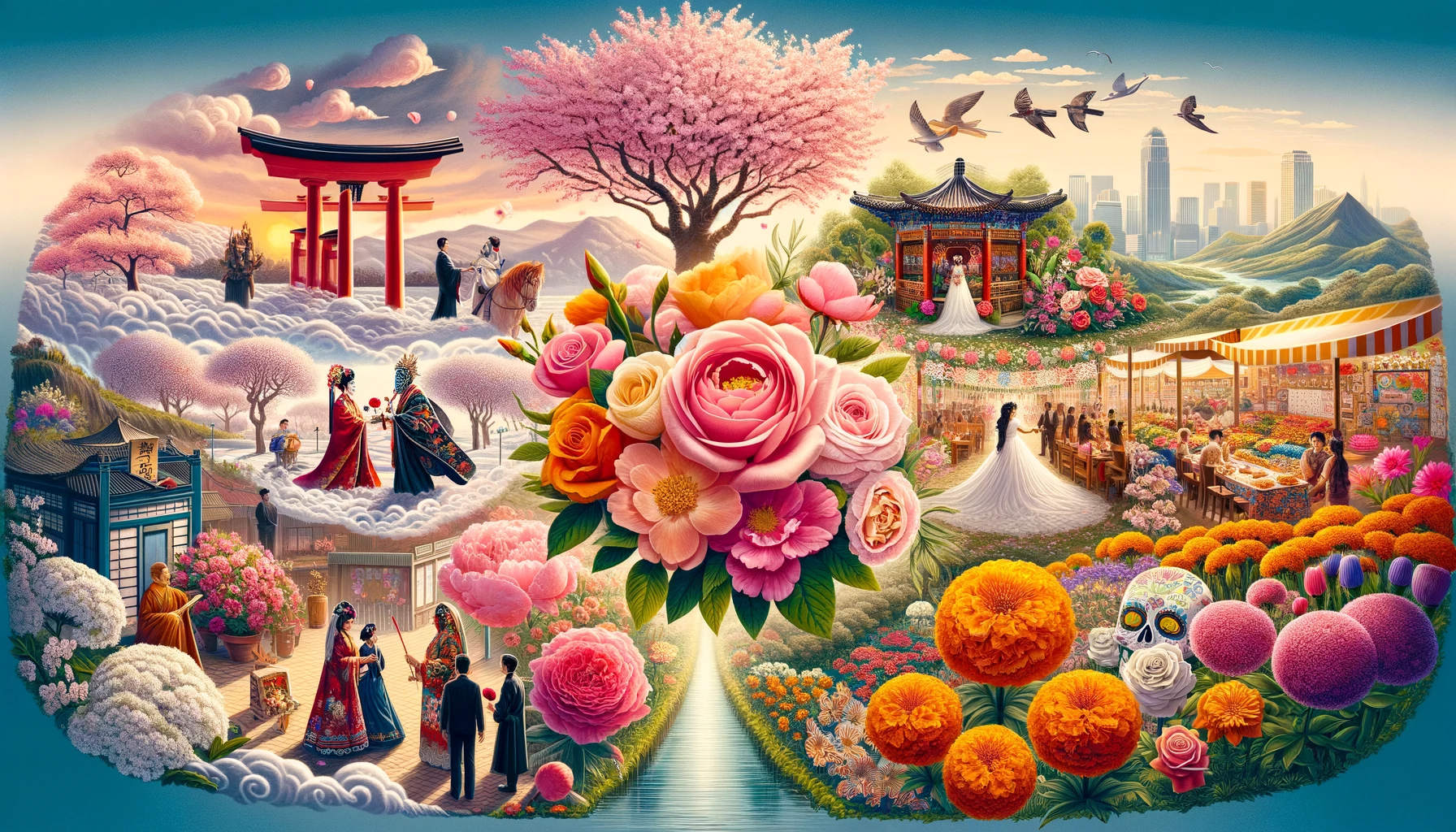
This cultural connection explains why learning flowers name can be more than a botanical exercise. Identifying flowers can provide insight into local traditions, seasonal celebrations, gardening practices, and the ways communities use plants in everyday life.
How to Choose the Right Flowers
Selecting flowers should begin with the environment rather than appearance alone. A beautiful variety may struggle if it does not receive appropriate sunlight or cannot tolerate the local climate. Gardeners should consider the amount of space available, soil type, watering requirements, expected flowering period, and maintenance needs before purchasing plants or seeds.
For a low-maintenance garden, choosing varieties suited to the local climate can reduce unnecessary effort. People who enjoy gardening as a hobby may prefer plants that require pruning, propagation, or regular care. Those with limited time may benefit from hardy varieties that tolerate changing conditions more easily.
A practical selection process can include checking:
- Available sunlight and shade
- Local temperature and seasonal conditions
- Soil drainage and quality
- Watering and maintenance requirements
- Expected flowering period
Combining flowers with different heights and growth patterns can also improve the overall appearance of a garden. Taller plants can provide a background, medium-sized flowers can fill the central area, and smaller varieties can create borders or ground-level color.
Tips for Maintaining Healthy Flowering Plants
Good maintenance helps flowering plants remain attractive and productive. Watering should be adjusted according to the plant’s needs rather than following one fixed schedule for every variety. Soil should generally have adequate drainage, while nutrients may need to be replenished depending on the growing medium and plant type.
Deadheading, or removing faded flowers, can improve the appearance of many ornamental plants and may encourage additional flowering in suitable species. Pruning requirements vary, so gardeners should avoid cutting plants without understanding their growth habits. Pests should also be monitored regularly because early detection can make management easier.
Healthy plants generally benefit from appropriate sunlight, adequate nutrition, suitable watering, and sufficient space. Gardeners should also observe their plants regularly because changes in leaf color, growth, or flowering can provide useful clues about environmental stress.
The Role of Flowers in Modern Landscaping
Flowers continue to be important in modern landscaping because they can transform ordinary outdoor areas into visually engaging spaces. Residential gardens, hotels, offices, parks, restaurants, and public areas often use flowering plants to create seasonal displays. Landscape designers may combine flowers with trees, shrubs, grasses, and hardscape features to produce a balanced environment.
Modern gardeners are also increasingly interested in biodiversity and pollinator-friendly planting. Flowers can provide food resources for bees, butterflies, and other beneficial insects when appropriate species are selected. Creating a mixture of flowering plants that bloom at different times can help provide seasonal resources while adding continuous visual interest.
This approach makes flower gardening about more than decoration. Well-planned planting can contribute to a healthier garden ecosystem while creating an attractive environment for people to enjoy.
Conclusion
Learning different flowers name opens the door to a fascinating world of colors, fragrances, gardening techniques, cultural traditions, and natural diversity. From roses and sunflowers to jasmine, marigolds, orchids, lilies, and lavender, every flower offers distinctive characteristics that can make gardens and living spaces more appealing. Choosing flowers successfully requires consideration of climate, sunlight, soil, water, space, and maintenance needs. With thoughtful planning, even a small balcony or container garden can become a colorful flowering space.