

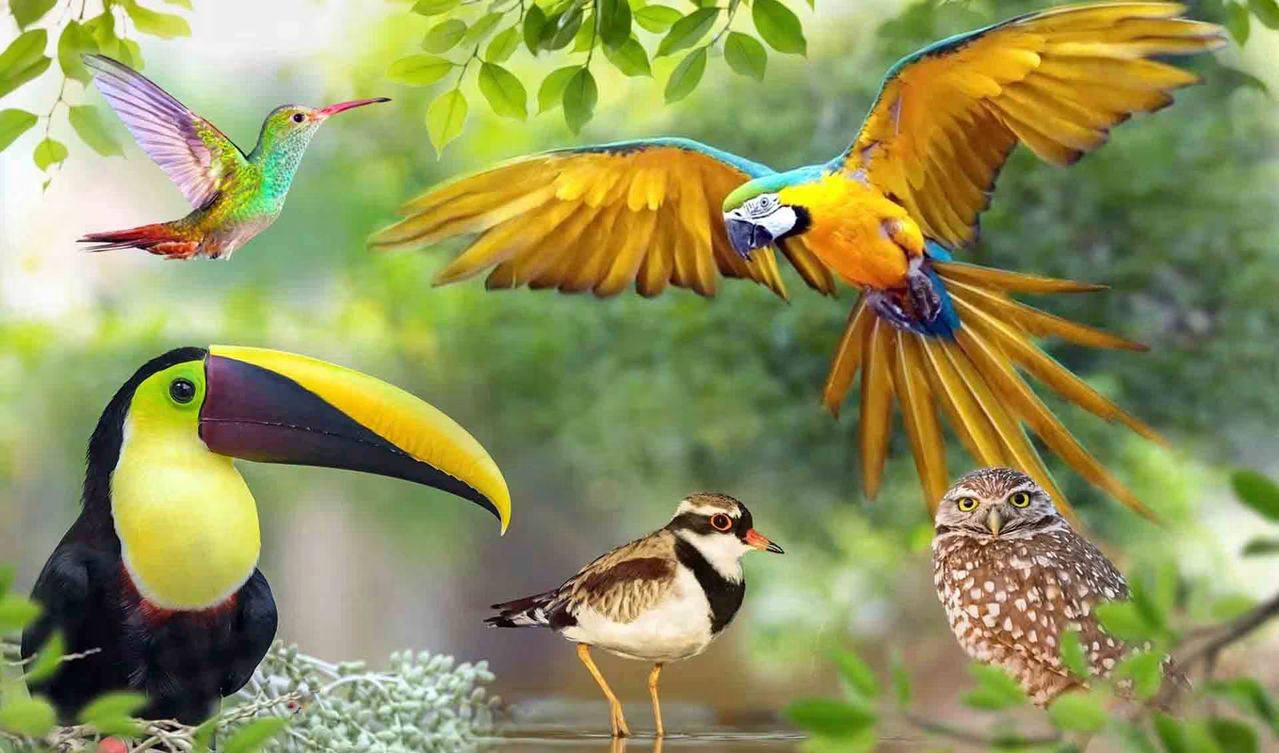

Birds are among the most fascinating creatures found across the world. They live in forests, wetlands, grasslands, mountains, cities, farms, gardens, and even extremely cold environments. Their ability to fly, communicate through different calls, build nests, migrate across long distances, and adapt to changing surroundings makes them an important part of the natural world. Learning different birds name can also help children and adults develop a stronger understanding of wildlife and biodiversity.
From tiny sparrows sitting near homes to powerful eagles soaring above mountains, birds display remarkable differences in size, appearance, behavior, diet, and habitat. Some birds spend most of their lives in trees, while others are comfortable around water or on open ground. Penguins are adapted to swimming rather than flying, whereas ostriches have strong legs that allow them to run at impressive speeds. These differences make the world of birds exceptionally diverse.
Knowing birds name is not simply about memorizing a list of species. It can be an enjoyable way to recognize wildlife and understand how different species contribute to ecosystems. Birds spread seeds, control insect populations, pollinate certain plants, recycle nutrients, and serve as indicators of environmental changes. Even common birds seen around neighborhoods can provide valuable clues about the health of a local environment.
What Are Birds?
Birds are warm-blooded vertebrate animals belonging to the class Aves. They are characterized by feathers, beaks, wings, and lightweight skeletons adapted in many species for flight. Although most people immediately associate birds with flying, not every bird can fly. Species such as ostriches, emus, cassowaries, kiwis, and penguins have developed different physical adaptations that suit their environments.
Feathers are one of the most distinctive characteristics of birds. They help with insulation, protection, communication, camouflage, and, in many species, flight. A bird’s beak is also closely related to its lifestyle. Birds that eat seeds often have strong, specialized beaks, while birds that catch fish may have long or pointed bills. Birds of prey generally possess curved, powerful beaks suited to handling food.
Why Learning Birds Name Is Interesting
Learning birds name provides an easy introduction to wildlife observation. A person does not need specialized equipment to begin identifying birds. Looking at the bird’s size, color, beak shape, tail, behavior, location, and call can often provide useful clues. Over time, regular observation helps people notice subtle differences between species that initially appear similar.
Bird identification can also encourage people to spend more time outdoors. A simple walk through a garden, park, woodland, or lakeside area can reveal several species within a short period. Children can particularly benefit from this activity because it combines observation, memory, environmental awareness, and curiosity. Instead of seeing every flying animal as simply a “bird,” they begin to recognize that each species has its own characteristics and role.
Popular Birds and Their Characteristics
There are thousands of bird species worldwide, and each has its own combination of physical and behavioral characteristics. Some are well known because they live close to humans, while others are recognized because of their unusual appearance or impressive abilities. The following examples represent some familiar bird groups and species.
| Bird | Common Habitat | Typical Food | Notable Feature |
|---|---|---|---|
| Sparrow | Gardens, towns, buildings | Seeds and insects | Adaptable urban bird |
| Peacock | Forest edges, parks, farms | Plants, seeds, insects | Colorful display feathers |
| Eagle | Mountains, forests, open landscapes | Fish and small animals | Powerful eyesight and talons |
| Parrot | Tropical forests and gardens | Fruits, seeds, nuts | Strong curved beak |
| Owl | Forests, farmland, urban edges | Small animals and insects | Mostly nocturnal |
| Penguin | Coastal and polar regions | Fish and marine animals | Excellent swimming ability |
| Flamingo | Lakes, wetlands, coastal areas | Algae and small aquatic organisms | Long legs and curved bill |
| Ostrich | Grasslands and dry regions | Plants, seeds, insects | Fast-running flightless bird |
Common Birds Found Around Human Settlements
Some birds have become particularly successful at living near people. Sparrows, pigeons, crows, mynas, robins, starlings, and several other species can frequently be seen around houses, markets, agricultural areas, and urban parks. Their ability to locate food and shelter in modified environments has helped them survive alongside growing human populations.
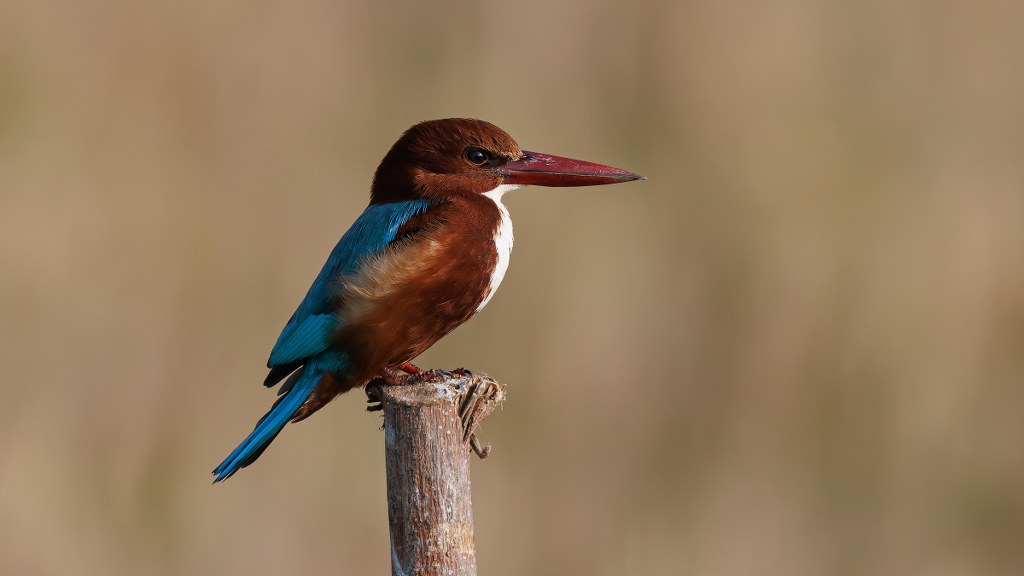
Urban birds often use buildings, trees, electrical structures, gardens, and other spaces as substitutes for natural nesting locations. Food waste, grains, fruits, insects, and planted vegetation can provide additional sources of nutrition. However, urban environments can also create challenges through traffic, pollution, glass buildings, habitat loss, and reduced availability of nesting spaces. This is why maintaining trees, gardens, and bird-friendly areas can be beneficial for local wildlife.
Birds of Prey and Their Special Abilities
Birds of prey include eagles, hawks, falcons, kites, and related species that are adapted to hunting other animals. Their bodies often feature sharp talons, powerful legs, hooked beaks, and highly developed vision. These adaptations allow them to locate, capture, and process prey efficiently.
Eagles are especially well known for their impressive hunting abilities and soaring flight. Falcons are recognized for their speed and aerial maneuverability, while hawks often use their keen eyesight to locate prey from elevated positions. These birds play an important ecological role because predators help regulate populations of other animals and contribute to the balance of food chains.
Water Birds and Their Adaptations
Wetlands, rivers, lakes, marshes, and coastal environments support a remarkable range of bird species. Ducks, geese, herons, kingfishers, cranes, pelicans, flamingos, and many other birds depend on aquatic environments for food, nesting, or shelter. Their bodies often show adaptations that make life around water easier.
For example, ducks commonly have webbed feet that help them swim, while herons have long legs that allow them to walk through shallow water while searching for prey. Kingfishers can dive quickly to catch fish, and pelicans have large bills with expandable throat pouches that help them capture aquatic prey. These adaptations demonstrate how closely bird anatomy is connected to habitat and feeding behavior.
Colorful Birds and Why They Have Bright Feathers
Many bird species are admired for their vibrant colors. Parrots, peacocks, kingfishers, macaws, toucans, and several tropical species can display striking combinations of green, blue, red, yellow, and other shades. Bird coloration can serve several purposes, including camouflage, communication, courtship, territorial signaling, and species recognition.
In some species, bright feathers are particularly important during courtship. Male birds may display elaborate feathers, perform dances, sing complex songs, or use specific movements to attract potential mates. The peacock is a familiar example because its large ornamental tail feathers can become highly visible during courtship displays. In other birds, muted colors may provide better camouflage against tree bark, leaves, rocks, or soil.
How Birds Communicate
Bird communication involves much more than singing. Birds can use calls, songs, body movements, feather displays, wing movements, and other behaviors to communicate. Different sounds may signal danger, attract mates, defend territory, locate members of a group, or communicate between parents and young.
Bird songs can be particularly complex. Some species learn portions of their songs from older birds, while others have genetically influenced vocal patterns. Environmental conditions can also affect communication. In noisy urban areas, some birds may alter the timing, volume, or frequency of their calls to make themselves heard. This demonstrates the ability of many species to respond to changing surroundings.
How Birds Build Nests and Raise Their Young
Bird nests come in many shapes and sizes. Depending on the species, a nest may be constructed in a tree cavity, on a branch, among grasses, on cliffs, beside water, or on the ground. Materials can include twigs, grass, leaves, mud, feathers, moss, and other natural materials. Some birds create highly structured nests, while others use relatively simple arrangements.
After eggs hatch, parental care varies considerably between species. In many birds, adults feed their young, protect them from predators, and gradually teach them behaviors needed for survival. Young birds may initially look very different from adults, and their feathers can develop over time. The period between hatching and independence is an important stage in a bird’s life cycle.
Bird Migration and Seasonal Movement
Migration is one of the most remarkable behaviors associated with birds. Some species travel hundreds or thousands of kilometers between breeding and non-breeding areas. Migration allows birds to take advantage of seasonal food supplies, suitable breeding conditions, and favorable climates.
Not every bird migrates, and migration patterns differ considerably between species. Some birds move short distances in response to local weather or food availability, while others undertake extraordinary long-distance journeys. Birds may use environmental signals such as changes in daylight, temperature, food availability, and seasonal conditions to influence their movements.
What Do Birds Eat?
Bird diets vary according to species and habitat. Some birds are primarily herbivorous and consume seeds, fruits, leaves, nectar, or other plant materials. Others eat insects, worms, fish, amphibians, reptiles, or small mammals. Some species are opportunistic feeders and can consume a broad range of foods depending on what is available.
A bird’s beak often provides clues about its diet. Seed-eating birds may have short, sturdy bills capable of cracking hard coverings. Nectar-feeding birds may have long or specialized bills suited to flowers. Birds that hunt animals often have hooked beaks and strong feet. Understanding these relationships makes identifying birds name more interesting because physical characteristics can reveal something about how a species survives.
Birds and Their Importance to Nature
Birds contribute to ecosystems in numerous ways. Fruit-eating species can disperse seeds over large areas, helping plants reproduce and spread. Insect-eating birds can naturally reduce insect populations, while nectar-feeding species may contribute to pollination. Scavenging birds also help remove organic material from ecosystems.
Birds are additionally valuable for scientific observation. Changes in bird populations can sometimes indicate broader environmental changes, including habitat degradation, food shortages, pollution, or shifts in climate conditions. Because birds occupy many different habitats and are relatively visible compared with many other animals, they can be useful subjects for ecological monitoring.
Simple Ways to Observe Birds
Bird watching does not require an expensive setup. Beginners can start by observing birds from a balcony, garden, local park, or nearby natural area. Quiet observation is usually more effective than approaching birds quickly because sudden movements can cause them to fly away.
A few useful habits can make bird observation easier:
- Observe from a respectful distance and avoid disturbing nests.
- Note the bird’s size, shape, colors, beak, tail, and movement.
- Pay attention to habitat and feeding behavior.
- Record observations to compare species over time.
- Avoid feeding birds foods that may be harmful to them.
How to Identify Different Birds
Identifying a bird becomes easier when several characteristics are considered together. Color alone may not be enough because lighting, age, gender, seasonal plumage, and viewing distance can change its appearance. Body shape and behavior can provide additional clues.
Start by estimating the bird’s size compared with familiar species. Then examine its beak, wings, tail, legs, and overall body shape. Notice whether it is walking, hopping, swimming, climbing, hovering, or soaring. Its location can also narrow down possibilities. For example, a bird repeatedly seen around ponds may have different characteristics from one commonly found in dry grasslands.
Birds and Conservation
Many bird populations face pressures caused by habitat loss, pollution, climate changes, invasive species, hunting, collisions, and reduced food availability. The effects vary significantly between species and regions. Protecting natural habitats is therefore an important part of maintaining bird diversity.
People can contribute to bird conservation through simple everyday actions. Planting suitable native vegetation, preserving mature trees where possible, keeping water sources clean, reducing unnecessary disturbance, and making outdoor spaces safer for birds can all support local wildlife. Conservation is particularly important for species with specialized habitat requirements or declining populations.
The Educational Value of Learning Bird Names
Teaching children different birds name can turn ordinary outdoor experiences into educational opportunities. A child who recognizes a sparrow, crow, parrot, eagle, or kingfisher may become more interested in understanding where that bird lives, what it eats, and how it behaves. This creates a natural connection between vocabulary learning and environmental education.
Birds can also be used to introduce broader scientific concepts such as food chains, adaptation, migration, reproduction, habitats, and biodiversity. Instead of learning these ideas only from textbooks, students can observe examples in real environments. This practical connection can make nature study more memorable and meaningful.
Conclusion
Birds are an essential and fascinating part of the natural world. From tiny garden visitors to enormous flightless species, they demonstrate an extraordinary range of adaptations, behaviors, colors, diets, and habitats. Learning birds name can help people recognize this diversity and understand that every species has its own place within an ecosystem.