

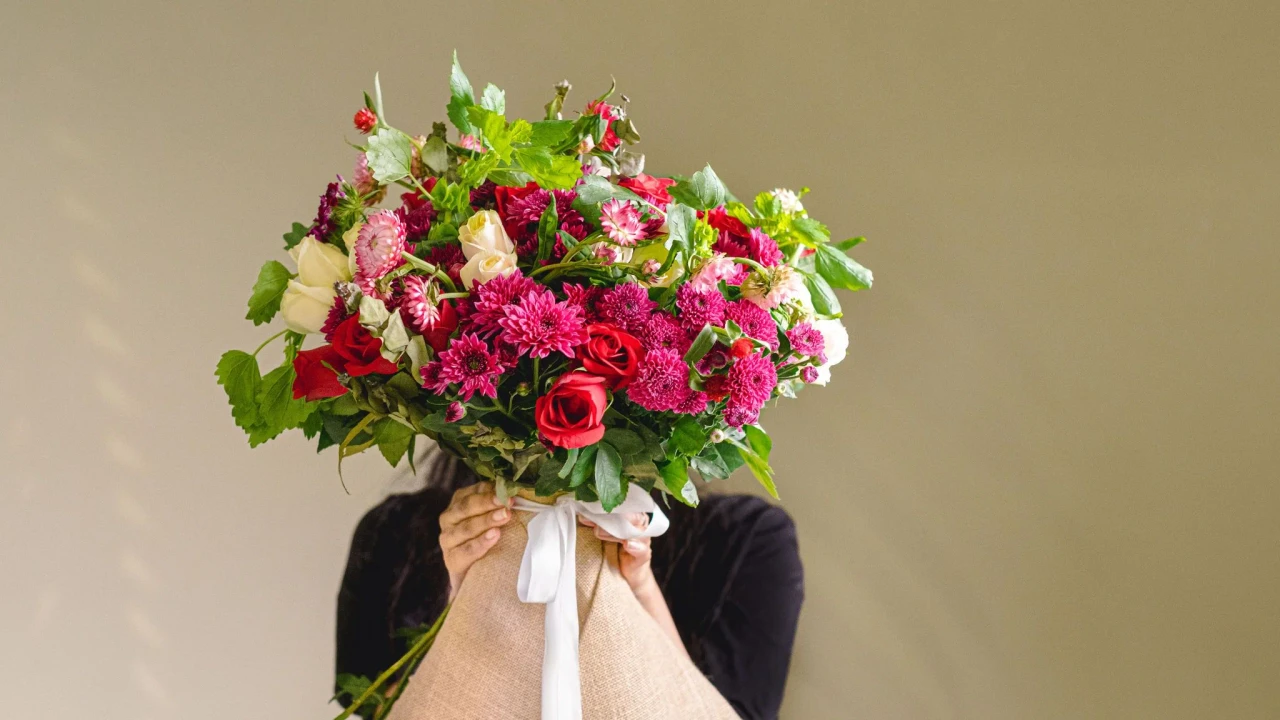

Flowers are among the most beautiful creations of nature. They bring color, fragrance, freshness, and positive energy to our surroundings. From small wildflowers growing along roadsides to elegant roses displayed at special celebrations, every flower has its own appearance, characteristics, and importance. Flowers are also closely connected with human emotions, traditions, festivals, and cultural practices. People use them to express love, friendship, gratitude, happiness, sympathy, and respect.
Learning about different flowers can be interesting for children, gardening enthusiasts, nature lovers, and anyone who appreciates beautiful plants. Some flowers are popular because of their attractive colors, while others are valued for their fragrance, medicinal traditions, or decorative qualities. Understanding a flowers name and its characteristics can also help people choose suitable varieties for home gardens, balconies, indoor arrangements, and outdoor landscapes.
There are thousands of flowering plant species around the world, growing in different climates and environments. Some bloom during summer, others prefer cooler temperatures, and certain varieties can produce flowers throughout much of the year. In this guide, we will explore popular flower varieties, their meanings, characteristics, uses, and practical tips for growing and maintaining them.
Understanding Different Types of Flowers
Flowers come in an extraordinary range of shapes, sizes, colors, and fragrances. Some grow on trees, some develop on climbing vines, and others appear on small garden plants. Their structures also differ considerably. Certain flowers have large, colorful petals that attract attention, while others have tiny blossoms arranged in clusters.
The natural environment plays an important role in determining where particular flowers grow. Tropical flowers generally prefer warm temperatures and humidity, whereas many temperate varieties require cooler conditions or seasonal changes to bloom successfully. Understanding these differences makes it easier to identify plants and select appropriate varieties for different gardening environments.
When exploring a flowers name list, it is useful to consider more than appearance. Flowering periods, sunlight requirements, watering needs, fragrance, and maintenance requirements are equally important. These characteristics help gardeners understand which varieties are suitable for their homes and outdoor spaces.
20 Popular Flowers Name With Their Characteristics
Many flowers have become popular worldwide because of their attractive appearance, cultural importance, and versatility. Some are commonly found in home gardens, while others are frequently used in bouquets, decorations, and celebrations.
1. Rose
The rose is one of the most recognizable flowers in the world. It is available in several colors, including red, pink, white, yellow, orange, and purple. Red roses are commonly associated with romantic love, while yellow roses often represent friendship and happiness. Roses are widely used in bouquets, wedding decorations, gardens, and special occasions.
Rose plants generally grow well in locations receiving sufficient sunlight. They require suitable soil, regular watering, and occasional pruning to encourage healthy growth. Different varieties have different maintenance requirements, but most benefit from good air circulation and protection from excessive moisture.
2. Sunflower
Sunflowers are famous for their large golden-yellow petals and distinctive dark centers. They are associated with happiness, positivity, warmth, and optimism. Their bright appearance makes them a popular choice for gardens, floral arrangements, and decorative landscapes.
These plants generally prefer full sunlight and well-drained soil. Many varieties can grow quite tall, although dwarf varieties are also available for smaller gardens and containers. Sunflower seeds are another important feature because certain varieties are cultivated specifically for edible seeds and oil production.
3. Lotus
The lotus is an important aquatic flowering plant found in many parts of Asia. It grows in ponds and other freshwater environments, producing beautiful flowers in shades of pink and white. In Indian culture, the lotus has significant spiritual and cultural importance and is often associated with purity, knowledge, and spiritual growth.
Lotus plants grow from underground structures called rhizomes. They require suitable water conditions and plenty of sunlight to produce healthy leaves and flowers. Their ability to grow in muddy environments while producing beautiful blossoms makes them especially meaningful in various traditions.
4. Jasmine
Jasmine is well known for its delicate white flowers and pleasant fragrance. Different jasmine varieties are cultivated around the world, particularly in tropical and subtropical regions. The flowers are commonly used in garlands, perfumes, traditional ceremonies, and decorative arrangements.
Jasmine plants generally prefer warm weather, sunlight, and well-drained soil. Some varieties grow as shrubs, while others develop into climbing plants. Regular trimming can help maintain their shape and encourage new growth.
5. Marigold
Marigolds are popular flowering plants recognized by their bright orange, yellow, and golden blossoms. They are commonly grown in gardens and used in religious ceremonies, festivals, weddings, and home decorations, especially in India.
These flowers are relatively easy to grow and can adapt to different garden conditions. They usually prefer sunny locations and soil that drains properly. Their colorful appearance makes them particularly useful for creating attractive flower beds and decorative borders.
6. Tulip
Tulips are elegant flowers commonly associated with spring. They are available in numerous colors, including red, yellow, pink, white, purple, and multicolored combinations. Their simple cup-shaped appearance makes them popular in gardens and professional floral arrangements.
Most tulip varieties grow from bulbs and require suitable seasonal conditions. They are especially popular in regions with cooler winters. Gardeners generally plant bulbs during the appropriate season so that they can develop roots before producing flowers.
7. Lily
Lilies are admired for their large blossoms, attractive shapes, and distinctive fragrance. Depending on the variety, they may appear in white, pink, orange, yellow, or red shades. Lilies are frequently used in bouquets, celebrations, and decorative gardens.
These flowering plants generally require well-drained soil and suitable sunlight. Some varieties prefer partial shade, while others grow better in brighter locations. It is important to remember that many true lilies are highly toxic to cats, so pet owners should take appropriate precautions.
8. Orchid
Orchids are among the most diverse flowering plants in the world. Their unusual shapes, delicate petals, and wide range of colors make them especially popular as indoor decorative plants. Some orchids have subtle fragrances, while others produce strongly scented blossoms.
Different orchid varieties have different growing requirements. Many commonly cultivated orchids prefer indirect light, suitable humidity, and carefully controlled watering. Their roots also require appropriate airflow, which is why specialized growing containers and potting materials are often used.
9. Hibiscus
Hibiscus flowers are known for their large, colorful blossoms and prominent central structures. Common colors include red, pink, yellow, orange, and white. They are frequently grown in tropical and subtropical gardens and are popular ornamental plants in India.
Hibiscus plants generally prefer warm conditions, sufficient sunlight, and regular watering. They can grow as shrubs and are often used to decorate gardens, balconies, and outdoor spaces.
10. Daisy
Daisies are simple yet attractive flowers with delicate petals surrounding a central disk. Many familiar varieties have white petals and yellow centers, although other colors are also available. They are commonly associated with innocence, freshness, and simplicity.
Daisies are used in garden borders, flower arrangements, and decorative landscapes. Most varieties grow well in locations with suitable sunlight and well-drained soil, although individual species have different preferences.
11. Lavender
Lavender is famous for its purple flower spikes and relaxing fragrance. It is commonly grown in ornamental gardens and used in fragrances, scented products, and decorative arrangements. Its pleasant aroma has also made it popular in traditional relaxation practices.

Lavender generally grows best in sunny locations with well-drained soil. It does not usually require excessive watering once established. Good drainage is particularly important because constantly wet soil can damage its roots.
12. Daffodil
Daffodils are cheerful spring flowers with distinctive trumpet-shaped centers surrounded by petals. Yellow is their most familiar color, although white and other variations are also available.
They commonly grow from bulbs and are planted in gardens to create colorful seasonal displays. Daffodils generally prefer well-drained soil and appropriate seasonal temperatures. Their attractive appearance makes them popular in parks and residential landscapes.
13. Chrysanthemum
Chrysanthemums, commonly called mums, are popular flowers available in many shapes, sizes, and colors. Their blossoms may appear in yellow, white, red, pink, purple, and bronze shades. They are widely used in floral decorations and seasonal gardens.
These plants generally prefer good sunlight and consistent watering. Regular removal of faded flowers can improve their appearance and support continued blooming in suitable varieties.
14. Bougainvillea
Bougainvillea is a colorful ornamental plant commonly grown in warm climates. Its bright pink, purple, red, orange, or white displays come mainly from modified leaves called bracts surrounding small flowers.
It is frequently used on garden walls, fences, balconies, and entrances. Bougainvillea generally grows well in sunny locations and can tolerate relatively dry conditions after becoming established.
15. Magnolia
Magnolias are admired for their large, elegant blossoms and attractive foliage. Their flowers may be white, pink, purple, or creamy in appearance, depending on the species. Some varieties also produce a pleasant fragrance.
Magnolia trees are commonly planted in parks and spacious gardens. They generally require suitable soil conditions and enough space for their roots and branches to develop.
16. Poppy
Poppies are delicate flowers with thin petals and distinctive centers. They are commonly found in red, orange, yellow, white, and pink shades. Their appearance makes them attractive additions to natural landscapes and ornamental gardens.
Different poppy species grow in different climates and environments. Gardeners should select varieties appropriate to their local conditions and follow relevant cultivation guidance.
17. Periwinkle
Periwinkle is a small flowering plant commonly recognized by its pink, purple, or white blossoms. It is frequently grown in gardens as a ground-cover plant because it can spread and provide attractive greenery.
It generally grows well in warm environments and can tolerate different light conditions depending on the variety. It is important to control its growth because some periwinkle species can spread aggressively.
18. Plumeria
Plumeria, also known as frangipani, produces beautiful flowers with a pleasant fragrance. Its blossoms commonly feature white, yellow, pink, or red combinations. These flowers are especially popular in tropical landscapes and decorative gardens.
Plumeria plants generally prefer warm weather, plenty of sunlight, and well-drained soil. They can be grown in suitable containers or directly in gardens where the climate supports their growth.
19. Gardenia
Gardenias are admired for their creamy-white flowers and rich fragrance. Their dark green leaves provide a beautiful contrast against their blossoms, making them popular ornamental shrubs.
These plants generally prefer warm conditions, humidity, suitable soil acidity, and bright indirect or filtered sunlight. Their growing requirements can be slightly more demanding than those of some other common garden flowers.
20. Zinnia
Zinnias are colorful annual flowers that bloom in bright shades of red, pink, orange, yellow, purple, and white. They are popular among beginner gardeners because many varieties are relatively easy to cultivate.
They usually prefer full sunlight and well-drained soil. Zinnias can be planted in garden beds, containers, and borders, making them a flexible choice for different outdoor spaces.
Quick Comparison of Popular Flowers
Different flowers have different growing requirements, appearances, and uses. The following table provides a simple comparison of several popular varieties.
| Flower | Common Colors | Main Use |
|---|---|---|
| Rose | Red, pink, yellow, white | Bouquets and decoration |
| Sunflower | Yellow, orange | Gardens and edible seeds |
| Lotus | Pink, white | Ponds and cultural ceremonies |
| Jasmine | White, yellow | Fragrance and garlands |
| Marigold | Orange, yellow | Festivals and decoration |
| Tulip | Red, pink, purple, yellow | Gardens and bouquets |
| Hibiscus | Red, pink, yellow | Ornamental gardening |
| Lavender | Purple, blue | Fragrance and gardens |
| Daisy | White, pink, yellow | Floral arrangements |
| Orchid | Multiple colors | Indoor decoration |
Importance of Flowers in Everyday Life
Flowers are not simply decorative elements of nature. They have cultural, emotional, environmental, and economic importance. People use them to celebrate birthdays, weddings, festivals, anniversaries, and religious occasions. A simple bouquet can communicate feelings that may sometimes be difficult to express through words. Different colors and varieties are also associated with different emotions, making flower selection an important part of personal celebrations.
Flowers also contribute to environmental balance. They provide nectar and pollen for bees, butterflies, and other pollinating insects. These insects play an important role in plant reproduction and food production. Flowering plants also improve the appearance of green spaces and support biodiversity by providing food and habitat for various organisms.
How to Choose the Right Flowers for Your Garden
Choosing flowers for a garden requires considering the available space, weather, soil conditions, and amount of sunlight. A plant that grows successfully in a tropical climate may not perform equally well in a colder region. Similarly, flowers that require full sunlight may struggle when placed in heavily shaded areas.

Before purchasing plants, gardeners should understand their basic maintenance requirements. Some flowers need frequent watering, regular pruning, and additional nutrients, whereas others can grow with relatively little attention. Selecting plants according to available time and gardening experience can make the entire process more enjoyable.
Important Factors to Consider
- Climate: Select flowering plants that can tolerate the temperatures and weather conditions of your region.
- Sunlight: Check whether the variety requires full sunlight, partial shade, or filtered light.
- Soil: Choose suitable soil with proper drainage and appropriate nutrient levels.
- Maintenance: Consider watering, pruning, fertilizing, and seasonal care requirements.
- Available space: Select suitable varieties for garden beds, balconies, hanging baskets, or indoor containers.
Basic Tips for Growing Healthy Flowers
Healthy flowering plants require appropriate care throughout their growing period. Watering is one of the most important aspects of gardening, but the amount needed varies between species. Some plants prefer consistently moist soil, while others perform better when the soil dries slightly between watering sessions. Overwatering can cause root problems, so gardeners should always consider the specific requirements of their plants.
Soil quality also influences flowering performance. Good soil provides nutrients, supports root development, and allows excess water to drain. Adding suitable organic matter, such as well-decomposed compost, can improve soil structure and support healthy plant growth. However, fertilizer should be used according to the plant’s needs rather than applied excessively.
Pruning is another useful gardening practice. Removing dead leaves, damaged stems, and faded flowers can improve the appearance of plants and help maintain their overall health. Some varieties also benefit from occasional trimming that encourages branching and new growth. Gardeners should use clean tools and avoid unnecessary cutting.
Seasonal Flowers and Their Growing Conditions
Different flowers bloom during different times of the year. Seasonal gardening allows people to enjoy fresh colors and changing landscapes throughout the year. In India, many winter-friendly flowering plants include petunias, pansies, calendulas, and sweet peas. These varieties are commonly cultivated during cooler months when temperatures are suitable for their growth.
Summer gardens can include heat-tolerant varieties such as zinnias, portulaca, vinca, and sunflowers. These plants can provide attractive colors even when temperatures rise, provided they receive appropriate care. Rainy-season gardening may include certain varieties that tolerate humid conditions, although good drainage becomes especially important during periods of heavy rainfall.
Understanding seasonal requirements can help gardeners plan planting schedules more effectively. Instead of choosing plants only because they look attractive, considering their natural blooming period can lead to healthier growth and more consistent flowering.
How Flowers Support Biodiversity
Flowering plants play an important role in maintaining healthy ecosystems. Their blossoms attract pollinators such as bees, butterflies, moths, and certain birds. When these animals visit flowers to collect nectar or pollen, they help transfer pollen between plants, supporting reproduction and the development of seeds.
Growing a variety of flowering plants can make gardens more welcoming to pollinators. Native flowering species are particularly valuable because local insects and wildlife may depend on them for food and shelter. Avoiding unnecessary pesticide use and providing suitable water sources can also support a healthier garden environment.
Conclusion
Flowers add beauty, fragrance, and meaning to everyday life. From traditional roses and jasmine to colorful sunflowers, orchids, hibiscus, and tulips, every variety offers something unique. Some are valued for their fragrance, others for their decorative appearance, and many have important cultural and environmental roles.
Exploring different flowers name varieties can help people understand their characteristics, meanings, seasonal requirements, and gardening needs. Whether someone wants to create a beautiful balcony garden, decorate a home, prepare a bouquet, or attract pollinators, there are countless flowering plants to choose from. By selecting suitable varieties and providing proper care, anyone can enjoy the natural beauty of flowers while creating a healthier and more colorful environment.