

.jpg&description=Explore different vegetables, their names, nutritional benefits, varieties, and everyday uses. Learn how to choose, store, and include healthy vegetables in your diet.)
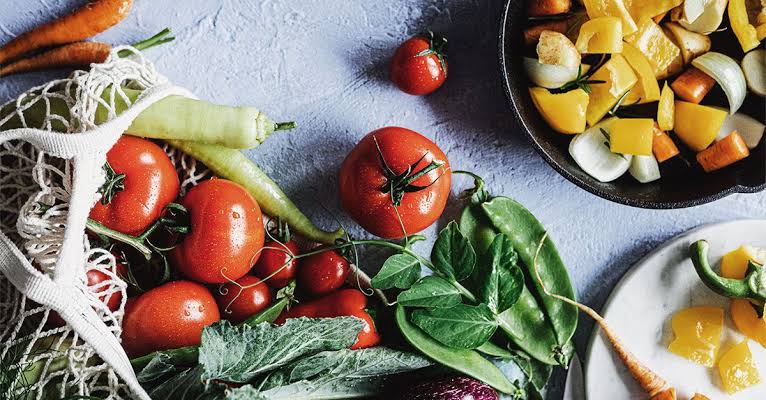
Vegetables are an essential part of a balanced diet and play an important role in maintaining overall health. They provide vitamins, minerals, dietary fibre, antioxidants, and other nutrients that support different functions of the human body. From leafy greens and root vegetables to colourful seasonal varieties, every vegetable offers a different combination of nutrients and culinary possibilities. Whether someone enjoys traditional home-cooked meals, fresh salads, soups, or modern recipes, vegetables can easily become a regular part of everyday eating habits.
Learning about vegetables name and their different categories can make grocery shopping, meal preparation, and healthy eating much easier. Many people recognise commonly available vegetables such as potatoes, tomatoes, onions, carrots, spinach, and cauliflower but may not know about less familiar varieties. Understanding their names, characteristics, nutritional properties, and cooking methods helps people explore more food options. It also encourages dietary variety instead of depending on the same few ingredients throughout the week.
Today, people are becoming increasingly interested in fresh produce, seasonal food, balanced nutrition, and sustainable eating habits. Knowing which vegetables are available throughout the year and how to use them can help families prepare nutritious meals while managing their food budgets.
Understanding Different Types of Vegetables
Vegetables come in numerous shapes, colours, sizes, and textures. They are commonly grouped according to the part of the plant that people eat. These categories include roots, leaves, stems, flowers, fruits, and seeds. Each category contains vegetables with distinctive flavours and nutritional characteristics.
Root vegetables grow underground and absorb nutrients through their root systems. Carrots, radishes, beetroot, turnips, sweet potatoes, and potatoes are familiar examples. Leafy vegetables include spinach, cabbage, lettuce, fenugreek leaves, and amaranth. These varieties are frequently used in salads, curries, soups, and traditional dishes.
Stem vegetables such as celery and asparagus offer different textures and can be prepared through steaming, roasting, or stir-frying. Flower vegetables include cauliflower, broccoli, and artichokes. Meanwhile, fruit vegetables such as cucumbers, pumpkins, brinjals, and capsicums are commonly treated as vegetables in everyday cooking.
Understanding these categories makes it easier to discover new ingredients and create meals with different nutritional combinations.
Popular Vegetables Name List for Everyday Cooking
There are many vegetables available in local markets, supermarkets, and grocery stores. Some are used regularly in traditional Indian households, while others are more common in international cuisines. The following list introduces several familiar vegetables and their everyday uses.
| Vegetable name | Category | Common uses |
|---|---|---|
| Potato | Tuber | Curries, fries, and snacks |
| Tomato | Fruit vegetable | Gravies, soups, and salads |
| Carrot | Root | Salads, juices, and curries |
| Spinach | Leafy | Soups, saag, and parathas |
| Cauliflower | Flower | Curries and roasted dishes |
| Broccoli | Flower | Stir-fries and steamed meals |
| Cucumber | Fruit vegetable | Salads and sandwiches |
| Beetroot | Root | Salads, juices, and curries |
| Radish | Root | Parathas and salads |
| Brinjal | Fruit vegetable | Curries and roasted dishes |
| Cabbage | Leafy | Salads and stir-fries |
| Capsicum | Fruit vegetable | Pizza, noodles, and curries |
These commonly available ingredients can be combined in countless ways. For example, carrots, peas, potatoes, and cauliflower can be used to prepare mixed vegetable curry. Similarly, cucumber, tomatoes, and carrots create a refreshing salad that complements everyday meals.
Types of Vegetables Based on Their Colours
The colour of a vegetable often provides clues about the natural plant compounds it contains. Including different colours in meals is a practical way to increase dietary variety and enjoy a broader range of nutrients.
Green Vegetables
Green vegetables are widely recognised for their nutritional value. Spinach, broccoli, cabbage, peas, green beans, bitter gourd, bottle gourd, and fenugreek leaves are popular examples. Many green varieties provide folate, vitamin K, vitamin C, fibre, and other important nutrients.
Spinach can be added to soups, curries, smoothies, and traditional Indian dishes. Broccoli works well in steamed meals and stir-fries, while green beans can be cooked with spices or included in mixed vegetable preparations. Leafy greens are especially useful for people who want to increase their intake of fibre and micronutrients.
Red and Orange Vegetables
Red and orange vegetables add colour, flavour, and nutritional variety to everyday meals. Tomatoes, carrots, red capsicum, pumpkins, and beetroot are some familiar examples.
Carrots contain beta-carotene, which the body can convert into vitamin A. Tomatoes contain lycopene, a naturally occurring antioxidant. Pumpkin also provides beta-carotene along with fibre and other nutrients. These vegetables can be included in soups, salads, vegetable rice, sandwiches, and homemade curries.
White and Purple Vegetables
White vegetables include cauliflower, garlic, onions, turnips, and mushrooms. They offer different nutrients and useful plant compounds. Garlic and onions are particularly popular ingredients because they add flavour to numerous dishes without requiring complicated preparation.
Purple vegetables such as purple cabbage, purple carrots, and purple eggplant contain natural pigments called anthocyanins. These compounds have antioxidant properties. Adding colourful vegetables to meals creates visual appeal while supporting a diverse eating pattern.
Nutritional Benefits of Eating Vegetables Regularly
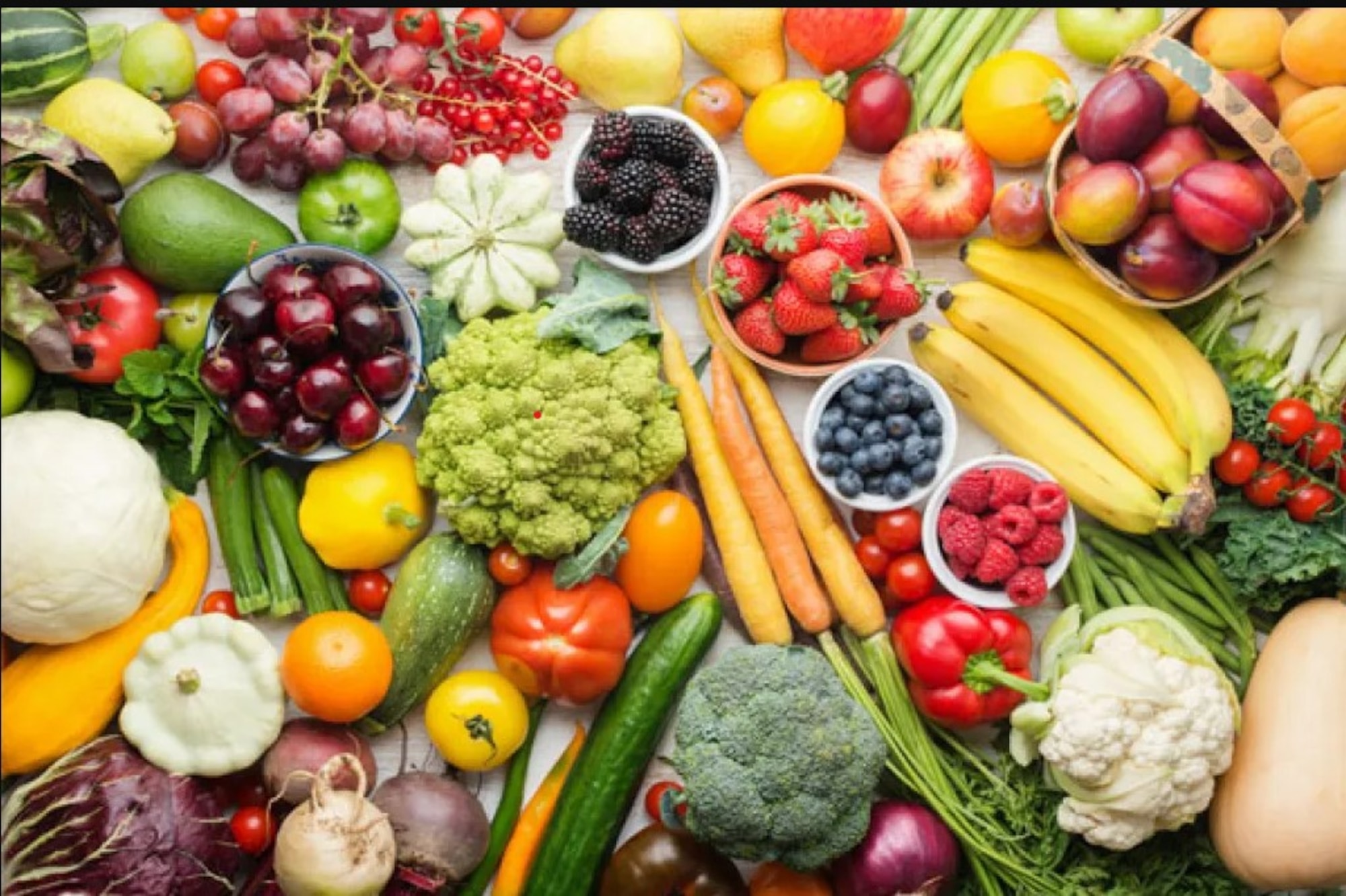
Vegetables provide a combination of nutrients that contribute to several aspects of general health. Their nutritional composition varies depending on the variety, growing conditions, maturity, and preparation method. However, most vegetables contain water, fibre, and valuable micronutrients.
Supporting Digestive Health
Dietary fibre is one of the major benefits of many vegetables. Fibre supports normal bowel movements and helps maintain digestive regularity. Foods such as carrots, peas, broccoli, cabbage, beans, and leafy greens can contribute to daily fibre intake.
Fibre also supports beneficial bacteria in the digestive system. Including different vegetable varieties in meals, alongside fruits, whole grains, and other fibre-rich foods, can help create a balanced eating pattern. People who are not accustomed to eating much fibre should increase their intake gradually and drink enough water.
Providing Essential Vitamins and Minerals
Vegetables contain several vitamins and minerals required for normal body functions. Leafy greens provide vitamin K and folate, carrots provide beta-carotene, and potatoes offer potassium and vitamin C. Different varieties contribute different nutrients, which is why eating a mixture is generally more beneficial than relying on a single vegetable.
Vitamin C contributes to normal immune function and collagen formation, while folate supports normal cell division. Potassium plays a role in maintaining normal muscle and nerve function. Including vegetables from multiple categories can help people obtain a wider selection of these nutrients.
Supporting Heart Health
A diet rich in vegetables can contribute to better cardiovascular health when combined with other healthy lifestyle habits. Many vegetables contain potassium, fibre, and naturally occurring plant compounds that support overall nutritional quality.
Replacing some heavily processed foods with vegetable-based meals can also help people manage their intake of excess sodium, saturated fats, and added sugars. However, vegetables are only one part of a heart-healthy lifestyle that also includes regular physical activity, sufficient sleep, and balanced eating habits.
How to Include More Vegetables in Your Daily Diet
Adding more vegetables to everyday meals does not necessarily require major changes in cooking routines. Small adjustments can make a noticeable difference over time. People who usually eat limited vegetables can start by adding one additional variety to their lunch or dinner.
For breakfast, vegetables can be included in omelettes, sandwiches, stuffed parathas, or savoury pancakes. Lunch can include seasonal vegetable curries, mixed salads, or vegetable rice. Dinner can feature soups, roasted vegetables, stir-fries, or lightly cooked leafy greens.
A useful approach is to combine different textures and colours rather than preparing the same ingredients repeatedly. For example, a meal containing spinach, carrots, peas, and cauliflower offers greater variety than a meal based on only potatoes.
A few simple habits can make vegetable consumption easier:
- Add at least one vegetable to your main meals.
- Choose seasonal produce whenever practical.
- Prepare fresh salads using washed vegetables.
- Experiment with different cooking methods and recipes.
- Include leafy greens several times throughout the week.
Planning meals in advance can also reduce food waste and make grocery shopping more organised.
Fresh, Seasonal, and Locally Available Vegetables
Seasonality plays an important role in the availability, affordability, and freshness of vegetables. Different varieties grow best under different weather conditions. In India, winter markets often feature carrots, peas, radishes, cauliflower, and leafy greens. Summer commonly brings bottle gourd, cucumber, bitter gourd, pumpkin, and other warm-weather varieties.
Choosing seasonal produce can be beneficial because locally available vegetables are often easier to find and may be more affordable. Freshness depends on harvesting, transportation, storage, and handling, so seasonal produce is not automatically better in every situation. Nevertheless, exploring local markets can help consumers discover vegetables that are naturally available during different months.
Frozen vegetables can also be a convenient alternative, especially when certain varieties are unavailable or when people have limited preparation time. Properly frozen produce can retain much of its nutritional value. Canned vegetables are another option, although checking sodium levels and added ingredients is useful when making a selection.
Tips for Buying and Storing Vegetables Properly
Choosing fresh vegetables requires attention to their appearance, texture, smell, and condition. Although different varieties have different signs of freshness, most should be free from extensive bruising, mould, unusual odours, and visible decay.
Carrots and radishes should generally feel firm, while leafy greens should look reasonably fresh rather than excessively wilted. Tomatoes should be selected according to their intended use, as slightly firm tomatoes may be suitable for cooking while ripe ones work well in salads and sauces.
Proper storage can help reduce unnecessary food waste. Leafy greens are usually best kept refrigerated in suitable containers or bags. Root vegetables such as potatoes and onions generally need a cool, dry, well-ventilated storage area, with suitable separation between them. Tomatoes can be stored according to their ripeness and intended use.
Before cooking, vegetables should be washed thoroughly under clean running water. Cutting boards, knives, and kitchen surfaces should also be kept clean to reduce the risk of food contamination. Washing produce before preparation and storing it appropriately are simple habits that support food safety.
Common Mistakes to Avoid When Eating Vegetables
Although vegetables are generally nutritious, certain preparation and eating habits can reduce their overall dietary benefits. One common mistake is depending on only two or three varieties throughout the year. Eating a limited selection may reduce nutritional diversity and make meals repetitive.
Another mistake is preparing vegetables with excessive oil, salt, or rich sauces. Deep-frying vegetables regularly can significantly increase the calorie content of meals. Although occasional fried dishes can fit into a balanced diet, steaming, roasting, boiling, and stir-frying are useful alternatives.
Overcooking is another factor worth considering. Some vegetables become excessively soft when cooked for too long, affecting their texture and potentially reducing certain heat-sensitive nutrients. Cooking methods should therefore be selected according to the vegetable and recipe.
Finally, people sometimes remove edible parts unnecessarily. Certain vegetable peels, stems, and leaves can be eaten when they are clean and suitable for consumption. For example, carrot tops and radish leaves can be used in selected recipes rather than automatically being discarded.
Exploring Different Vegetables in Indian Cuisine
Indian cuisine offers a remarkable variety of vegetable-based dishes. Different regions use locally available ingredients, traditional spices, and cooking techniques to create distinctive flavours. From Punjabi sarson ka saag to South Indian vegetable sambar, vegetables are an important part of everyday food culture.
Potatoes, tomatoes, onions, brinjals, okra, bottle gourd, and cauliflower are frequently used in household cooking. Seasonal produce is also included in regional preparations such as vegetable pulao, mixed vegetable curry, stuffed parathas, and dry sabzi.
The vegetables name people encounter in Indian markets can also vary depending on the region and language. For instance, brinjal is commonly called baingan, okra is known as bhindi, and bottle gourd is called lauki in Hindi. Recognising these different names makes shopping and understanding recipes easier, particularly when buying produce from local markets.
Exploring regional recipes can introduce households to unfamiliar ingredients while making everyday meals more interesting. It also provides an opportunity to appreciate traditional food knowledge and the diversity of Indian agriculture.
Conclusion
Vegetables are an important foundation of healthy and balanced eating. They provide dietary fibre, vitamins, minerals, antioxidants, and naturally occurring plant compounds that support overall well-being. From everyday ingredients such as potatoes, tomatoes, and carrots to nutritious leafy greens, colourful capsicums, and seasonal varieties, there are countless ways to improve meal diversity.
Understanding vegetables name, their different categories, nutritional characteristics, and cooking applications makes it easier to choose suitable ingredients for daily meals. By purchasing fresh produce, exploring seasonal options, storing food properly, and experimenting with different recipes, individuals can develop healthier and more enjoyable eating habits.
The most practical approach is to include a variety of vegetables throughout the week instead of depending on a limited selection. Whether preparing a simple homemade curry, a fresh salad, or a colourful vegetable soup, small and consistent choices can contribute to a more nutritious lifestyle.