

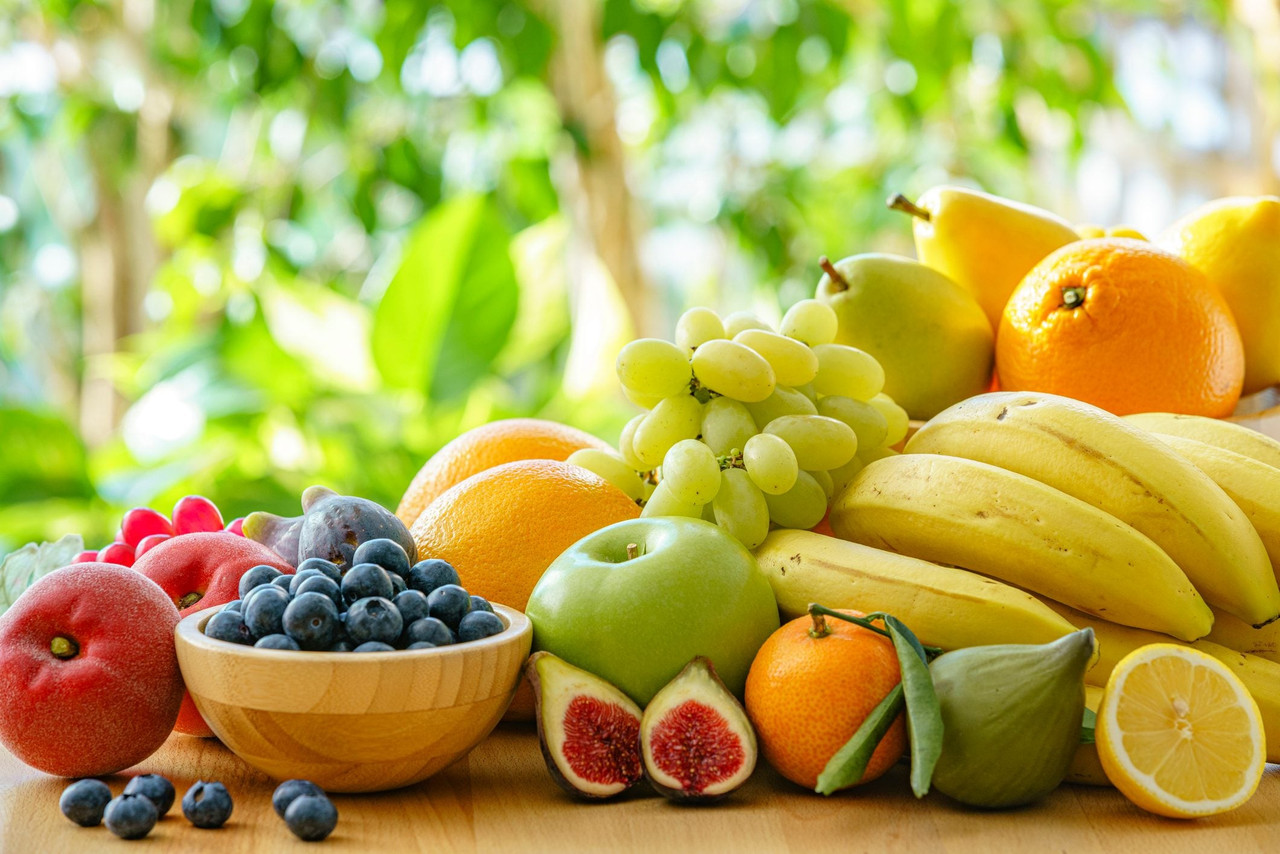

Fruits are among the most versatile natural foods available, offering a combination of flavor, hydration, fiber, vitamins, minerals, and naturally occurring plant compounds. From familiar choices such as apples and bananas to tropical favorites such as mangoes, papayas, and pineapples, every fruit has its own taste, texture, nutritional profile, and place in different cuisines. Learning different fruits name can make it easier to understand food choices and discover new options for everyday meals.
A varied fruit intake can also make a balanced diet more enjoyable. Instead of relying on one or two familiar choices, people can rotate fruits according to season, availability, personal preference, and nutritional needs. Fresh fruits can be eaten whole, added to breakfast, combined with yogurt, included in salads, or used in homemade recipes. The key is variety and moderation rather than treating any single fruit as a complete solution for health.
Why Are Fruits an Important Part of a Balanced Diet?
Fruits provide several nutrients that contribute to normal body functions. Many contain dietary fiber, which supports digestive health and can help meals feel more satisfying. Fruits also supply nutrients such as vitamin C, potassium, folate, and vitamin A or related carotenoid compounds, depending on the variety. Their high water content can contribute to overall fluid intake as well.
Another important feature of fruits is their diversity. Different colors often reflect different naturally occurring plant compounds. Berries, citrus fruits, yellow fruits, green fruits, and red fruits can therefore provide different combinations of nutrients and phytochemicals. Rather than focusing on a single “superfruit,” eating a colorful variety can be a practical way to broaden nutritional intake.
Popular Fruits and Their Unique Characteristics
When people search for fruits name, they are often looking for a simple list, but understanding the characteristics behind those names is more useful. Apples are known for their crisp texture and fiber, bananas are convenient and naturally rich in potassium, while oranges are widely appreciated for their juicy texture and vitamin C content. Mangoes provide a sweet tropical flavor and contain carotenoids and vitamin C.
Other popular choices include grapes, guava, watermelon, papaya, pineapple, pomegranate, strawberries, pears, peaches, and kiwi. Each can fit into a balanced eating pattern in different ways. Some are especially refreshing in hot weather, while others are convenient snacks or useful additions to breakfast and desserts.
Common Fruits and Their General Nutritional Features
| Fruit | Notable Nutrients or Features | Common Ways to Enjoy |
|---|---|---|
| Apple | Fiber and vitamin C | Whole, sliced, salads |
| Banana | Potassium and carbohydrates | Snack, smoothie, breakfast |
| Orange | Vitamin C and water | Whole, fruit bowl |
| Mango | Carotenoids and vitamin C | Fresh, salads, smoothies |
| Guava | Fiber and vitamin C | Sliced, fresh |
| Papaya | Carotenoids and vitamin C | Breakfast, fruit bowls |
| Watermelon | Water and vitamin C | Fresh, chilled |
| Pomegranate | Fiber and plant compounds | Seeds, salads, yogurt |
| Pineapple | Vitamin C and manganese | Fresh, salads |
| Kiwi | Vitamin C and fiber | Breakfast, snacks |
The nutritional values of fruits can vary according to variety, ripeness, serving size, and growing conditions. This is why broad descriptions are more useful than assuming every piece of a particular fruit has exactly the same nutritional composition.
Fruits by Color and Nutritional Variety
Color can be a simple way to introduce variety into a diet. Red fruits such as strawberries and watermelon, orange and yellow fruits such as mangoes and papayas, green fruits such as kiwi and guava, and purple or dark-colored fruits such as grapes and some berries all contain different combinations of naturally occurring compounds.
This does not mean that one color is automatically healthier than another. Instead, regularly changing fruit choices can help people consume a wider range of nutrients and plant compounds. A fruit bowl containing several colors can also make healthy eating more visually appealing, which may encourage people to choose fruit more frequently.
Seasonal Fruits and Why Seasonality Matters
Seasonal fruit choices can offer practical advantages. Fruits that are naturally abundant during a particular season are often easier to find in local markets and may be more affordable. Seasonal eating can also introduce variety throughout the year instead of encouraging people to purchase the same fruits continuously.
In India, seasonal availability differs between regions, but mangoes are strongly associated with summer, while citrus fruits, guavas, and several other varieties are commonly available during cooler periods. Watermelon and muskmelon are popular refreshing choices during warmer months. Choosing locally available seasonal produce can therefore be a convenient approach to maintaining variety.
Tropical Fruits Worth Exploring
Tropical fruits have become increasingly popular because of their distinctive flavors and culinary flexibility. Mango, pineapple, papaya, coconut, jackfruit, dragon fruit, and passion fruit are examples of fruits associated with tropical and subtropical climates. They can be eaten fresh or incorporated into a variety of dishes.
Mango is especially versatile, appearing in smoothies, salads, desserts, chutneys, and traditional preparations. Papaya has a soft texture and mild sweetness, making it suitable for breakfast or fruit bowls. Pineapple provides a distinctive sweet-and-tart flavor, while dragon fruit has a mild taste and visually striking appearance. Exploring different fruits name can therefore be a fun way to expand everyday food choices.
How to Include More Fruits in Everyday Meals
Adding fruit to a daily routine does not require complicated recipes. A banana or apple can work as a convenient snack, while chopped fruit can be combined with plain yogurt for breakfast. Citrus fruits can provide a refreshing addition to meals, and berries or sliced kiwi can add texture and flavor to oatmeal.
Whole fruits are generally a useful choice because they retain their natural fiber. Fruit juice can contain substantial amounts of naturally occurring sugar while providing less fiber than the whole fruit. For that reason, eating fruit whole more often can be a practical approach when choosing between the two.
Simple Ways to Eat More Fruit
- Add sliced fruit to breakfast or yogurt.
- Keep whole fruit available for convenient snacks.
- Mix several seasonal fruits into a simple fruit bowl.
- Use fresh fruit to add natural sweetness to meals.
Fresh Fruit, Dried Fruit, and Fruit Juice
Fresh fruit and dried fruit are not nutritionally identical. Removing water from fruit makes it smaller and more concentrated, so a person can easily consume a much larger amount of fruit sugars and calories from dried fruit in a short period. Dried fruit can still fit into a balanced diet, but portion size becomes particularly important.
Fruit juice is another different form. Even when juice contains no added sugar, it can be easier to drink a large quantity quickly compared with eating whole fruit. Whole fruit generally takes longer to consume and provides more intact fiber. These differences are worth considering when deciding how to include fruit in a daily eating pattern.
Choosing Fruits for Different Dietary Needs
There is no single fruit that is ideal for everyone. A person’s dietary requirements, allergies, food preferences, medical conditions, and overall eating pattern can influence which fruits are appropriate. Someone looking for convenient energy may choose bananas, while another person may prefer berries, apples, guava, or oranges as snacks.
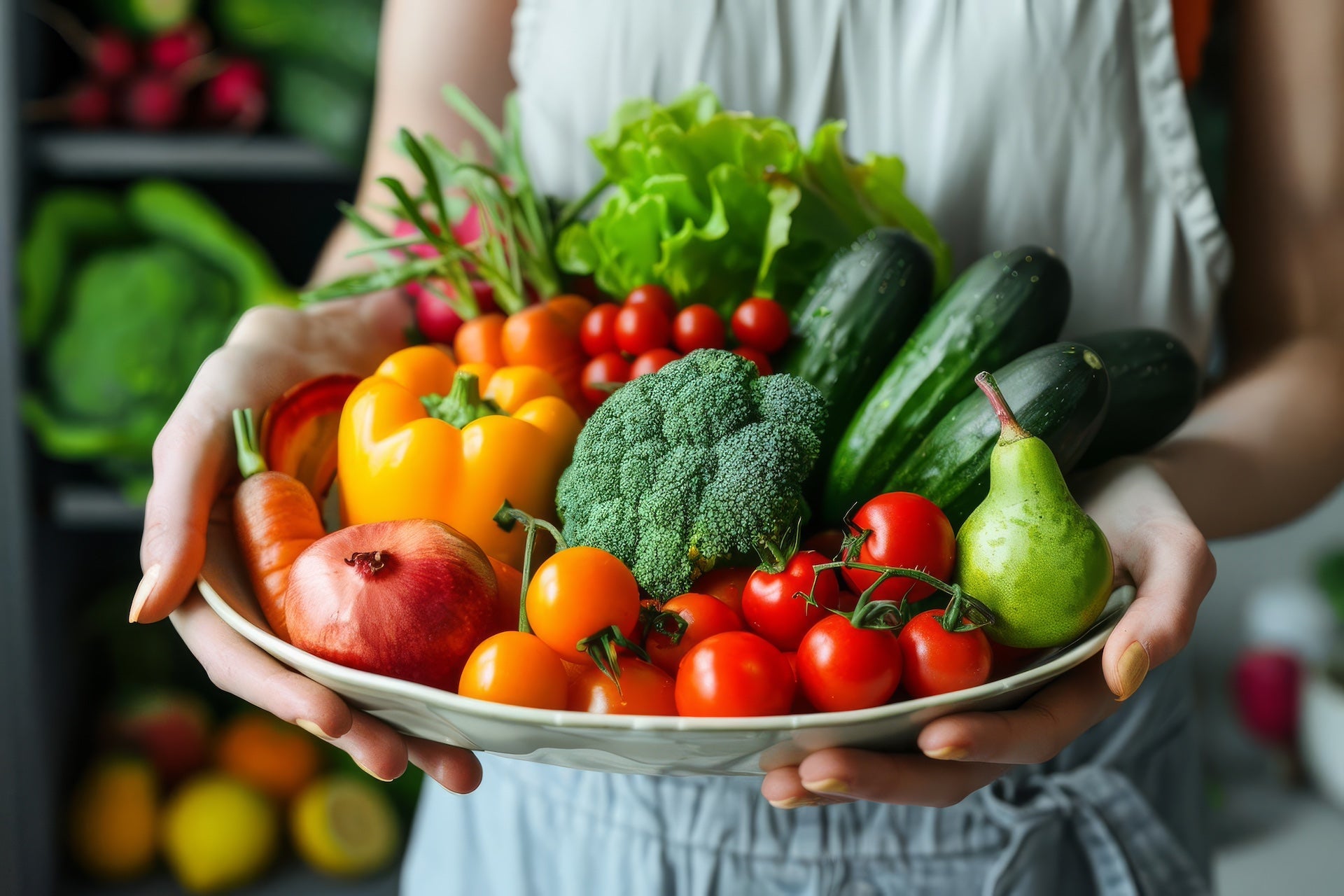
People managing specific health conditions should also consider advice from a qualified healthcare professional or registered dietitian rather than assuming that a particular fruit can treat or prevent a condition. Fruit is best understood as one component of an overall dietary pattern.
How to Store Fruits Properly
Proper storage can help reduce food waste and preserve quality. Some fruits continue to ripen after being harvested, while others are more sensitive to temperature and should be consumed relatively quickly. Apples, bananas, citrus fruits, berries, and tropical fruits each have different storage characteristics.
It is also useful to avoid buying more highly perishable fruit than can realistically be consumed. Washing fruit before eating is important, but washing everything immediately and storing wet produce can sometimes shorten the shelf life of delicate varieties. Clean, dry storage and appropriate refrigeration can help maintain quality.
Fruits for Children and Families
Introducing a range of fruits during childhood can help children become familiar with different flavors and textures. Instead of repeatedly offering the same fruit, parents and caregivers can provide small portions of different varieties and allow children to develop preferences naturally.
Fruit can also become part of family routines. A bowl of seasonal fruit after a meal, sliced fruit with breakfast, or fresh fruit as an afternoon snack can make fruit consumption feel normal rather than like a special health requirement. Cutting fruit into convenient pieces can also make it easier for younger children to eat independently, while age-appropriate preparation remains important for choking safety.
The Role of Fruits in Modern Healthy Eating
Modern diets often include highly processed snacks and convenient packaged foods. Fruits provide a simple alternative that requires little preparation. Their natural sweetness can also help satisfy a desire for something sweet without necessarily relying on confectionery or heavily processed desserts.
At the same time, healthy eating is not about completely eliminating other foods. A balanced dietary pattern can include fruits alongside vegetables, whole grains, legumes, nuts, seeds, protein sources, and appropriate amounts of fats. The practical goal is to build sustainable habits rather than follow rigid rules.
Exploring Different Fruits Can Improve Dietary Variety
Learning different fruits name is more than memorizing a list. It can encourage people to experiment with unfamiliar produce and understand how fruits differ in flavor, texture, seasonality, and nutritional characteristics. For example, someone who usually eats apples and bananas might gradually add guava, papaya, kiwi, pomegranate, or seasonal berries.
This variety can also make meals more enjoyable. Food choices are easier to maintain when they offer both nutritional value and sensory satisfaction. Trying different fruits can therefore support a more diverse and interesting approach to everyday eating.
Conclusion
Fruits are an important part of a varied and balanced diet, offering natural sweetness, water, dietary fiber, vitamins, minerals, and a wide range of plant compounds. From everyday choices such as apples, bananas, and oranges to tropical options such as mangoes, papayas, pineapples, and dragon fruit, there are countless varieties to explore. Understanding different fruits name can make it easier to choose seasonal produce and create more varied meals. The best approach is not to focus on one particular fruit as a miracle food. Instead, aim for variety, reasonable portions, and regular inclusion of whole fruits within an overall balanced diet. By exploring different fruits according to season, availability, taste, and individual dietary needs, people can make everyday eating more colorful, enjoyable, and nutritionally diverse.