

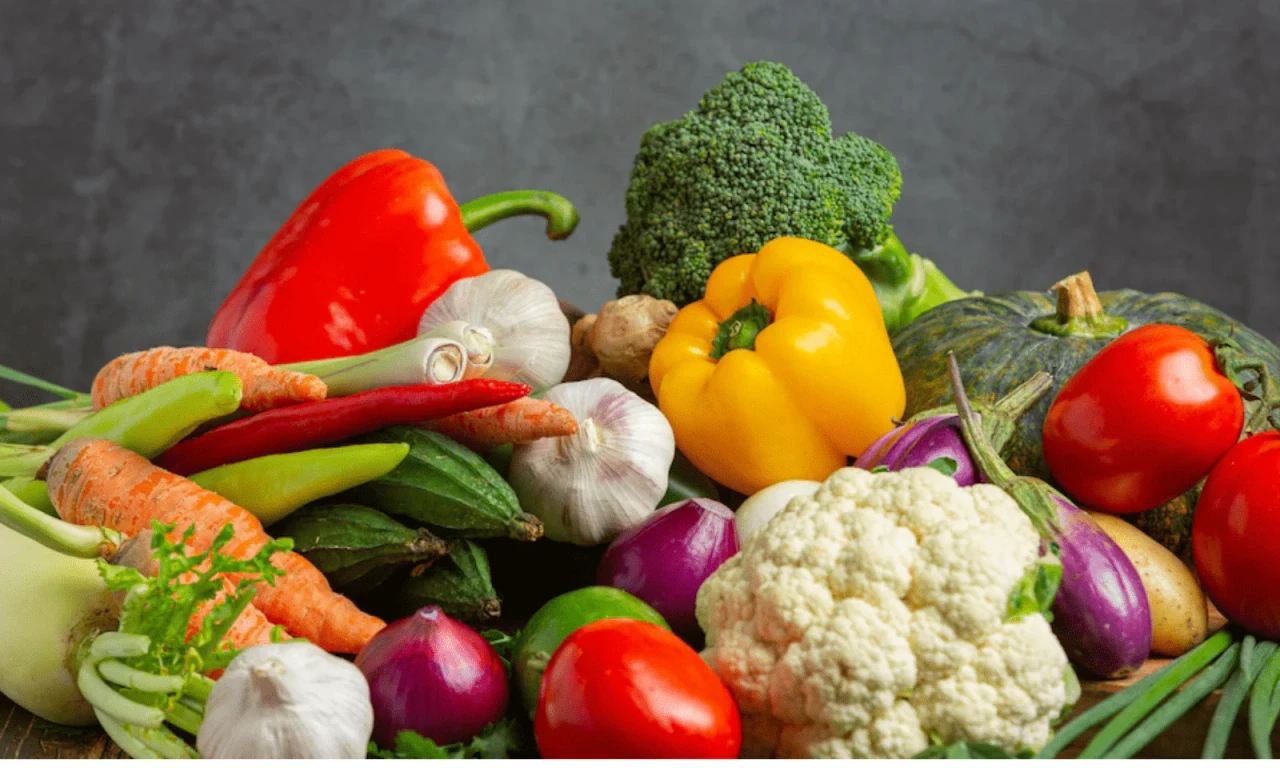

Vegetables are among the most important foods in a balanced diet because they provide a broad combination of vitamins, minerals, fiber, antioxidants, and plant compounds. From leafy greens and colorful peppers to root vegetables and edible stems, each variety brings its own nutritional profile and culinary character. Learning about different vegetables name categories can make meal planning easier while helping people understand why variety matters when choosing everyday foods.
In modern diets, vegetables are no longer limited to traditional side dishes. They are used in salads, soups, curries, sandwiches, wraps, smoothies, roasted meals, stir-fries, pasta dishes, and many other preparations. Fresh, frozen, and properly stored vegetables can all contribute to a nutritious eating pattern. The important consideration is to choose a diverse selection and prepare them in ways that preserve their nutritional value while making meals enjoyable.
Understanding different vegetables can also help families make better choices at grocery stores and markets. Instead of repeatedly buying the same few varieties, people can rotate vegetables according to season, availability, budget, and personal preferences. A colorful plate often represents a wider range of plant nutrients, making variety a simple and practical principle for everyday eating.
Why Vegetables Are Important in a Balanced Diet
Vegetables provide nutrients that support many normal functions of the body. Fiber found in vegetables contributes to digestive health and can help meals feel more satisfying. Many vegetables also contain vitamin C, vitamin K, folate, potassium, carotenoids, and other naturally occurring compounds. The exact nutrients vary considerably depending on the vegetable, so eating different types is generally more useful than focusing on a single variety.
Another important feature of vegetables is their diversity. Leafy vegetables such as spinach and fenugreek provide a different nutritional profile from carrots, tomatoes, cauliflower, peas, or sweet potatoes. This variety allows people to obtain different nutrients through food rather than depending on a narrow selection. When vegetables are combined with whole grains, pulses, beans, dairy or suitable protein sources, they can form an important part of balanced meals.
Vegetables can also add texture, color, aroma, and flavor without requiring highly processed ingredients. A simple meal of rice, lentils, and cooked vegetables can become substantially more interesting with the addition of carrots, beans, spinach, tomatoes, or cauliflower. This versatility explains why vegetables remain central to cuisines across different regions and cultures.
Major Categories of Vegetables
There is no single way to classify vegetables because different systems may group them according to the edible plant part, botanical characteristics, or culinary use. For everyday understanding, however, it is useful to think about vegetables as leafy greens, roots, tubers, stems, bulbs, flowers, fruits used as vegetables, and pods or seeds.
Leafy vegetables include spinach, lettuce, cabbage, kale, mustard greens, and several regional greens. Root vegetables include carrots, radishes, turnips, and beets, while tubers include potatoes and sweet potatoes. Stems such as celery and certain shoots are also eaten as vegetables. Cauliflower and broccoli are examples of vegetables in which the flower structures are commonly consumed.
Tomatoes, cucumbers, pumpkins, eggplants, and bell peppers are botanically fruits because they develop from flowers and contain seeds, but they are generally treated as vegetables in cooking. This distinction demonstrates why culinary classification and botanical classification are not always identical. Understanding these categories makes exploring a comprehensive vegetables name list much more interesting and practical.
| Vegetable Category | Common Examples | Typical Culinary Uses |
|---|---|---|
| Leafy vegetables | Spinach, lettuce, kale, mustard greens | Salads, curries, soups, stir-fries |
| Root vegetables | Carrot, radish, beet, turnip | Roasting, soups, salads, curries |
| Tubers | Potato, sweet potato | Baking, boiling, roasting, curries |
| Flower vegetables | Cauliflower, broccoli | Steaming, roasting, stir-fries |
| Bulb vegetables | Onion, garlic | Curries, sauces, soups, seasoning |
| Fruit vegetables | Tomato, cucumber, eggplant, pepper | Salads, sauces, curries, grilling |
| Pods and seeds | Peas, green beans, okra | Curries, stir-fries, soups |
Leafy Green Vegetables and Their Uses
Leafy greens are widely valued because they can provide fiber, folate, vitamin K, carotenoids, and other plant compounds. Spinach is particularly versatile and can be cooked with lentils, added to omelets, blended into certain beverages, or used in soups and curries. Other greens, including mustard leaves and fenugreek leaves, have distinctive flavors that work well in traditional dishes.
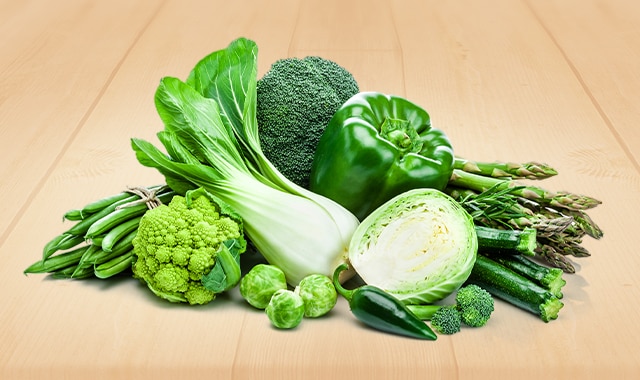
Lettuce and other tender greens are commonly eaten raw, making them convenient additions to salads and sandwiches. More robust greens may benefit from cooking because heat softens their texture and changes their flavor. When preparing leafy vegetables, washing them thoroughly and avoiding unnecessarily prolonged cooking can help maintain their quality.
Root and Tuber Vegetables
Root vegetables grow beneath or close to the soil and often have naturally earthy, sweet, or mildly spicy flavors. Carrots, radishes, turnips, and beets can be eaten raw, roasted, boiled, steamed, pickled, or incorporated into cooked dishes. Their colors also make meals visually appealing, with carrots and sweet potatoes providing orange tones and beets offering deep red or purple hues.
Tubers such as potatoes and sweet potatoes are particularly versatile and widely consumed. They can be baked, boiled, mashed, roasted, or incorporated into soups and curries. Although preparation matters, the nutritional value of a vegetable should be considered in the context of the complete meal. For example, roasting vegetables with a moderate amount of oil can create a satisfying dish without requiring heavy sauces.
Cruciferous Vegetables and Their Nutritional Value
Broccoli, cauliflower, cabbage, Brussels sprouts, and related vegetables belong to the cruciferous group. These vegetables contain fiber and naturally occurring plant compounds that have attracted considerable scientific interest. They can be steamed, roasted, sautéed, added to soups, or combined with grains and protein-rich foods.
Cruciferous vegetables are especially useful for people who want to increase variety in their meals. Cauliflower can replace or complement grains in some recipes, while broccoli can be combined with noodles, rice, pasta, or legumes. Cabbage can be used in salads, stir-fries, soups, and traditional regional preparations. Choosing different preparation methods can prevent healthy eating from becoming repetitive.
Colorful Vegetables for More Variety
Color is a useful practical guide when selecting vegetables, although it should not be treated as a strict measure of nutritional quality. Green vegetables often contain chlorophyll and various vitamins and plant compounds, while orange and yellow vegetables can provide carotenoids. Red and purple vegetables may contain compounds such as anthocyanins or lycopene, depending on the specific vegetable.
Including several colors throughout the week can encourage dietary variety. A meal containing spinach, tomatoes, carrots, and cauliflower offers a broader range of plant compounds than repeatedly eating one vegetable. This does not mean every meal needs to contain every color. Instead, people can think about variety across the day or week when planning their food.
How to Choose Fresh Vegetables
Selecting good-quality vegetables begins with observing their appearance, firmness, smell, and condition. Fresh vegetables generally should not have extensive bruising, unusual soft spots, mold, or signs of decay. However, minor surface imperfections do not necessarily mean a vegetable is unsuitable, particularly when it is still firm and can be properly cleaned and prepared.
Seasonality can also influence quality, price, and availability. Local markets may offer certain vegetables at better prices during their natural growing seasons. Frozen vegetables can also be a practical option, especially when a fresh variety is unavailable or when reducing food waste is important. The best choice depends on freshness, storage conditions, affordability, and how quickly the vegetable will be used.
Simple Ways to Add More Vegetables to Meals
Increasing vegetable intake does not necessarily require completely changing a person’s diet. Small adjustments can make a meaningful difference. Adding chopped vegetables to an omelet, including leafy greens in a lentil dish, or serving roasted vegetables alongside a main meal can gradually increase variety.
Some practical approaches include:
- Add chopped vegetables to soups, curries, pasta, rice, or lentil dishes.
- Keep washed and ready-to-use vegetables available for quick meals.
- Combine different colors and textures to make meals more appealing.
- Try a different seasonal vegetable each week.
Another useful strategy is to replace part of a highly refined or heavily processed side dish with vegetables. For example, a meal can include a generous serving of roasted cauliflower, green beans, or mixed vegetables alongside a moderate portion of grains and a protein source. This approach focuses on adding nutritious foods rather than simply restricting other foods.
Healthy Cooking Methods for Vegetables
The way vegetables are prepared can influence their texture, flavor, and nutritional characteristics. Steaming, roasting, sautéing, grilling, and quick stir-frying can all produce flavorful meals. Boiling is also useful for many vegetables, although prolonged cooking in large amounts of water can cause some water-soluble nutrients to move into the cooking liquid.
Roasting can bring out natural sweetness and create a pleasant texture, while steaming often preserves the vegetable’s fresh character. Stir-frying works particularly well when vegetables are cut into similar-sized pieces so they cook evenly. The goal is not to identify one universally perfect cooking method but to use varied techniques that make vegetables enjoyable and practical to eat regularly.
Vegetables and Everyday Meal Planning
Meal planning becomes easier when vegetables are treated as a core part of the meal rather than an afterthought. A simple weekly plan might rotate leafy greens, roots, cruciferous vegetables, beans, peppers, tomatoes, and other available varieties. This reduces dependence on one or two familiar foods and can make grocery shopping more organized.

Families can also choose vegetables according to the dishes they already enjoy. For Indian-style meals, vegetables can be incorporated into sabzi, dal, sambar, soups, parathas, pulao, and mixed vegetable preparations. In other cuisines, the same vegetables may appear in salads, wraps, roasted trays, pasta, tacos, or stir-fries. This flexibility means learning a wider vegetables name vocabulary can directly expand cooking possibilities.
Common Mistakes When Preparing Vegetables
One common mistake is storing vegetables improperly and then allowing them to remain unused until they deteriorate. Buying realistic quantities and planning meals around available produce can reduce waste. Another issue is relying on heavy sauces, excessive frying, or large quantities of salt and added fats in a way that changes the overall nutritional character of a vegetable-based dish.
Another mistake is assuming that only fresh vegetables count. Frozen vegetables can be useful and convenient, particularly when they are stored properly and contain few additional ingredients. Canned vegetables can also have a place in a balanced diet, although checking labels for added sodium or other ingredients may be helpful. The larger goal is consistent consumption of a varied selection rather than pursuing perfection.
Vegetables for Different Eating Preferences
Vegetables can fit into almost any eating pattern because they are available in an enormous range of flavors and textures. People who prefer crunchy foods can choose carrots, cucumbers, radishes, peppers, or lightly cooked beans. Those who enjoy softer meals may prefer pumpkin, spinach, potatoes, eggplant, or cooked cauliflower.
For people who do not enjoy vegetables, gradual exposure can be more practical than forcing large portions. Mixing finely chopped vegetables into familiar dishes, experimenting with different seasonings, or changing the cooking method may improve acceptance. A vegetable that tastes unpleasant when boiled may become much more appealing when roasted or sautéed with suitable herbs and spices.
Building a Diverse Vegetable Routine
A diverse vegetable routine is easier to maintain when it is based on personal preferences and local availability. There is no requirement to purchase every variety available in a market. Instead, people can create a rotating selection that includes several categories and colors. Over time, this can introduce new flavors while keeping everyday meals familiar.
The broader lesson from exploring vegetables name varieties is that healthy eating does not have to be complicated. A person can begin with a few familiar vegetables and gradually add seasonal options. Even simple meals can become more nutritious and interesting when vegetables are consistently included in different forms.
Conclusion
Vegetables offer an impressive combination of nutritional value, culinary versatility, and variety. Leafy greens, roots, tubers, cruciferous vegetables, bulbs, pods, and colorful fruit vegetables all contribute different textures, flavors, and nutrients. Learning different vegetables name categories makes it easier to understand this diversity and use it effectively in everyday meal planning. A practical approach is to focus on variety rather than perfection. Choose vegetables that are fresh and accessible, experiment with different cooking methods, and include several types across the week. Whether they are prepared in traditional curries, fresh salads, roasted dishes, soups, stir-fries, or simple home-cooked meals, vegetables can remain a valuable part of a balanced and enjoyable eating pattern.