

.webp "Vegetables Name: A Complete Guide to Types, Benefits, and Uses")
.webp&description=Explore vegetables name, their nutritional value, common types, health benefits, cooking uses, and practical tips for choosing and adding vegetables to daily meals.)
Vegetables are among the most important foods in a balanced diet because they provide a broad combination of vitamins, minerals, fiber, antioxidants, and other naturally occurring compounds. From leafy greens and root vegetables to colorful peppers, tomatoes, gourds, and cruciferous varieties, every type can contribute something different to everyday nutrition. Learning the vegetables name for different varieties can also make grocery shopping, meal planning, and healthy cooking much easier.
A useful vegetables name list is not simply a collection of foods. It can help people understand the remarkable diversity available across different cuisines and regions. Some vegetables are commonly eaten raw in salads, while others become softer and more flavorful after steaming, roasting, sautéing, boiling, or grilling. Their textures, colors, flavors, and nutritional profiles vary considerably, which makes vegetables suitable for everything from simple home meals to elaborate recipes.
Modern eating habits have also increased interest in vegetables because many people are looking for practical ways to include more nutrient-rich foods in their diets. Whether someone follows a traditional Indian diet, a Mediterranean-style eating pattern, or a more plant-focused routine, vegetables can be incorporated into breakfast, lunch, dinner, snacks, soups, curries, sandwiches, and side dishes.
Why Vegetables Are Important in Everyday Nutrition
Vegetables provide several nutrients that support normal body functions. Leafy vegetables such as spinach and fenugreek can contribute folate, vitamin K, and other micronutrients, while orange and yellow vegetables often provide carotenoids. Potatoes and sweet potatoes supply carbohydrates along with useful nutrients, while vegetables such as broccoli and cauliflower contain fiber and various plant compounds.
Another important feature of vegetables is dietary fiber. Fiber contributes to digestive health and can help meals feel more satisfying. It is found in different amounts across vegetables, and eating a varied selection can provide different types of fiber. This is one reason nutrition guidance commonly emphasizes variety rather than depending on a single vegetable every day.
The way vegetables are prepared also matters. Deep-frying can substantially increase the calorie and fat content of an otherwise nutrient-rich food, while steaming, roasting, grilling, or lightly sautéing can preserve the basic character of many vegetables. Cooking can also make certain nutrients or beneficial plant compounds more accessible, so there is no single preparation method that is ideal for every vegetable.
Different Categories of Vegetables
The vegetables name people use in everyday conversation can be grouped into several broad categories. Leafy vegetables include spinach, lettuce, kale, mustard greens, and fenugreek. Root vegetables include carrots, radishes, beets, turnips, and sweet potatoes. Cruciferous vegetables include broccoli, cauliflower, cabbage, Brussels sprouts, and related varieties.
There are also fruit vegetables, which are botanically fruits but are commonly treated as vegetables in cooking. Tomatoes, eggplants, cucumbers, pumpkins, zucchini, and many types of peppers belong to this practical culinary category. Legumes such as green peas and green beans are also frequently included among vegetables in everyday meals.
Common Vegetables and Their Characteristics
The following table provides a simple overview of several familiar vegetables and how they are commonly used.
| Vegetable | Common Nutritional Features | Popular Uses |
|---|---|---|
| Spinach | Folate, vitamin K, carotenoids, fiber | Curries, soups, salads |
| Carrot | Beta-carotene, fiber | Salads, roasting, soups |
| Broccoli | Vitamin C, vitamin K, fiber | Steaming, stir-fries, roasting |
| Tomato | Vitamin C, potassium, lycopene | Sauces, salads, curries |
| Cauliflower | Vitamin C, fiber, folate | Curries, roasting, rice alternatives |
| Potato | Carbohydrates, potassium, vitamin C | Curries, baking, boiling |
| Bell pepper | Vitamin C, carotenoids | Salads, stir-fries, roasting |
| Beetroot | Folate, fiber, natural pigments | Salads, juices, roasting |
This variety shows why understanding vegetables name and categories can be useful when planning meals. Instead of repeatedly choosing the same two or three foods, people can rotate vegetables based on season, availability, taste, and cooking preferences.
Leafy Vegetables and Their Culinary Value
Leafy vegetables are particularly versatile because they can be used in both simple and elaborate dishes. Spinach can be added to soups, curries, omelets, pasta, and smoothies, while mustard greens and fenugreek are popular in several South Asian preparations. Lettuce and other tender leaves are frequently eaten raw in salads and sandwiches.
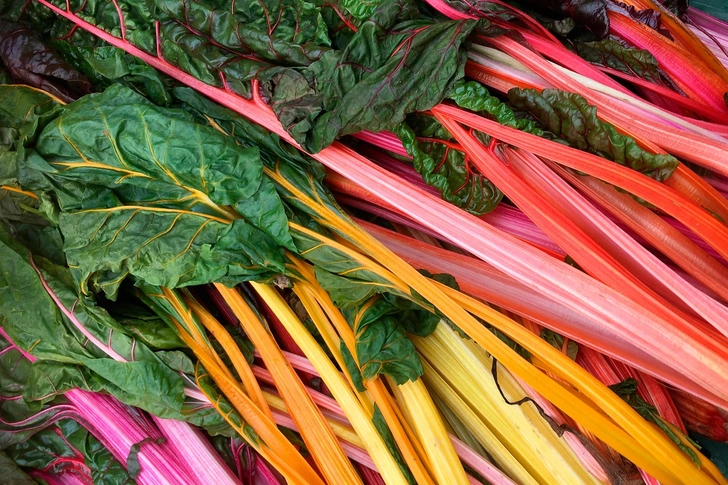
Leafy vegetables can lose texture and volume quickly when overcooked, so shorter cooking methods are often useful. Washing them thoroughly before preparation is also important, particularly when they are consumed raw. Buying fresh leaves in manageable quantities can reduce food waste because leafy produce often has a shorter storage life than sturdier vegetables.
Root Vegetables Offer Flavor and Versatility
Root vegetables develop their distinctive characteristics as edible portions grow underground. Carrots, beets, radishes, turnips, and sweet potatoes can be roasted, boiled, steamed, grated, or incorporated into soups and stews. Their textures range from crisp and watery to dense and starchy, creating many possibilities for meal preparation.
Root vegetables can also work particularly well in colder-season dishes because roasting brings out sweetness and creates deeper flavors. Carrots can be paired with herbs and spices, while beetroot can add natural color to salads and other dishes. Sweet potatoes can serve as a filling carbohydrate source when prepared with relatively simple cooking techniques.
Cruciferous Vegetables in Modern Meals
Broccoli, cauliflower, cabbage, and related vegetables have become increasingly common in contemporary meal planning. They can be steamed, roasted, stir-fried, grilled, or incorporated into soups. Their slightly earthy or sulfurous flavors become milder when cooked with aromatic ingredients such as garlic, ginger, herbs, or spices.
Cruciferous vegetables are also useful for people who want to add more variety to meals without relying heavily on refined ingredients. Cauliflower, for example, can be roasted as a side dish or incorporated into curries, while cabbage can be used in stir-fries, salads, wraps, and traditional regional recipes.
Colorful Vegetables and Plant Diversity
Color is one practical way to encourage variety in a vegetable-rich diet. Green vegetables may provide compounds such as chlorophyll and carotenoids, while orange and yellow vegetables often contain carotenoid pigments. Red and purple vegetables can contain naturally occurring pigments such as anthocyanins or carotenoids, depending on the variety.
However, color should not be treated as a simple measure of nutritional superiority. A balanced diet benefits from eating different vegetables rather than choosing foods solely because they have a particular color. A plate containing leafy greens, carrots, tomatoes, beans, peppers, or other vegetables can provide a wider range of nutrients and plant compounds than a repetitive meal pattern.
How to Choose Fresh Vegetables
Freshness can affect both flavor and texture. When shopping, consumers can generally look for vegetables that appear firm, appropriately colored, and free from extensive bruising, mold, or unusual deterioration. The exact signs of freshness differ between vegetables because a ripe tomato naturally behaves differently from a firm carrot or leafy bunch of spinach.
Seasonality can also influence quality and price. Vegetables that are naturally abundant during a particular season may be easier to find and more affordable. Local availability varies considerably by region, so there is no universal seasonal calendar that applies equally to every household. Choosing produce that is fresh, suitable for the planned meals, and likely to be consumed before spoiling can be a practical approach.
Preparing Vegetables for Better Everyday Meals
Preparation does not have to be complicated. Many vegetables can become satisfying dishes with basic ingredients such as onions, garlic, ginger, herbs, spices, lemon juice, or modest amounts of oil. Roasting can concentrate flavor, steaming can retain a vegetable’s natural character, and stir-frying can create a quick meal when combined with grains, noodles, eggs, tofu, or another protein source.
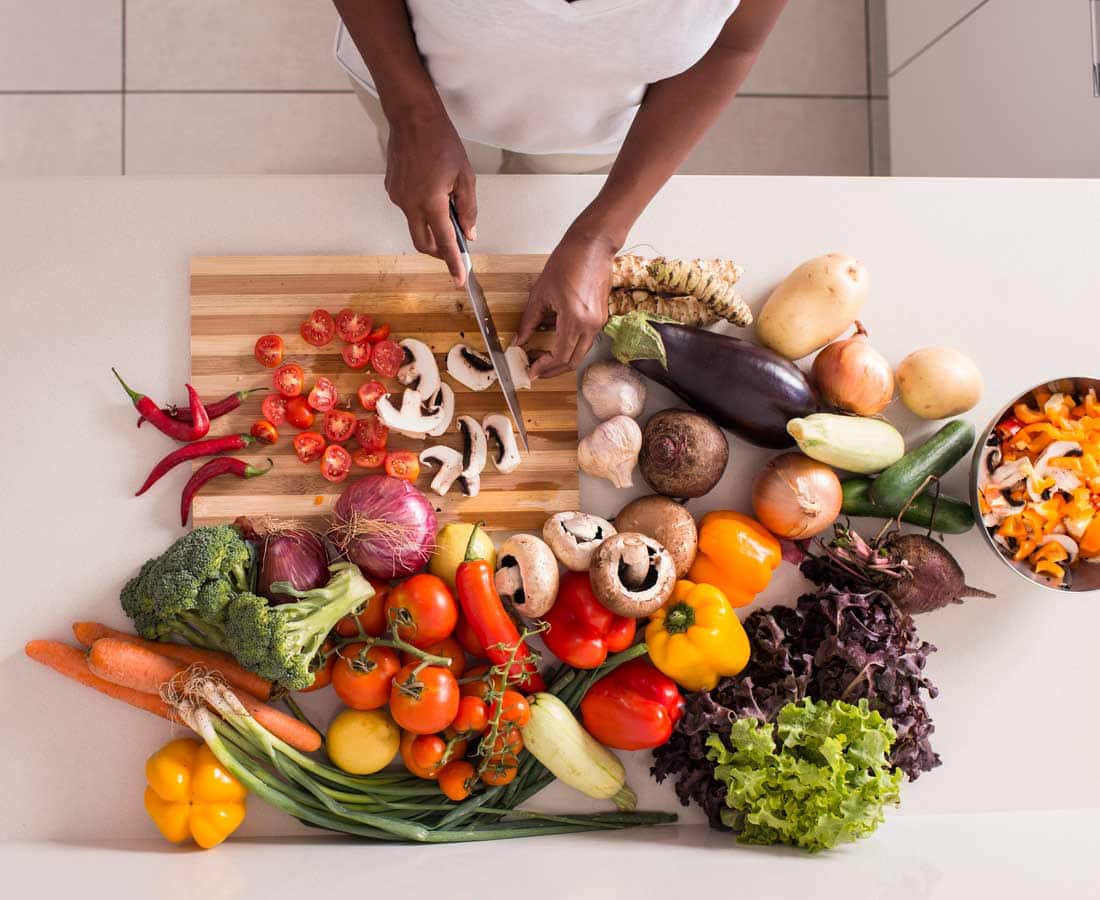
Washing produce appropriately before eating is also an important part of food preparation. Vegetables intended to be eaten raw should receive particular attention because there is no later cooking step to reduce microorganisms. Cutting vegetables shortly before cooking can also help preserve texture and make meal preparation more efficient.
Simple Ways to Eat More Vegetables
Increasing vegetable intake does not necessarily require completely changing familiar meals. Vegetables can be incorporated gradually into foods that are already part of a person’s routine. For example, chopped vegetables can be added to omelets, sandwiches, rice dishes, pasta, soups, or curries.
Practical habits can make this easier:
- Add at least one vegetable to lunch and dinner.
- Keep washed, ready-to-use vegetables available for quick meals.
- Rotate different colors and categories throughout the week.
- Experiment with roasting, steaming, grilling, and stir-frying.
The goal is variety and consistency rather than perfection. Someone who normally eats very few vegetables can begin by adding one familiar option to a daily meal and gradually explore different varieties. This approach can make dietary changes feel more realistic and sustainable.
Vegetables Across Different Cuisines
One reason vegetables remain important around the world is their adaptability. Indian cuisine uses vegetables in curries, sabzis, dals, stuffed dishes, pickles, and mixed preparations. Mediterranean cooking frequently combines vegetables with olive oil, herbs, grains, legumes, and cheese. East Asian cuisines use vegetables extensively in stir-fries, soups, noodle dishes, fermented preparations, and steamed meals.
The vegetables name may change between languages and regions, but the underlying diversity is remarkably broad. A vegetable familiar in one country may be prepared very differently somewhere else. Exploring international recipes can therefore be an effective way to make vegetable-based meals more interesting without depending on processed foods.
Storage and Reducing Food Waste
Proper storage can help vegetables maintain quality for longer. Some vegetables perform better in refrigeration, while others are better stored in a cool, dry environment. Leafy vegetables generally require more careful handling than firm root vegetables because they can lose moisture and freshness quickly.
Planning meals before shopping is one of the simplest ways to reduce waste. Buying realistic quantities and using delicate vegetables first can prevent unnecessary spoilage. Vegetables that are slightly past their ideal raw texture may still work well in soups, sauces, stews, or cooked dishes, provided they show no signs of spoilage.
Building a Balanced Plate With Vegetables
Vegetables are an important component of a balanced meal, but they do not need to replace every other food group. A nutritious plate can combine vegetables with protein-rich foods, whole grains or other carbohydrate sources, and appropriate amounts of healthy fats. This creates meals that are more varied and nutritionally complete.
For example, a simple meal might combine roasted vegetables with lentils and whole grains, while another could pair a vegetable curry with beans and rice. A salad could include several vegetables alongside eggs, tofu, chickpeas, or another protein source. The possibilities are extensive because vegetables work well with foods from almost every major culinary tradition.
Conclusion
Learning the vegetables name for different varieties is a simple starting point for understanding the enormous diversity of plant foods available for everyday meals. From leafy greens and colorful peppers to roots, cruciferous vegetables, gourds, tomatoes, beans, and many other varieties, each group offers distinctive flavors, textures, nutrients, and cooking possibilities. A healthy approach is not about finding one perfect vegetable or following a rigid menu. Instead, variety, freshness, sensible preparation, and consistent inclusion can make vegetables a practical part of everyday eating. By experimenting with different vegetables, cooking methods, cuisines, and seasonal produce, people can create meals that are nutritious, flavorful, and enjoyable while making their diets more diverse.