

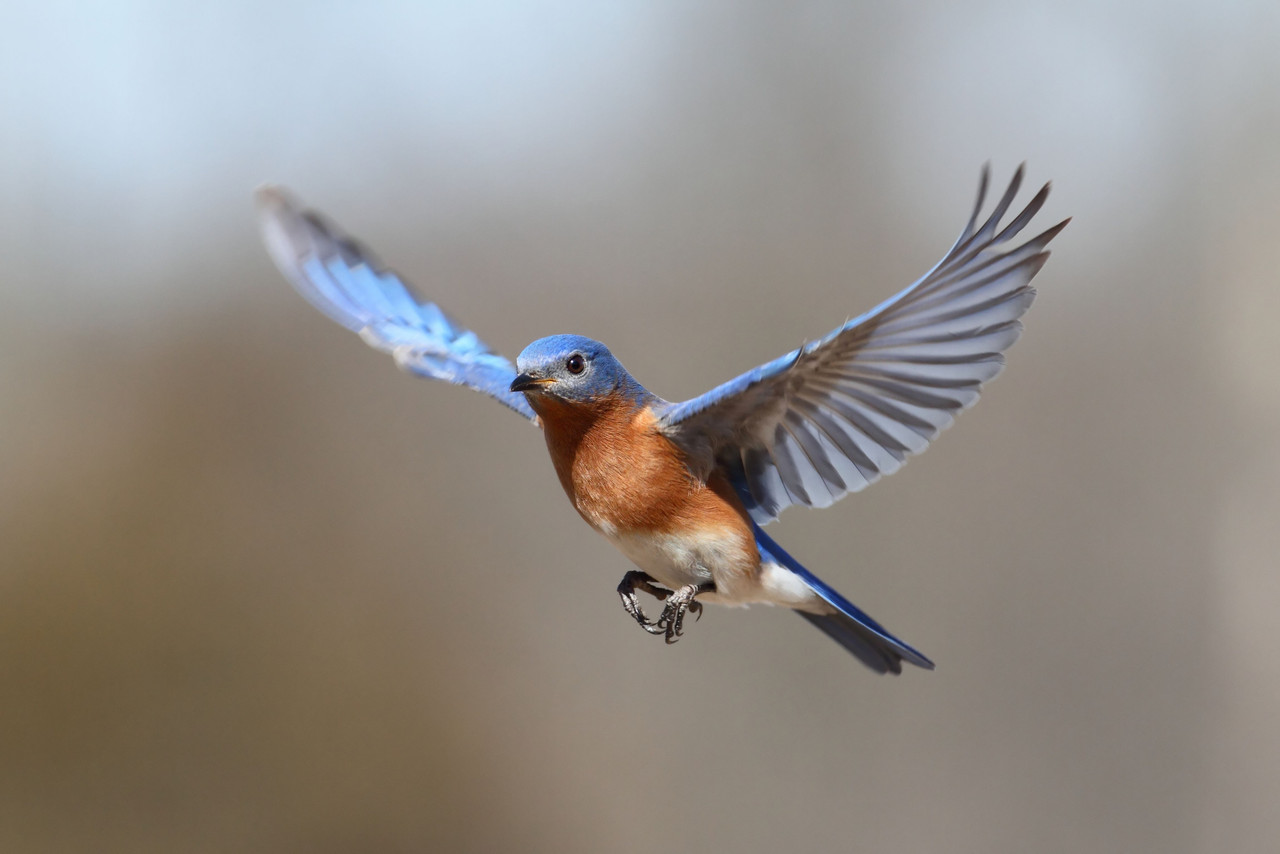

Birds are among the most fascinating and widely recognized animals on Earth. They can be found in almost every environment, from busy cities and farmland to forests, wetlands, mountains, deserts, and coastal regions. Their ability to fly, varied body shapes, colorful feathers, distinctive calls, and remarkable behaviors make them an important part of the natural world. Learning about birds can also help people understand how ecosystems function and why wildlife conservation matters.
When people search for birds name, they may be looking for examples of familiar species, information for school projects, identification help, or a simple way to learn about the diversity of birds. There are thousands of bird species worldwide, and each has characteristics that help it survive in its particular environment. Some birds are powerful hunters, while others feed mainly on seeds, fruits, nectar, or insects. Some spend most of their lives in one region, while migratory species travel enormous distances between breeding and feeding grounds.
What Are Birds?
Birds are warm-blooded vertebrates belonging to the class Aves. They are characterized by feathers, beaks, wings, and lightweight skeletons adapted for movement. Although flight is one of their most recognizable abilities, not every bird can fly. Penguins, ostriches, emus, cassowaries, and kiwis are examples of birds with very different lifestyles and physical adaptations.
Feathers perform several important functions. They can provide insulation, assist with flight, help birds communicate, and sometimes provide camouflage. Wing shape also varies according to lifestyle. Birds that soar for long periods often have broad wings, while species that move rapidly through dense vegetation may have shorter and more maneuverable wings. These differences demonstrate how evolution has shaped birds to survive in a wide range of habitats.
Common Types of Birds
The world contains an enormous variety of bird species, ranging from tiny hummingbirds to large flightless birds. When learning birds name, it is useful to group species according to their physical characteristics, habitats, diets, and behavior. Such grouping makes it easier to understand why different birds look and behave so differently.
Songbirds are one of the largest and most familiar groups. Sparrows, robins, bulbuls, finches, and many other small birds are known for their vocal abilities. Birds of prey form another important group and include eagles, hawks, falcons, and owls. These species have specialized talons, sharp beaks, and strong eyesight that help them locate and capture prey.
Waterbirds have adaptations suited to lakes, rivers, marshes, and coastal areas. Ducks, geese, herons, cranes, and flamingos are examples. Their legs, feet, bills, and feeding behaviors differ depending on whether they swim, wade, forage in shallow water, or search for food along shorelines. This diversity illustrates how habitat influences the physical development of bird species.
Popular Birds and Their Distinctive Features
Many birds are familiar because they live close to people or are commonly seen in parks, gardens, farms, and neighborhoods. Sparrows are small birds that often adapt well to human environments. Pigeons are highly adaptable and can thrive in cities as well as natural landscapes. Crows are known for their intelligence and ability to solve problems, while parrots are recognized for their strong beaks, colorful feathers, and impressive vocal learning abilities.
Peacocks are especially notable for their spectacular display feathers, while flamingos are famous for their long legs, curved bills, and pink coloration. Eagles represent powerful birds of prey, with strong talons and excellent vision. Owls have specialized facial structures and exceptional adaptations for hunting, particularly in low-light conditions.
The following table provides a simple overview of several familiar species and their general characteristics.
| Bird | Typical Habitat | Main Food | Notable Feature |
|---|---|---|---|
| Sparrow | Cities, gardens, farmland | Seeds and insects | Small size and adaptability |
| Eagle | Mountains, forests, open areas | Fish and animals | Powerful talons and eyesight |
| Peacock | Forest edges, farmland, parks | Plants, insects, small animals | Elaborate display feathers |
| Flamingo | Wetlands and shallow lakes | Algae and small organisms | Long legs and curved bill |
| Owl | Forests, grasslands, rural areas | Small mammals and birds | Nocturnal hunting abilities |
How Birds Adapt to Different Habitats
One reason birds are so successful is their ability to adapt to different environments. A desert bird must cope with high temperatures and limited water, while a mountain species may need to survive cold temperatures and thin air. Birds living in wetlands often have long legs or specialized bills that allow them to find food without moving through deep water.
Forest birds frequently rely on camouflage, sharp hearing, and maneuverability among branches. Coastal birds may have specialized feeding methods for finding fish, shellfish, or other marine organisms. Urban birds, meanwhile, have learned to use buildings, bridges, rooftops, gardens, and other human-made structures as shelter or nesting locations.
Some adaptations are immediately visible, while others are behavioral. For example, migration allows certain birds to move between areas with favorable food supplies and breeding conditions. Other birds remain in one territory throughout the year and adjust their feeding behavior according to seasonal changes.
Bird Diet and Feeding Habits
Bird diets vary considerably. Some species are primarily insectivores, catching insects in the air, on tree trunks, or among leaves. Others specialize in seeds and grains. Fruit-eating birds help spread seeds through their movements, while nectar-feeding birds can contribute to pollination as they visit flowers.
Birds of prey occupy an important position in many food chains. Eagles, hawks, falcons, and owls may consume rodents, fish, reptiles, insects, or other birds. Their presence can influence populations of prey species and contribute to ecological balance. Scavenging birds also perform an important function by consuming animal remains and helping return nutrients to ecosystems.
Understanding birds name and their feeding habits can therefore reveal more than just what individual species eat. Feeding relationships connect birds with plants, insects, mammals, reptiles, and other organisms, making them important participants in complex food webs.
Bird Communication and Social Behavior
Bird communication is remarkably diverse. Different species use songs, calls, body movements, feather displays, and other signals to interact with one another. A bird may use a particular call to warn others about danger, attract a mate, defend its territory, or communicate with its offspring.
Songbirds are particularly well known for vocal communication. In some species, young birds learn songs by listening to adults, much like a learning process. Birds can also respond to environmental sounds and modify their behavior based on what they hear. Parrots and certain other highly intelligent species can learn and reproduce a wide variety of sounds.
Social behavior also differs greatly. Some birds live mostly alone outside the breeding season, while others form large groups. Flocks can help individuals locate food, avoid predators, and travel efficiently. Cooperative behavior has been observed in several species, demonstrating that bird societies can be surprisingly complex.
How Birds Reproduce and Raise Their Young
Most birds reproduce by laying eggs. Nest construction, egg incubation, and parental care vary widely between species. Some birds build elaborate nests in trees, while others place eggs on cliffs, beaches, grasslands, or even directly on the ground. The structure and location of a nest often reflect the species’ habitat and vulnerability to predators.
After hatching, young birds may require considerable care. Parents can provide food, protection, warmth, and guidance as chicks develop. In some species, both parents participate in raising offspring, while in others, one parent performs most of the work. The length of parental care depends on factors such as body size, development rate, food availability, and nesting strategy.
Why Birds Are Important to Ecosystems
Birds contribute to ecosystems in many different ways. They can control insect populations, disperse seeds, pollinate flowers, consume carrion, and serve as prey for larger animals. Because birds respond to changes in food availability, weather, habitat quality, and pollution, scientists can also study bird populations to understand broader environmental changes.
Birds are particularly valuable in forests and agricultural landscapes. Fruit-eating species may transport seeds from one location to another, helping plants establish new growth. Insect-eating birds can consume large numbers of insects, while birds of prey can influence populations of smaller animals.
A healthy bird population can therefore be connected to the condition of the surrounding ecosystem. When habitats disappear or food sources decline, bird populations may experience pressure. Protecting birds consequently involves protecting the broader environments on which many other organisms also depend.
Threats Facing Birds Today
Birds face several environmental pressures. Habitat loss is one of the most significant because forests, wetlands, grasslands, and coastal areas are increasingly affected by development and changes in land use. Pollution can also create problems by contaminating food sources, water, and nesting environments.
Climate-related changes can alter migration timing, breeding conditions, food availability, and the distribution of species. Collisions with buildings, vehicles, and other structures can also affect birds, especially in areas with heavy development. Introduced predators and invasive species may create additional challenges for birds that evolved in isolated environments.
People can help reduce some of these pressures through responsible environmental practices. Useful actions include:
- Protecting native trees, plants, wetlands, and natural habitats.
- Keeping outdoor spaces free from unnecessary litter and pollutants.
- Providing safe water and suitable native vegetation where appropriate.
- Avoiding disturbance of active nests and wild birds.
Birdwatching as a Learning Activity
Birdwatching has become a popular way to connect with nature. It does not necessarily require expensive equipment or travel to remote locations. A quiet walk through a park, garden, woodland, or wetland can reveal several species within a short period.
Beginners can start by observing simple characteristics such as size, body shape, feather patterns, beak shape, behavior, habitat, and vocalizations. Keeping a notebook can make the experience more interesting because observers can record where and when they saw particular birds. Over time, repeated observations can reveal seasonal patterns and changes in local bird populations.
Learning birds name also becomes easier when identification is connected to visible characteristics rather than memorization alone. For example, noticing whether a bird has a long curved bill, broad wings, a distinctive tail, or a particular flight pattern can provide useful clues about its identity.
Interesting Facts About Birds
Birds display many abilities that continue to interest researchers and nature enthusiasts. Some species travel thousands of kilometers during migration. Others can navigate using environmental cues, remember locations, or recognize individuals. Certain birds have impressive problem-solving abilities and can use objects or modify their behavior to obtain food.
The smallest and largest birds also demonstrate the remarkable range within the group. Tiny species can have extremely rapid wing movements, while large flightless birds have evolved powerful legs rather than relying on flight. These differences show that there is no single lifestyle that defines all birds.
Another fascinating feature is the variety of beak shapes. A short, strong beak can help crack seeds, a hooked beak can tear food, and a long bill can help reach food in flowers or shallow water. Beak structure is closely connected with diet and survival, making it one of the useful features for understanding different birds.
How to Observe Birds Responsibly
Watching wild birds should always be done with care. Birds can become stressed when people approach nests too closely, make loud noises, chase them, or interfere with feeding and breeding activities. Responsible observation means maintaining a reasonable distance and allowing birds to behave naturally.
Photography should follow the same principle. Getting a photograph should never be more important than the welfare of the animal. In sensitive nesting areas, observers should follow local rules and avoid actions that could expose eggs or chicks to predators.
Respecting wildlife makes birdwatching more rewarding because the goal is to observe natural behavior rather than force an interaction. This approach also helps preserve good habitats for future generations of birds and birdwatchers.
Conclusion
Birds are an extraordinary part of the natural world, with species adapted to nearly every major habitat. Their feathers, wings, beaks, songs, migration patterns, feeding strategies, and social behaviors demonstrate the remarkable diversity that exists within the bird group. From familiar urban sparrows and pigeons to powerful eagles, colorful parrots, specialized wetland species, and unusual flightless birds, every species has its own role and survival strategy.