

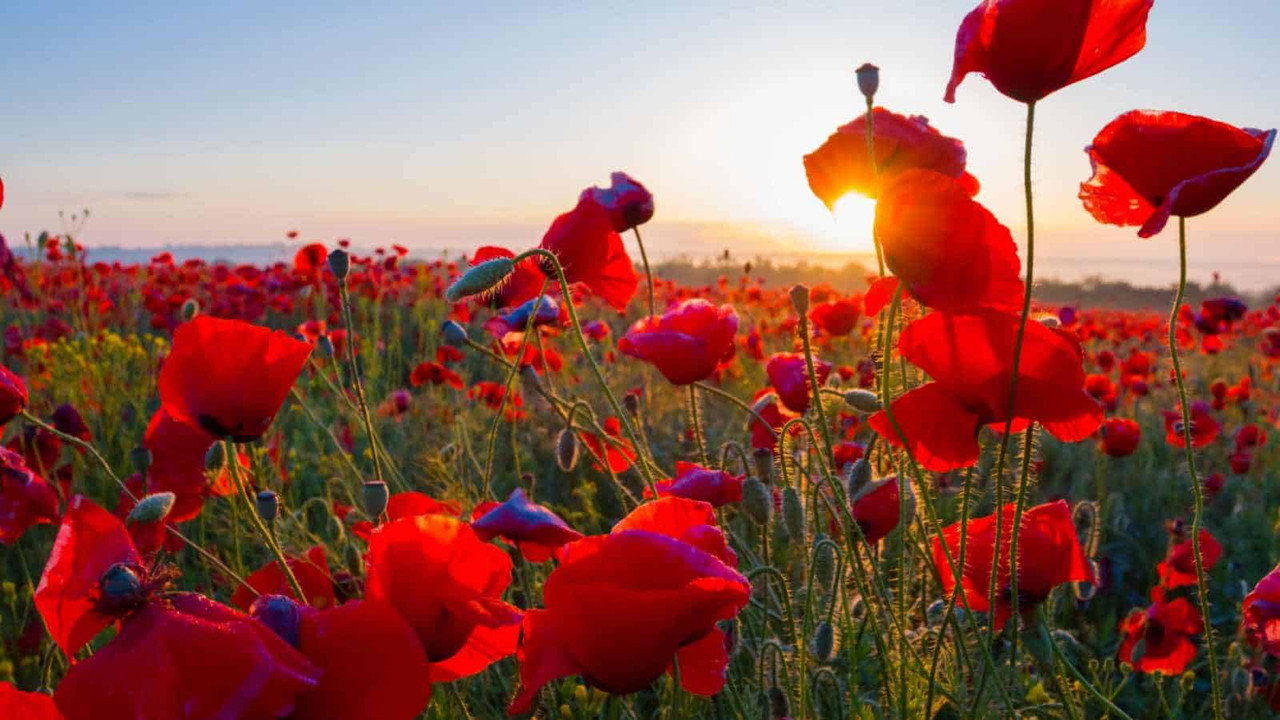

Flowers have a special place in nature, culture, gardening, and everyday life. They can brighten a landscape, attract pollinators, express emotions, and transform ordinary spaces into colorful environments. From delicate seasonal blooms to long-lasting garden favorites, every flower has characteristics that make it distinctive. Learning about flowers is therefore not simply about recognizing colors and shapes. It also involves understanding where different plants grow, how they are cared for, what they symbolize, and how they contribute to the surrounding ecosystem.
The world of flowers is remarkably diverse. Some varieties thrive in bright sunlight, while others prefer partial shade and cooler conditions. Some produce fragrant blossoms that fill a garden with a noticeable scent, whereas others are valued mainly for their unusual shapes or vivid colors. When people search for a flowers name, they may be looking for a particular bloom for gardening, decoration, gifting, landscaping, photography, or educational purposes. Knowing the differences between popular varieties can make it easier to select a suitable plant for a specific setting.
Flowers also change with seasons and local growing conditions. A plant that performs exceptionally well in one region may need additional care somewhere else because of differences in temperature, rainfall, soil, or sunlight. This makes flower selection an interesting combination of beauty and practical knowledge. Whether someone is creating a balcony garden, maintaining a backyard, planning an event, or simply learning about nature, understanding common flower varieties provides a useful foundation.
Understanding Different Types of Flowers
Flowers can be grouped in several ways, including by their life cycle, growing conditions, appearance, and season of bloom. Annual flowers generally complete their life cycle within one growing season, while perennial varieties can return for several years when their growing conditions are suitable. Biennial plants typically require two growing seasons to complete their natural life cycle. These differences are important because they affect how often gardeners need to replant and how a garden changes throughout the year.
Another useful distinction involves the conditions flowers prefer. Some varieties are considered sun-loving plants and perform best when they receive several hours of direct light each day. Others are better suited to filtered light or partial shade. Water requirements can also vary considerably. Flowers growing in containers may need more frequent attention because pots can dry out faster than garden soil. Understanding these basic characteristics helps prevent common gardening problems such as overwatering, poor flowering, weak growth, or root damage.
Popular Flowers and Their Characteristics
Rose
The rose is one of the most widely recognized flowers in the world and is available in an extensive range of colors, forms, and growth habits. Roses can grow as compact bushes, climbing plants, or larger landscape shrubs. Their flowers may be simple with fewer petals or highly layered with complex forms. Fragrance also varies between cultivars, making some varieties particularly attractive for gardens where scent is an important feature.
Roses generally benefit from good sunlight, fertile soil, adequate air circulation, and consistent watering. Regular pruning can help maintain their shape and encourage healthy new growth. They are frequently associated with love and appreciation, although different colors have developed different traditional associations. Because roses combine ornamental value with cultural significance, they remain popular for gardens, bouquets, celebrations, and decorative arrangements.
Lotus
The lotus is an aquatic flowering plant known for its distinctive leaves and elegant blooms. It grows naturally in ponds, lakes, and other suitable water environments. The flowers can appear in shades such as pink and white, while their broad leaves often rise above or rest on the water surface. In many cultures, the lotus has strong symbolic importance and is associated with purity, renewal, resilience, and spiritual traditions.

Growing lotus plants requires appropriate water depth, sunlight, and suitable containers or ponds. Unlike ordinary garden flowers, their roots and growing structure are adapted to aquatic environments. Their ability to produce striking flowers in muddy or wet surroundings is one reason the plant has attracted attention for centuries. Lotus varieties can also contribute visual interest to water gardens and carefully designed outdoor landscapes.
Sunflower
Sunflowers are immediately recognizable because of their large flower heads and bright appearance. Many varieties produce tall stems, although dwarf forms are also available for smaller gardens and containers. Their flowers are generally associated with warmth, optimism, and summer landscapes. Sunflowers are also valuable to wildlife because their seeds can provide food for birds and other animals.
These plants usually perform well in sunny locations and need enough space for their roots and stems. Taller varieties may require support in windy environments, especially when their flower heads become heavy. Their fast-growing nature makes sunflowers particularly interesting for children and beginner gardeners because changes in height and flower development can often be observed within a relatively short period.
Tulip
Tulips are popular spring-blooming flowers recognized for their cup-shaped blossoms and wide range of colors. They can be used in garden beds, containers, borders, and decorative displays. Depending on the variety, tulips may produce flowers in red, yellow, pink, purple, white, orange, or combinations of several shades.
Tulips are commonly grown from bulbs and require suitable seasonal conditions for successful flowering. In warmer climates, gardeners may need to pay particular attention to bulb selection and planting conditions because many tulip varieties perform best after an appropriate period of cool temperatures. Their relatively simple shape and strong colors make them especially attractive in organized garden designs.
Marigold
Marigolds are especially popular in many warm regions because they are generally adaptable and capable of producing abundant flowers. Their blooms commonly appear in shades of yellow, orange, and golden tones. They are frequently used in borders, containers, home gardens, and decorative displays. Their compact growth habit makes them useful when gardeners want continuous color without requiring large amounts of space.
Marigolds generally prefer sunlight and reasonably well-drained soil. Removing faded flowers can encourage continued blooming and keep plants looking tidy. Their bright appearance also makes them suitable for seasonal decorations and cultural celebrations. Because they are relatively approachable for beginner gardeners, marigolds are often among the first flowering plants people grow successfully.
Flower Colors and Their Traditional Meanings
Color plays an important role in how flowers are perceived. Although meanings can vary between cultures, traditions, and individual circumstances, certain associations have become widely recognized. Red flowers are often connected with strong affection and passion, while white flowers may suggest peace, innocence, or remembrance. Yellow blooms are frequently associated with happiness and friendship, while pink flowers can represent admiration, affection, or gentleness.
| Flower Color | Common Traditional Association | Typical Decorative Use |
|---|---|---|
| Red | Love, passion, strong affection | Romantic occasions and celebrations |
| White | Purity, peace, remembrance | Ceremonies and elegant arrangements |
| Yellow | Happiness, friendship, warmth | Cheerful gifts and summer displays |
| Pink | Admiration, affection, grace | Gifts, gardens, and celebrations |
| Purple | Elegance, mystery, admiration | Formal decoration and landscaping |
These meanings should not be treated as universal rules. A person’s choice may depend on personal memories, regional customs, cultural traditions, or simply aesthetic preference. In modern gardening and floral design, color combinations are often selected according to the atmosphere someone wants to create rather than a strict symbolic system.
How to Choose the Right Flowers for a Garden
Selecting a flower should begin with the growing environment rather than appearance alone. Before purchasing seeds or plants, gardeners should consider how much sunlight reaches the intended location, whether the soil drains effectively, how frequently the area can be watered, and what temperatures are typical throughout the year. A beautiful variety may struggle if it is placed in conditions that do not match its natural requirements.
Space is another important consideration. Large flowering plants can overwhelm a small balcony, while tiny varieties may disappear visually in a large landscape. Container gardening offers flexibility because plants can be moved when sunlight or weather conditions change. Gardeners should also think about flowering seasons so that different plants can provide color at different times rather than producing one brief period of blooms.
A practical selection process can include the following considerations:
- Amount of sunlight available each day
- Local temperature and seasonal conditions
- Soil drainage and moisture requirements
- Available garden or container space
- Desired flowering period and plant height
Choosing plants according to these factors usually produces a healthier and more visually balanced garden. It also reduces the need for excessive intervention because plants are more likely to receive conditions that support their natural growth.
The Role of Flowers in Supporting Pollinators
Flowers are more than decorative features. Many flowering plants provide nectar, pollen, or other resources for bees, butterflies, moths, birds, and other organisms. When pollinators visit flowers, they can transfer pollen between plants, supporting reproduction in numerous flowering species. This relationship is an important part of many ecosystems.
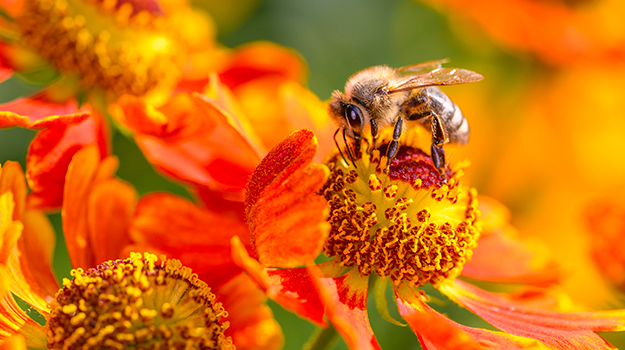
A garden designed with pollinators in mind can include several flower shapes, colors, and blooming periods. Providing different plants can help create a more consistent source of food throughout the growing season. Avoiding unnecessary disturbance of flowering plants and maintaining suitable habitats can also support local biodiversity. Even a relatively small balcony or container garden can contribute something to the urban environment when plants are selected thoughtfully.
Flowers in Homes, Celebrations, and Everyday Life
Flowers are commonly used to improve the appearance of homes and public spaces. A simple arrangement can add color to a dining table, entrance, bedroom, office, or outdoor seating area. Fresh flowers are also frequently used at weddings, festivals, birthdays, anniversaries, religious occasions, and community events. Their visual appeal allows them to communicate atmosphere without requiring complicated decoration.
Beyond decoration, flowers have emotional and cultural importance. People often give bouquets to celebrate achievements, express appreciation, welcome someone, or offer support during difficult moments. The choice of flower can sometimes carry a personal story, such as a favorite childhood flower or a variety connected to a memorable place. This emotional dimension helps explain why flowers continue to be meaningful even as decorative trends change.
Seasonal Flowering and Garden Planning
Seasonality is one of the most useful concepts for anyone interested in growing flowers. Some plants bloom primarily during spring, while others perform better during summer, autumn, or cooler months. Planning around flowering seasons can help maintain visual interest throughout the year. Instead of planting everything at once, gardeners can combine varieties with different blooming schedules.
Local climate is particularly important. In regions with hot summers, some delicate flowers may require protection from intense afternoon sunlight. In cooler regions, frost-sensitive plants may need to be grown during suitable months. Container gardening can make seasonal management easier because pots can sometimes be relocated to more favorable positions. Understanding local conditions is therefore more valuable than relying solely on general gardening advice.
Caring for Flowering Plants
Healthy flowering plants generally need an appropriate combination of sunlight, water, nutrients, air circulation, and suitable soil. However, the exact balance differs among species. Overwatering is a common problem because gardeners may assume that more water automatically means better growth. In reality, persistently wet soil can reduce oxygen around roots and encourage root problems.
Pruning and removing faded flowers can also improve the appearance of many plants. Some varieties respond well to regular trimming because it encourages branching and additional flowering. Fertilization should be based on the plant’s requirements rather than applied excessively. Observing the plant is often the simplest way to identify problems. Yellowing leaves, weak stems, poor flowering, or sudden wilting can indicate that growing conditions need adjustment.
Flowers and Sustainable Gardening
Sustainable gardening focuses on creating attractive outdoor spaces while using resources responsibly. Choosing plants that are naturally suited to the local climate can reduce unnecessary watering and maintenance. Native or well-adapted flowering plants can also provide valuable resources for local wildlife while fitting more naturally into the surrounding ecosystem.
Gardeners can further improve sustainability by collecting rainwater where appropriate, using organic matter to improve soil structure, reducing unnecessary chemical applications, and selecting durable plants rather than constantly replacing struggling varieties. A sustainable flower garden does not need to look wild or unorganized. With thoughtful planning, it can be both attractive and supportive of local biodiversity.
Why Learning Flower Names Matters
Learning a flowers name can seem like a simple identification exercise, but it provides a starting point for understanding the plant itself. Once a flower is correctly identified, gardeners can research its preferred soil, sunlight, watering schedule, flowering season, mature size, and potential benefits to pollinators. Correct identification therefore turns general curiosity into practical knowledge.
Flower names are also useful for communication. When gardeners, florists, educators, photographers, and plant enthusiasts discuss a specific variety, a recognized name makes it easier to understand exactly which plant they mean. This is particularly important because flowers with similar colors or shapes can sometimes be confused with one another. Building a vocabulary of common flower names can make exploring gardens and natural environments more rewarding.
Conclusion
Flowers bring together beauty, biology, culture, and practical gardening knowledge. From roses and lotuses to sunflowers, tulips, and marigolds, each variety offers something different in terms of appearance, growing requirements, seasonal behavior, and traditional significance. Understanding these differences allows people to make more informed choices when creating gardens, decorating spaces, selecting gifts, or simply appreciating nature.