

.jpg "Fruits Name: Explore Popular Varieties, Benefits, and Uses")
.jpg&description=Explore a complete list of fruits name, their nutritional benefits, seasonal varieties, and everyday uses to make healthier food choices for the whole family.)
Fruits are an essential part of a balanced diet, offering a delicious combination of natural sweetness, refreshing flavors, vitamins, minerals, and dietary fiber. From juicy mangoes and crisp apples to tangy oranges and sweet bananas, fruits come in countless varieties, each with its own taste, texture, and nutritional properties. They can be enjoyed fresh, blended into smoothies, added to breakfast bowls, or used in homemade desserts. Learning about different fruits helps people discover new flavors while making informed decisions about their daily food choices.
For students, parents, health-conscious individuals, and anyone learning about food, understanding the names of fruits is useful in many ways. It improves vocabulary, supports food education, and makes grocery shopping easier. A well-organized fruits name list can also help children recognize different varieties and understand how fruits contribute to a healthy lifestyle. In India, seasonal favorites such as mangoes, guavas, papayas, and watermelons are widely enjoyed, while fruits such as apples, kiwis, and pears add variety to everyday meals.
Fruits are available throughout the year, although their availability, flavor, and price often depend on the season and region. Choosing a diverse selection instead of eating only one or two familiar varieties can make meals more interesting and provide a wider range of nutrients. Whether you want to learn common fruit names, explore tropical varieties, or understand their nutritional value, this guide covers the essential information in a simple and practical way.
The world of fruits includes familiar everyday options as well as less common varieties that offer distinctive flavors. Some fruits are sweet and soft, while others are crisp, sour, juicy, or slightly bitter. Apples, bananas, oranges, grapes, mangoes, pineapples, and watermelons are among the widely recognized fruits. These varieties are popular because they are convenient to eat, easy to include in meals, and available in many markets. Other familiar choices include papaya, guava, pomegranate, chikoo, and sweet lime, which are particularly common in Indian households.
For learners building their vocabulary, a fruits name list is easier to remember when the names are grouped according to their appearance, taste, and everyday uses. For example, citrus fruits such as lemons and oranges have a refreshing taste, whereas bananas and mangoes are generally sweeter. Watermelons and muskmelons contain a high proportion of water, making them popular during hot weather. Apples and pears have a firm texture that makes them suitable for snacks and salads. Recognizing these differences makes it easier to select fruits for different meals and preferences.
Popular Fruits and Their Nutritional Benefits
Fruits contain a variety of nutrients that support normal body functions. Many provide vitamin C, potassium, folate, and dietary fiber, although the amounts differ considerably between varieties. Vitamin C contributes to normal immune function and collagen formation, while potassium supports healthy muscle function and fluid balance. Dietary fiber helps maintain regular bowel movements and can contribute to a feeling of fullness. Eating whole fruits is generally more beneficial than relying entirely on fruit juice because whole fruits retain their fiber.
Apples, for instance, provide fiber and are convenient for carrying to work or school. Bananas supply carbohydrates and potassium, making them a practical option before or after physical activity. Oranges provide vitamin C, while guavas are also notable for their vitamin C content. Papayas contain carotenoids and other nutrients, and pomegranates provide fiber and various plant compounds. No single fruit supplies every nutrient the body needs, so eating different varieties is a practical way to improve dietary diversity.
Nutritional Comparison of Everyday Fruits
The following table provides a general overview of commonly available fruits and the nutrients or characteristics associated with them. Nutrient content varies according to variety, ripeness, growing conditions, and serving size.
| Fruit | Notable nutrients or characteristics | Common uses |
|---|---|---|
| Apple | Dietary fiber, including pectin | Snacks, salads |
| Banana | Potassium, carbohydrates, vitamin B6 | Breakfast, smoothies |
| Orange | Vitamin C, folate | Snacks, fruit salads |
| Mango | Vitamins A and C, carotenoids | Desserts, smoothies |
| Guava | Vitamin C, dietary fiber | Fresh snacks, juices |
| Papaya | Vitamin C, carotenoids | Breakfast, fruit bowls |
| Watermelon | Water, lycopene | Summer snacks |
| Pomegranate | Fiber, polyphenols | Salads, garnishes |
| Pineapple | Vitamin C, manganese | Desserts, smoothies |
| Grapes | Carbohydrates, polyphenols | Snacks, fruit salads |
These fruits can contribute to a balanced eating pattern when consumed in suitable portions. However, their nutritional value should be considered alongside the rest of the diet rather than as a replacement for vegetables, whole grains, protein sources, or healthy fats.
Different Types of Fruits Around the World
Fruits can be grouped in several ways, including their growing regions, botanical characteristics, and culinary uses. Tropical fruits generally grow in warm climates and include mangoes, bananas, papayas, pineapples, and jackfruits. These fruits are especially popular in South and Southeast Asia, Africa, Central America, and other warm regions. Many tropical varieties have a naturally sweet flavor and can be eaten fresh or incorporated into cooked dishes, beverages, and desserts.
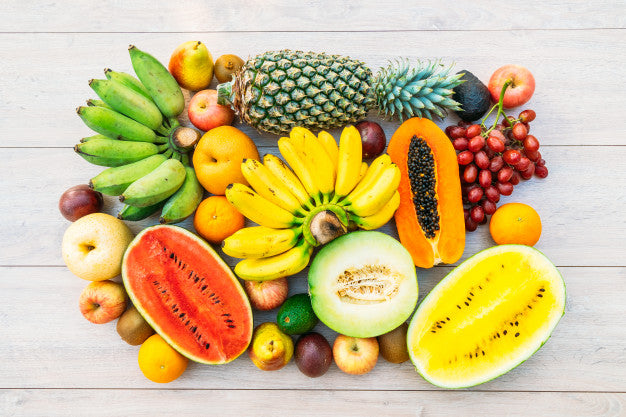
Temperate fruits, such as apples, pears, cherries, peaches, and plums, are commonly associated with regions that experience cooler seasons. Citrus fruits, including oranges, lemons, limes, and grapefruits, are another recognizable group. Berries such as strawberries, blueberries, raspberries, and blackberries are valued for their flavors and plant compounds. Although these everyday categories are useful for shopping and learning, botanical classifications can differ from culinary classifications. For example, strawberries are commonly called berries in cooking, but their botanical structure is different from that of true berries.
Tropical Fruits
Tropical fruits are known for their variety of colors, aromas, and textures. Mangoes can range from tangy to intensely sweet depending on the variety and ripeness. Papayas have soft orange flesh and a mild flavor, while pineapples offer a combination of sweetness and acidity. Jackfruit is especially versatile because ripe bulbs can be eaten as a sweet fruit, while young jackfruit is used as an ingredient in savory dishes. Dragon fruit, passion fruit, and lychee introduce additional flavors and textures for people interested in trying less familiar varieties.
In India, tropical fruits play an important role in seasonal eating and traditional food culture. Mangoes are particularly popular during summer, while bananas are available in many regions throughout the year. Guava is often eaten fresh with a little salt or seasoning, and papaya is commonly served at breakfast. These fruits are also used in regional recipes, demonstrating how fruit consumption can reflect local agriculture, food traditions, and personal preferences.
Temperate and Citrus Fruits
Temperate fruits offer a different range of flavors and textures. Apples and pears are often eaten raw because of their crisp flesh, while peaches, plums, and cherries can be enjoyed fresh or incorporated into baked dishes. Some varieties are suitable for storage over extended periods when kept under appropriate conditions. This makes them convenient options for households that prefer to purchase groceries in larger quantities.
Citrus fruits are recognized by their refreshing aroma and characteristic acidity. Oranges and sweet limes are commonly eaten fresh, while lemons are frequently used to add flavor to water, salads, and cooked foods. Grapefruits have a distinctive sweet-bitter taste. Citrus fruits are especially useful in everyday cooking because a small amount of juice or zest can enhance the flavor of a dish without requiring large quantities of added salt or sugar.
Seasonal Fruits and Their Importance
Seasonality affects the taste, availability, and price of many fruits. When fruits are harvested during their natural growing season, they may be more readily available from local producers and markets. Seasonal purchasing can also encourage people to explore different varieties throughout the year instead of depending on the same selection every month. However, the precise season varies according to climate, growing region, farming practices, and the particular variety.
In India, summer is associated with mangoes, watermelons, muskmelons, and lychees in many regions. The monsoon season brings different harvesting patterns depending on the state, while winter markets often feature oranges, guavas, strawberries, and several varieties of citrus fruits. Bananas, papayas, and some other fruits are available for much of the year. Modern transportation, cold storage, and imports have also made many fruits accessible outside their traditional seasons.
Choosing seasonal produce does not mean avoiding every fruit that is out of season. Frozen fruits can be useful alternatives, particularly when fresh varieties are expensive or difficult to find. Properly frozen fruit can retain much of its nutritional value, although its texture may change after thawing. The most practical approach is to select fruits that fit your budget, preferences, and local availability.
How to Choose and Store Fresh Fruits
Selecting good-quality fruit begins with observing its appearance, firmness, aroma, and condition. The ideal signs vary from one variety to another. A ripe mango usually develops a characteristic aroma and may soften slightly, while a ripe banana often has yellow skin. Apples should generally feel firm, and watermelons should be free from significant damage or soft, leaking areas. Color alone is not always a reliable indicator of ripeness because different varieties naturally have different appearances.
Storage also depends on the type of fruit and its stage of ripeness. Some fruits continue to ripen after harvesting, while others do not become significantly sweeter once picked. Refrigeration can slow deterioration for many varieties, but certain fruits develop better flavor when allowed to ripen at room temperature. Keeping fruit away from excess moisture, checking stored produce regularly, and removing spoiled pieces can help reduce food waste.
A few simple practices can make fruit shopping and storage more effective:
-
Choose fruit with the usual appearance and firmness of its variety.
-
Avoid produce with extensive bruising, leaking, or visible mold.
-
Refrigerate cut fruit promptly in a clean, covered container.
-
Wash fresh fruit under clean running water before eating or cutting it.
-
Keep ripe and unripe fruits separate when their storage needs differ.
These practices are useful for households of all sizes. Buying quantities that can be consumed before the fruit spoils is often more economical than purchasing large amounts simply because a variety is temporarily inexpensive.
Easy Ways to Include Fruits in Your Daily Diet
Fruits can be incorporated into meals without requiring complicated recipes. A banana or apple makes a convenient snack, while chopped mango, papaya, or berries can add flavor to breakfast. Fruit can also be combined with plain yogurt, oats, or unsweetened cereal to create a satisfying meal. For people who prefer savory food, small amounts of apple, pomegranate, or orange can add freshness and contrast to salads.

Blending fruit into a smoothie is another option, particularly when combined with yogurt, milk, or other ingredients that provide protein. However, it is worth distinguishing a whole-fruit smoothie from a strained juice. Juicing removes much of the fiber, and large servings of juice can make it easy to consume more sugar than intended. Whole fruit, cut fruit, and blended preparations that retain the pulp can all fit into a varied diet.
Fruit can also be used to make desserts more varied. Sliced bananas, baked apples, fresh berries, and mango pieces can provide sweetness without requiring as much added sugar in some recipes. Dried fruits such as raisins, dates, and figs are convenient and contain fiber and minerals, but they are more concentrated in calories and natural sugars because much of their water has been removed. Portion size is therefore worth considering.
Fruits Name for Students and Children
Learning fruit names is a simple way for children to develop vocabulary, recognize colors, and understand different food groups. Parents and teachers can make the activity engaging by showing pictures, using real fruits, and asking children to describe their shapes, colors, smells, and textures. Connecting a name with a familiar experience, such as eating a banana at breakfast or seeing a watermelon at a market, can make the word easier to remember.
A useful learning activity is to group fruits by color or taste. Children might identify red apples, yellow bananas, green guavas, orange papayas, and purple grapes. They can also learn that some fruits have edible seeds, while others contain large pits or stones that should not be swallowed. These activities combine language development with practical food knowledge.
For classroom exercises, spelling games and matching activities can help reinforce learning. Students can write the names of five familiar fruits, draw their favorites, or organize picture cards into groups. As their knowledge grows, they can explore less familiar varieties such as kiwi, dragon fruit, persimmon, and passion fruit. This makes learning both interactive and relevant to everyday life.
Conclusion
Fruits offer an appealing combination of flavor, convenience, and nutritional value. From everyday choices such as apples, bananas, and oranges to tropical favorites such as mangoes, papayas, and jackfruit, every variety brings its own characteristics to the table. Understanding different fruit categories, their seasonal availability, and their common uses can make shopping, meal planning, and food education more enjoyable. A well-rounded fruits name guide can help students expand their vocabulary while helping families discover new ingredients for everyday meals. The key is to enjoy a variety of fruits, choose fresh or properly stored options, and consider individual dietary needs. By including different colors, flavors, and textures throughout the week, people can make fruit a regular and enjoyable part of a balanced diet.