

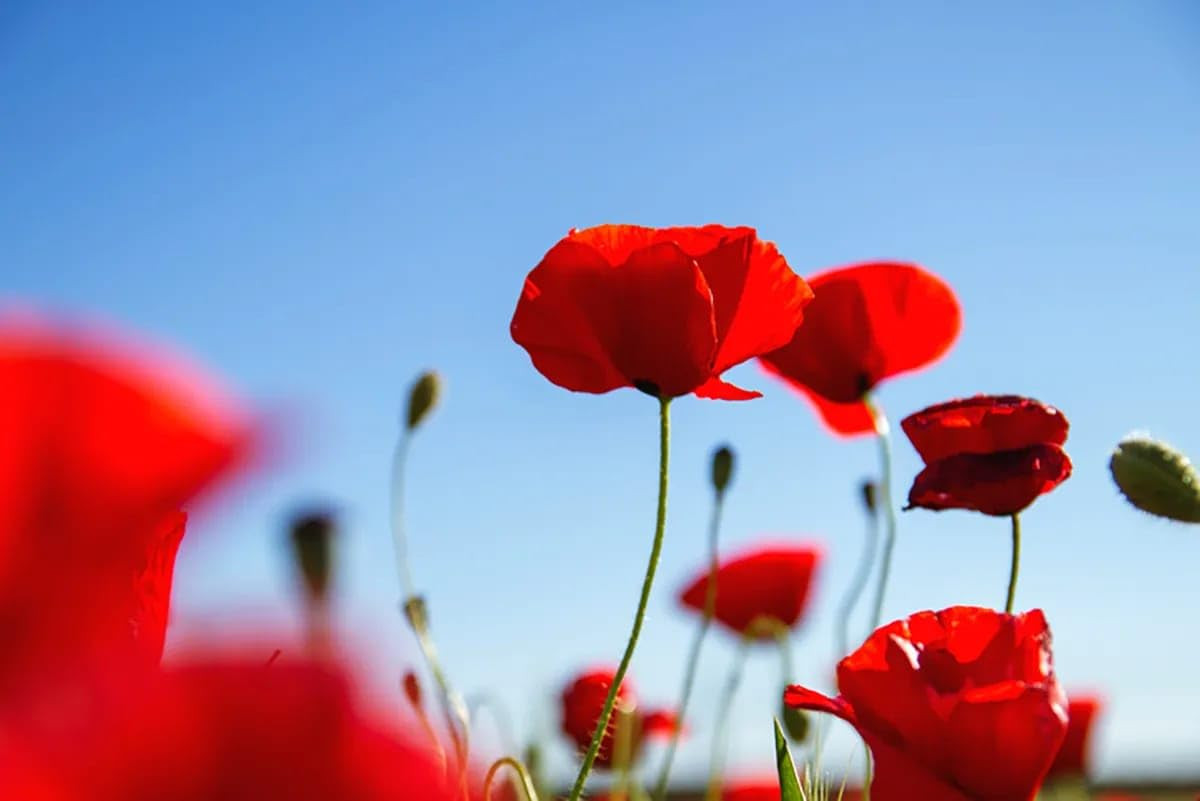

Flowers have a special place in nature, culture, gardening, celebrations, and everyday life. From the bright marigold growing in a home garden to the elegant rose used in a special celebration, flowers add color, fragrance, and character to almost every environment. Learning different flowers name can also make it easier to understand gardening choices, identify plants, select bouquets, and appreciate the remarkable variety found across different climates.
The world of flowers is much broader than a simple list of familiar varieties. Flowers differ in color, shape, fragrance, blooming season, growing conditions, symbolism, and maintenance requirements. Some thrive under strong sunlight, while others prefer partial shade. Certain varieties flourish in warm tropical conditions, whereas others perform better during cooler months. Understanding these differences can help gardeners and flower lovers make practical choices instead of selecting plants based only on appearance.
Why Learning Different Flowers Name Is Useful
Knowing different flowers name is useful for more than identifying plants. Gardeners can use flower names to research suitable soil, sunlight, watering requirements, propagation methods, and seasonal care. Someone planning a balcony garden, for example, may need compact flowering plants, while a person designing a large outdoor garden may prefer varieties that create height, borders, ground cover, or long-lasting seasonal color.
Flower names are also important when choosing arrangements for particular occasions. Roses are widely associated with love and affection, lilies are commonly used in formal arrangements, marigolds are strongly connected with celebrations in many parts of India, and sunflowers are recognized for their bright appearance and cheerful character. These associations can vary between cultures, but they demonstrate how flowers can communicate ideas without words.
Popular Categories of Flowers
Flowers can be organized in many ways, including by color, season, plant type, growing environment, or lifespan. Annual flowers generally complete their life cycle within one growing season, while perennial flowers can return for multiple years when grown under suitable conditions. Some flowering plants are also grown as bulbs, climbers, shrubs, or small trees.
The following table highlights several familiar flowers and some of their general characteristics:
| Flower | Common Colors | Typical Growing Preference | Common Uses |
|---|---|---|---|
| Rose | Red, pink, white, yellow | Sunlight and well-drained soil | Gardens, bouquets, gifts |
| Marigold | Yellow, orange | Sunlight and moderate watering | Decorations, gardens, festivals |
| Jasmine | White | Warm conditions and sunlight | Fragrance, gardens, traditional uses |
| Sunflower | Yellow | Full sunlight | Gardens, decoration, seeds |
| Lotus | Pink, white | Aquatic environments | Ponds, symbolism, decoration |
| Hibiscus | Red, pink, yellow, orange | Warm climate and sunlight | Gardens, landscaping |
| Tulip | Many colors | Cooler growing conditions | Gardens, bouquets |
| Lily | White, pink, orange, yellow | Well-drained soil and suitable light | Bouquets, gardens |
Roses and Their Timeless Appeal
Roses are among the most recognizable flowering plants in the world. Their popularity comes from their wide range of colors, distinctive blooms, fragrance, and versatility. Different rose varieties can be grown in home gardens, containers, landscape beds, and decorative arrangements. Their appearance can range from simple, open flowers to densely layered blooms with many petals.
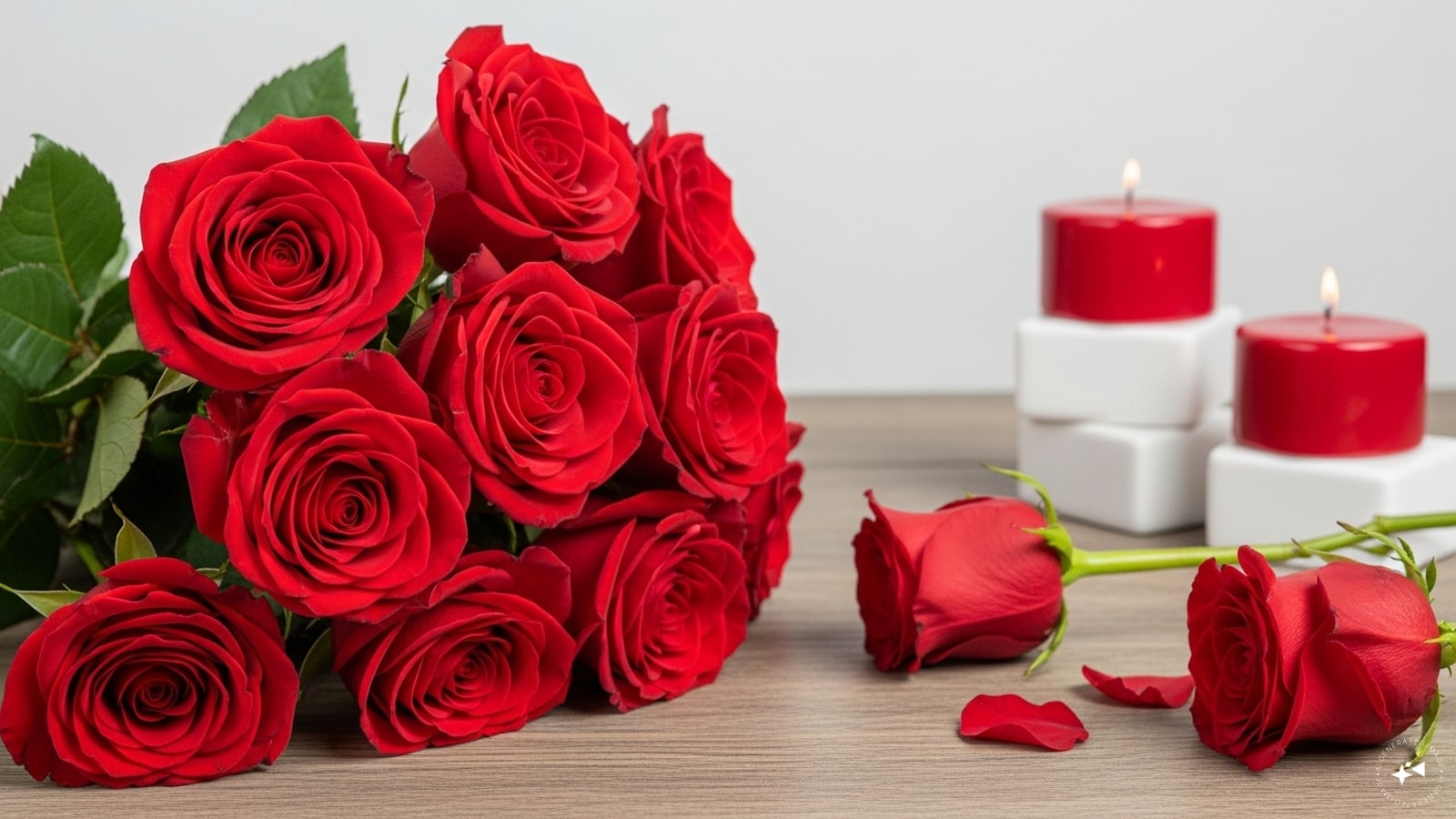
Red roses are commonly associated with romantic love, while pink roses can represent admiration, appreciation, or affection. White roses are often connected with elegance and purity, although meanings differ according to occasion and culture. From a gardening perspective, roses generally benefit from adequate sunlight, good air circulation, suitable soil drainage, and regular maintenance.
Marigolds in Gardens and Celebrations
Marigolds are especially familiar in Indian gardens and celebrations because of their vibrant yellow and orange flowers. They are valued for their bright appearance and relatively straightforward cultivation, making them popular with both experienced gardeners and beginners. Marigolds can be grown in containers, flower beds, borders, and decorative arrangements.
Their strong visual presence makes them useful when a garden needs immediate seasonal color. Regular removal of faded blooms can encourage continued flowering in many cultivated varieties. Because marigolds are available in different sizes and forms, gardeners can select compact plants for containers or taller types for beds and landscaping.
Jasmine and Fragrant Flowering Plants
Jasmine is particularly appreciated for its fragrance. While flowers are often selected for visual beauty, fragrant varieties provide another dimension to a garden by influencing the sensory experience of an outdoor space. Jasmine can be trained around supports or grown near patios, entrances, and windows where its scent can be enjoyed.
Growing conditions vary among jasmine species, but many prefer warm environments, adequate sunlight, and soil that does not remain waterlogged. In suitable climates, jasmine can become an important part of a home garden because its flowers combine decorative value with a recognizable fragrance.
Sunflowers and Their Bright Character
Sunflowers are easy to recognize because of their large flower heads and striking yellow appearance. They generally perform best where they receive substantial direct sunlight. Their tall growth makes them useful as a focal point in gardens, while dwarf varieties can be more practical for containers and smaller spaces.
Beyond their decorative value, sunflowers can also produce seeds that are useful for people and wildlife, depending on the variety. Their growth provides an interesting gardening experience because many varieties develop rapidly under favorable conditions. Gardeners should provide sufficient space and support where needed, especially for taller plants exposed to strong winds.
Lotus and Aquatic Beauty
The lotus is an aquatic flowering plant associated with ponds, water gardens, and cultural traditions. Its flowers rise above the water surface, creating a distinctive appearance that differs significantly from ordinary garden flowers. Pink and white lotus flowers are particularly familiar, although specific colors and forms depend on the variety.
Growing lotus requires a suitable aquatic environment rather than ordinary garden soil. A container or pond must provide enough space for the plant’s roots and leaves, while sunlight plays an important role in flowering. Because lotus plants can spread under favorable conditions, their placement should be considered carefully when designing a water garden.
Hibiscus and Tropical Gardens
Hibiscus is another widely recognized flowering plant, particularly in warm climates. Its large, colorful blooms can provide a strong visual feature in residential gardens, balconies, and landscape areas. Depending on the species and cultivar, flowers may appear in red, pink, yellow, orange, white, and other shades.
Hibiscus generally appreciates warmth, sunlight, adequate moisture, and fertile, well-drained soil. Regular pruning can help maintain a manageable shape and encourage new growth. For gardeners in warm regions, hibiscus can be a practical choice when the goal is to create a tropical or vibrant outdoor appearance.
Seasonal Flowers and Choosing the Right Variety
One of the most important aspects of selecting flowers is understanding the growing season. A plant that performs beautifully during cool weather may struggle when exposed to intense summer heat. Similarly, a warm-season flowering plant may grow poorly when temperatures remain low. Choosing varieties suited to local conditions can therefore make a significant difference.

In India, seasonal gardening can vary considerably between regions because climate, rainfall, humidity, and temperature differ from one state to another. Northern regions may have strong seasonal changes, while southern and coastal areas can support a broader range of tropical plants. Gardeners should consider local conditions rather than assuming that every flower will perform equally well throughout the country.
Factors to Consider Before Planting
A thoughtful selection process can prevent common gardening problems. Instead of choosing a flower solely because its bloom looks attractive, consider how the plant will fit into the available space and environment.
- Amount of sunlight available each day
- Local temperature and seasonal changes
- Soil drainage and moisture requirements
- Available space for mature plant growth
- Time available for watering and maintenance
These factors are particularly important for beginners. A low-maintenance flowering plant may be a better starting point than a variety requiring frequent pruning, specialized soil, or careful environmental control.
Flowers Name and Their Cultural Importance
The cultural meaning attached to flowers name can differ dramatically from one place to another. Flowers may appear in weddings, religious ceremonies, festivals, memorials, public celebrations, traditional medicine, artwork, and everyday home decoration. Their meanings are often shaped by history and local customs rather than by universal rules.
In India, flowers have a particularly visible role in festivals and traditional celebrations. Marigolds are frequently used for garlands and decorative displays, while jasmine is valued for its fragrance and traditional significance. Lotus flowers also carry strong cultural and symbolic associations. These examples show that flowers are not simply decorative plants; they can become part of community traditions and personal memories.
How Flowers Improve Outdoor Spaces
Flowers can transform an ordinary outdoor area by introducing seasonal color, texture, height, and movement. A carefully designed garden might combine low-growing flowers near pathways, medium-height plants in beds, and taller varieties toward the back. Combining different bloom periods can also help maintain visual interest across several months.
Flowers can contribute to biodiversity as well. Many flowering plants provide nectar or pollen that can attract bees, butterflies, and other pollinating organisms. Choosing a mixture of suitable flowering plants can therefore make a garden more visually interesting while supporting small forms of wildlife. The exact benefits depend on the plant species, local environment, and availability of suitable pollinators.
Growing Flowers Successfully at Home
Successful flower gardening does not always require a large yard. Containers, balconies, terraces, window boxes, and small outdoor corners can all support suitable flowering plants. The key is matching the plant’s mature size and growing requirements with the available environment.
Watering should be based on the needs of the particular plant rather than following one fixed schedule. Overwatering can damage roots, while insufficient moisture can cause wilting and poor flowering. Good drainage is equally important because many flowering plants struggle when their roots remain continuously saturated. Regular observation is often more useful than relying on a rigid routine.
Using Flowers for Decoration and Gifts
Flowers remain popular for birthdays, anniversaries, weddings, festivals, ceremonies, and other important occasions. Their colors and forms allow arrangements to be customized according to the atmosphere of an event. A bright arrangement can create an energetic feeling, while softer colors can produce a more elegant and understated appearance.
When selecting flowers as gifts, personal preference can be more meaningful than following traditional symbolism alone. Someone who loves fragrant flowers may appreciate jasmine, while another person may prefer colorful roses or cheerful sunflowers. Freshness, seasonal availability, arrangement quality, and the recipient’s preferences are practical considerations that can make a floral gift more thoughtful.
How to Explore More Flowers
For people beginning to learn flowers name, starting with familiar varieties is often easier than attempting to memorize hundreds of species at once. Learn the appearance, colors, growing conditions, and basic characteristics of common flowers first. Once those become familiar, less common varieties can be added gradually.
It can also help to observe flowers in different environments. A plant may look different depending on its growth stage, lighting conditions, cultivar, or surrounding vegetation. Keeping a simple gardening notebook with photographs, planting dates, flowering periods, and care observations can make identification and cultivation easier over time.
Conclusion
The diversity represented by flowers name reflects the extraordinary variety of flowering plants found across gardens, forests, wetlands, farms, balconies, and landscaped spaces. Roses, marigolds, jasmine, sunflowers, lotus, hibiscus, lilies, tulips, and countless other varieties each offer distinctive combinations of color, shape, fragrance, seasonality, and cultural meaning.