

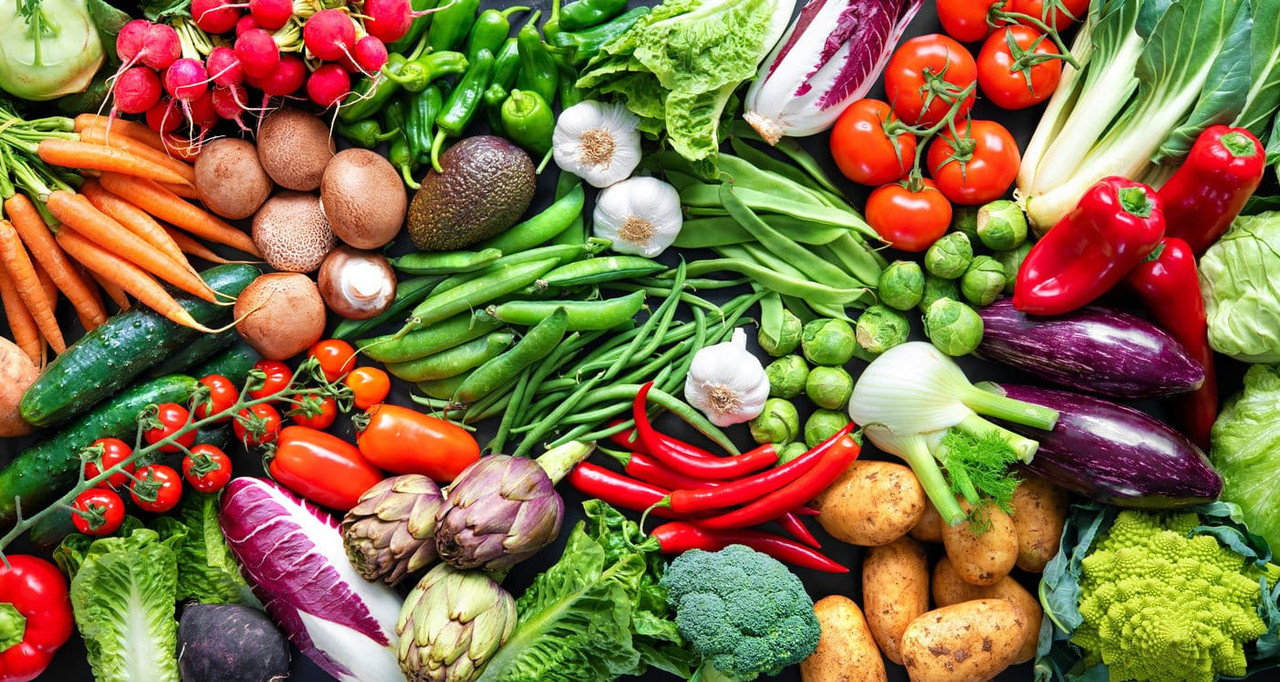
.jpg&description=Explore a useful vegetables name list featuring common green, leafy, root, and seasonal vegetables, along with their nutrients, health benefits, and cooking uses.)
Vegetables are an essential part of a balanced diet because they provide vitamins, minerals, dietary fiber, and other nutrients that support everyday health. From leafy greens and crunchy root vegetables to colorful seasonal varieties, each vegetable offers a different combination of taste, texture, and nutritional value. Including a variety of vegetables in daily meals can make food more enjoyable while helping people develop healthier eating habits. Whether you are preparing a family meal, planning a weekly grocery list, or teaching children about food, knowing different vegetable names is a useful starting point.
A vegetables name list can also help people understand the wide range of produce available in local markets. In India, vegetables such as potatoes, tomatoes, onions, spinach, cauliflower, and okra are common ingredients in everyday cooking. Other varieties, including broccoli, zucchini, bell peppers, and asparagus, are also becoming familiar in many kitchens. Availability depends on the season, location, farming practices, and local preferences, so exploring different varieties can introduce new flavors and meal ideas.
Learning about vegetables is not simply about memorizing names. It also involves understanding how vegetables are categorized, how they are prepared, and how they contribute to a nutritious diet. Some vegetables are commonly eaten raw, while others develop a better texture and flavor when steamed, roasted, boiled, or cooked with spices. This guide explores common vegetable varieties, their categories, nutritional characteristics, and practical ways to include them in everyday meals.
What Are Vegetables?
Vegetables are edible parts of plants that people commonly use in savory dishes, salads, soups, curries, and side dishes. These edible parts may include leaves, stems, roots, flowers, fruits, and seeds. For example, spinach is eaten for its leaves, carrots for their roots, and cauliflower for its flower structure. Celery is valued for its stalks, while peas are eaten as seeds found inside pods.
From a botanical perspective, some foods commonly called vegetables are technically fruits. Tomatoes, cucumbers, eggplants, pumpkins, and bell peppers develop from flowers and contain seeds. However, they are generally treated as vegetables in cooking because of their flavor profiles and typical culinary uses. Understanding this distinction helps explain why vegetable classifications can differ between science, gardening, and everyday food preparation.
Common Vegetables Name List
There are many vegetable varieties available around the world, and each region has its own traditional favorites. The following names represent commonly consumed vegetables that can be found in grocery stores, vegetable markets, home gardens, and kitchens.
| No. | Vegetable Name | Common Culinary Use |
|---|---|---|
| 1 | Potato | Curries, fries, mashed dishes |
| 2 | Tomato | Gravies, soups, salads |
| 3 | Onion | Seasoning, curries, salads |
| 4 | Carrot | Salads, soups, cooked dishes |
| 5 | Cabbage | Stir-fries, salads, rolls |
| 6 | Cauliflower | Curries, roasted dishes |
| 7 | Spinach | Saag, soups, fillings |
| 8 | Brinjal (Eggplant) | Curries, roasted dishes |
| 9 | Okra (Ladyfinger) | Stir-fries, curries |
| 10 | Cucumber | Salads, sandwiches |
| 11 | Radish | Salads, stuffed flatbreads |
| 12 | Beetroot | Salads, soups |
| 13 | Broccoli | Steamed dishes, stir-fries |
| 14 | Green Peas | Curries, rice dishes |
| 15 | Capsicum (Bell Pepper) | Stuffed dishes, stir-fries |
| 16 | Pumpkin | Soups, curries |
| 17 | Bottle Gourd | Curries, soups |
| 18 | Bitter Gourd | Stuffed dishes, stir-fries |
| 19 | Sweet Corn | Salads, soups, snacks |
| 20 | Green Beans | Stir-fries, steamed sides |
This list provides a practical introduction to everyday produce. Some vegetables, such as potatoes and onions, are valued for their versatility, while leafy greens are often selected for their nutrient content. Others, including cucumber and capsicum, add freshness, crunch, or color to meals. Trying different varieties throughout the week can help make a diet more varied without requiring complicated recipes.
Types of Vegetables Based on Their Plant Parts
Vegetables can be grouped according to the parts of plants that people eat. This classification makes it easier to understand their characteristics and discover varieties that may not be familiar. It is particularly helpful for students, home gardeners, cooks, and anyone learning basic food terminology.
Leafy Green Vegetables
Leafy vegetables are eaten mainly for their leaves and are often included in nutritious everyday meals. Common examples include spinach, lettuce, kale, fenugreek leaves, amaranth leaves, mustard greens, and coriander leaves. Many leafy vegetables provide folate, vitamin K, carotenoids, and dietary fiber, although their exact nutrient content varies. Spinach, for example, can be added to lentil dishes, omelets, soups, and traditional Indian preparations.
Leafy greens can be eaten raw when suitable for that purpose or cooked to soften their texture and develop their flavor. Washing them carefully under clean running water is important before preparation. Since leaves can wilt quickly, storing them in appropriate refrigeration and using them while fresh helps maintain their quality. Rotating different leafy varieties in meals also introduces a broader range of flavors and nutrients.
Root and Tuber Vegetables
Root vegetables grow primarily underground and store nutrients that support the plant. Carrots, radishes, beetroot, turnips, and sweet potatoes are common examples. Tubers, such as potatoes, are also widely grouped with vegetables in everyday cooking. These foods are useful ingredients because they can be boiled, roasted, steamed, mashed, or added to soups and curries.
Carrots are known for beta-carotene, which the body can convert into vitamin A. Potatoes provide carbohydrates and potassium, while sweet potatoes supply carbohydrates and can provide substantial beta-carotene, depending on the variety. Preparation methods influence the final nutritional profile: deep-frying adds more fat than boiling or steaming, while leaving edible skins on certain well-washed vegetables can preserve additional fiber.
Flower Vegetables
Flower vegetables are eaten mainly for their flower buds or related structures. Cauliflower and broccoli are two familiar examples. They can be steamed, roasted, stir-fried, or added to soups and mixed vegetable dishes. Their mild flavors allow them to work well with herbs, spices, garlic, and other ingredients.
Broccoli provides vitamin C, vitamin K, and fiber, while cauliflower is a versatile ingredient for people who enjoy lighter vegetable dishes. Both can become soft when overcooked, so using moderate cooking times helps preserve their texture. Roasting them with a small amount of oil and seasoning is one way to create a flavorful side dish without relying on heavy sauces.
Stem and Bulb Vegetables
Celery, asparagus, onions, garlic, and leeks are examples of vegetables commonly valued for their stems or bulb structures. Celery contributes crunch to salads and soups, while asparagus can be grilled, steamed, or roasted. Onions and garlic are important ingredients in many cuisines because their distinctive aromas provide a foundation for sauces, gravies, and cooked dishes.
These vegetables demonstrate how different plant structures contribute to flavor. Onions become sweeter as they cook, garlic develops a softer taste when roasted, and celery can add freshness to a dish. Using a mixture of stem and bulb vegetables can build flavor without requiring large quantities of salt or rich sauces.
Nutritional Benefits of Eating Different Vegetables
Vegetables contain a wide range of nutrients, and no single variety provides everything the body needs. Leafy greens may contribute folate and vitamin K, orange vegetables often provide carotenoids, and many vegetables supply vitamin C and fiber. Dietary fiber supports normal digestion, while vitamins and minerals contribute to functions such as immunity, bone health, and energy metabolism.
Color can offer a useful starting point when choosing produce, although it is not a complete measure of nutritional quality. Red tomatoes contain lycopene, orange carrots contain beta-carotene, and green vegetables can supply several vitamins and minerals. Purple varieties, such as purple cabbage and certain eggplants, contain different plant pigments. Eating a broad range of colors is a practical way to diversify nutrient intake rather than relying on just one or two familiar foods.
Vegetables may also help people manage their overall dietary pattern because many varieties provide substantial volume and fiber relative to their calorie content. This can support satisfying meals when vegetables are combined with suitable portions of protein, whole grains, pulses, and healthy fats. However, vegetables are not a substitute for a balanced diet, and their benefits depend partly on preparation, portion sizes, and the foods eaten alongside them.
How to Choose Fresh Vegetables
Choosing fresh produce starts with checking its appearance, firmness, smell, and overall condition. Vegetables should generally look reasonably fresh for their variety, without extensive mold, unusual sliminess, or significant decay. Leafy greens should not be excessively wilted, while carrots and radishes should feel firm rather than rubbery. Tomatoes and other produce may naturally vary in color and ripeness, so small differences do not necessarily indicate poor quality.
Seasonality is another useful consideration. Seasonal vegetables may be more readily available and affordable in local markets, although prices vary with weather, transport, demand, and farming conditions. Buying quantities that can be used before they spoil can reduce food waste. It is also worth exploring local produce rather than purchasing the same varieties every week, particularly when planning meals for a family.
Simple Tips for Selecting Vegetables
-
Choose produce that looks fresh and is free from extensive decay or mold.
-
Check leafy vegetables for excessive wilting or yellowing.
-
Select vegetables appropriate to your recipe and preferred level of ripeness.
-
Buy realistic quantities and store each variety according to its needs.
-
Wash produce under clean running water before preparing it.
Easy Ways to Include Vegetables in Daily Meals
Including vegetables in everyday meals becomes easier when they are treated as regular ingredients rather than occasional additions. A breakfast omelet can contain spinach, onions, and tomatoes, while lunch may include a mixed vegetable curry, lentils, and whole-grain roti. Dinner could feature roasted cauliflower, sautéed beans, or a vegetable soup served alongside another source of protein. These combinations provide variety without requiring a separate elaborate recipe for every vegetable.
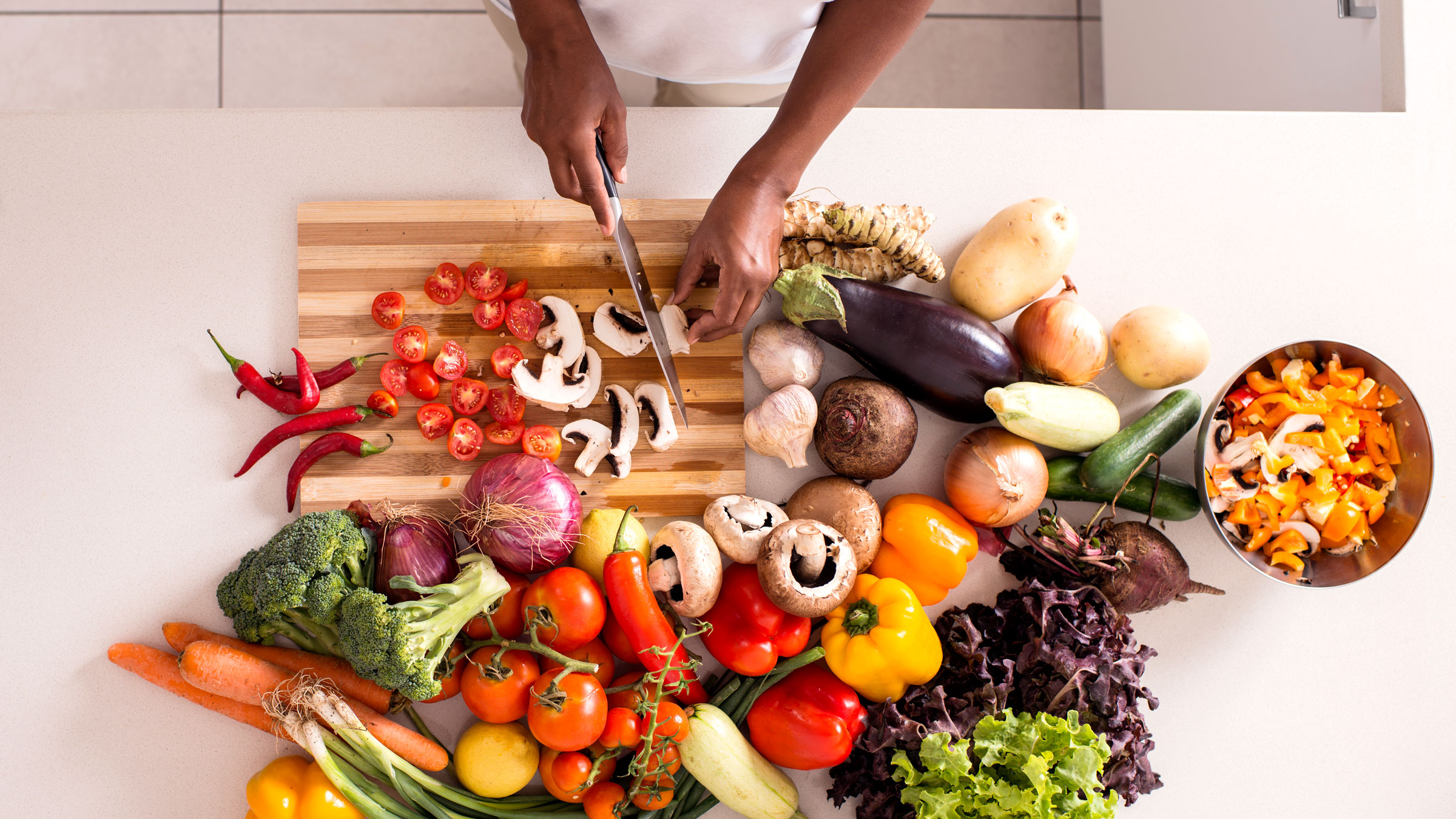
Snacks can also be an opportunity to eat more produce. Cucumber slices, carrot sticks, and tomatoes can be served with suitable dips, while boiled corn or lightly seasoned roasted vegetables can provide alternatives to heavily processed snacks. Frozen vegetables are another practical choice because they are convenient and can help maintain variety when fresh produce is unavailable. Properly frozen vegetables can retain much of their nutritional value.
Planning meals ahead makes it easier to use vegetables before they spoil. For example, a bag of carrots can be divided between salads, soups, and cooked dishes, while spinach can be used in a curry one day and added to a lentil preparation another day. Combining familiar vegetables with one new variety each week can also help children and adults develop broader food preferences.
Vegetable Storage and Food Safety
Proper storage helps maintain the quality of vegetables and reduces unnecessary waste. Many leafy vegetables benefit from refrigeration, while potatoes and onions are generally best kept in a cool, dry, well-ventilated place away from direct sunlight. Some produce, including tomatoes, may be stored at room temperature until ripe, depending on how soon it will be used. Storage requirements differ by variety, so avoiding one universal storage method is important.
Before eating or cutting vegetables, wash them thoroughly under clean running water. Avoid using soap or household cleaning products on produce. Remove damaged or spoiled portions when appropriate, and discard vegetables that show extensive mold, an unpleasant odor, or other signs of significant spoilage. Keep raw produce separate from raw meat and seafood during food preparation to reduce the risk of cross-contamination. Refrigerate cut vegetables promptly when they are not being served immediately.
Cooking methods also affect the final meal. Steaming and microwaving with a small amount of water can help retain certain water-soluble nutrients, while roasting creates a different texture and flavor. Some nutrients become more available after cooking, so a combination of raw and cooked vegetables can be a sensible approach. The best method is one that makes vegetables enjoyable, safe, and easy to include regularly.
Common Mistakes People Make When Eating Vegetables
One common mistake is eating only a small selection of vegetables because they are familiar or convenient. Potatoes, onions, and tomatoes are useful ingredients, but depending on them alone limits dietary variety. Adding leafy greens, legumes, cruciferous vegetables, and colorful produce can broaden the nutrients and flavors available in everyday meals.
Another mistake is assuming that every vegetable must be eaten raw to remain nutritious. Cooking can reduce certain heat-sensitive nutrients, but it can also soften plant structures and improve the availability of some compounds. Similarly, adding large amounts of butter, cream, salt, or deep-frying oil can change the nutritional profile of a dish. A balanced approach focuses on varied ingredients, appropriate cooking methods, and flavors that make meals satisfying.
People may also buy more produce than they can use, causing it to spoil before it reaches the table. Planning meals, checking existing supplies before shopping, and freezing suitable vegetables can help prevent this problem. A simple, repeatable meal routine is often more effective than purchasing many unfamiliar varieties without knowing how to prepare them.
Conclusion
Understanding different vegetable varieties is a practical way to improve meal planning, explore new recipes, and build healthier eating habits. From leafy greens and root vegetables to flower buds, bulbs, and edible stems, every category offers different flavors, textures, and nutritional characteristics. Familiar options such as carrots, spinach, potatoes, cabbage, and tomatoes can form the foundation of everyday cooking, while broccoli, asparagus, beetroot, and other varieties introduce additional diversity.