

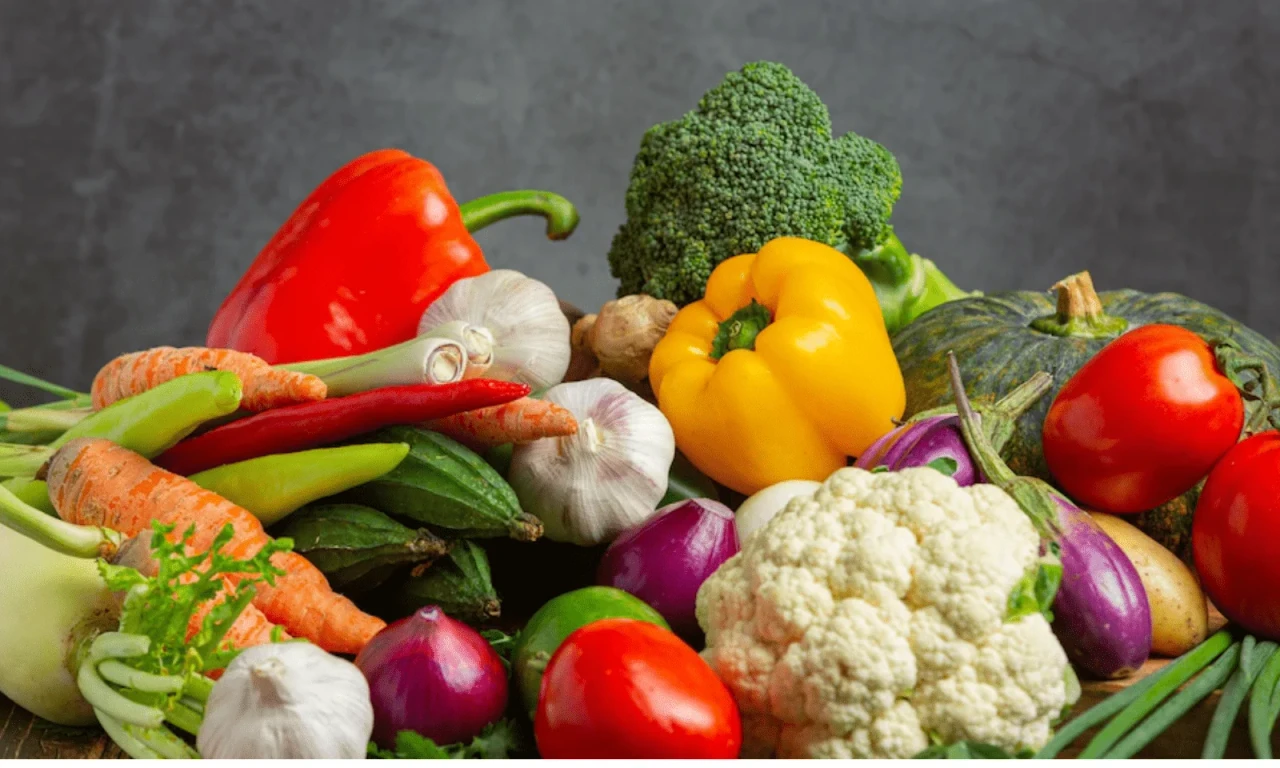

Vegetables are an essential part of a balanced diet, offering a wide variety of vitamins, minerals, fiber, and other nutrients that support overall health. From leafy greens and crunchy roots to colorful seasonal produce, vegetables add flavor, texture, and variety to everyday meals. They are used in traditional recipes, modern dishes, salads, soups, curries, sandwiches, and snacks across different cultures. Understanding different vegetables can help people make better food choices, plan balanced meals, and introduce more variety into their daily eating habits.
Learning the names of vegetables is also useful for students, parents, teachers, home cooks, and anyone interested in improving their food knowledge. Children can learn about colors and healthy eating, while adults can discover new ingredients for familiar recipes. In India, vegetables such as potatoes, tomatoes, onions, spinach, cauliflower, and okra are common kitchen staples, while broccoli, zucchini, asparagus, and Brussels sprouts are also becoming more familiar in many households. A good understanding of vegetables name makes grocery shopping easier and helps people identify produce in local markets.
What Are Vegetables?
Vegetables are edible parts of plants that are commonly used in savory dishes. Depending on the plant, the edible portion may be a leaf, root, stem, flower, fruit, or seed. Spinach is an example of a leafy vegetable, carrots are roots, celery is a stem, cauliflower is a flower structure, and peas are seeds. Although tomatoes, cucumbers, pumpkins, and bell peppers are botanically fruits, they are generally treated as vegetables in everyday cooking because of how they are prepared and served.
Vegetables differ in taste, appearance, texture, and nutritional composition. Some have a mild flavor, while others offer a strong aroma or a slightly bitter taste. Potatoes provide carbohydrates, leafy greens supply several vitamins and minerals, and many vegetables contribute dietary fiber. Eating a varied selection is more useful than relying on just one or two familiar choices because different vegetables contain different combinations of nutrients.
Different Types of Vegetables
Vegetables can be grouped according to the parts of plants that people eat. This classification makes it easier to understand their characteristics and remember their names. It also helps cooks choose suitable ingredients for particular dishes.
1. Leafy Green Vegetables
Leafy vegetables are known for their soft leaves and versatility in cooking. Common examples include spinach, cabbage, lettuce, fenugreek leaves, mustard greens, kale, and amaranth leaves. These vegetables can be used in salads, soups, stir-fries, parathas, and traditional Indian preparations. Spinach and fenugreek leaves are especially popular in Indian kitchens, where they are often combined with lentils, spices, or other vegetables.
Many leafy greens provide folate, vitamin K, and other important nutrients. Their fiber content can also support healthy digestion as part of a balanced diet. Some leaves are best eaten cooked, while tender varieties can be enjoyed raw when properly washed and handled. Rotating between different leafy greens is a practical way to add variety to meals.
2. Root Vegetables
Root vegetables grow underground and store energy for the plant. Carrots, radishes, beetroot, turnips, sweet potatoes, and ordinary potatoes are familiar examples. They vary considerably in flavor, with carrots offering natural sweetness, radishes providing a peppery bite, and beetroot having a distinctive earthy taste. These ingredients can be roasted, boiled, steamed, mashed, or added to soups and curries.
Root vegetables also differ nutritionally. Carrots contain beta-carotene, which the body can convert into vitamin A, while sweet potatoes provide carbohydrates and several vitamins. Potatoes are a useful source of energy and can be prepared in numerous ways. Their nutritional value as part of a meal depends partly on cooking methods, portion sizes, and the ingredients added during preparation.
3. Stem Vegetables
Stem vegetables are grown or harvested primarily for their edible stems. Asparagus, celery, bamboo shoots, and kohlrabi are examples. Some stems are crisp and refreshing, while others become tender when cooked. Celery is commonly used in salads, soups, and stocks, whereas asparagus can be steamed, grilled, or roasted with simple seasonings.
These vegetables add a different texture to meals and can make dishes more interesting. Celery provides fiber and water, while asparagus contains folate and other nutrients. Bamboo shoots are used in several Asian cuisines, usually after appropriate preparation. Their uses demonstrate how plant stems can provide variety beyond the more familiar roots and leaves.
4. Flower Vegetables
Flower vegetables are edible flower buds or flower structures. Cauliflower, broccoli, and globe artichokes belong to this group. Cauliflower is widely used in Indian dishes such as aloo gobi, vegetable pulao, and pakoras. Broccoli can be steamed or roasted, while artichokes are prepared in different ways depending on the variety and local cooking traditions.
Broccoli and cauliflower belong to the same botanical family as cabbage and kale. They provide fiber and several vitamins, and they can be incorporated into meals without complicated preparation. Steaming, roasting, and light sautéing are practical cooking methods that preserve their texture and allow their natural flavors to stand out.
5. Fruit Vegetables
In everyday cooking, some botanical fruits are classified as vegetables. Tomatoes, cucumbers, eggplants, pumpkins, zucchini, okra, and bell peppers are common examples. They appear in savory meals because of their flavor and culinary uses. Tomatoes are essential in many sauces and curries, while cucumbers are popular in salads, raitas, and refreshing snacks.
Eggplants absorb flavors well and work in roasted dishes, curries, and stuffed preparations. Bell peppers add color and crunch to stir-fries, while pumpkins can be cooked into soups, curries, and other comforting dishes. Okra, known as bhindi in India, is frequently sautéed or cooked with spices. These ingredients demonstrate why culinary classifications do not always match botanical definitions.
6. Seed and Pod Vegetables
Peas, green beans, broad beans, and several other edible pods are commonly included among vegetables. Green peas are used in pulao, curries, soups, and snacks, while green beans can be steamed, stir-fried, or combined with potatoes and spices. Their mild flavors make them suitable for family meals and mixed vegetable dishes.
Peas and beans can contribute fiber and plant-based protein, although their nutritional composition varies. They also add texture and color to meals. Fresh, frozen, and properly stored varieties can all be convenient options, allowing people to prepare vegetable dishes even when certain fresh ingredients are unavailable.
A List of Common Vegetables Name in English
The following table provides examples of familiar vegetables and their everyday culinary uses. Regional names and availability may differ depending on the country, season, and local market.
| Vegetable Name | Category | Common Use |
|---|---|---|
| Potato | Root or tuber | Curries, fries, mashed dishes |
| Carrot | Root | Salads, soups, mixed vegetables |
| Spinach | Leafy green | Dal, saag, soups |
| Cauliflower | Flower | Curries, roasted dishes |
| Tomato | Fruit vegetable | Sauces, salads, curries |
| Onion | Bulb | Gravies, salads, seasoning |
| Radish | Root | Salads, parathas |
| Beetroot | Root | Salads, juices, cooked dishes |
| Cabbage | Leafy head | Stir-fries, salads |
| Broccoli | Flower | Steamed sides, soups |
| Eggplant | Fruit vegetable | Bharta, curries |
| Okra | Fruit vegetable | Bhindi fry, curries |
| Cucumber | Fruit vegetable | Salads, raita |
| Green peas | Seed | Pulao, curries, soups |
| Bell pepper | Fruit vegetable | Stir-fries, stuffed dishes |
| Pumpkin | Fruit vegetable | Soups, curries |
| Sweet potato | Root | Roasted dishes, snacks |
| Green beans | Pod | Steamed sides, mixed vegetables |
| Bitter gourd | Fruit vegetable | Stuffed dishes, stir-fries |
| Turnip | Root | Soups, stews, curries |
Nutritional Benefits of Eating Vegetables
Vegetables contribute to a balanced diet by providing a range of nutrients that the body needs for normal functioning. Leafy greens can supply vitamin K and folate, orange vegetables often provide carotenoids, and many vegetables contribute vitamin C and potassium. Dietary fiber found in vegetables supports regular bowel movements and can help people feel satisfied after meals. Eating a range of vegetables is therefore a practical way to improve dietary variety without depending on a single ingredient.
Vegetables also contain plant compounds, including carotenoids and polyphenols, that are studied for their roles in human health. However, no single vegetable provides every nutrient a person needs, and eating vegetables does not guarantee protection against disease. Their benefits are best understood as part of an overall eating pattern that includes suitable amounts of fruit, whole grains, protein sources, and healthy fats.
How to Include More Vegetables in Daily Meals
Adding vegetables to daily meals does not require complicated recipes or expensive ingredients. Small changes can make a difference. For example, chopped spinach can be added to dal, grated carrots can be mixed into parathas, and peas can be included in rice dishes. A bowl of seasonal vegetables alongside roti or rice can also make a familiar meal more varied and satisfying.
Here are a few practical ways to increase vegetable intake:
- Add at least one vegetable to lunch and dinner.
- Choose seasonal produce when it is fresh and affordable.
- Combine vegetables of different colors and textures.
- Keep washed and appropriately stored vegetables ready for quick cooking.
- Try unfamiliar varieties in simple recipes before preparing complicated dishes.
Fresh produce is a useful option, but frozen vegetables can also provide convenience and nutritional value. Canned vegetables may be suitable too, although checking sodium levels and draining or rinsing certain products can help manage salt intake. The best choice is often the one that fits a household’s budget, availability, cooking routine, and dietary needs.
Tips for Buying and Storing Vegetables
Choosing good-quality vegetables begins with checking their appearance, firmness, and freshness. Leafy greens should generally look fresh rather than excessively wilted, while firm vegetables should not have extensive soft spots or visible decay. Roots such as carrots and radishes should feel reasonably firm. Avoid produce with signs of mold, unusual leaking, or significant deterioration.
Storage needs vary between vegetables. Many leafy greens and other perishable items should be refrigerated, while some produce benefits from storage in a cool, dry, well-ventilated place. Keep raw vegetables separate from raw meat and seafood to reduce the risk of cross-contamination. Wash vegetables under clean running water before preparation, and avoid using soap or household detergents on produce. Buying quantities that can be used before spoilage also helps reduce food waste.
Seasonal Vegetables and Their Importance
Seasonal vegetables can offer practical advantages because they are often more readily available in local markets during their natural growing periods. In India, the selection changes according to regional climate, rainfall, and farming practices. Winter markets in many areas feature produce such as carrots, peas, cauliflower, radishes, and leafy greens, while other vegetables are available across longer periods depending on the region.
Choosing seasonal produce can also encourage variety in home cooking. Instead of preparing the same vegetable dishes throughout the year, families can adapt recipes to what is readily available. Seasonal availability does not automatically guarantee a lower price or higher nutrient content in every situation, but checking local markets can help households find convenient and economical ingredients.
Common Mistakes to Avoid When Eating Vegetables
One common mistake is relying on a very small selection of vegetables every week. Although potatoes, onions, and tomatoes are useful kitchen staples, regularly including leafy greens, roots, pods, and other varieties creates a more diverse diet. Another mistake is assuming that vegetables must always be eaten raw to retain their nutritional value. Cooking methods affect different nutrients in different ways, and some vegetables become easier to eat or digest after cooking.
Overcooking vegetables until they lose their texture may reduce the appeal of a meal, while excessive frying or adding large amounts of salt, butter, or rich sauces can change its overall nutritional profile. A more balanced approach is to vary preparation methods, use seasonings thoughtfully, and select cooking techniques that suit each ingredient. Steaming, roasting, boiling, and sautéing can all fit into a healthy eating routine.
Conclusion
Understanding different vegetables helps people make informed food choices, discover new recipes, and create more balanced meals. From leafy spinach and underground carrots to flower vegetables such as cauliflower and broccoli, each category offers distinct flavors, textures, and culinary possibilities. Learning vegetables name is useful for children, students, home cooks, and anyone who wants to improve their everyday food knowledge. The most practical approach is to eat a variety of vegetables, choose produce that suits the season and budget, store ingredients safely, and prepare them using different cooking methods. There is no need to make every meal complicated or expensive. Simple additions such as peas in rice, spinach in dal, carrots in salads, or seasonal vegetables alongside roti can gradually make everyday eating more varied. With a little planning and experimentation, vegetables can become an enjoyable and regular part of a balanced lifestyle.