

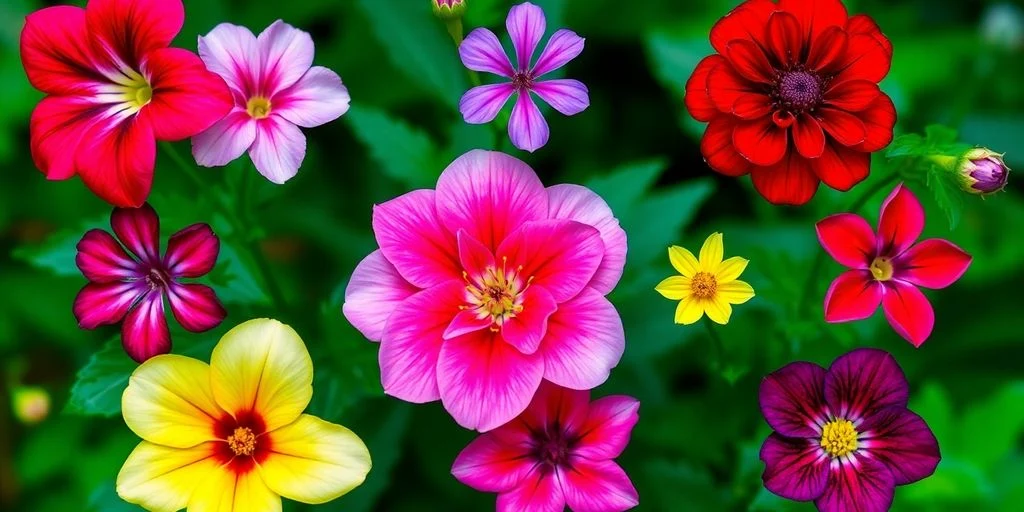
.webp&description=Explore flowers name lists with popular varieties, colors, meanings, and uses. Discover beautiful garden flowers, seasonal blooms, and tips for choosing them.)
Flowers are among the most beautiful parts of nature, bringing color, fragrance, and life to gardens, homes, parks, and special occasions. From the delicate petals of a daisy to the elegant appearance of a rose, every flower has distinctive characteristics that make it special. Some flowers are admired for their fragrance, while others are valued for their bright colors, medicinal traditions, cultural importance, or ability to attract butterflies and bees. Learning the names of different flowers helps people recognize these natural beauties and understand how they grow.
Knowing a flowers name is useful for students, gardening enthusiasts, nature lovers, florists, and anyone who enjoys decorating their surroundings. It can help children improve their vocabulary, assist gardeners in selecting suitable plants, and make it easier to choose flowers for birthdays, weddings, festivals, and other celebrations. Flowers are also closely connected with emotions, with different varieties often representing love, friendship, happiness, remembrance, and new beginnings.
There are thousands of flowering plant species worldwide, ranging from tiny wildflowers to large tropical blooms. Some grow best in warm climates, while others thrive in cooler conditions or specific seasons. In this guide, you will discover popular flower varieties, their colors, meanings, common uses, and practical tips for growing and selecting them.
Popular Flowers Name List Around the World
Flowers come in an incredible range of shapes, sizes, and colors. Certain varieties have become internationally recognized because of their beauty, fragrance, cultural significance, or popularity in gardens and floral arrangements. Roses, tulips, lilies, sunflowers, orchids, and marigolds are among the familiar examples found in homes, gardens, and flower markets.
Although many flowers share similar colors, their appearances and growing requirements can differ considerably. Some require direct sunlight for several hours each day, while others prefer filtered light and moist soil. Understanding these differences makes it easier to identify flowers and choose appropriate varieties for different environments.
Here is a table featuring several popular flowers, their characteristic colors, and their common uses.
| Flower name | Common colors | Popular uses |
|---|---|---|
| Rose | Red, pink, white, yellow | Gifts, gardens, decorations |
| Sunflower | Yellow, orange | Gardens, seeds, floral displays |
| Lotus | Pink, white | Ponds, cultural decoration |
| Jasmine | White, cream | Fragrance, gardens, garlands |
| Marigold | Yellow, orange | Festivals, borders, decorations |
| Tulip | Red, pink, purple, yellow | Bouquets, spring gardens |
| Lily | White, pink, orange | Floral arrangements, gardens |
| Daisy | White, yellow, pink | Gardens, bouquets |
| Orchid | Purple, white, pink | Indoor decoration, gifts |
| Hibiscus | Red, yellow, pink | Tropical gardens, landscaping |
| Lavender | Purple, blue | Fragrance, ornamental gardens |
| Chrysanthemum | Yellow, white, pink | Gardens, seasonal displays |
These flowers are popular for different reasons. For example, sunflowers are recognizable because of their large flower heads, while jasmine is valued for its sweet fragrance. Lotus plants are associated with ponds and aquatic environments, and orchids are appreciated for their distinctive shapes and long-lasting ornamental appeal.
Different Types of Flowers and Their Characteristics
1. Rose
Scientific name: Rosa species
The rose is one of the world’s best-known ornamental flowers. It is available in numerous colors, including red, pink, white, yellow, orange, and purple-toned varieties. Roses are frequently associated with affection, romance, appreciation, and admiration, although their meanings can vary depending on color and cultural tradition. Their layered petals and attractive fragrance make them popular choices for bouquets, gardens, and special occasions.
Rose plants generally grow well in locations that receive several hours of sunlight and have well-draining soil. Regular watering, appropriate pruning, and monitoring for pests can help maintain healthy growth. Different rose varieties have different requirements, so selecting a plant suited to the local climate is important. Some roses grow as compact bushes, while climbing varieties can cover fences, walls, and garden arches.
2. Sunflower
Scientific name: Helianthus annuus
Sunflowers are famous for their large yellow petals and prominent central disks. Their cheerful appearance makes them popular in gardens, landscape designs, and floral arrangements. Depending on the variety, sunflower plants may grow a few feet tall or reach impressive heights. Their seeds are also valued as a food source, and the flowers can attract pollinators when grown in suitable conditions.
Sunflowers generally prefer full sunlight and soil that drains well. They are often planted during warmer months, although the best planting time depends on the local climate. Smaller varieties can be grown in suitable containers, while taller types usually need more space. Once established, sunflowers can add height and visual interest to garden beds and open landscapes.
3. Lotus
Scientific name: Nelumbo nucifera
The lotus is an aquatic flowering plant recognized for its broad leaves and attractive blossoms. Pink and white are among its familiar flower colors. Lotus plants have an important place in several Asian cultural and artistic traditions, where they may symbolize purity, resilience, renewal, and spiritual growth. Their ability to grow in muddy water while producing elegant flowers contributes to their symbolic importance.
Lotus plants require an appropriate aquatic environment, sufficient warmth, and plenty of sunlight for healthy development. They are commonly grown in ponds and large water containers rather than ordinary garden beds. Their growth habits differ from those of water lilies, even though the two plants are sometimes confused because both produce floating or elevated leaves and beautiful water flowers.
4. Jasmine
Scientific name: Jasminum species
Jasmine is widely appreciated for its delicate flowers and distinctive fragrance. Many varieties produce white or cream-colored blossoms, although flower appearance differs among species. Jasmine plants are used in gardens, garlands, decorative arrangements, and traditional fragrance products. In India, jasmine flowers are especially familiar at festivals, family celebrations, and cultural events.
Depending on the species, jasmine can grow as a shrub, climbing vine, or sprawling plant. Most commonly cultivated varieties benefit from suitable sunlight, moderate watering, and soil with good drainage. Some types bloom during particular seasons, while others can flower for extended periods in favorable conditions. Their fragrance makes jasmine a popular choice for balconies, courtyards, and home gardens.
5. Marigold
Scientific name: Tagetes species
Marigolds produce bright yellow, golden, and orange flowers that bring warmth and color to outdoor spaces. They are particularly popular in India, where garlands and floral decorations play an important role during festivals, weddings, religious events, and family celebrations. Their cheerful appearance also makes them useful for garden borders and decorative pots.
Marigolds are generally easy to grow when they receive adequate sunlight and well-draining soil. They are available in compact and taller varieties, making them suitable for different garden layouts. Removing faded blooms can encourage continued flowering in many varieties. Although marigolds are sometimes planted alongside vegetables as part of garden planning, their effectiveness against pests depends on the plant species and the specific pest involved.
6. Tulip
Scientific name: Tulipa species
Tulips are elegant flowers with smooth, cup-shaped blooms that come in a wide range of colors. They are strongly associated with spring gardens and are popular in bouquets and ornamental landscapes. Depending on the variety, tulips can represent affection, happiness, elegance, or fresh beginnings. Their simple shapes and striking colors make them attractive both individually and in large groups.
Tulips generally grow from bulbs and perform best when their seasonal temperature requirements are met. Many varieties need a period of cold conditions before flowering, which can make them challenging to grow outdoors in consistently hot climates. Gardeners in warmer regions may need specially selected varieties or carefully managed planting conditions to achieve good results.
7. Lily
Scientific name: Lilium species
Lilies are admired for their prominent petals, elegant shapes, and, in many varieties, pleasant fragrance. They may produce white, pink, orange, red, or yellow flowers. Lilies are common in decorative arrangements, formal gardens, and celebrations because their blooms can create a sophisticated appearance without requiring complicated floral designs.
Most true lilies grow from bulbs and benefit from suitable sunlight, consistent moisture, and well-draining soil. Their exact requirements depend on the variety. An important safety consideration is that many true lilies are extremely toxic to cats, including exposure to pollen and other plant parts. Households with cats should avoid keeping these lilies where pets could contact them.
More Beautiful Flowers to Recognize
8. Daisy
Scientific name: Bellis perennis and related plants
Daisies are familiar flowers with a central disk surrounded by petal-like structures. Traditional white daisies with yellow centers are especially recognizable, although related varieties can feature pink, red, or other colors. Their uncomplicated appearance often represents innocence, cheerfulness, and simplicity in popular flower symbolism.
Many daisies are suitable for garden borders, flower beds, and containers. Growing conditions depend on the species, but numerous garden varieties prefer adequate sunlight and soil that does not remain waterlogged. Because the common name applies to many different plants, identifying the particular variety is useful when selecting one for a garden.
9. Orchid
Scientific family: Orchidaceae
Orchids are a diverse family of flowering plants known for unusual flower structures, intricate patterns, and a wide range of colors. Popular cultivated varieties include moth orchids, which are frequently grown indoors. Orchids are commonly presented as gifts and used in interior decoration because their flowers can remain attractive for an extended period under suitable conditions.
Orchid care varies considerably between species. Many commonly sold indoor orchids grow best in bright, indirect light and specialized growing media that allow air to reach their roots. Excessive watering can damage the roots, so gardeners should understand the requirements of their particular orchid rather than treating every variety like a conventional garden plant.
10. Hibiscus
Scientific name: Hibiscus species
Hibiscus flowers are known for their large, open petals and prominent central reproductive structures. Their colors include red, pink, yellow, orange, and white. Tropical hibiscus plants are popular in warm-climate gardens, while other species can tolerate cooler conditions. Their dramatic blooms make them useful for hedges, decorative pots, and landscape planting.
Hibiscus plants generally benefit from adequate sunlight, regular watering during active growth, and fertile, well-draining soil. In suitable climates, some varieties flower repeatedly throughout the growing season. Gardeners should consider mature plant size and local weather conditions when choosing a hibiscus for a small balcony or a larger outdoor space.
11. Lavender
Scientific name: Lavandula species
Lavender is valued for its purple flower spikes, aromatic foliage, and distinctive fragrance. It is widely grown in ornamental gardens and is used in scented products, dried floral decorations, and fragrance applications. Its soft colors and compact growth can create an attractive appearance along pathways and garden borders.
Lavender generally prefers plenty of sunlight and well-draining soil. It can struggle in consistently wet conditions, especially when its roots remain waterlogged. Some varieties tolerate heat better than others, so selecting a suitable type is particularly important in regions with hot summers or humid weather.
12. Chrysanthemum
Scientific name: Chrysanthemum species
Chrysanthemums, often called mums, are popular ornamental flowers with many petal shapes, sizes, and colors. They may have rounded flower heads, tightly packed petals, or daisy-like appearances. Their versatility makes them suitable for pots, flower beds, seasonal displays, and decorative arrangements.
Chrysanthemums generally prefer bright light and soil with good drainage. Flowering times depend on the variety, growing conditions, and seasonal day length. Gardeners can choose compact plants for containers or larger varieties for landscape displays. Removing faded blooms and providing suitable growing conditions can help maintain an attractive plant.
Flowers Name List by Color
Flower color is often the first feature people notice when selecting a plant or bouquet. It can influence the appearance of a garden, the mood of a room, and the message conveyed through a floral gift. Although flower symbolism differs across cultures, colors are frequently used as a starting point when choosing flowers for specific occasions.
Here are examples of flowers commonly associated with different colors:
-
Red flowers: Red roses, red hibiscus, poppies, and red tulips are popular for bold displays and romantic arrangements.
-
White flowers: Jasmine, white lilies, gardenias, and white roses are often chosen for elegant decorations and peaceful garden designs.
-
Yellow flowers: Sunflowers, yellow marigolds, yellow roses, and daffodils bring brightness to flower beds and bouquets.
-
Purple flowers: Lavender, irises, purple orchids, and violets provide rich color and visual contrast.
-
Pink flowers: Pink roses, lotus flowers, carnations, and chrysanthemums are frequently used in cheerful and delicate floral arrangements.
These categories are not fixed rules. Many flowers appear in multiple colors, and some varieties have patterns, stripes, or contrasting centers. Choosing a combination of colors can create a balanced design, especially when the flowers have different shapes and flowering periods.
How to Choose the Right Flowers for Your Garden
Selecting flowers requires more than choosing the most attractive variety. Climate, available sunlight, soil conditions, watering needs, maintenance requirements, and the amount of growing space all influence whether a plant will thrive. A flower that grows easily in a cool region may struggle in a hot location, while a tropical plant may require protection in cold weather.
Before purchasing plants, observe the growing area throughout the day. A sunny balcony may be suitable for marigolds or sunflowers, while a space with bright indirect light could work for certain orchids. For a pond, lotus plants require a suitable aquatic environment. Gardeners should also consider whether they want seasonal flowers, long-lasting perennials, fragrant plants, or varieties that attract pollinators.
Practical tips for selecting flowers
-
Choose plants that suit your local climate and seasonal temperatures.
-
Check sunlight requirements before selecting a planting location.
-
Use suitable soil or growing media with appropriate drainage.
-
Consider mature plant size, watering needs, and maintenance time.
-
Select a mixture of flowering periods for longer-lasting garden color.
These simple steps can help reduce plant loss and make gardening more rewarding. Native flowering plants can also be valuable options because locally adapted varieties may support regional pollinators and require less intervention once established.
Why Learning Flower Names Is Useful
Learning flower names can improve observation skills and help people develop a stronger understanding of nature. For students, identifying flowers is a practical way to learn about plant diversity, botanical vocabulary, pollination, and plant reproduction. Children can also use flower identification activities to connect classroom learning with the natural environment.
For gardeners, knowing the names of plants makes it easier to research growing conditions and distinguish between varieties that may look similar. Florists use flower names to communicate clearly about bouquets, seasonal availability, and customer preferences. Similarly, people purchasing plants for their homes can make better decisions when they understand whether a flower needs direct sunlight, regular pruning, specialized soil, or protection from extreme temperatures.
Flower identification can also encourage environmental awareness. Recognizing flowering plants in parks, gardens, and wild spaces may help people appreciate the role that plants play in supporting insects, birds, and other parts of an ecosystem. However, identifying an unfamiliar flower from its color alone is not always reliable. Leaf shape, growth habit, flower structure, and habitat can provide important additional clues.
Conclusion
Flowers add beauty, fragrance, variety, and ecological value to the world around us. From roses and sunflowers to lotus, jasmine, marigolds, tulips, lilies, and orchids, every variety offers distinctive features that make it interesting to discover. Some flowers are especially popular for gifts and celebrations, while others are valued for garden design, fragrance, or their ability to support pollinators. Exploring a flowers name list is a useful starting point for students, nature enthusiasts, and gardeners who want to identify familiar blooms and discover new varieties. Understanding flower colors, characteristics, growing conditions, and common uses can also make it easier to select plants for different spaces and occasions.