

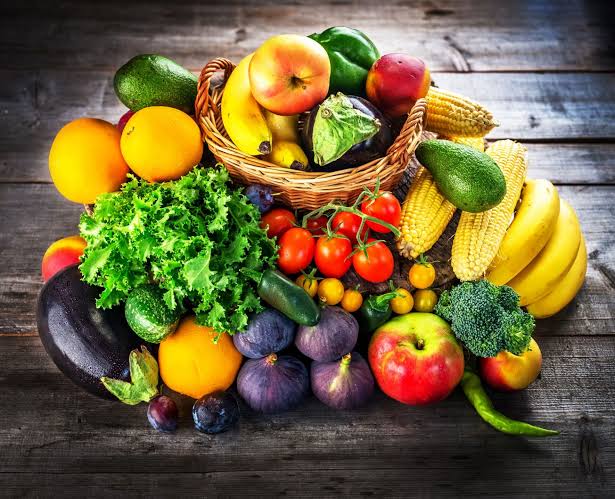

Vegetables are an essential part of a balanced diet because they provide vitamins, minerals, dietary fiber, and other nutrients that support everyday health. From leafy greens and crunchy root vegetables to colorful gourds and nutritious beans, each variety offers different flavors, textures, and culinary possibilities. They are used in homes, restaurants, school meals, and traditional cuisines around the world. Whether you are planning daily meals, learning basic food vocabulary, or helping children recognize different foods, understanding common vegetables can make everyday food choices easier.
A vegetables name list is particularly useful for students, parents, home cooks, and anyone interested in improving their eating habits. In India, vegetables such as potatoes, tomatoes, onions, spinach, cauliflower, okra, and bottle gourd are familiar ingredients in many households. Other varieties, including broccoli, zucchini, asparagus, and Brussels sprouts, are also becoming more recognizable in modern kitchens. Knowing the names, characteristics, and uses of different vegetables helps people explore new recipes while making better use of locally available produce.
What Are Vegetables?
Vegetables are edible plant parts commonly prepared as savory foods. Depending on the plant, the edible portion may be a leaf, root, stem, flower, fruit, bulb, or seed. Spinach is eaten for its leaves, carrots for their roots, celery for its stalks, and cauliflower for its flower structure. Although tomatoes, cucumbers, and eggplants are botanically fruits, they are generally treated as vegetables in everyday cooking because of their flavor and culinary use.
Vegetables come in different colors, shapes, sizes, and textures. Green vegetables often contain nutrients such as folate and vitamin K, while orange and red varieties can provide carotenoids. However, color alone does not determine nutritional value, and no single vegetable supplies every nutrient the body needs. Eating a varied selection throughout the week is a practical way to benefit from their different nutritional properties.
Complete Vegetables Name List
The following list introduces common vegetables found in Indian markets and international grocery stores. Their availability depends on the season, region, climate, and local farming practices.
| No. | Vegetable Name | Common Culinary Use |
|---|---|---|
| 1 | Potato | Curries, fries, and mashed dishes |
| 2 | Tomato | Gravies, salads, and soups |
| 3 | Onion | Curries, sauces, and salads |
| 4 | Carrot | Salads, soups, and cooked dishes |
| 5 | Spinach | Dal, saag, and smoothies |
| 6 | Cauliflower | Curries, roasted dishes, and parathas |
| 7 | Cabbage | Stir-fries, salads, and stuffed dishes |
| 8 | Brinjal (Eggplant) | Bharta, curries, and roasted dishes |
| 9 | Okra (Ladyfinger) | Stir-fries and traditional curries |
| 10 | Bottle Gourd | Curries, soups, and kofta |
| 11 | Bitter Gourd | Stuffed dishes and stir-fries |
| 12 | Radish | Salads, parathas, and pickles |
| 13 | Beetroot | Salads, soups, and cooked dishes |
| 14 | Green Peas | Pulao, curries, and snacks |
| 15 | Cucumber | Salads, sandwiches, and raita |
| 16 | Pumpkin | Soups, curries, and baked dishes |
| 17 | Broccoli | Steamed dishes and stir-fries |
| 18 | Capsicum (Bell Pepper) | Pizza, curries, and salads |
| 19 | Sweet Potato | Roasted snacks and side dishes |
| 20 | Zucchini | Grilled dishes and pasta |
This selection covers several everyday cooking needs, from preparing quick breakfasts to making complete lunches and dinners. Some vegetables are available throughout much of the year, while others are more affordable and flavorful during particular seasons. Local varieties may also have different names across Indian states, which makes learning both regional and English names useful.
Different Types of Vegetables
1. Leafy Green Vegetables
Leafy vegetables include spinach, fenugreek leaves, coriander leaves, amaranth leaves, lettuce, and mustard greens. They are widely used in Indian cooking and can be added to dals, parathas, soups, salads, and vegetable preparations. Many leafy greens provide folate, vitamin K, fiber, and other important nutrients. Their nutritional composition varies by variety, so eating different greens rather than relying on just one can provide greater dietary variety.
Leafy vegetables are also convenient ingredients for quick meals. Spinach can be added to lentils, fenugreek leaves can enhance flatbreads, and mustard greens can be prepared with traditional spices. Before cooking, wash the leaves thoroughly under clean running water and remove damaged portions. Refrigerating leafy vegetables in suitable containers can help maintain their freshness, although delicate leaves should be checked regularly for wilting or spoilage.
2. Root Vegetables
Root vegetables grow underground or have edible root structures. Common examples include carrots, radishes, beetroots, turnips, and sweet potatoes. These vegetables differ in flavor, ranging from the sweetness of carrots to the sharp taste of radishes. Their natural colors also create visual variety in meals, while their textures make them suitable for roasting, boiling, steaming, and preparing soups.
Carrots are frequently used in salads, mixed vegetables, and desserts, while beetroot can be included in cooked dishes or grated into salads. Radishes are popular in Indian winter meals and can be eaten raw or cooked. Sweet potatoes provide carbohydrates and can be roasted as a snack or served as part of a meal. When selecting root vegetables, look for firm produce without extensive soft spots, mold, or unusual odors.
3. Cruciferous Vegetables
Cruciferous vegetables include cauliflower, cabbage, broccoli, radish, and several related varieties. They belong to the mustard family of plants and are known for their distinctive flavors and varied textures. These vegetables can contribute fiber, vitamins, minerals, and naturally occurring plant compounds to a balanced diet. Broccoli and cabbage, for example, can be used in stir-fries, soups, steamed dishes, and salads.
Cooking methods can influence the texture, flavor, and retention of certain nutrients. Light steaming or quick stir-frying can preserve a pleasant texture, while prolonged boiling may cause some water-soluble vitamins to move into the cooking water. This does not mean that boiled vegetables are unhealthy; the water can also be incorporated into soups or gravies. Choosing cooking methods that suit the recipe and personal preferences is more practical than following a single strict rule.
4. Fruiting Vegetables
Fruiting vegetables include tomatoes, cucumbers, capsicum, eggplant, pumpkins, and zucchini. Botanically, these foods develop from flowers and contain seeds, but they are generally classified as vegetables in cooking. They are especially versatile because they can be eaten raw when appropriate or prepared through grilling, roasting, sautéing, and simmering.
Tomatoes are commonly used as the foundation of Indian gravies, while capsicum adds sweetness and crunch to noodles, rice dishes, and curries. Cucumbers are refreshing ingredients for salads and raita, and pumpkins work well in soups and lightly spiced preparations. Eggplant absorbs flavors readily, making it suitable for roasted dishes and slow-cooked curries. These examples show how one category can offer many different tastes and cooking possibilities.
5. Stem and Bulb Vegetables
Stem vegetables include asparagus and celery, while bulb vegetables include onions, garlic, and leeks. These foods are often used to build flavor, improve texture, or add variety to meals. Onions and garlic are particularly common in Indian kitchens, where they serve as the base for many gravies, sauces, and cooked vegetable dishes. Celery and asparagus are used more frequently in certain international cuisines but can also be included in home cooking.
Bulb vegetables can contribute aromatic flavors even when used in relatively small quantities. Asparagus can be steamed, grilled, or roasted, while celery may be added to soups and salads. Onions are useful in raw salads as well as cooked preparations, depending on the desired flavor. Understanding these categories helps cooks experiment with ingredients beyond the vegetables they usually purchase.
Nutritional Benefits of Eating Vegetables
Vegetables contribute to overall health by supplying nutrients that support normal body functions. Dietary fiber helps maintain bowel regularity and can support a healthy digestive system. Vitamin C contributes to normal immune function and collagen formation, while folate is important for cell division. Potassium supports normal muscle function and blood pressure regulation. Different vegetables provide these nutrients in different amounts, making variety an important part of meal planning.
Vegetables can also support a balanced eating pattern because many varieties provide substantial volume with relatively few calories. Combining them with whole grains, pulses, dairy products, eggs, fish, or other suitable protein sources can create satisfying meals. For example, a plate containing roti, dal, and mixed vegetables offers a combination of carbohydrates, protein, fiber, and micronutrients. However, vegetables alone cannot guarantee good health; overall diet quality, physical activity, sleep, and other lifestyle factors also matter.
How to Choose Fresh Vegetables
Selecting good-quality produce can improve the taste of meals and reduce food waste. Fresh vegetables generally have a natural appearance, suitable firmness, and no signs of extensive decay. The best characteristics depend on the variety: leafy greens should look reasonably fresh, carrots should be firm, and cauliflower should have compact florets without extensive discoloration.
When shopping, consider the amount your household can consume before the vegetables deteriorate. Buying seasonal produce from local markets may provide affordable options, although prices and availability change with weather, transportation, and demand. Avoid choosing vegetables only because they look unusually large or perfectly shaped. Small variations in size and appearance are normal, and the condition of the produce matters more than uniformity.
A few simple shopping habits can help:
- Choose firm vegetables without extensive bruising, mold, or soft patches.
- Buy quantities that match your weekly meal plan.
- Prefer seasonal varieties when they are fresh and reasonably priced.
- Keep raw vegetables separate from foods that are ready to eat.
These habits make shopping more organized and help ensure that ingredients are used while they are still in good condition.
Tips for Storing Vegetables Properly
Correct storage helps preserve freshness and reduce unnecessary waste. Many vegetables, including leafy greens, carrots, broccoli, and cabbage, generally benefit from refrigeration. Keep them in clean containers or suitable produce bags, and remove visibly spoiled pieces promptly. Some vegetables, such as potatoes and onions, are usually better stored in a cool, dry, well-ventilated place rather than in a warm, humid cupboard.
Not every vegetable should be stored in exactly the same way. Tomatoes may lose some of their desirable texture when refrigerated before they are fully ripe, while cut vegetables require more careful refrigeration than whole produce. Follow food-safety guidance for prepared foods, and refrigerate cut or peeled vegetables promptly. Washing produce before use is often convenient because excess moisture during storage can encourage deterioration in some varieties.
Easy Ways to Include More Vegetables in Daily Meals
Adding vegetables to everyday meals does not require complicated recipes or expensive ingredients. A small quantity of chopped carrots, peas, beans, or capsicum can improve the color and variety of rice dishes. Spinach can be mixed into dal, grated vegetables can be added to paratha fillings, and cucumber or carrot sticks can accompany snacks. These simple adjustments make vegetables a regular part of familiar meals rather than a separate task.
Meal planning can also help families use a wider range of produce. For example, breakfast might include vegetable poha, lunch could feature dal with seasonal sabzi, and dinner might include mixed vegetable soup or a vegetable-filled roti. Frozen vegetables can be practical when fresh options are unavailable or when time is limited. Canned vegetables can also be useful, particularly when lower-sodium options are selected where possible. The aim is to build a varied, sustainable eating pattern that suits personal preferences, budget, and schedule.
Common Mistakes to Avoid When Eating Vegetables
One common mistake is repeatedly eating only a small selection of familiar vegetables. Potatoes, onions, and tomatoes are useful ingredients, but including leafy greens, legumes, root vegetables, and other varieties creates greater nutritional diversity. Another mistake is assuming that raw vegetables are always healthier than cooked ones. Some nutrients are sensitive to heat, while the availability of others may improve with cooking. Both raw and cooked vegetables can contribute to a healthy diet.
Excessive washing, careless storage, and throwing away usable produce can also create unnecessary waste. Wash vegetables with clean running water rather than using soap or household detergents. Remove damaged areas when appropriate, but discard produce that shows extensive mold, decay, or other signs of spoilage. Finally, remember that preparation matters: deep-frying vegetables or adding large amounts of salt and rich sauces can change the nutritional profile of a dish. Steaming, roasting, boiling, and sautéing offer different options depending on the recipe.
Conclusion
Learning the names, categories, nutritional qualities, and cooking uses of vegetables makes everyday food choices more informed and enjoyable. From leafy spinach and crunchy carrots to versatile tomatoes, cauliflower, pumpkin, and capsicum, each variety brings different qualities to the kitchen. A broad selection also helps home cooks explore traditional dishes, experiment with unfamiliar ingredients, and plan meals that offer a range of nutrients. A practical vegetables name list is therefore more than a vocabulary resource. It can help students learn food terminology, families organize grocery shopping, and cooks discover new ingredients for everyday recipes. Choose fresh produce when available, store it carefully, prepare it safely, and include different colors and types across your meals. By making small, consistent changes, you can enjoy greater variety while building balanced eating habits that are realistic for your lifestyle.