

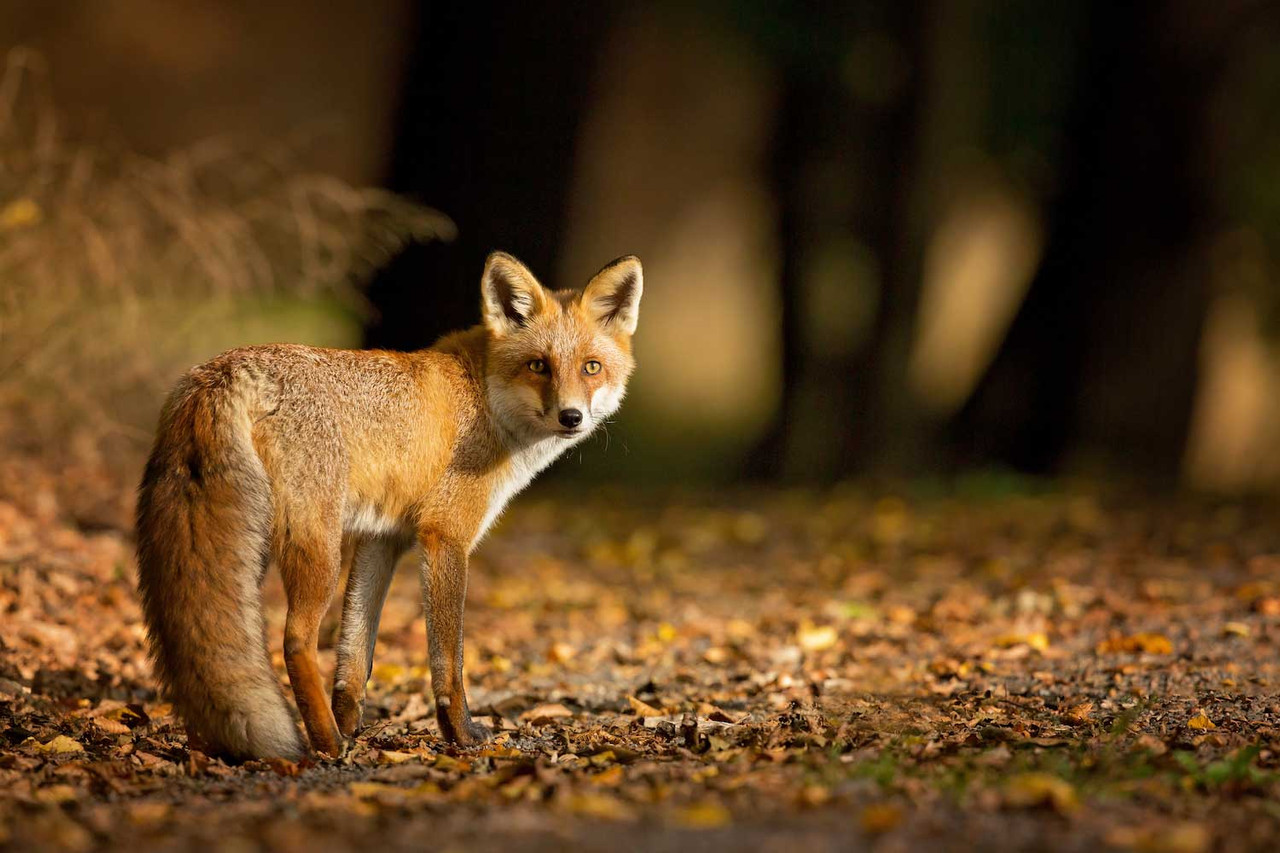

Animals are an essential part of our planet, contributing to the balance of ecosystems and making the natural world incredibly diverse. From tiny ants moving across the ground to enormous elephants roaming grasslands, every animal has unique characteristics, behaviors, and survival strategies. Learning about animal names helps children, students, teachers, nature enthusiasts, and wildlife lovers understand the different creatures that share our environment. It also makes it easier to identify animals by their appearance, habitat, diet, and behavior.
The topic of animals name includes thousands of familiar and fascinating species found across forests, deserts, oceans, mountains, wetlands, and grasslands. Some animals live alongside humans as pets or farm animals, while others survive in remote environments where they have adapted to extreme temperatures, limited food, or challenging living conditions. Understanding these categories provides a useful starting point for exploring wildlife and appreciating the importance of biodiversity.
Today, animal knowledge is also closely connected with environmental education and wildlife conservation. Habitat destruction, pollution, climate change, and illegal hunting threaten many species around the world. By learning about animals and their natural surroundings, people can develop greater awareness of environmental problems and discover practical ways to protect wildlife for future generations.
Understanding Different Types of Animals
Animals can be classified according to their physical characteristics, biological features, habitats, and methods of reproduction. Scientists use these classifications to study relationships between species and understand how animals have evolved over time. For everyday learning, however, grouping animals into familiar categories such as mammals, birds, reptiles, amphibians, fish, and invertebrates makes the subject easier to understand.
Each group has distinguishing features. Mammals generally have hair or fur and feed their young with milk. Birds have feathers and beaks, while reptiles typically possess scaly skin. Amphibians often spend different stages of their lives in water and on land. Fish use gills to obtain oxygen from water, and invertebrates are animals without backbones. Although these categories provide a useful overview, individual species can have unusual adaptations that make them especially interesting.
Common Animals Name List With Examples
Many animals are familiar because they live near people, appear in educational materials, or are frequently seen in documentaries. Dogs, cats, cows, horses, lions, tigers, elephants, and monkeys are common examples. Other well-known animals include rabbits, deer, bears, foxes, wolves, giraffes, zebras, kangaroos, and pandas.
The following table presents examples of animals from different groups, together with their general habitats and diets.
| Animal name | Animal group | Common habitat | Main diet |
|---|---|---|---|
| Lion | Mammal | Grasslands and savannas | Meat |
| Elephant | Mammal | Forests and grasslands | Plants |
| Dog | Mammal | Domestic environments | Omnivorous diet |
| Eagle | Bird | Mountains and forests | Small animals |
| Penguin | Bird | Southern Hemisphere coastal regions | Fish and marine animals |
| Crocodile | Reptile | Rivers and wetlands | Meat |
| Frog | Amphibian | Wetlands and freshwater habitats | Insects and other small animals |
| Salmon | Fish | Rivers and oceans | Aquatic organisms |
| Butterfly | Insect | Gardens, fields, and forests | Nectar |
| Octopus | Invertebrate | Marine environments | Crabs, shellfish, and other animals |
These examples show that animals differ significantly in their physical structures, food requirements, and living environments. Some are adapted to life in water, while others depend on trees, open landscapes, underground burrows, or human-managed surroundings.
Mammals and Their Unique Characteristics
Mammals are a diverse group of vertebrate animals found on land, in water, and even in the air. Most mammals give birth to live young, although a few, such as the platypus, lay eggs. Their bodies generally have hair or fur during at least one stage of life, and females produce milk to nourish their offspring. Mammals also maintain a relatively stable internal body temperature, allowing many species to remain active in different weather conditions.
Examples include lions, tigers, elephants, giraffes, bears, dolphins, whales, bats, rabbits, and humans. Their lifestyles vary considerably. Lions hunt cooperatively in groups, elephants maintain complex social relationships, and bats use specialized abilities to navigate and locate food in darkness. Dolphins communicate through sounds and body movements, while whales undertake impressive journeys through the oceans. These differences demonstrate how mammals have developed specialized adaptations to survive in their respective environments.
Wild Mammals and Domestic Mammals
Wild mammals generally live independently of direct human care, although some species have adapted to urban and agricultural landscapes. Tigers inhabit forests and grasslands in parts of Asia, while giraffes are associated with African savannas. Polar bears are adapted to Arctic environments, using thick fur and body fat to withstand cold conditions. Their survival depends on access to suitable habitats, food, shelter, and opportunities to reproduce.
Domestic mammals have developed close relationships with humans over thousands of years. Dogs provide companionship and may assist with herding, rescue work, and security. Cows and goats provide milk, while horses have historically helped people with transportation and agricultural work. Cats are common household companions and retain many natural hunting behaviors. Responsible care for domestic animals includes appropriate food, clean water, shelter, exercise, and veterinary attention.
Birds and Their Remarkable Adaptations
Birds are recognized by their feathers, beaks, and egg-laying reproduction. Many species can fly because their bodies and wings are adapted for movement through the air, although some birds, including penguins and ostriches, cannot fly. Birds occupy nearly every major type of habitat, from tropical rainforests and mountain ranges to deserts, wetlands, and coastal environments.
Common bird names include sparrow, pigeon, crow, eagle, parrot, peacock, owl, flamingo, duck, swan, and woodpecker. Each species has distinctive characteristics. Eagles possess powerful feet and sharp talons for catching prey, while parrots are known for their intelligence and vocal abilities. Owls have adaptations that help them hunt in low light, and woodpeckers use strong bills to find insects inside trees. These differences illustrate the variety of feeding and survival strategies found among birds.
Birds also contribute to healthy ecosystems. Some pollinate flowers, others disperse seeds, and many help control insect populations. Migratory species travel long distances to reach feeding and breeding grounds as seasons change. Protecting nesting sites, wetlands, forests, and other natural habitats helps maintain bird populations and supports the wider ecosystems on which they depend.
Reptiles and Amphibians
Reptiles are generally characterized by scaly skin and adaptations that reduce water loss. This group includes snakes, lizards, turtles, tortoises, crocodiles, and alligators. Reptiles inhabit a wide range of environments, including deserts, forests, grasslands, rivers, and oceans. Many rely on external heat sources, such as sunlight, to regulate their body temperature.
Snakes use different hunting strategies depending on their species, while lizards may escape predators by running quickly or dropping their tails. Turtles have protective shells, and crocodiles possess powerful jaws suited to capturing prey. Although some reptiles can be dangerous when disturbed, most avoid unnecessary contact with humans. Observing them from a safe distance is important for both personal safety and wildlife protection.
Amphibians include frogs, toads, salamanders, and newts. Many begin life in water as larvae and undergo changes as they develop into adults. Frogs often have moist skin and powerful hind legs for jumping or swimming. Because many amphibians are sensitive to changes in water quality and environmental conditions, scientists study their populations to better understand ecosystem health. Pollution, disease, habitat loss, and climate change can threaten amphibian species.
Fish and Aquatic Animals
Fish live in freshwater and marine environments, including rivers, ponds, lakes, coral reefs, and deep oceans. Most fish use gills to extract oxygen from water and fins to move through their surroundings. Their body shapes and feeding strategies vary widely, reflecting the different conditions found in aquatic ecosystems.
Familiar fish names include goldfish, salmon, tuna, sardine, catfish, clownfish, and seahorse. Salmon are notable for migrations between the ocean and freshwater spawning areas, while clownfish are associated with sea anemones. Sharks, rays, and other cartilaginous fish differ from bony fish in their skeletal structure. Some aquatic animals, such as dolphins and whales, may look similar to fish but are actually mammals because they breathe air and nurse their young.
Aquatic ecosystems support food chains and provide essential resources for people and wildlife. However, plastic pollution, overfishing, warming waters, and habitat degradation threaten many marine and freshwater species. Protecting rivers, reducing plastic waste, and supporting sustainable fishing practices can help preserve aquatic biodiversity.
Insects and Other Invertebrates
Invertebrates are animals that do not have a backbone. They represent an enormous range of life forms and include insects, spiders, earthworms, jellyfish, snails, crabs, and octopuses. Insects typically have six legs, three main body sections, and a pair of antennae. Spiders belong to a different group called arachnids and usually have eight legs.
Familiar insects include ants, bees, butterflies, mosquitoes, grasshoppers, beetles, and dragonflies. Bees and butterflies are important pollinators, helping many flowering plants reproduce. Earthworms improve soil structure by moving through it, while certain beetles contribute to the decomposition of organic matter. Some insects can spread disease or damage crops, but many perform valuable ecological functions that are easy to overlook.
Other invertebrates demonstrate equally remarkable adaptations. Octopuses can change their appearance to blend into their surroundings, while jellyfish use specialized cells to capture prey. Crabs have hard external coverings that protect their bodies, and earthworms rely on moist environments to support their movement and respiration. Learning about these animals reveals how complex ecosystems depend on organisms of every size.
How Animals Adapt to Their Habitats
An animal’s habitat provides the food, water, shelter, and environmental conditions needed for survival. Forest animals may depend on trees for nesting, protection, or access to food. Desert species often have adaptations that help them conserve water and tolerate heat. Polar animals may possess thick insulating layers, while aquatic species have body structures suited to moving and feeding underwater.

Behavioral adaptations are equally important. Some animals migrate when temperatures change or food becomes scarce. Others hibernate or enter periods of reduced activity during unfavorable seasons. Camouflage helps many species avoid predators, while warning colors can discourage potential attackers. Group living also provides advantages: animals such as wolves may cooperate when hunting, while some birds use group behavior to detect approaching threats.
Habitats are not always completely separate. Wetlands, for example, can support fish, amphibians, birds, insects, and mammals within the same environment. When one part of a habitat changes, the effects can spread through the food web. Protecting connected ecosystems is therefore important for maintaining stable animal populations and ecological balance.
Why Learning Animal Names Is Important
Learning the names of animals builds vocabulary and supports an understanding of biology, geography, and environmental science. For children, familiar examples such as dogs, cats, elephants, and butterflies provide a simple introduction to classification and observation. Students can develop their knowledge further by comparing animal body structures, diets, reproduction, and habitats.
The subject is also valuable for adults who want to make more informed decisions about the natural world. Recognizing local birds, insects, reptiles, and mammals can encourage people to notice environmental changes and appreciate the wildlife living around them. A person who learns to identify pollinators, for example, may become more interested in planting native flowers or avoiding unnecessary pesticide use.
For effective learning, begin with a small group of familiar species and gradually explore less common animals. Picture-based identification, nature journals, wildlife observation, and educational activities can make the process enjoyable. It is useful to learn both common names and scientific names when possible, since common names sometimes vary across regions and languages.
Ways to Help Protect Animals
Wildlife conservation requires cooperation between individuals, communities, researchers, governments, and conservation organizations. Protecting forests, restoring wetlands, reducing pollution, and maintaining wildlife corridors can help animals find food, shelter, and suitable breeding areas. Conservation efforts also benefit people by supporting healthy ecosystems, clean water, soil stability, and natural resources.
Individuals can contribute through everyday choices. Avoid disturbing nests or dens, keep a respectful distance from wild animals, and never release unwanted pets into natural environments. Responsible waste disposal can prevent animals from swallowing plastic or becoming trapped in discarded materials. Supporting ethical wildlife education and conservation initiatives can also help build public awareness.
Simple habits can make a meaningful contribution:
- Reduce single-use plastic and dispose of waste responsibly.
- Plant suitable native species to support local pollinators.
- Observe wildlife without feeding or disturbing it.
- Support habitat restoration and responsible conservation programs.
These actions are most effective when combined with broader efforts to protect natural habitats and reduce the environmental pressures that threaten wildlife.
Conclusion
Exploring animals name lists is more than a vocabulary exercise. It introduces the extraordinary diversity of life on Earth and helps explain how different species survive, reproduce, and contribute to their ecosystems. Mammals, birds, reptiles, amphibians, fish, insects, and other invertebrates all have distinctive features that reflect their evolutionary histories and environmental needs.