

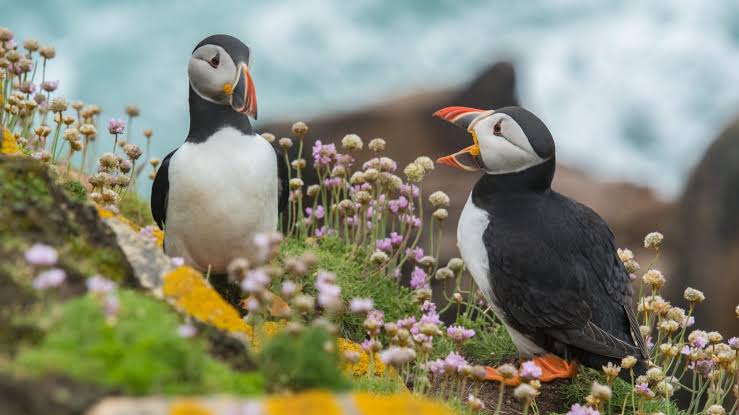

Birds are among the most fascinating creatures on Earth, admired for their colorful feathers, beautiful songs, impressive flying abilities, and remarkable diversity. They live in almost every environment, from tropical rainforests and grasslands to deserts, wetlands, mountains, and busy urban neighborhoods. Some birds travel thousands of kilometers during seasonal migrations, while others spend their entire lives in a relatively small area. Learning about different bird species helps people understand the natural world and appreciate the important role these animals play in maintaining ecological balance.
For students, teachers, wildlife enthusiasts, and nature lovers, learning birds name is a useful starting point for discovering the incredible variety of avian life. Common examples include sparrows, parrots, pigeons, eagles, owls, peacocks, flamingos, and penguins. Each species has distinct physical characteristics, feeding preferences, behavioral patterns, and habitat requirements. Some are known for their intelligence, while others are recognized for their hunting skills, unusual courtship displays, or long-distance journeys.
Understanding birds also encourages greater awareness of environmental conservation. Habitat destruction, pollution, climate change, and the decline of insects can affect bird populations in different regions. By learning how birds live and interact with their surroundings, people can make better decisions about protecting gardens, forests, wetlands, and other natural habitats. This guide explores common bird species, their characteristics, their importance in nature, and practical ways to observe them responsibly.
What Are Birds and What Makes Them Unique?
Birds are warm-blooded vertebrates belonging to the biological class Aves. Most species have feathers, wings, a beak, and two legs. Their skeletons and respiratory systems have adaptations that support different lifestyles, including flight, swimming, running, and hunting. Although many birds fly, not every species can do so. Ostriches and emus are examples of flightless birds, while penguins have wings adapted for swimming underwater.
One of the most distinctive features of birds is their feathers. Feathers help regulate body temperature, support flight in many species, provide camouflage, and attract potential mates. Birds also lay eggs, usually in nests or other protected locations. Their eggs vary in size, color, and shape depending on the species. Some birds raise their young for weeks or months, teaching them essential survival skills, while others become independent relatively quickly. These differences make birds an important subject for studying animal behavior, evolution, and biodiversity.
Popular Birds Name and Their Characteristics
The world contains thousands of bird species, each adapted to particular environmental conditions. Some are familiar visitors to residential areas, while others live in remote forests, coastal regions, or isolated islands. Recognizing common species becomes easier when people pay attention to body shape, feather color, beak structure, calls, and movement.
1. Sparrow
<text> </text>
Sparrows are small birds commonly found around homes, gardens, farms, and urban settlements. The house sparrow is particularly familiar in many parts of the world. These birds generally have short, sturdy beaks suited to eating seeds and grains, although they also consume insects and other small food items. Their brown, gray, and black markings provide a relatively subtle appearance that helps them blend into their surroundings.
Sparrows often build nests in building cavities, roof spaces, and other sheltered locations. Their ability to live near people has historically made them one of the most recognizable backyard birds. However, local populations can be affected by changes in building design, reduced nesting opportunities, pesticide use, and declining insect availability. Providing native plants and safe nesting spaces can help support sparrows and other small birds.
2. Parrot
Parrots are famous for their bright plumage, curved beaks, strong feet, and remarkable intelligence. Many species live in tropical and subtropical regions, particularly in forests where fruits, nuts, seeds, and flowers provide food. Their feet are adapted for gripping branches and handling food, making them skilled climbers as well as capable fliers.
Some parrots can imitate human speech and environmental sounds because of their advanced vocal-learning abilities. However, their communication is not limited to repeating words. They use calls, body movements, and social interactions to communicate with other birds. Parrots require substantial mental stimulation and social interaction, which is especially important when they are kept in captivity. Protecting wild populations also requires addressing habitat loss and illegal wildlife trade.
3. Peacock
The Indian peafowl, commonly called the peacock when referring to the male, is known for its spectacular courtship display. The male has an elaborate train of elongated upper-tail coverts decorated with colorful eye-like markings. During courtship, he spreads these feathers into a large fan and performs movements intended to attract a female. The female, called a peahen, usually has more subdued plumage.
Indian peafowl occur in parts of South Asia and can inhabit forests, scrublands, agricultural landscapes, and areas near human settlements. Their diet includes seeds, insects, plant material, and various small animals. These birds are also culturally significant in India, where the peacock is the national bird. Their striking appearance and distinctive calls make them popular subjects for wildlife photography and nature education.
4. Pigeon
Pigeons are adaptable birds that occur in cities, villages, agricultural areas, and natural habitats. The rock pigeon is the ancestor of many domestic and urban pigeon populations. These birds have compact bodies, strong flight muscles, and a natural ability to navigate over long distances. Their diets commonly include seeds and grains, although city-dwelling pigeons may eat a wider range of food.
Pigeons have played important roles throughout human history. People have kept them for food, companionship, and message delivery, while selective breeding has produced many domestic varieties. Urban pigeons often nest on ledges, bridges, rooftops, and other elevated structures. Although they are familiar city residents, feeding large flocks in crowded places can contribute to sanitation problems. Observing pigeons without leaving food waste behind is a more responsible way to appreciate them.
5. Eagle
Eagles are powerful birds of prey recognized for their strong feet, hooked beaks, and excellent vision. Depending on the species, they may hunt fish, mammals, reptiles, or other birds. Their broad wings help many species soar over open landscapes while searching for food. Bald eagles, golden eagles, and several species of sea eagles are among the best-known examples.
These birds often occupy high positions in food webs, helping regulate populations of prey animals. Many build large nests in tall trees or on cliffs, sometimes returning to the same nesting area over multiple breeding seasons. Eagles face different threats across their ranges, including habitat disturbance, poisoning, collisions with infrastructure, and reduced prey availability. Protecting nesting sites and maintaining healthy ecosystems are essential for their long-term survival.
6. Owl
Owls are primarily known for their nocturnal habits, although some species are active during the day or at dawn and dusk. Their large forward-facing eyes, sensitive hearing, and specialized feathers help many of them locate and capture prey in low-light conditions. Different species eat rodents, insects, small birds, amphibians, and other animals, depending on their size and habitat.
Many owls can rotate their heads considerably, helping them observe their surroundings without moving their entire bodies. Their feathers also allow relatively quiet flight, which can provide an advantage when hunting. Owls commonly nest in tree cavities, abandoned nests, cliffs, or suitable buildings. Because they help control populations of rodents and other small animals, preserving their habitats can benefit both wildlife and people.
7. Flamingo
Flamingos are tall wading birds known for their long legs, curved necks, and pink or reddish plumage. They typically inhabit shallow lakes, lagoons, mudflats, and coastal wetlands. Their coloration comes largely from pigments called carotenoids found in their food, including algae and small aquatic organisms. The exact shade varies with species, diet, and other factors.
Flamingos use specialized bills to filter food from water and mud. Their legs allow them to wade through shallow environments while searching for suitable feeding areas. Some species form large colonies, creating impressive gatherings during breeding seasons. Wetland conservation is particularly important for flamingos because changes in water levels, pollution, and disturbance can affect their feeding and nesting sites.
A Quick Comparison of Common Bird Species
The following table summarizes several familiar birds and the features that make them distinctive.
| Bird name | Typical habitat | Main food | Distinctive feature |
|---|---|---|---|
| Sparrow | Gardens and settlements | Seeds and insects | Small body and brown plumage |
| Parrot | Tropical forests | Fruits, nuts, and seeds | Curved beak and colorful feathers |
| Peacock | Forests and scrublands | Seeds, insects, and plants | Male’s elaborate display train |
| Pigeon | Cities and rocky areas | Seeds and grains | Strong flight and navigation |
| Eagle | Mountains, forests, and coasts | Fish and other animals | Powerful talons and keen eyesight |
| Owl | Forests and grasslands | Small animals and insects | Specialized hearing and quiet flight |
| Flamingo | Lakes and coastal wetlands | Algae and small aquatic organisms | Long legs and filtering bill |
| Kingfisher | Rivers, lakes, and wetlands | Fish and aquatic prey | Long, pointed bill |
| Penguin | Southern Hemisphere coastal regions | Fish, krill, and squid | Wings adapted for swimming |
| Hummingbird | Gardens and the Americas’ diverse habitats | Nectar and small insects | Hovering flight in many species |
More Fascinating Birds to Discover
8. Kingfisher
Kingfishers are often recognized by their large heads, pointed beaks, and vivid colors. Many species live near rivers, ponds, lakes, and coastal waters, where they hunt fish and other aquatic animals. A kingfisher may sit patiently on a branch before diving quickly toward prey beneath the water’s surface. Other species hunt insects or small terrestrial animals instead.
Healthy waterways are important to many kingfishers because they depend on suitable feeding areas and nesting locations. Some species excavate tunnels in earthen banks, where they lay their eggs and raise their chicks. Water pollution, habitat modification, and the loss of natural riverbanks can reduce suitable living conditions for these birds.
9. Penguin
Penguins are flightless seabirds adapted to swimming. Their streamlined bodies, flipper-like wings, and dense feathers help them move efficiently through water. Although people often associate penguins with Antarctica, several species live in milder climates, including parts of South America, southern Africa, Australia, and New Zealand.
Penguins feed mainly on marine animals such as fish, squid, and krill, with diets varying by species. Many gather in colonies for breeding and raising chicks. Their survival depends on healthy marine ecosystems, reliable food supplies, and suitable breeding locations. Ocean warming, changing prey distribution, pollution, and fishing pressure can threaten some populations, making marine conservation an important priority.
10. Hummingbird
Hummingbirds are small birds best known for their ability to hover while feeding. Many species can move their wings rapidly, allowing them to remain nearly stationary in front of flowers. Their long bills and extendable tongues help them collect nectar, while small insects provide additional nutrients. Their flight abilities also allow some species to move backward or change direction quickly.
Most hummingbird species are native to the Americas, where they inhabit environments ranging from tropical forests to mountain regions and gardens. Planting suitable flowering species can attract hummingbirds in regions where they naturally occur. Avoiding pesticides and maintaining a variety of flowering plants can also support the insects and nectar sources on which these birds depend.
Understanding Birds Name by Habitat
Habitat is one of the most useful ways to understand bird diversity. Forests support woodpeckers, parrots, owls, hornbills, and numerous songbirds. These species use trees for nesting, shelter, feeding, and protection. Some search for insects beneath bark, while others consume fruit, seeds, or small animals. Forest birds can be particularly sensitive to habitat fragmentation because they may depend on specific vegetation types or large areas of connected woodland.
Wetlands and coastal environments support flamingos, herons, ducks, kingfishers, gulls, and many migratory species. These habitats provide fish, aquatic plants, insects, and other food sources. Grasslands and open agricultural areas, meanwhile, may support larks, quails, cranes, and birds of prey. Cities have their own bird communities, including pigeons, sparrows, crows, and mynas. Understanding these habitat differences helps explain why some birds are common in one location but rarely seen in another.
How Birds Help Maintain Environmental Balance
Birds contribute to ecosystems in several important ways. Nectar-feeding birds pollinate certain flowering plants, while fruit-eating species disperse seeds across forests and other landscapes. When birds consume fruits and later release the seeds elsewhere, they help plants spread into new areas. This process can support forest regeneration and improve the resilience of natural habitats.

Birds of prey and insect-eating species also influence food webs by feeding on rodents, insects, and other animals. Scavenging birds consume carrion, helping remove dead animals from the environment. In addition, changes in bird populations can provide clues about environmental conditions. A decline in a local species may indicate habitat loss, chemical pollution, reduced food availability, or other ecological pressures. Protecting bird diversity therefore supports broader environmental health.
Simple Ways to Observe and Protect Birds
People do not need to travel to a national park to appreciate birdlife. A balcony, garden, neighborhood park, or nearby wetland can provide opportunities to observe different species. Watching quietly, learning to identify calls, and noticing differences in beak shape and movement can turn an ordinary walk into a rewarding nature experience.
A few practical habits can make birdwatching more responsible:
- Plant native trees, shrubs, and flowering plants that provide natural food and shelter.
- Keep cats and other domestic animals from disturbing nesting birds and vulnerable wildlife.
- Avoid pesticides and remove plastic waste that could harm birds.
- Maintain clean water sources and clean bird feeders regularly when feeding is appropriate.
When observing nests, maintain a respectful distance and avoid touching eggs, chicks, or nesting material. Flash photography, loud noises, and repeated visits can disturb breeding birds. In hot weather, a shallow, clean water source may help local birds, provided it is maintained safely and does not become contaminated.
Birdwatching as an Educational and Recreational Activity
Birdwatching is an accessible activity for people of different ages and experience levels. Beginners can start by observing a few common local species rather than attempting to identify every bird they encounter. Recording the date, location, colors, approximate size, behavior, and call of each sighting helps build identification skills over time. Binoculars can make distant birds easier to observe, but careful attention with the naked eye is often enough for familiar species.
Birdwatching also provides educational benefits for children and students. It encourages patience, curiosity, observation, and an understanding of biological diversity. Teachers can use local birds to explain food chains, adaptation, migration, reproduction, and habitat conservation. Families can participate by keeping a simple nature journal or counting the species they see during regular walks. These activities help create a stronger connection with nature without disturbing wildlife.
Conclusion
Birds are essential members of ecosystems and remarkable examples of how animals adapt to different environments. From the familiar sparrow and pigeon to the powerful eagle, colorful parrot, graceful flamingo, and swimming penguin, every species has unique characteristics and ecological roles. Learning about their physical features, feeding habits, habitats, and behaviors makes it easier to appreciate the extraordinary diversity of the natural world.