

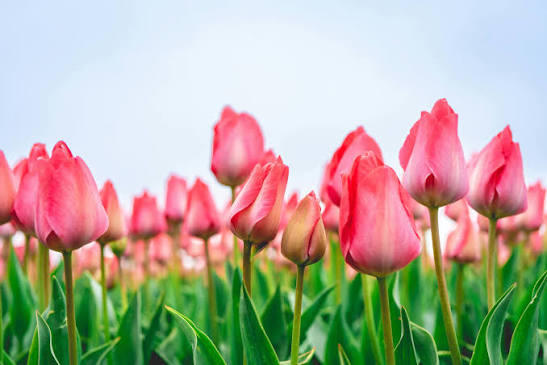

Flowers are among the most beautiful parts of nature, bringing color, fragrance, and life to gardens, homes, parks, and public spaces. From delicate roses and cheerful sunflowers to elegant lilies and exotic orchids, every flower has its own appearance and charm. Flowers are also closely connected with human emotions, making them an important part of celebrations, cultural traditions, gardening, and everyday life. Learning about different flowers can help people appreciate their natural beauty and choose suitable varieties for different occasions.
A comprehensive flowers name guide is useful for students, gardening enthusiasts, nature lovers, florists, and anyone who wants to recognize different blooms. Some flowers are famous for their fragrance, while others are admired for their unusual shapes, vibrant colors, or ability to attract butterflies and bees. Certain varieties grow best in warm climates, whereas others prefer cooler temperatures or shaded environments. Understanding these differences makes it easier to select flowers for home gardens, balconies, flower arrangements, and landscape designs.
Flowers also contribute to the environment by supporting pollinators and helping maintain healthy ecosystems. Many flowering plants provide nectar and pollen for bees, butterflies, and other beneficial insects. Whether you want to grow a small collection of flowers in pots or create a colorful garden outdoors, knowing the characteristics of popular varieties can make the experience more enjoyable and rewarding.
Popular Flowers and Their Names
Flowers come in thousands of varieties, each with distinctive characteristics. Some are widely cultivated across the world, while others are associated with particular regions, seasons, or cultural traditions. The most familiar varieties are often selected for their attractive colors, easy availability, and suitability for different decorative purposes.
Roses, tulips, marigolds, daisies, jasmine, hibiscus, and chrysanthemums are among the well-known flowering plants found in gardens and floral arrangements. Roses are admired for their layered petals and romantic associations, while tulips are appreciated for their clean shapes and bright seasonal displays. Marigolds are especially popular in South Asia because of their golden and orange colors, which are commonly used during festivals, weddings, and religious celebrations.
Sunflowers bring a cheerful appearance to outdoor spaces with their large flower heads and yellow petals. Daisies have a simple, recognizable structure that makes them popular in gardens and casual bouquets. Jasmine is known for its sweet fragrance, while hibiscus stands out because of its large, colorful blooms. Chrysanthemums offer a wide selection of shapes and colors, making them useful for seasonal gardening and decorative arrangements.
Different Types of Flowers by Color
Red Flowers
Red flowers are often associated with love, energy, courage, and strong emotions. Red roses are a traditional choice for romantic occasions, anniversaries, and special celebrations. Other popular red varieties include red hibiscus, poppies, tulips, and certain types of carnations. Their vivid appearance makes them attractive focal points in gardens and floral displays.
Gardeners can combine red flowers with white, yellow, or purple varieties to create balanced color arrangements. For example, red roses planted alongside white alyssum can produce an elegant contrast, while red tulips mixed with yellow spring flowers create a brighter seasonal display. The best choice depends on the climate, available sunlight, and the desired appearance of the garden.
Yellow Flowers
Yellow flowers are commonly associated with happiness, warmth, friendship, and optimism. Sunflowers are among the most recognizable examples because of their tall stems and large golden flower heads. Daffodils, yellow marigolds, coreopsis, and yellow chrysanthemums are other attractive choices for gardens and decorative spaces.
These flowers can make a small garden appear lively and welcoming. Yellow blooms are particularly effective when combined with purple or blue flowers because the contrasting colors create visual interest. Many yellow-flowering plants also attract pollinators, although their value depends on the particular species, flower structure, and availability of nectar and pollen.
White Flowers
White flowers are often chosen for their simple elegance and association with peace, purity, and remembrance. Jasmine, white roses, lilies, gardenias, and white chrysanthemums are popular examples. Their neutral appearance allows them to complement almost any other flower color, making them especially useful in weddings, formal arrangements, and home decoration.
Some white flowers are valued for fragrance as much as appearance. Gardenias and jasmine can produce a noticeable scent, especially during suitable weather conditions. However, gardeners should consider the needs of each plant before growing it. Some varieties require consistently moist soil, while others prefer well-drained conditions and careful watering.
Purple and Pink Flowers
Purple flowers often create a sense of richness and elegance, while pink blooms are frequently associated with affection, gentleness, and appreciation. Lavender, violets, purple orchids, petunias, pink roses, carnations, and cosmos offer a wide range of choices for different settings.
These colors work particularly well in mixed flower beds and container gardens. Lavender can provide fragrance and attract pollinators, while petunias are commonly grown in pots, hanging baskets, and balcony planters. Pink roses and carnations are also frequently used in bouquets because their soft colors complement both bright and neutral floral arrangements.
Flowers Name List for Easy Identification
People who are learning about flowers often benefit from a simple reference that connects each variety with its common color and a familiar characteristic. The following table highlights several popular flowers and their notable features.
| Flower name | Common colors | Main characteristic |
|---|---|---|
| Rose | Red, pink, white, yellow | Fragrant blooms and layered petals |
| Sunflower | Yellow, golden | Large flower heads and tall stems |
| Jasmine | White, cream | Sweet fragrance |
| Marigold | Yellow, orange | Bright blooms and easy seasonal growing |
| Tulip | Red, pink, purple, yellow | Cup-shaped flowers |
| Lily | White, pink, orange, yellow | Prominent petals and elegant form |
| Hibiscus | Red, pink, yellow, orange | Large, showy flowers |
| Daisy | White, yellow, pink | Simple petals and central flower disk |
| Orchid | Purple, white, pink, yellow | Diverse shapes and patterns |
| Lavender | Purple, blue-violet | Fragrant flower spikes |
| Lotus | Pink, white | Aquatic growth and distinctive blossoms |
| Chrysanthemum | White, yellow, pink, purple | Numerous petal forms |
| Daffodil | Yellow, white | Spring flowering and trumpet-shaped center |
| Carnation | Red, pink, white, yellow | Ruffled petals |
| Poppy | Red, orange, pink, white | Delicate petals and distinctive seed capsules |
This list provides a starting point for identifying common flowers, but individual varieties may differ in color, size, fragrance, and growing requirements. Some cultivated flowers are available in many colors, while naturally occurring species may have a more limited range. Checking the plant’s specific variety can help gardeners make better decisions about care and placement.
Flowers for Home Gardens and Balconies
Growing flowers at home is an accessible way to make living spaces more attractive. Even a small balcony can support flowering plants when they receive suitable sunlight, drainage, and regular care. Petunias, marigolds, zinnias, pansies, and dwarf roses are popular choices for containers, although the best selection depends on local temperatures and seasonal conditions.

Before planting flowers, consider how much sunlight the space receives each day. Sun-loving varieties generally perform well in open locations, while plants adapted to partial shade may struggle under intense afternoon sunlight. Container size is equally important because roots need enough room to grow. Pots should have drainage holes, and the growing medium should allow excess water to escape without drying out too quickly.
Regular watering helps maintain healthy plants, but watering requirements vary. Some flowers prefer consistently moist soil, whereas others are more vulnerable to root problems when their roots remain wet. Removing faded blooms can encourage continued flowering in many species, and occasional feeding with an appropriate fertilizer may support healthy growth. Observing the plants regularly also helps gardeners identify pests, leaf discoloration, and watering problems before they become severe.
Easy Flowers for Beginners
Beginners should generally choose varieties that match their climate and available growing space rather than selecting plants based on appearance alone. Marigolds, zinnias, cosmos, and certain petunias can be rewarding options because they often produce noticeable blooms with straightforward care when grown under suitable conditions.
A few practical tips can make flower gardening easier:
- Select varieties suited to the local climate and growing season.
- Use containers or garden beds with good drainage.
- Check soil moisture before watering instead of following a rigid schedule.
- Remove damaged leaves and faded flowers when appropriate.
- Inspect plants regularly for insects and signs of disease.
Starting with a few varieties allows beginners to understand their plants’ needs before expanding the garden. Keeping simple notes about watering, flowering periods, and sunlight can also help improve results over time.
Flowers and Their Meanings
Flowers have carried symbolic meanings across cultures for centuries. Their significance can change depending on the country, religious tradition, historical period, and personal interpretation. Nevertheless, certain associations have become widely recognized in modern gift-giving and floral design.
Roses are commonly connected with love and affection, while yellow flowers are often used to express friendship and happiness. Lilies can represent elegance, renewal, or remembrance, depending on their type and context. White flowers are frequently selected for peaceful or formal occasions, whereas bright orange and red blooms may communicate enthusiasm and celebration.
Lotus flowers hold particular cultural and spiritual importance in several Asian traditions, where they may symbolize purity, renewal, or spiritual development. Sunflowers are frequently associated with warmth and positivity because of their bright appearance. Lavender is appreciated for its fragrance and is often linked with calmness and relaxation.
These meanings can be helpful when selecting flowers for birthdays, weddings, anniversaries, congratulations, or sympathy arrangements. However, personal preferences matter just as much as traditional symbolism. A thoughtful arrangement that reflects the recipient’s favorite colors or flowers can be more meaningful than following a fixed set of symbolic rules.
Seasonal Flowers and the Best Time to Grow Them
Different flowers bloom at different times of the year, and seasonal planning can help gardeners maintain a colorful outdoor space. In many temperate regions, tulips and daffodils are associated with spring, while summer gardens often feature sunflowers, zinnias, cosmos, and petunias. Chrysanthemums are widely associated with autumn displays, although their flowering period depends on the variety and local growing conditions.

In warmer regions, including many parts of India, flowering schedules can differ considerably from those in cooler climates. Marigolds, hibiscus, jasmine, and many tropical flowering plants can perform well under suitable warm-weather conditions. However, extreme heat, heavy monsoon rainfall, humidity, and waterlogged soil can affect their health. Gardeners should select varieties according to local conditions instead of relying exclusively on general seasonal recommendations.
Planning a garden around flowering periods can provide a more continuous display of color. Early-flowering plants can be combined with varieties that bloom later in the season, reducing the chance of having an empty-looking garden after one group finishes flowering. Choosing plants with different heights, leaf textures, and flower shapes can further improve the appearance of garden beds.
The Environmental Importance of Flowers
Flowers are important components of many ecosystems because they support pollination and plant reproduction. Bees, butterflies, moths, and other animals visit flowers to collect nectar or pollen. During these visits, they may transfer pollen between flowers, helping plants produce seeds and, in many cases, fruit.
A garden that includes several flowering species can provide useful resources for pollinators across different periods of the year. Native flowering plants are often particularly valuable because local insects may be adapted to them. Providing suitable water sources, avoiding unnecessary pesticide use, and maintaining a variety of flowering plants can help create a more supportive environment for beneficial wildlife.
Flowers also contribute to the appearance and ecological value of parks, roadside green spaces, community gardens, and residential landscapes. Their presence can make outdoor areas more inviting and encourage people to spend time in nature. However, decorative gardening should also consider water consumption, invasive species, and the suitability of plants for the local environment. Choosing appropriate varieties helps balance beauty with responsible gardening practices.
How to Choose the Right Flowers for Different Occasions
Selecting flowers for a particular occasion involves considering the recipient, setting, season, and purpose of the arrangement. Roses and carnations are common choices for romantic gestures, while cheerful mixed bouquets can be suitable for birthdays and celebrations. Lilies, chrysanthemums, and other elegant blooms may be used in formal arrangements, depending on cultural expectations and the nature of the event.
For weddings, flower selection often reflects the color scheme, venue, and season. White roses, orchids, lilies, and seasonal flowers can create refined arrangements, while marigolds and other vibrant varieties may be preferred for traditional celebrations. For everyday gifts, locally available flowers can be both practical and attractive because they may be fresher and easier to obtain.
When choosing flowers for a home or workplace, consider fragrance and possible sensitivities. Strongly scented varieties may not be appropriate in small rooms, and some plants can be harmful to pets if chewed or swallowed. Researching the specific plant is especially important in households with cats, dogs, or young children. A suitable choice should combine appearance, practicality, and safety.
Conclusion
Flowers add beauty, meaning, and ecological value to everyday life. From familiar roses, marigolds, and sunflowers to elegant orchids, lilies, and lotus blossoms, each variety offers distinctive colors, shapes, and characteristics. Learning about different flowers makes it easier to recognize plants, understand their symbolism, select suitable gifts, and create attractive gardens. A useful flowers name reference can also help students expand their knowledge of nature and give beginners greater confidence when choosing plants. By considering growing conditions, seasonal flowering periods, and environmental benefits, anyone can make more informed decisions about flower selection. Whether grown in a garden, displayed in a vase, or used to celebrate a special occasion, flowers remain a meaningful way to connect with nature and bring color into our surroundings.