

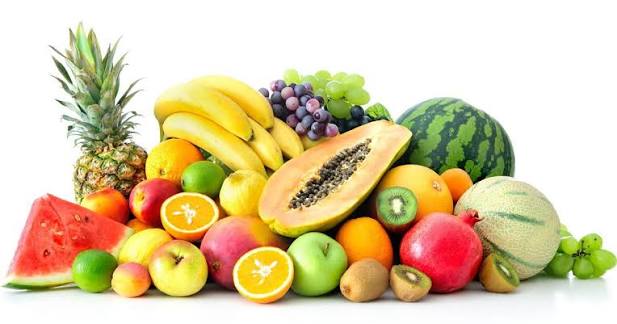

Fruits are among the simplest foods to include in a balanced diet, yet they offer an impressive combination of vitamins, minerals, fiber, natural carbohydrates, antioxidants, and water. From familiar choices such as apples and bananas to tropical favorites such as mangoes and papayas, every fruit has its own flavor, texture, nutritional profile, and culinary uses. Learning different fruits name can make grocery shopping easier and help people build a more varied and enjoyable diet.
A colorful fruit bowl can also represent a wide range of nutrients. Citrus fruits are well known for vitamin C, bananas provide potassium and carbohydrates, berries contain numerous plant compounds, while fruits such as guava and papaya can contribute valuable amounts of vitamins and fiber. Instead of focusing on a single “best” fruit, it is generally more useful to enjoy different varieties throughout the week.
The availability of fruit also changes according to geography, climate, and season. Some fruits are widely available throughout the year, while others are strongly associated with particular seasons. Understanding fruits name and their characteristics can therefore help families make better choices, reduce dietary monotony, and discover new options beyond the fruits they regularly eat.
Why Eating Different Fruits Matters
Eating a variety of fruits is valuable because no single fruit provides every nutrient in the same proportion. Different colors and varieties often indicate different naturally occurring plant compounds. For example, orange and yellow fruits may provide carotenoids, while berries are particularly known for their polyphenol content. Green fruits can contribute folate, vitamin K, fiber, and other nutrients depending on the variety.
Another important advantage is dietary fiber. Whole fruits generally contain fiber that can support normal digestion and contribute to feelings of fullness. Fiber also slows the absorption of naturally occurring sugars compared with many highly processed sweet foods. This makes whole fruit a practical option for people looking for nutritious snacks between meals.
Fresh fruit can also contribute to hydration because many varieties contain a considerable amount of water. Watermelon, oranges, strawberries, peaches, and grapes are examples of fruits that can be refreshing during warm weather. Choosing different fruits rather than repeatedly eating only one variety makes everyday meals more interesting while broadening the range of nutrients consumed.
Common Fruits and Their Nutritional Characteristics
When people search for fruits name, they are often looking for a simple list, but the differences between fruits are more useful than a list alone. Apples, bananas, oranges, mangoes, grapes, watermelon, papaya, pineapple, guava, pears, pomegranate, strawberries, and kiwi are just some of the widely recognized choices.
Apples are convenient, portable, and naturally rich in fiber, particularly when the skin is eaten after proper washing. Bananas are soft, filling, and provide carbohydrates and potassium, making them popular as a breakfast food or pre-activity snack. Oranges and other citrus fruits are refreshing and contribute vitamin C. Mangoes are naturally sweet and provide carotenoids and other nutrients, while guava is notable for its vitamin C and fiber content.
Quick Comparison of Popular Fruits
| Fruit | Notable Nutrients | Common Uses | Typical Benefit |
|---|---|---|---|
| Apple | Fiber, vitamin C | Snacks, salads | Supports a fiber-rich diet |
| Banana | Potassium, carbohydrates, vitamin B6 | Breakfast, smoothies | Convenient energy source |
| Orange | Vitamin C, folate | Fresh eating, juice | Supports normal immune function |
| Mango | Vitamins A and C, carotenoids | Fresh, smoothies | Nutrient-rich seasonal fruit |
| Guava | Vitamin C, fiber | Fresh eating, salads | Excellent vitamin C source |
| Papaya | Vitamins A and C, fiber | Fresh, breakfast | Supports digestive-friendly eating |
| Watermelon | Water, vitamin C | Fresh, salads | Refreshing and hydrating |
| Pomegranate | Polyphenols, vitamin C | Fresh, salads | Provides beneficial plant compounds |
This comparison shows why variety matters. Some fruits are especially useful for hydration, while others provide more fiber or particular vitamins. Rather than trying to identify one perfect choice, consumers can select fruits according to their nutritional needs, availability, taste preferences, and meal plans.
Fruits Name by Color and Variety
Color can be a simple way to encourage greater variety in a diet. Red fruits such as strawberries, watermelon, cherries, and red apples can bring different plant compounds to meals. Orange and yellow options such as mangoes, oranges, papayas, peaches, and pineapples can add bright flavors as well as various vitamins and carotenoids.
Green fruits offer another group of choices. Kiwi, green grapes, pears, and guava can be eaten fresh or incorporated into salads and breakfast dishes. Purple and dark-colored fruits such as blackberries, plums, and some grape varieties are also useful additions. The goal is not to follow a rigid color system but to make variety an easy habit.
A colorful selection can be particularly useful for children because visual variety may make healthy foods more appealing. Instead of serving the same fruit every day, parents can rotate several options and allow children to explore different textures and flavors. This approach can gradually make fruit a normal part of everyday eating.
Seasonal Fruits and Why Seasonality Matters
Seasonal fruit often has advantages related to freshness, availability, flavor, and price. When a particular fruit is naturally abundant, it may become easier to find at local markets and may cost less than it does outside its normal season. Seasonal eating can also encourage people to vary their diets throughout the year.
For example, mangoes are strongly associated with warm-weather months in many regions, while citrus fruits may be particularly popular during cooler periods. Watermelon becomes especially appealing during hot weather because of its high water content. The exact season varies between countries and regions, so consumers should pay attention to what is locally available rather than following a universal seasonal calendar.
Knowing fruits name according to the season can also make meal planning more interesting. A household can enjoy certain fruits when they are at their best and switch to different varieties as the year changes. This natural rotation helps prevent boredom and introduces different nutritional profiles over time.
How to Add More Fruits to Everyday Meals
Adding fruit does not require complicated recipes. A banana can be paired with breakfast, sliced apples can accompany a snack, berries can be mixed into yogurt, and chopped fruit can be added to oatmeal. These small changes can increase fruit consumption without requiring major changes to a person’s regular routine.

For lunch or dinner, fruits can also be used creatively. Orange segments can add brightness to a salad, pineapple can complement savory dishes, and pomegranate seeds can provide texture to grain-based meals. Fruit does not always have to appear as a separate dessert. It can become part of the meal itself.
For people with busy schedules, preparation can make the habit easier. Washing fruit after purchase, storing ready-to-eat portions, and keeping convenient varieties visible in the kitchen can reduce the temptation to choose highly processed snacks. Whole fruit is generally the simplest option because it requires little preparation.
Fresh Fruit, Dried Fruit, and Fruit Juice
Fresh whole fruit is often the easiest choice when the goal is to increase fiber and maintain portion awareness. Because whole fruit requires chewing and contains its natural structure, it can be more satisfying than drinking an equivalent amount of fruit in liquid form.
Dried fruit can also provide nutrients and fiber, but removing water makes it much more concentrated. This means it is easy to eat a larger amount in a short time. Unsweetened dried fruit can be included in moderation, particularly as part of trail mixes or meals, but portion size is worth considering.
Fruit juice is different from whole fruit because much of the physical structure and some of the fiber may be lost during processing. Some commercial juices may also contain added sugars. For everyday eating, whole fruit generally offers a more complete food experience, while juice can be treated as an occasional beverage rather than the main way to consume fruit.
Smart Ways to Choose and Store Fruits
Choosing good-quality fruit starts with observing appearance, firmness, aroma, and signs of damage. However, not every fruit should be judged by appearance alone. Some naturally have spots, uneven shapes, or different shades without being poor quality. Learning the normal characteristics of each variety makes shopping easier.
Proper storage can also reduce waste. Some fruits continue to ripen after purchase, while others are better consumed relatively soon. Refrigeration can extend the freshness of many fruits, whereas certain varieties develop better flavor when allowed to ripen at room temperature. Keeping ripe fruit visible and using older pieces first can help households avoid unnecessary food waste.
A few practical habits can make fruit consumption easier:
- Keep at least two or three different varieties available at home.
- Wash and prepare fruits appropriately before eating.
- Choose whole fruit more often than heavily sweetened fruit products.
- Rotate seasonal options to maintain variety.
These simple practices can turn fruit from an occasional purchase into a consistent part of everyday meals.
Fruit Choices for Different Situations
Different fruits can suit different moments of the day. Bananas and apples are convenient for people who need portable snacks. Watermelon and oranges can be refreshing during hot weather, while berries can work well with yogurt or breakfast cereals. Softer fruits such as papaya can be useful for people who prefer easy-to-eat options.
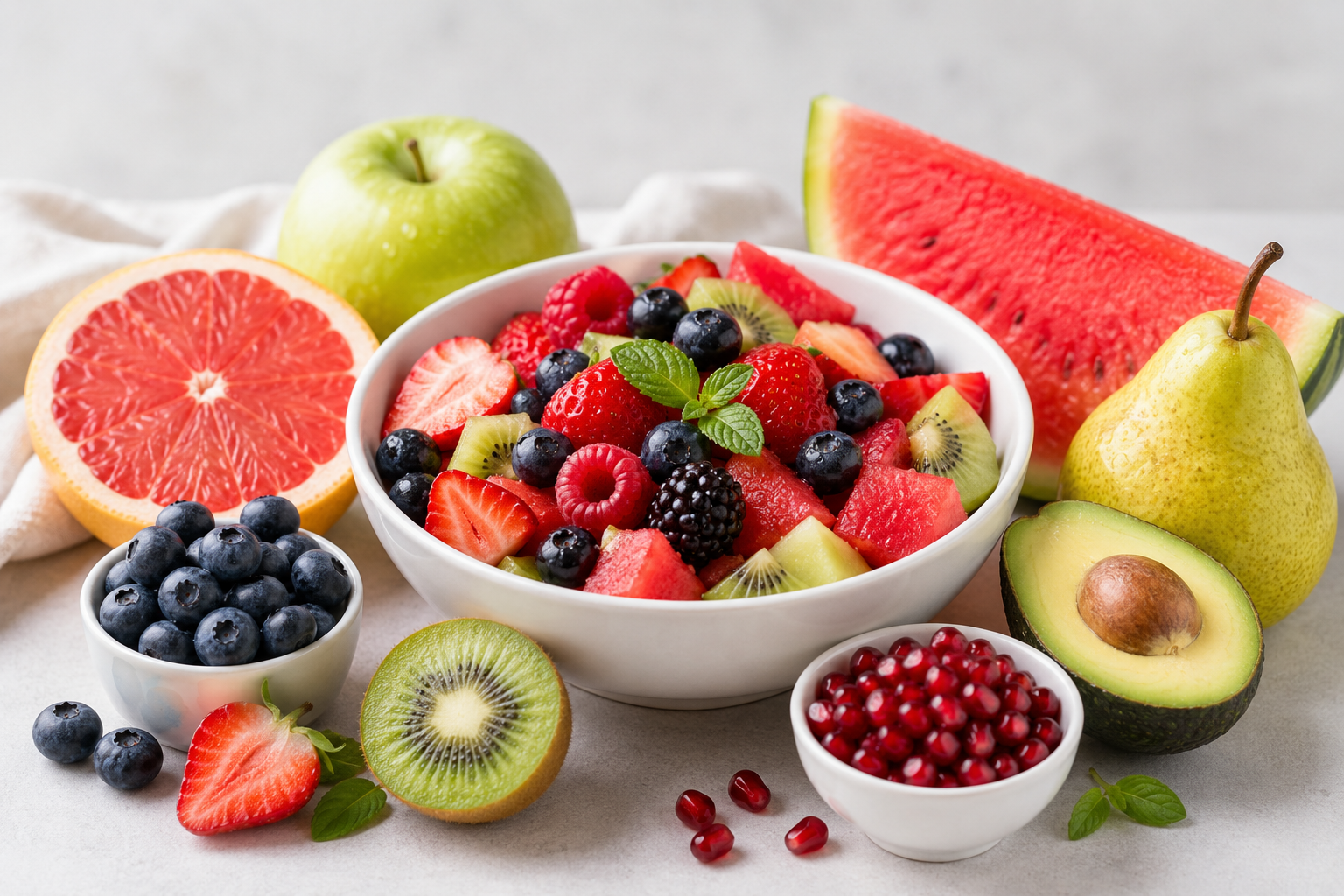
People who exercise may choose fruit as part of a meal or snack because many fruits provide carbohydrates that the body can use for energy. However, individual nutritional needs vary depending on activity level, overall diet, and personal health considerations. Fruit should therefore be viewed as one component of a balanced eating pattern rather than a replacement for all other food groups.
When choosing among fruits name options, personal preference should also matter. A nutritious food that someone genuinely enjoys is more likely to become a consistent part of their routine. There is little benefit in forcing yourself to eat a particular fruit simply because it is considered healthy if another fruit can provide similar nutritional value and is more enjoyable.
Making Fruit a Long-Term Healthy Habit
Building a healthy eating pattern is usually easier when changes are realistic. Instead of suddenly trying to eat large quantities of fruit, people can start by replacing one processed snack with a whole fruit several times a week. Once that becomes routine, another serving can be added to breakfast or lunch.
Families can make the process even easier by keeping several varieties available and involving children in selecting fruits at the market. Trying one unfamiliar fruit each week can also make healthy eating feel like exploration rather than a restriction. Over time, these small habits can create a more diverse diet.
It is also important to remember that fruit works best as part of an overall balanced lifestyle. Vegetables, whole grains, legumes, nuts, seeds, protein-rich foods, and appropriate sources of healthy fats all have important roles. Fruit is valuable, but variety across the entire diet is more important than concentrating on one food category.
Conclusion
Understanding different fruits name is more than memorizing a collection of food terms. It is a practical way to discover the nutritional diversity, flavors, textures, and seasonal possibilities available in everyday eating. Apples, bananas, oranges, mangoes, guavas, papayas, berries, watermelon, pomegranate, and many other varieties can each contribute something useful to a balanced diet. The best approach is to focus on variety rather than searching for one perfect fruit. Choosing different colors, experimenting with seasonal options, eating whole fruit regularly, and incorporating fruit into breakfast, snacks, salads, and other meals can make healthy eating easier and more enjoyable.