

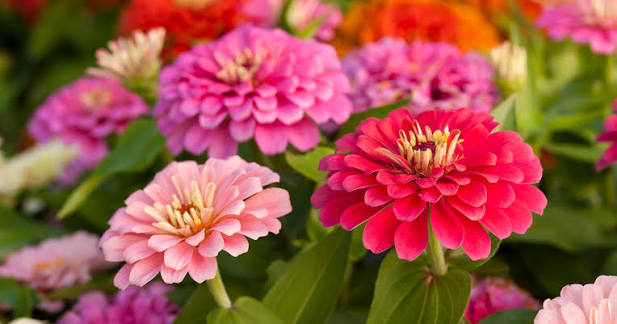

Flowers have a unique ability to bring color, fragrance, emotion, and natural beauty into everyday surroundings. From a simple flower growing beside a pathway to an elaborate arrangement prepared for a special occasion, flowers have been part of human life for centuries. They are associated with celebrations, remembrance, affection, friendship, traditions, and countless cultural practices. Learning about different flowers is therefore not only an exploration of plants but also a way to understand how nature connects with people.
The world of flowers is remarkably diverse. Some varieties are admired for their bright colors, while others are valued for their fragrance, unusual shapes, long blooming periods, or ability to attract butterflies and bees. Gardeners may choose flowers based on climate and maintenance requirements, while others select them according to their appearance or symbolic meaning. Understanding the flowers name of different varieties can make it easier to recognize plants, plan gardens, select gifts, and appreciate seasonal changes.
Modern gardening has also made flowers more accessible to people living in different environments. Large outdoor gardens are not the only places where flowering plants can thrive. Balconies, terraces, windowsills, patios, and small containers can all become attractive growing spaces when the right plants are selected. With thoughtful care and suitable growing conditions, even a limited space can provide an impressive display of natural color.
Understanding the Diversity of Flowers
Flowers are the reproductive structures of flowering plants, scientifically known as angiosperms. Their forms can vary dramatically depending on the plant species. Some flowers are large and showy, while others are tiny and easily overlooked. Their colors can range from soft white and pale pink to vivid red, orange, purple, yellow, and combinations of several shades.
The structure of a flower also influences its appearance and function. Petals often attract pollinators, while reproductive structures inside the flower play an essential role in producing seeds. Fragrance can also help attract particular insects and other pollinating organisms. These characteristics demonstrate that the beauty people see in a garden often serves important biological purposes.
When exploring flowers name collections, it is useful to look beyond appearance. Two flowers may seem similar but belong to completely different plant groups and may require different levels of sunlight, water, soil, and temperature. Identifying these differences helps gardeners make better choices and reduces the chances of placing a plant in an unsuitable environment.
Popular Types of Flowers and Their Characteristics
Some flowers have become especially familiar because they are widely cultivated, frequently used in decorations, or naturally attractive. Roses, lilies, tulips, marigolds, sunflowers, daisies, orchids, chrysanthemums, carnations, and hibiscus are examples of flowering plants recognized in many parts of the world.
Roses are commonly associated with beauty and affection and are available in numerous colors and growth forms. Sunflowers are easily recognized by their large flower heads and bright appearance, while tulips are particularly associated with seasonal displays in many temperate regions. Marigolds are popular in gardens because of their vivid colors and adaptability. Orchids, meanwhile, are admired for their distinctive shapes and elegant appearance.
The following table gives a simple overview of several familiar flowers and some characteristics that can help beginners understand their differences.
| Flower | Common Colors | Typical Growing Preference | Common Appeal |
|---|---|---|---|
| Rose | Red, pink, white, yellow | Sunlight and well-drained soil | Beauty and fragrance |
| Sunflower | Yellow, orange | Bright sunlight | Bold appearance |
| Tulip | Red, pink, yellow, purple | Cool seasonal conditions | Elegant seasonal displays |
| Marigold | Yellow, orange | Sunlight and moderate watering | Easy garden color |
| Lily | White, pink, orange, yellow | Varies by species | Fragrance and form |
| Daisy | White, pink, yellow | Sunlight and suitable soil | Simple natural appearance |
| Orchid | White, purple, pink, yellow | Bright indirect light for many types | Decorative elegance |
| Hibiscus | Red, pink, yellow, orange | Warm conditions and sunlight | Large colorful blooms |
Flowers and Their Symbolic Meanings
Flowers often communicate feelings without requiring words. Their meanings can differ according to culture, historical period, color, and social tradition, but certain associations have become widely recognized. Roses are frequently connected with love and affection, while lilies can represent purity or remembrance in particular traditions. Sunflowers are often associated with brightness, optimism, and warmth because of their striking appearance.
Color can also influence the meaning people attach to a flower. Red commonly suggests strong emotion or passion, white may be connected with peace or purity, and yellow can represent happiness, friendship, or energy. However, these interpretations are not universal. A flower may carry a completely different meaning in another culture or personal context.
This symbolic quality is one reason flowers remain popular for important events. Weddings, birthdays, anniversaries, festivals, ceremonies, and memorial occasions often include carefully selected flowers. The choice may be based on color, seasonal availability, personal preference, or the message the arrangement is intended to communicate.
How Flowers Improve Gardens and Outdoor Spaces
Flowers can completely change the appearance of an outdoor area. A garden without flowering plants may still contain attractive foliage, but blooms introduce seasonal color and visual movement. Combining flowers with shrubs, grasses, trees, and ground-cover plants can create a layered landscape that changes throughout the year.

Garden design does not always require a large area. Small beds can be planned around a particular color theme, while containers can hold flowering plants on balconies and patios. Vertical arrangements can also make use of limited space. The important factor is matching each plant with appropriate conditions rather than simply choosing flowers based on appearance.
For people who want a continuously attractive garden, selecting plants with different blooming periods can be especially useful. Instead of expecting every plant to flower at the same time, gardeners can combine early-season, summer, and later-season varieties. This approach creates changing displays and provides food sources for pollinators over a longer period.
Choosing Flowers According to Climate
Climate is one of the most important considerations when selecting flowering plants. Temperature, humidity, rainfall, sunlight, and seasonal changes can all influence whether a flower grows successfully. A variety that performs exceptionally well in a cool region may struggle in an extremely hot environment, while tropical plants may require protection in colder climates.
Before planting, gardeners should consider how much direct sunlight is available throughout the day. Some flowering plants need several hours of strong sunlight, whereas others perform better under partial shade or filtered light. Soil conditions are equally important because poor drainage can damage roots and create conditions favorable to disease.
Local seasonal patterns should also influence planting decisions. In warm regions, gardeners may need to protect sensitive plants from intense afternoon heat. In cooler regions, frost and low temperatures may determine when certain plants can safely be grown outdoors. Choosing plants that naturally suit the environment often makes gardening easier and more sustainable.
Basic Care for Healthy Flowering Plants
Healthy flowers usually begin with healthy roots and suitable growing conditions. Watering should be based on the plant’s needs rather than following an identical schedule for every variety. Overwatering can be as damaging as underwatering because continuously wet soil may restrict oxygen around roots and encourage root problems.
Sunlight is another essential factor. A flowering plant receiving insufficient light may produce fewer blooms or develop weak growth. On the other hand, excessive heat and intense direct sunlight can stress varieties that naturally prefer partial shade. Observing the plant’s leaves and overall growth can help gardeners identify whether conditions need adjustment.
A few basic practices can make flower care more effective:
- Use well-draining soil appropriate for the plant.
- Provide the amount of sunlight recommended for the variety.
- Water according to soil moisture and weather conditions.
- Remove damaged growth when appropriate to encourage healthy development.
- Monitor plants regularly for pests, disease, or signs of stress.
The Role of Flowers in Supporting Pollinators
Flowers play an important role in ecosystems because they provide resources for pollinating insects and other animals. Bees, butterflies, moths, beetles, birds, and other organisms may visit flowers to collect nectar or pollen. During these visits, pollen can be transferred between flowers, helping many plants reproduce.
A garden containing different flowering plants can provide valuable resources at different times of the year. Native flowering plants can be particularly useful because local pollinators may have evolved alongside them. However, a diverse garden containing several suitable flowering varieties can also contribute to a healthier outdoor environment.
Gardeners can support pollinators by reducing unnecessary disturbance and providing a range of flowering plants. Avoiding excessive chemical treatments and maintaining some natural habitat can also make a garden more welcoming to beneficial insects.
Flowers in Homes, Events, and Everyday Life
Flowers are not limited to gardens. They are widely used indoors to make spaces feel more welcoming and visually appealing. A small vase placed on a dining table, desk, entryway, or shelf can introduce natural color without requiring major changes to a room.
Fresh flowers are particularly common during celebrations. Bouquets and floral arrangements can create a visual theme for weddings, parties, cultural events, and formal gatherings. Dried flowers have also become popular because they can preserve the appearance of certain varieties for much longer than fresh blooms.
Beyond decoration, flowers can become part of personal routines. Caring for flowering plants encourages observation and patience, while arranging flowers can be a relaxing creative activity. For many people, simply spending time around plants can make an indoor or outdoor environment feel more connected to nature.
How to Select Flowers for Different Purposes
Choosing the right flower depends on what the person or gardener wants to achieve. Someone creating a colorful balcony may prioritize compact plants that tolerate containers, while a person designing a large garden may focus on plants that create height, texture, and seasonal variety.
For gifts, color and symbolism can influence the decision. For landscaping, factors such as mature size, sunlight, watering needs, and local climate are generally more important. For pollinator-friendly gardens, flowers that provide accessible nectar and pollen can be particularly valuable.
When comparing flowers name options, it is helpful to consider these questions:
- Where will the plant be grown?
- How much sunlight is available?
- How much maintenance is practical?
- When should the plant flower?
- Is fragrance, color, size, or pollinator value the main priority?
Seasonal Beauty and Changing Flower Displays
One of the most enjoyable aspects of gardening is watching flowers change with the seasons. Spring often brings fresh growth and colorful blooms after cooler months, while summer gardens can become especially vibrant in warm conditions. Autumn introduces its own selection of flowering plants and changing foliage, while winter may provide opportunities for varieties adapted to cooler conditions.
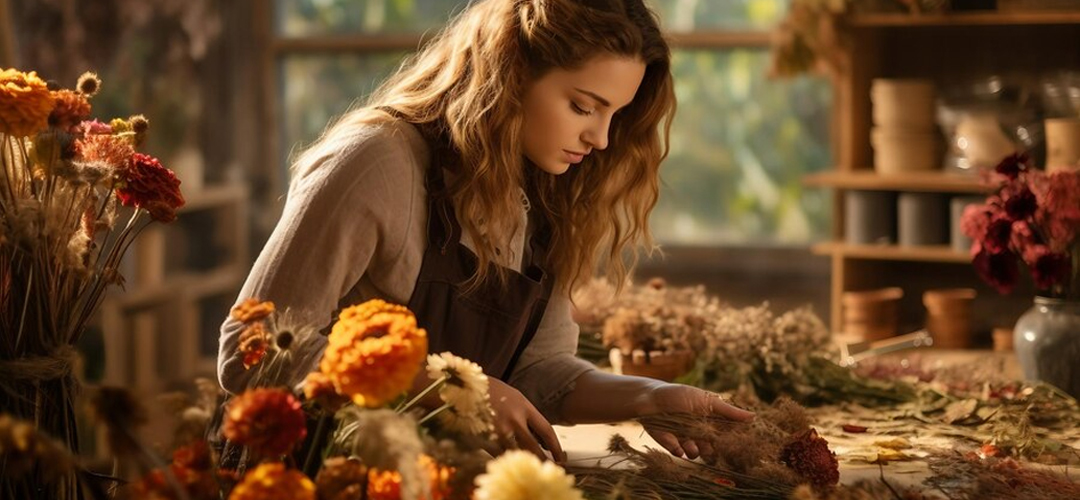
Seasonal gardening also encourages people to understand natural cycles. Instead of expecting the same appearance throughout the year, gardeners can appreciate how plants respond to temperature, daylight, rainfall, and other environmental changes. This creates a more dynamic relationship with the garden.
Planning around seasons can also reduce maintenance problems. Plants selected for the appropriate period are generally more likely to establish successfully and flower at the expected time. With thoughtful planning, a garden can have something visually interesting happening during much of the year.
Growing Flowers in Small Spaces
Limited space does not mean people have to give up gardening. Containers, hanging baskets, window boxes, and compact planters can support many flowering plants. The key is selecting varieties whose mature size matches the available container and providing sufficient drainage.
Balcony gardening can also be designed vertically. Shelving, plant stands, and wall-mounted containers can increase growing capacity without requiring additional floor space. However, gardeners should consider weight, sunlight exposure, wind, and watering access before placing numerous containers in elevated spaces.
Indoor flowering plants require slightly different considerations. Light availability is often the biggest challenge. A bright room may support certain varieties, while darker spaces may require plants adapted to lower light. Good air circulation and appropriate watering remain important regardless of where the plant is grown.
The Lasting Value of Flowers
Flowers contribute far more than temporary visual beauty. They connect people with nature, support pollinators, add character to landscapes, and provide meaningful ways to celebrate important moments. They can turn an ordinary garden into a lively seasonal environment and transform simple indoor spaces with color and texture.
Learning different flowers name varieties also develops a better understanding of plant diversity. Once people begin recognizing flowers by their characteristics, they often become more interested in leaves, seeds, pollinators, soil, seasons, and broader ecosystems. Gardening can therefore become both a creative hobby and an opportunity to learn about the natural world.
Conclusion
Flowers remain among nature’s most accessible and expressive forms of beauty. Their colors, shapes, fragrances, seasonal patterns, and cultural meanings make them valuable in gardens, homes, celebrations, and natural habitats. Whether someone is an experienced gardener or simply beginning to explore plants, understanding different flowers can make the experience more rewarding. The best approach is to choose plants according to their environment, care requirements, purpose, and personal preferences. With suitable sunlight, soil, water, and attention, many flowering plants can thrive and provide lasting enjoyment. Ultimately, flowers remind us that even small natural details can bring significant beauty and meaning into everyday life.