

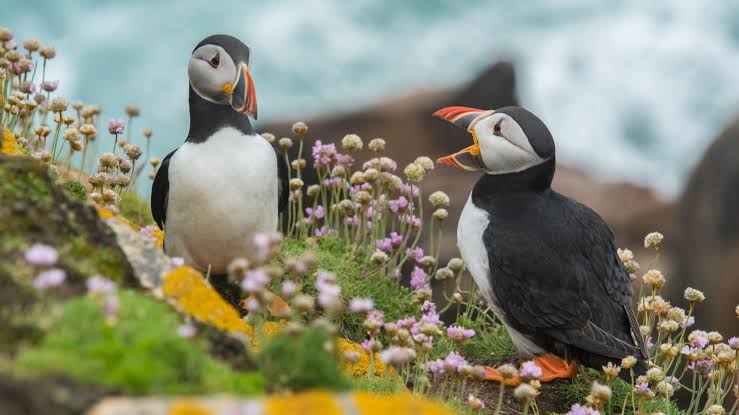

Birds are among the most fascinating and diverse animals found across the planet. They live in forests, wetlands, grasslands, deserts, mountains, cities, farms, and even remote islands. From tiny hummingbirds moving rapidly between flowers to powerful eagles soaring high above mountains, every species has developed characteristics that help it survive in its environment. Learning about different birds can be an enjoyable way to understand wildlife, ecosystems, migration, and the natural world around us.
The subject of birds name is especially useful for students, nature enthusiasts, gardeners, travelers, and anyone interested in identifying the birds they see in everyday life. Birds vary greatly in size, color, behavior, diet, flight patterns, and nesting habits. Some are famous for their beautiful songs, while others are recognized for their impressive hunting skills, unusual appearance, or remarkable ability to travel thousands of kilometers during migration.
Understanding birds is not simply about memorizing names. Each bird provides clues about the environment in which it lives. A bird that feeds mainly on insects may help control pest populations, while nectar-feeding species can contribute to pollination. Birds that eat fruits may help spread seeds across forests and other habitats. Because of these connections, observing and identifying birds can reveal important information about the health and balance of local ecosystems.
Understanding the Diversity of Birds
There are thousands of bird species across the world, and their differences are often striking. Some species have long, curved beaks designed for reaching nectar, while others have powerful hooked bills suited to tearing food. Waterbirds may have webbed feet that help them swim, whereas birds that spend most of their time in trees often have feet adapted for gripping branches.
One of the most interesting aspects of birds is how their physical features match their lifestyles. An owl has specialized adaptations for hunting in low-light conditions, while a duck has a body shape and feet suited to life around water. Woodpeckers have strong bills that allow them to search tree trunks for insects, and birds of prey often have sharp talons that help them capture food. These adaptations developed over long periods and allow different species to occupy specific ecological niches.
Why Bird Identification Matters
Identifying birds can be more than a recreational activity. It helps people develop a better understanding of local wildlife and recognize changes in their surroundings. For example, noticing which species appear during different seasons can provide clues about migration patterns and weather conditions. A sudden decline in commonly seen birds may also encourage communities to think about habitat loss, pollution, food availability, or other environmental pressures.
For beginners, bird identification usually starts with simple characteristics such as size, color, beak shape, tail length, movement, and sound. Over time, observers can learn to recognize species based on more subtle features. The process becomes particularly rewarding when a familiar bird is seen in an unusual habitat or displaying a behavior that has not been noticed before.
Popular Birds and Their Distinctive Features
The world of birds includes species that are familiar to people in many different regions. Sparrows, pigeons, crows, parrots, doves, eagles, owls, peacocks, ducks, and kingfishers are just a few examples that many people recognize. However, even familiar species can become much more interesting when their behavior and ecological roles are examined closely.
Small songbirds often attract attention because of their calls and active movements. Sparrows may be seen around buildings and gardens, while other small birds prefer woodland or grassland environments. Parrots are widely known for their colorful feathers, strong curved bills, and intelligence. Crows, meanwhile, are adaptable birds that can survive successfully in both natural and urban environments.
Birds of prey represent another fascinating group. Eagles, hawks, falcons, and owls have physical characteristics that support hunting. Their eyesight, talons, beaks, and flight abilities allow them to locate and capture prey efficiently. Owls are particularly distinctive because many species are active at night and have adaptations that allow them to detect prey in darkness.
Common Birds and Their Habitats
Different birds prefer different habitats depending on their food, nesting requirements, climate tolerance, and protection from predators. Some species are strongly associated with forests, while others are comfortable living around people. Wetlands are especially important for ducks, herons, storks, and many migratory birds because these environments provide food and suitable resting areas.
Urban environments have also become important habitats for adaptable species. Pigeons, crows, mynas, sparrows, and several other birds can live successfully around buildings, parks, roads, gardens, and markets. Their ability to use human-created environments demonstrates how flexible certain species can be.
The following table provides a simple overview of several familiar birds and the environments where they are commonly associated.
| Bird | Typical Habitat | Common Food | Distinctive Feature |
|---|---|---|---|
| Sparrow | Gardens, towns, farms | Seeds and insects | Small size and active behavior |
| Eagle | Mountains, forests, open landscapes | Fish and animals | Powerful talons and excellent vision |
| Peacock | Forest edges, grasslands, cultivated areas | Plants, insects, grains | Large decorative tail feathers |
| Duck | Lakes, ponds, wetlands | Plants, insects, small aquatic organisms | Webbed feet |
| Owl | Forests, grasslands, rural areas | Small mammals and insects | Strong nighttime hunting abilities |
| Parrot | Forests, gardens, tropical areas | Fruits, seeds, nuts | Curved bill and colorful plumage |
| Kingfisher | Rivers, lakes, wetlands | Fish and aquatic animals | Specialized bill for catching prey |
How Birds Find Food
Feeding behavior differs considerably from one species to another. Some birds are primarily insectivores, while others consume seeds, fruits, nectar, fish, small animals, or a combination of foods. This dietary variety helps reduce direct competition between species because birds can use different food sources within the same ecosystem.

Birds have developed specialized feeding techniques to match their diets. A kingfisher may wait patiently before diving toward water to catch fish, while a woodpecker searches tree bark for insects. Nectar-feeding birds use specialized beaks and tongues to access flowers, and seed-eating birds often have strong bills capable of breaking hard coverings.
Birds and the Natural Food Chain
Birds play several important roles in food webs. Predatory species can help regulate populations of smaller animals, while insect-eating birds may consume large numbers of insects. Fruit-eating species can transport seeds from one location to another, helping plants spread naturally.
This relationship means that birds are closely connected to the health of ecosystems. When habitats change significantly, bird populations may also be affected because food sources, nesting locations, and shelter can become less available. Protecting natural environments therefore benefits not only birds but also many other organisms that share the same habitats.
Bird Migration and Seasonal Movement
Migration is one of the most remarkable behaviors found among birds. Certain species travel enormous distances between breeding and non-breeding areas, often following seasonal changes in temperature and food availability. Some migratory journeys cross mountains, deserts, oceans, and national borders.
Migration requires considerable energy and careful timing. Birds may rely on environmental signals such as daylight changes, temperature, weather patterns, and food availability. Some species return to approximately the same areas each year, demonstrating impressive navigational abilities.
The topic of birds name becomes especially interesting when migration is considered because the same species may be observed in completely different locations during different parts of the year. This seasonal movement also connects ecosystems that may be thousands of kilometers apart.
Unique Adaptations That Help Birds Survive
Birds have evolved a remarkable range of adaptations. Feathers provide insulation, help with flight, and can also play important roles in communication and courtship. Wing shapes vary depending on how a bird flies. Species that glide over large distances may have different wing structures from birds that move quickly through dense forests.
Beak shape is another important adaptation. A long, narrow beak can be useful for reaching food in flowers, while a broad bill may help a bird filter or collect food from water. Birds that consume hard seeds often have strong, compact bills. These differences demonstrate how physical characteristics are closely connected with feeding strategies and habitat.
How Birds Communicate
Birds communicate through calls, songs, body movements, feather displays, and other behaviors. Their vocalizations may warn others about predators, attract mates, defend territory, or help parents and young birds remain connected.
Birdsong can be particularly complex. Some species produce varied sequences of notes that can be recognized by other members of the same species. In urban areas, birds may even adjust the timing or volume of their calls because traffic, construction, and other human sounds can make communication more difficult.
Interesting Ways to Observe Birds
Birdwatching does not require expensive equipment or extensive experience. A quiet walk through a park, garden, forest, wetland, or open area can provide opportunities to observe different species. Beginners can start by paying attention to movement, body shape, colors, calls, and feeding behavior.
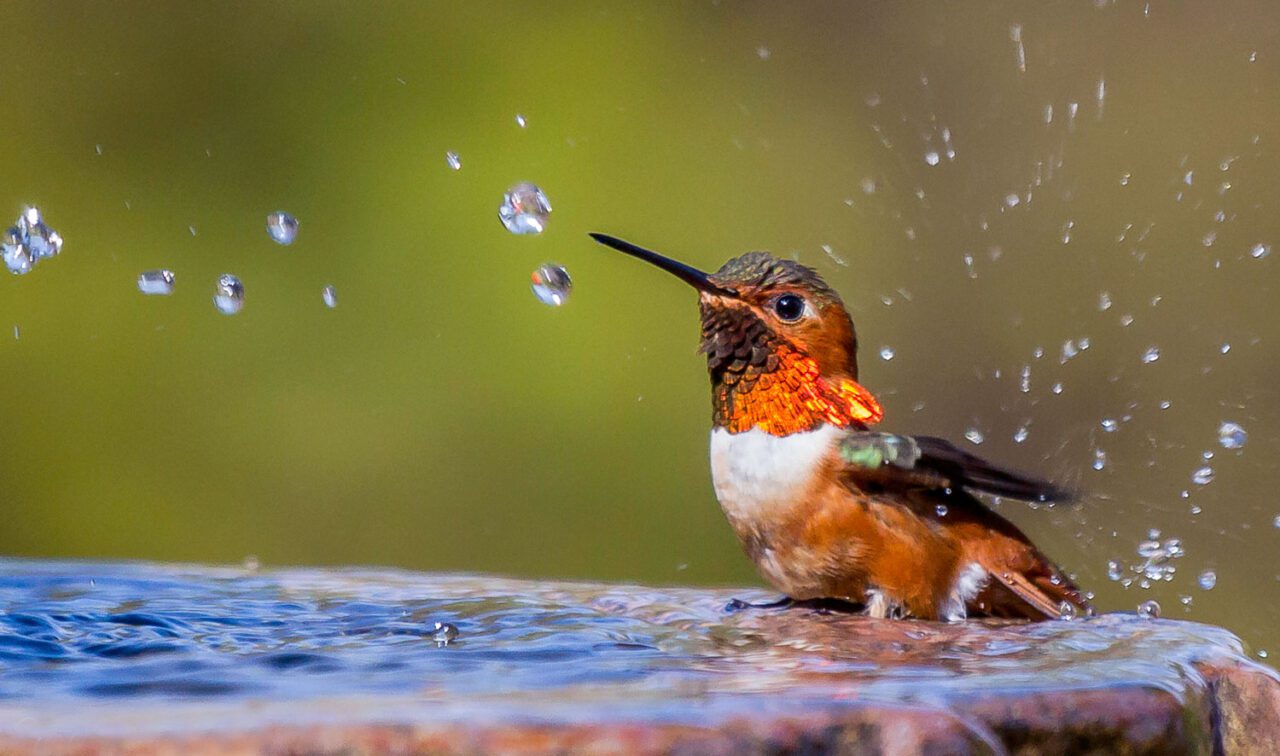
A patient approach is usually more useful than trying to chase or approach birds closely. Birds are sensitive to sudden movement, loud sounds, and disturbances around nests. Respectful observation allows people to learn about wildlife without interfering with natural behavior.
A few simple habits can make bird observation more rewarding:
- Observe quietly and avoid sudden movements.
- Pay attention to habitat as well as appearance.
- Note the bird’s size, shape, color, call, and behavior.
- Avoid disturbing nests, eggs, chicks, or feeding areas.
- Keep a simple record of species and observation dates.
Birds in Urban Environments
Modern cities may appear unsuitable for wildlife, but many birds have adapted remarkably well to urban conditions. Parks, gardens, rooftops, balconies, roadside trees, and open spaces can provide food and shelter. Some species have become so common in cities that people may overlook how adaptable they actually are.
However, urban development can also create challenges. Loss of mature trees, excessive noise, pollution, glass buildings, reduced nesting spaces, and limited food sources can affect bird populations. Creating bird-friendly spaces with native plants, water sources, and suitable vegetation can help improve urban habitats.
People can also support birds by avoiding unnecessary disturbance and maintaining natural vegetation where possible. Even small gardens can provide insects, seeds, nectar, and shelter. When many small habitats are connected, they can become valuable resources for local wildlife.
Why Birds Are Important to the Environment
Birds contribute to ecosystems in several ways. They can disperse seeds, pollinate certain plants, consume insects, clean up organic remains, and serve as both predators and prey within food webs. These functions help maintain ecological relationships that may not always be visible to people.
Birds can also act as indicators of environmental change. Because many species depend on particular habitats and food sources, changes in their populations may signal broader ecological problems. Monitoring birds can therefore contribute to scientific research and conservation efforts.
Protecting birds does not only mean protecting individual species. It often requires protecting forests, wetlands, grasslands, rivers, coastal areas, and other habitats. Healthy habitats provide the food, shelter, nesting locations, and breeding conditions that birds need to survive.
How Children Can Learn About Birds
Birds are excellent subjects for educational activities because they can often be observed without special facilities. Children can learn to identify common species, draw birds, record observations, study feathers, and explore how different beaks and feet are adapted to different lifestyles.
Learning about birds can also introduce broader scientific concepts such as ecosystems, food chains, adaptation, migration, biodiversity, and environmental conservation. Instead of simply memorizing names, children can ask why a bird has a particular beak, why it lives in a specific habitat, or why it migrates during certain seasons.
This approach makes the study of birds more meaningful because it connects individual species with the larger natural systems around them.
Conclusion
The world of birds is incredibly diverse, and every species has a role shaped by its habitat, diet, physical characteristics, and behavior. From tiny garden visitors to large birds of prey, birds demonstrate how life can adapt to remarkably different environmental conditions. Exploring birds name can therefore become an introduction to much broader ideas about biodiversity, ecology, migration, adaptation, and conservation. Learning about birds also encourages people to pay closer attention to nature. A bird seen on a balcony, flying across a field, sitting beside a pond, or calling from a tree may represent a small but important part of a much larger ecosystem. By observing birds responsibly and protecting the habitats they depend on, people can contribute to a healthier environment while developing a deeper appreciation for wildlife.