

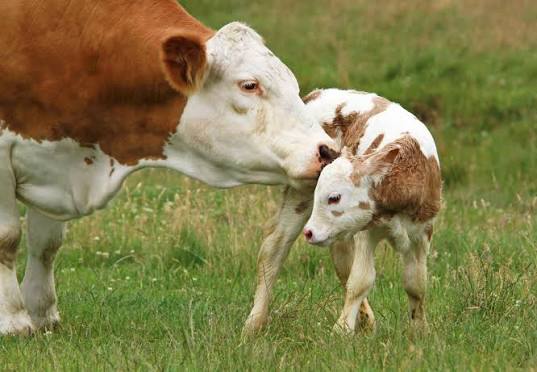

The animal kingdom is one of the most diverse and fascinating parts of life on Earth. From tiny insects living beneath leaves to enormous mammals moving across oceans and grasslands, animals have developed remarkable ways to survive, communicate, find food, reproduce, and adapt to changing environments. The enormous variety found across forests, deserts, mountains, rivers, oceans, wetlands, and even urban areas shows how successfully different species have responded to their surroundings.
Learning about animals is not simply about memorizing species names. It is an opportunity to understand how living organisms interact with nature and with one another. Every species has a role within its ecosystem, whether it is a predator controlling prey populations, a herbivore influencing vegetation, a pollinator helping plants reproduce, or a decomposer contributing to nutrient cycles. Exploring animals name as a broad subject therefore provides a useful way to appreciate biodiversity and the complex relationships that keep natural environments functioning.
The modern world is also changing the relationship between people and wildlife. Habitat loss, pollution, climate change, illegal hunting, invasive species, and expanding human settlements can place pressure on many populations. At the same time, scientific research, protected areas, habitat restoration, responsible tourism, and conservation programs are helping people better understand and protect wildlife. This makes knowledge about animals increasingly valuable for students, families, nature enthusiasts, and anyone interested in the natural world.
Understanding the Diversity of Animals
Animals can be found in almost every environment on the planet. Some species spend their entire lives in water, while others are adapted to dry deserts, freezing polar regions, dense tropical forests, open grasslands, or high mountain landscapes. Their physical characteristics often reveal how closely they are connected to their habitats. Thick fur can provide insulation in cold climates, while specialized feet, streamlined bodies, camouflage, sharp claws, or powerful wings can help different species survive in particular environments.
When people explore animals name, they encounter creatures that differ dramatically in size, appearance, behavior, and lifestyle. A small frog and a large elephant may seem to have little in common, yet both depend on suitable habitats, access to food and water, reproduction opportunities, and protection from environmental threats. Their differences demonstrate the extraordinary range of evolutionary adaptations that have developed over long periods.
Major Groups in the Animal Kingdom
Scientists classify animals into broad groups based on characteristics such as body structure, reproduction, evolutionary relationships, and other biological features. Vertebrates include mammals, birds, reptiles, amphibians, and fish, while invertebrates include enormous groups such as insects, spiders, mollusks, worms, crustaceans, and many other organisms. Invertebrates make up the majority of known animal species and occupy nearly every ecosystem.
Mammals are generally recognized by characteristics such as hair or fur and the ability of females to produce milk for their young. Birds have feathers and specialized bodies adapted for flight, although some species have evolved different lifestyles. Reptiles include animals such as snakes, lizards, turtles, and crocodilians, while amphibians commonly have life cycles associated with both aquatic and terrestrial environments. Fish represent a diverse collection of aquatic vertebrates with numerous adaptations for living in freshwater and marine habitats.
How Animals Adapt to Their Habitats
Adaptation is one of the most interesting aspects of wildlife. Over generations, populations can develop characteristics that improve their ability to survive and reproduce in particular environments. These characteristics may involve body structure, behavior, feeding habits, movement, communication, or methods of protecting themselves from predators and environmental challenges.
A desert animal, for example, may have behavioral or physical adaptations that reduce water loss and help it cope with intense heat. Animals living in cold regions may have insulation, seasonal behaviors, or body features that help them conserve heat. Aquatic species may possess streamlined bodies, specialized breathing systems, fins, flippers, or other characteristics that make movement and survival in water more efficient.
Camouflage is another impressive adaptation. Some animals have colors and patterns that help them blend into leaves, rocks, sand, snow, or vegetation. Others use contrasting patterns to confuse predators or prey. Certain species can even change their appearance according to environmental conditions. These adaptations demonstrate that survival is often closely connected to an animal’s ability to interact effectively with its surroundings.
Animal Diets and Feeding Behavior
Food is essential for every animal, but feeding strategies vary enormously. Herbivores primarily consume plants, carnivores depend mainly on other animals, and omnivores can obtain nutrition from both plant and animal sources. Some species specialize in particular foods, while others have flexible diets that allow them to take advantage of whatever resources are available.
Predators may use speed, strength, stealth, teamwork, or specialized senses to capture prey. A bird may rely on excellent eyesight to locate food from above, while a nocturnal mammal may depend heavily on hearing and smell. Herbivores have developed different strategies for finding, processing, and digesting plant material. Some have specialized teeth and digestive systems that allow them to consume grasses, leaves, fruits, seeds, or other vegetation.
Feeding behavior can also influence entire ecosystems. When herbivores consume vegetation, they affect plant growth and distribution. Predators influence prey populations, while scavengers help remove animal remains from the environment. These connections show why understanding animals name also means understanding the relationships between species rather than studying individual creatures in isolation.
Animal Communication and Social Behavior
Animals communicate in many different ways. Sounds are perhaps the most recognizable form of communication, but wildlife also uses body movements, scents, colors, vibrations, touch, and chemical signals. Bird calls can help individuals identify members of their own species, warn others of danger, attract mates, or defend territories. Mammals may use vocalizations, facial expressions, postures, and scent markings for similar purposes.
Social behavior varies considerably between species. Some animals live mostly solitary lives, meeting others primarily for reproduction, while others form complex groups. Herds, flocks, colonies, packs, schools, and other social structures can provide protection, improve access to food, or make raising young easier. In some highly social species, individuals develop complicated relationships and may cooperate to protect territory, find food, or care for offspring.
Animal behavior can change according to age, season, environmental conditions, and availability of resources. Migration is a particularly remarkable example. Some species travel enormous distances between breeding and feeding grounds, using environmental signals to guide their movements. These journeys can be essential to their survival and often connect ecosystems separated by thousands of kilometers.
Where Animals Live
Habitats provide animals with the resources they need to survive. A suitable habitat generally offers access to food, water, shelter, breeding areas, and appropriate environmental conditions. Forests provide trees, vegetation, nesting sites, and numerous food sources, while grasslands support large herbivores and the predators that depend on them. Wetlands provide important breeding and feeding areas for birds, amphibians, fish, and many invertebrates.
Oceans contain an extraordinary range of habitats, from shallow coastal environments to deep-sea ecosystems. Coral reefs support many specialized organisms, while open-water species have adaptations for swimming, finding food, and avoiding predators. Mountains create different environmental zones depending on altitude, temperature, vegetation, and availability of oxygen.
The relationship between animals and habitats is highly interconnected. When a habitat changes significantly, the effects can spread through the entire ecosystem. A reduction in vegetation can influence herbivores, which can then affect predators. Changes in water quality can influence fish, aquatic insects, amphibians, birds, and mammals. Protecting habitats is therefore an important part of protecting wildlife.
Quick Look at Animal Groups
| Animal Group | Common Characteristics | Examples |
|---|---|---|
| Mammals | Hair or fur, milk production | Lions, elephants, whales |
| Birds | Feathers, beaks, lightweight skeletons in many species | Eagles, parrots, penguins |
| Reptiles | Scales and adaptations for terrestrial life | Snakes, turtles, lizards |
| Amphibians | Life cycles often linked to water and land | Frogs, toads, salamanders |
| Fish | Aquatic vertebrates with diverse swimming adaptations | Salmon, sharks, tuna |
| Invertebrates | Lack a vertebral column and include many diverse groups | Butterflies, crabs, octopuses |
The Importance of Animals in Ecosystems
Animals play essential roles in maintaining healthy ecosystems. Bees, butterflies, birds, bats, and other organisms can contribute to pollination, helping plants reproduce. Herbivores influence vegetation growth, while predators help regulate populations of other animals. Scavengers consume remains that might otherwise accumulate, and numerous small organisms contribute to decomposition and nutrient cycling.
These relationships create interconnected food webs. A change affecting one species can sometimes influence many others because organisms depend on one another directly or indirectly. For example, if an important food source becomes scarce, animals that depend on it may experience population changes. Predators that rely on those animals can then be affected as well. This demonstrates why biodiversity is important: healthy ecosystems generally depend on many interconnected species rather than a single organism functioning independently.
The study of animals name also encourages people to recognize that wildlife has value beyond direct benefits to humans. Animals contribute to ecological stability, scientific knowledge, cultural traditions, education, and the natural beauty of landscapes. Understanding these roles can encourage more responsible attitudes toward wildlife and natural resources.
Threats Facing Wildlife Today
Wild animals face a range of challenges in modern environments. Habitat destruction and fragmentation can reduce the space available for feeding, breeding, and movement. Roads, buildings, agriculture, mining, and other forms of development can divide previously connected habitats, making it harder for some species to move safely between areas.
Pollution presents another concern. Plastic waste, chemicals, oil spills, air pollution, and contaminated water can affect animals directly or disrupt the ecosystems on which they depend. Climate change can also alter temperatures, rainfall patterns, seasonal cycles, ocean conditions, and food availability. Species that depend on narrow environmental conditions may find it particularly difficult to adjust when changes happen rapidly.
Several important conservation actions can help reduce these pressures:
- Protecting natural habitats and wildlife corridors.
- Reducing pollution and unnecessary waste.
- Supporting responsible wildlife conservation programs.
- Preventing illegal hunting and trafficking of protected species.
- Encouraging sustainable use of natural resources.
Conservation is most effective when communities, researchers, governments, conservation organizations, and individuals work toward practical solutions. Protecting wildlife does not always mean keeping people completely separate from nature. In many regions, successful conservation depends on finding ways for communities and ecosystems to coexist while reducing harmful pressures on vulnerable species.
How People Can Develop a Better Connection With Wildlife
Learning about animals can begin with simple observation. Visiting responsibly managed natural areas, reading reliable educational material, observing birds from a safe distance, or learning about local species can help people become more aware of biodiversity. Young learners can especially benefit from understanding how an animal’s appearance, behavior, and habitat are connected.
Responsible wildlife observation is important because human curiosity should not cause unnecessary stress or disturbance. Wild animals should generally be given adequate space, particularly during breeding seasons or when they are caring for young. Feeding wild animals can also create problems because it may change their natural behavior or expose them to unsuitable food.
Technology has also changed how people study wildlife. Cameras, satellite tracking, acoustic monitoring, genetic research, drones, and other scientific tools allow researchers to collect information without constantly approaching animals. These technologies can improve understanding of migration, population trends, habitat use, and animal behavior while supporting more informed conservation decisions.
Why Learning About Animals Still Matters
In a rapidly changing world, understanding wildlife remains important because humans are deeply connected to natural systems. Food production, clean water, healthy soils, forests, oceans, and climate processes are all influenced by functioning ecosystems. Animals are part of these systems, and their presence or decline can provide valuable information about environmental conditions.
Exploring animals name can also inspire curiosity and scientific thinking. A simple question about why a bird migrates, how a whale communicates, or how an insect survives winter can lead to deeper questions about evolution, ecology, physiology, and environmental science. This makes animals an excellent starting point for learning about biology and the natural world.
Conclusion
Animals represent an extraordinary range of life, from microscopic organisms and insects to massive whales and elephants. Their adaptations, feeding strategies, communication methods, social structures, and relationships with habitats demonstrate how life has developed to survive in remarkably different environments. Studying animals name provides a broader understanding of biodiversity and reveals the intricate connections that exist between species and ecosystems.