

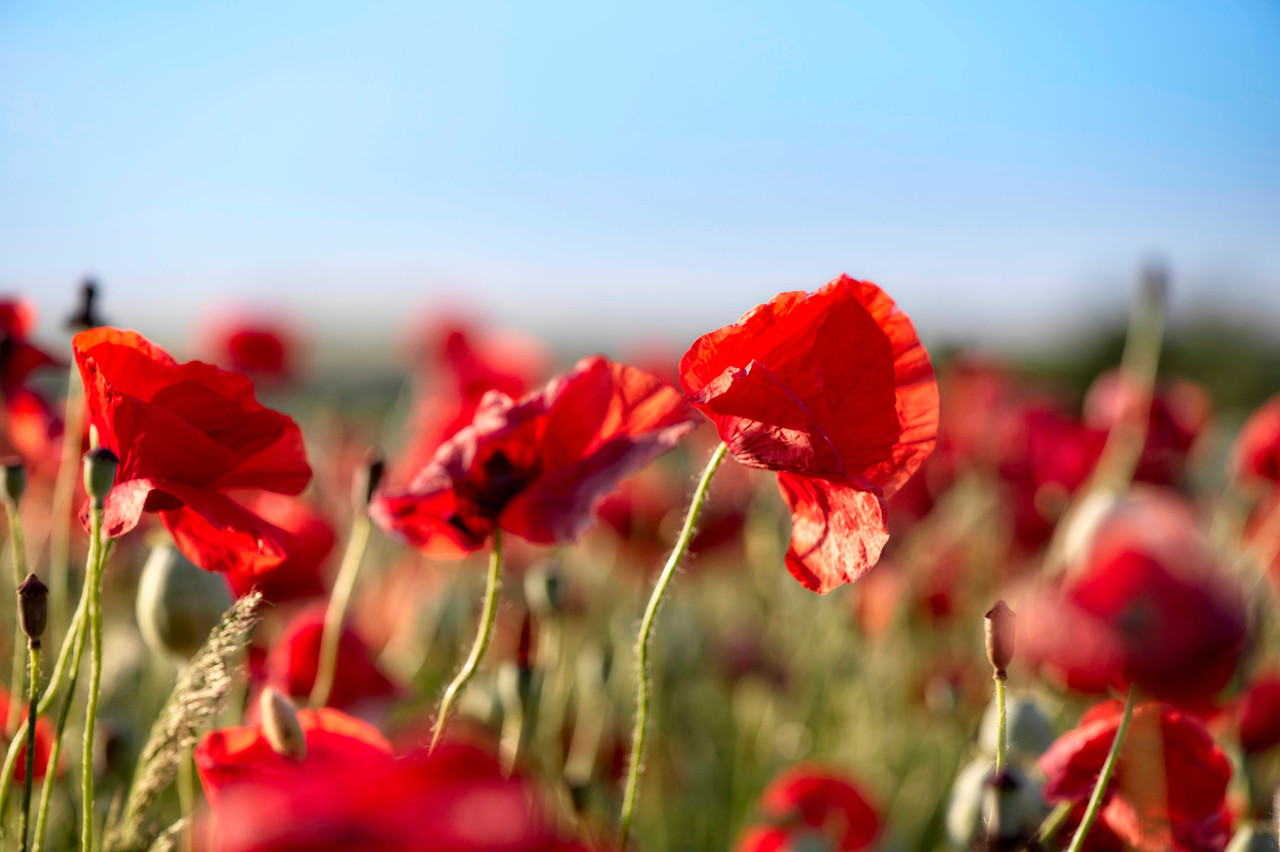

Flowers have always been closely connected with human life, adding color, fragrance, emotion, and natural beauty to everyday surroundings. From a simple flower growing beside a garden path to carefully arranged blooms used at important celebrations, flowers have the ability to transform ordinary spaces into something memorable. They are found in gardens, forests, fields, parks, balconies, farms, and even small indoor arrangements. Beyond their visual appeal, many flowers also play important roles in ecosystems by providing nectar and pollen for insects and supporting the natural cycle of plant reproduction.
The world of flowers is remarkably diverse. Some varieties are recognized for their brilliant colors, while others are appreciated for their fragrance, unusual shapes, long blooming periods, or ability to survive in challenging environments. Roses, lilies, tulips, sunflowers, marigolds, orchids, daisies, chrysanthemums, and countless other varieties each have their own characteristics. Understanding these differences can make it easier to select suitable plants for a garden, choose meaningful flowers for an occasion, or simply appreciate the incredible variety found in nature.
When people search for flowers name ideas, they may be looking for much more than a simple list. They may want to understand what different flowers look like, when they bloom, what conditions they require, or what symbolic meanings are commonly associated with them. Learning about flowers can therefore become an enjoyable introduction to gardening, botany, seasonal changes, and the relationship between plants and the environment.
Understanding the Diversity of Flowers
Flowers are the reproductive structures of flowering plants, scientifically known as angiosperms. Their main biological purpose is reproduction, although humans often appreciate them primarily for their beauty and fragrance. A typical flower may contain structures such as petals, sepals, stamens, and carpels, although their arrangement and appearance can differ significantly between plant species.
The enormous diversity of flowers comes from millions of years of plant evolution. Different species have developed specific colors, shapes, scents, and blooming patterns that can help attract pollinators such as bees, butterflies, moths, birds, and other animals. For example, brightly colored flowers may be particularly noticeable to certain pollinators, while fragrant blooms can attract insects from a greater distance. Some flowers even have specialized structures that encourage particular animals to interact with them.
The flowers name category includes plants ranging from familiar garden favorites to unusual wild species. A flower that thrives in a warm, sunny climate may struggle in a cool or shaded environment, while another species may prefer moist soil and indirect sunlight. This diversity is one reason gardening becomes more interesting as people learn about individual plant requirements rather than treating every flower in the same way.
Popular Flower Types and Their Characteristics
Different flowers offer different combinations of color, form, fragrance, and growing habits. Some are cultivated primarily for ornamental gardens, while others are widely used in bouquets, festivals, landscaping, traditional practices, or commercial flower production.
Roses are among the most recognizable flowering plants and are available in numerous colors and forms. Their appearance and fragrance have made them popular for gardens and special occasions. Tulips are known for their smooth, cup-shaped blooms and strong association with spring gardens. Sunflowers are particularly distinctive because of their large flower heads and bright appearance, while daisies are commonly associated with simple, cheerful garden displays.
Marigolds are widely appreciated for their warm yellow and orange shades and are often grown in gardens and decorative settings. Lilies provide elegant blooms in many forms, and orchids are admired for their intricate structures and extraordinary variety. Chrysanthemums are valued for their wide range of colors and flower forms, while jasmine is particularly appreciated for its strong fragrance.
The following table highlights some commonly known flower varieties and general characteristics.
| Flower | Common Colors | Notable Feature | Typical Garden Preference |
|---|---|---|---|
| Rose | Red, pink, white, yellow | Fragrance and layered petals | Sunlight and well-drained soil |
| Sunflower | Yellow, orange | Large flower head | Bright sunlight |
| Marigold | Yellow, orange | Long-lasting colorful blooms | Warm, sunny conditions |
| Tulip | Red, pink, yellow, purple | Cup-shaped flowers | Cool seasonal conditions |
| Lily | White, pink, orange, yellow | Elegant trumpet or star-shaped blooms | Varies by species |
| Daisy | White, pink, yellow | Simple, open flower form | Moderate sunlight |
| Orchid | White, purple, pink, yellow | Intricate flower structure | Species-dependent |
| Chrysanthemum | White, yellow, red, pink | Numerous flower forms | Bright light and suitable soil |
The Importance of Color in Flowers
Color is one of the first characteristics people notice when looking at a flower. Different pigments produce the wide range of shades found in petals, including red, pink, purple, yellow, orange, blue, and white. These colors can contribute to a plant’s attractiveness to pollinators while also influencing how humans perceive and use particular flowers.
Red flowers are frequently associated with strong emotions and affection, while pink varieties are often connected with gentleness and appreciation. Yellow flowers can create a bright and energetic appearance, making them popular for cheerful arrangements. White flowers are often associated with simplicity, elegance, and peaceful settings. Purple and blue flowers can provide a cooler visual contrast in gardens and arrangements.
Color combinations can also change the overall appearance of a garden. Planting contrasting shades together can create a lively landscape, whereas using several flowers from a similar color family can produce a calmer and more coordinated design. Gardeners can therefore think about flower color not only individually but also in relation to surrounding plants, walls, containers, and outdoor spaces.
Flower Meanings and Cultural Connections
Flowers have been used as symbols for centuries, although their meanings can vary between cultures, regions, historical periods, and personal traditions. A particular flower may represent love in one setting, remembrance in another, or celebration somewhere else. This makes floral symbolism interesting but also highly dependent on context.
Roses, for example, are commonly associated with love and affection, while lilies are often connected with elegance, remembrance, or purity in different traditions. Sunflowers are frequently viewed as symbols of brightness and optimism because of their strong yellow appearance. Lotus flowers have important cultural and spiritual associations in several Asian traditions, while jasmine is valued in many communities for its fragrance and decorative importance.
These symbolic meanings can influence the flowers people select for birthdays, weddings, anniversaries, ceremonies, festivals, and other important occasions. However, personal preference remains just as important. A flower does not have to carry a traditional meaning to be meaningful to someone; memories, experiences, colors, or simply its appearance can make a particular bloom special.
How Flowers Support the Natural Environment
Flowers are an essential part of many ecosystems because they interact with pollinators and contribute to plant reproduction. Bees, butterflies, moths, hummingbirds, and other animals may visit flowers to obtain nectar or pollen. During these visits, pollen can be transferred between flowers, helping plants produce seeds and continue their life cycles.
A garden containing different flowering plants can provide valuable resources for pollinating insects throughout different parts of the year. Choosing a mixture of plants with different blooming periods can help create a more continuous source of nectar and pollen. Native flowering plants can be particularly useful because local pollinators may already be adapted to them.
Flowers also contribute to biodiversity by forming part of larger food webs. The plants themselves can provide shelter or food for insects and other organisms, while the seeds and fruits that develop after flowering may become food for birds and animals. A flower garden can therefore be more than a decorative space; it can become a small habitat supporting multiple forms of life.
Growing Flowers Successfully at Home
Growing flowers does not always require a large garden. Many varieties can thrive in containers, balconies, terraces, window boxes, or small outdoor spaces when their basic requirements are met. The key is to choose plants that match the available sunlight, temperature, space, and soil conditions.
Before planting, gardeners should consider how much direct sunlight the location receives during the day. Some flowering plants need several hours of strong sunlight, while others perform better with partial shade. Soil quality is also important because roots need suitable drainage, nutrients, moisture, and enough space to develop. Overwatering can be just as harmful as allowing plants to become excessively dry.
Regular observation is one of the simplest ways to improve gardening results. Leaves may show signs of water stress, nutrient problems, pests, or unsuitable light conditions. Flowers that fail to bloom may be receiving insufficient sunlight, experiencing temperature stress, or growing in soil that does not meet their needs. Adjusting care based on what the plant shows is often more effective than following a rigid routine.
Basic Flower-Growing Practices
A successful flower garden generally depends on several simple but consistent practices:
- Select varieties that suit the local climate and available sunlight.
- Use containers or garden soil with adequate drainage.
- Water according to the plant’s needs rather than following the same schedule for every variety.
- Remove damaged plant material when appropriate and monitor plants for pests.
- Provide sufficient space so mature plants are not overcrowded.
Seasonal Changes in Flowering
Flowering patterns are strongly influenced by temperature, daylight duration, rainfall, and the natural growth cycle of each species. Some flowers bloom primarily during spring, while others are associated with summer, autumn, or cooler periods. Certain tropical plants can flower for extended periods when environmental conditions remain favorable.
Understanding seasonal flowering can help gardeners plan a more attractive landscape throughout the year. Instead of selecting plants that all bloom during the same short period, gardeners can combine species with different flowering schedules. This approach creates changing colors and textures as the seasons progress.
Seasonal awareness is also useful when buying flowering plants. A plant that looks excellent in a nursery may require specific conditions before it reaches its full potential at home. Knowing the expected blooming season can help set realistic expectations and make garden planning more successful.
Flowers in Homes, Events, and Everyday Life
Flowers are frequently used to enhance indoor and outdoor spaces. A small vase of fresh blooms can brighten a room, while flowering plants can add color to balconies, patios, entrances, and gardens. Their presence can change the visual character of a space without requiring major decoration.
At events, flowers can become an important part of the overall atmosphere. Weddings may use flowers to complement a particular theme or color scheme, while festivals and celebrations often incorporate floral decorations into traditional settings. Flowers are also commonly given as gifts because their visual appeal can communicate affection, appreciation, congratulations, sympathy, or celebration.
The practical value of flowers extends beyond decoration. Some flowering plants are grown for culinary purposes, natural fragrances, essential oils, traditional practices, or commercial products. However, not every attractive flower is safe to consume or use medicinally, so identification and reliable information are important before using any plant for purposes beyond decoration.
Choosing the Right Flowers for a Garden
Selecting flowers should begin with the conditions of the space rather than appearance alone. A beautiful plant that cannot tolerate the local climate or available sunlight may struggle despite receiving regular care. Gardeners should therefore consider sunlight, soil drainage, temperature, water availability, mature size, and expected flowering period.
For a low-maintenance garden, it can be helpful to select resilient varieties that naturally perform well under local conditions. For a decorative garden, gardeners might focus more on coordinating heights, colors, textures, and flowering seasons. Containers require additional consideration because their soil can dry out faster than garden beds and their roots have limited space.
The flowers name a gardener chooses can also influence the garden’s purpose. Some people may want a space designed primarily for fragrance, while others may prefer colorful blooms, pollinator-friendly plants, seasonal displays, or flowers suitable for cutting. Defining the purpose first makes plant selection considerably easier.
Interesting Ways to Appreciate Flowers
Flowers can be appreciated through gardening, photography, nature walks, botanical study, floral arranging, and creative activities. Photographing the same plant at different stages of growth can reveal details that are easy to overlook, from tightly closed buds to fully developed blooms and later seed formation.
Children can also learn about plant life through simple flower-growing projects. Watching a seed develop into a flowering plant provides a practical way to understand germination, roots, stems, leaves, sunlight, water, pollination, and reproduction. These experiences can turn ordinary gardening into an educational activity.
For adults, maintaining flowering plants can provide an opportunity to spend time outdoors and develop a deeper appreciation for seasonal changes. Even a small collection of potted plants can create an evolving display as different varieties begin flowering at different times.
Why Learning About Flowers Matters
Learning about flowers is not simply about memorizing names. Each species offers an opportunity to understand adaptation, biodiversity, pollination, seasonal cycles, and the relationship between plants and their environment. The more people learn about individual flowers, the easier it becomes to recognize how different plants respond to climate, soil, sunlight, and water.
Knowledge can also lead to better gardening decisions. Instead of selecting plants solely because they look attractive in a photograph, gardeners can consider whether the species is appropriate for their location and whether they can provide the required care. This creates healthier plants and more sustainable gardens.
The flowers name people encounter may therefore represent the beginning of a much broader exploration of nature. Behind every familiar bloom is a story involving biology, environmental conditions, pollinators, cultivation, and human culture. That combination of science and beauty is what makes flowers so fascinating.
Conclusion
Flowers bring together beauty, biology, culture, and environmental importance in a way that few other natural features can match. From colorful garden plants and fragrant blooms to wild species supporting pollinators, flowering plants have an important place in both human life and natural ecosystems. Their differences in color, shape, fragrance, growing requirements, and seasonal behavior make the world of flowering plants remarkably diverse. Exploring flowers can also improve gardening knowledge and encourage greater awareness of nature. Whether someone is creating a small balcony garden, planning a landscape, choosing flowers for an occasion, or simply learning about plants, understanding their characteristics makes the experience more rewarding. With thoughtful selection and appropriate care, flowers can provide lasting beauty while also contributing to healthier and more diverse outdoor environments.