

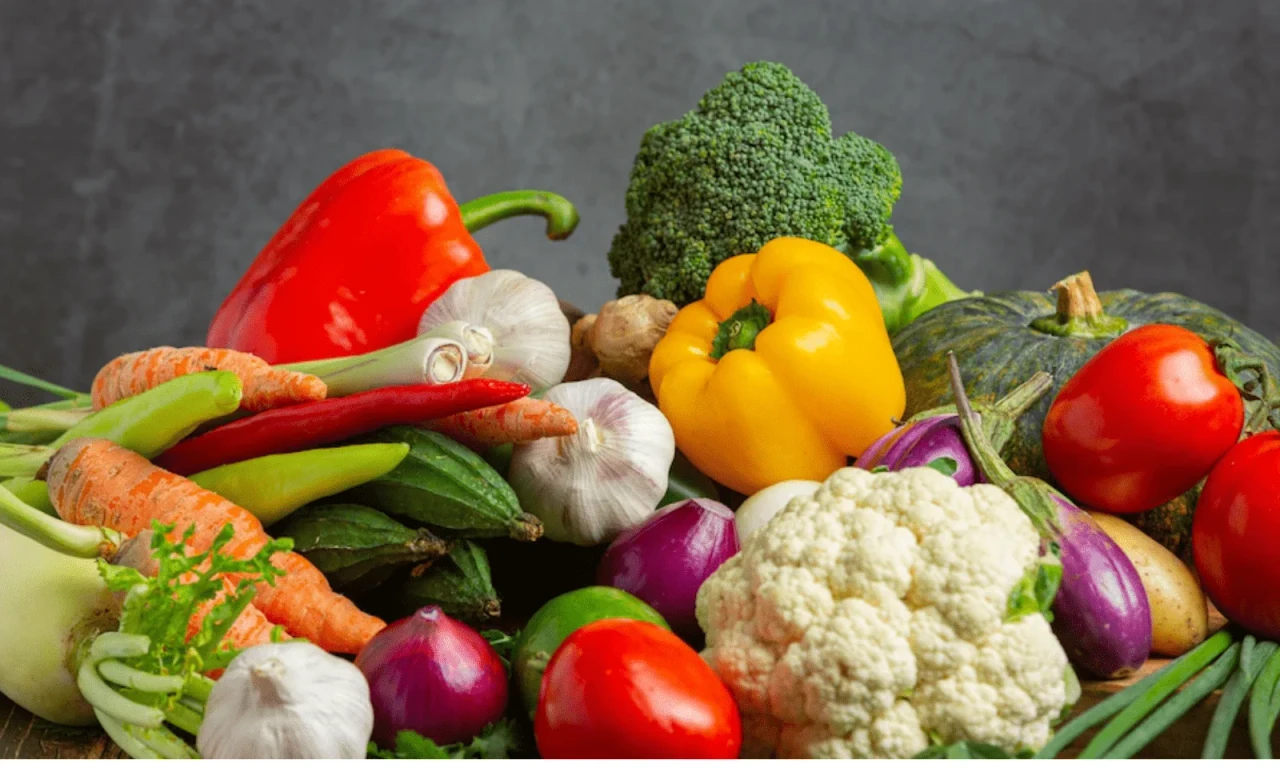

Vegetables are among the most important foods in a balanced diet because they provide a wide range of vitamins, minerals, fiber, antioxidants, and plant compounds. From leafy greens and colorful root vegetables to beans, gourds, and cruciferous varieties, different vegetables contribute different nutrients to everyday meals. Learning about vegetables name can make grocery shopping, meal planning, and healthy cooking much easier because it helps people recognize the variety available beyond the few vegetables they regularly eat.
In modern diets, vegetables are increasingly important because many people rely on convenient, processed, or ready-to-eat foods. Adding a wider selection of fresh vegetables can improve the nutritional quality of meals without requiring complicated recipes. Vegetables can be roasted, steamed, stir-fried, grilled, boiled, stuffed, blended into soups, or eaten raw depending on the variety. Their flexibility makes them suitable for almost every cuisine and dietary preference.
The term vegetables name covers a very broad group of edible plant parts. While some are technically fruits from a botanical perspective, they are commonly treated as vegetables in cooking. Tomatoes, cucumbers, pumpkins, and peppers are familiar examples. Understanding these differences is less important for everyday eating than recognizing their nutritional value and finding practical ways to include a colorful range of plant foods in regular meals.
Understanding the Different Types of Vegetables
Vegetables can be grouped according to the part of the plant that people commonly eat. Leafy vegetables include spinach, lettuce, kale, mustard greens, and other tender leaves. Root vegetables include carrots, radishes, turnips, beets, and sweet potatoes. Stem vegetables include celery and asparagus, while bulb vegetables include onions and garlic. Other categories include cruciferous vegetables such as broccoli, cauliflower, cabbage, and Brussels sprouts.
Another useful way to understand vegetables name is by looking at their colors. Green vegetables are often associated with leafy nutrients and plant compounds, while orange and yellow varieties can provide carotenoids. Red and purple vegetables may contain different antioxidant compounds. White and pale vegetables, including onions, cauliflower, and garlic, also contribute valuable nutrients. Eating different colors throughout the week is a simple strategy for increasing dietary variety.
Common Vegetable Categories
The major categories include leafy greens, roots, tubers, bulbs, stems, flowers, legumes, and fruiting vegetables. Each category offers a different texture and nutritional profile. For example, leafy greens can be excellent additions to salads and cooked dishes, while root vegetables are naturally suited to roasting and soups. Fruiting vegetables such as tomatoes, peppers, eggplant, and squash can work particularly well in curries, stews, sauces, and stir-fries.
The following table provides a practical overview of several commonly eaten vegetables and their typical culinary characteristics.
| Vegetable | Common Category | Notable Nutrients | Popular Uses |
|---|---|---|---|
| Spinach | Leafy green | Folate, vitamin K, carotenoids | Curries, salads, soups |
| Carrot | Root | Carotenoids, fiber | Salads, roasting, soups |
| Broccoli | Cruciferous | Vitamin C, vitamin K, fiber | Steaming, roasting, stir-frying |
| Potato | Tuber | Carbohydrates, potassium | Baking, boiling, roasting |
| Tomato | Fruiting vegetable | Vitamin C, lycopene | Sauces, salads, curries |
| Bell pepper | Fruiting vegetable | Vitamin C, carotenoids | Stir-fries, salads, roasting |
| Cauliflower | Flowering vegetable | Vitamin C, fiber | Curries, roasting, steaming |
| Peas | Legume | Protein, fiber, vitamins | Rice dishes, soups, curries |
Nutritional Importance of Vegetables
One of the biggest reasons vegetables are recommended as part of a healthy eating pattern is their combination of nutrients and relatively low energy density. Many vegetables contain substantial amounts of water and fiber, which can contribute to fullness while adding relatively few calories to a meal. This makes them useful for people who want meals that are satisfying without depending heavily on highly processed ingredients.
Fiber is particularly important because it supports normal digestive function and can help maintain regular bowel movements. Different types of fiber also interact with the digestive system in different ways. Some vegetables contain soluble fiber, while others provide more insoluble fiber. Eating a variety of plant foods rather than relying on a single vegetable helps create a more diverse overall dietary pattern.
Vegetables also supply vitamins and minerals that have important roles throughout the body. Depending on the variety, they may provide vitamin C, vitamin K, folate, potassium, magnesium, carotenoids, and other beneficial compounds. Their nutritional value can change somewhat depending on freshness, storage, preparation, and cooking method, which is why variety and sensible preparation are generally more useful than focusing on one particular vegetable.
Health Benefits of Eating More Vegetables
Regular vegetable consumption is associated with a healthier overall dietary pattern. Vegetables provide nutrients and plant compounds that support normal body functions and can contribute to long-term health when combined with other healthy lifestyle habits. They should not be viewed as a cure for specific diseases, but consistently eating a varied diet rich in vegetables is an important part of maintaining good nutrition.
The fiber and water content of many vegetables can make meals more filling. Replacing some highly processed or energy-dense foods with vegetables can therefore make it easier to create balanced meals. For example, adding roasted vegetables to a grain-based meal or mixing leafy greens into a protein-rich dish can increase volume, texture, and nutritional variety without requiring a completely different eating pattern.
Colorful vegetables also provide naturally occurring compounds such as carotenoids and polyphenols. These compounds are being studied for their roles in normal cellular processes and overall health. Instead of concentrating on one so-called “superfood,” it is generally more practical to consume different types and colors throughout the week.
How to Add More Vegetables to Everyday Meals
Increasing vegetable intake does not necessarily mean preparing complicated recipes. Small changes can make a meaningful difference. A handful of chopped vegetables can be added to eggs, sandwiches, rice dishes, noodles, soups, or pasta. Frozen vegetables can also be useful when fresh produce is unavailable or when convenience is important. They can provide a practical alternative for busy households.
Another effective approach is to make vegetables part of the main structure of a meal rather than treating them only as a side dish. A bowl can combine roasted vegetables with grains and beans, while a stir-fry can contain several varieties alongside a protein source. Soups and stews are also excellent ways to combine multiple vegetables in one dish while creating meals that are convenient for batch cooking.
Simple Ways to Increase Vegetable Variety
- Add at least two different vegetables to selected main meals.
- Rotate leafy greens, roots, cruciferous vegetables, and legumes throughout the week.
- Keep convenient frozen vegetables available for quick meals.
- Experiment with different cooking methods to discover preferred flavors and textures.
Choosing Fresh and High-Quality Vegetables
Freshness is an important consideration when purchasing produce, but appearance alone does not tell the whole story. Vegetables should generally be free from extensive bruising, unusual softness, mold, or visible spoilage. Some natural variation in shape and size is perfectly normal and does not necessarily indicate lower nutritional quality.
Seasonality can also influence flavor, availability, and price. Locally available vegetables may be particularly practical because they can be easier to purchase regularly. However, frozen and properly stored vegetables can also be valuable choices. The best option is often the one that fits a person’s budget, availability, cooking habits, and ability to use the food before it spoils.
Preparing Vegetables Without Losing Their Value
The way vegetables are prepared can affect their texture and nutrient content. Long cooking in large amounts of water may cause some water-soluble vitamins to move into the cooking liquid. Steaming, quick stir-frying, roasting, microwaving, or using shorter cooking times can sometimes help preserve certain nutrients while improving texture and flavor.
At the same time, raw vegetables are not automatically better than cooked vegetables. Cooking can soften plant tissues and make certain nutrients or compounds easier for the body to access. For example, some vegetables become more enjoyable and practical to eat after roasting or steaming. The best approach is to use a mixture of raw and cooked vegetables according to the food and the meal.
Adding reasonable amounts of healthy fats can also complement vegetable-based meals because some fat-soluble compounds are absorbed better when eaten with dietary fat. A balanced meal might therefore combine vegetables with a modest amount of oil, nuts, seeds, avocado, or another suitable fat source.
Vegetables in Different Cuisines
Vegetables have a central role in cuisines around the world. Indian cooking uses vegetables in curries, sabzis, dals, stuffed dishes, soups, and rice preparations. Mediterranean-style meals frequently combine vegetables with grains, legumes, herbs, and olive oil. East and Southeast Asian cuisines commonly use vegetables in stir-fries, soups, noodle dishes, and steamed preparations.
The versatility of vegetables means they can be adapted to different tastes without changing their basic nutritional role. Spices, herbs, sauces, marinades, and cooking methods can dramatically change the flavor of the same vegetable. This is particularly useful for people who become bored with repetitive meals. Instead of eliminating a vegetable because of one preparation they dislike, trying a different cooking technique may create a completely different experience.
Storage Tips for Better Vegetable Use
Proper storage can reduce food waste and help vegetables remain usable for longer. Leafy greens generally benefit from refrigeration and should be kept relatively dry to reduce premature deterioration. Root vegetables often have different storage requirements, while onions and garlic are typically kept in cool, dry, well-ventilated conditions rather than sealed in a humid environment.
Planning purchases according to actual consumption is equally important. Buying a large amount of produce may appear economical, but it can become wasteful if the vegetables are not used in time. A practical shopping routine can involve purchasing a mixture of vegetables with different expected storage periods and planning meals around the produce that needs to be consumed first.
Why Variety Matters More Than a Single “Best” Vegetable
There is no single vegetable that provides every nutrient the body needs. One vegetable may be particularly rich in a certain vitamin or plant compound, while another may offer more fiber, potassium, or a different group of antioxidants. Focusing exclusively on one vegetable can therefore make a diet less varied.
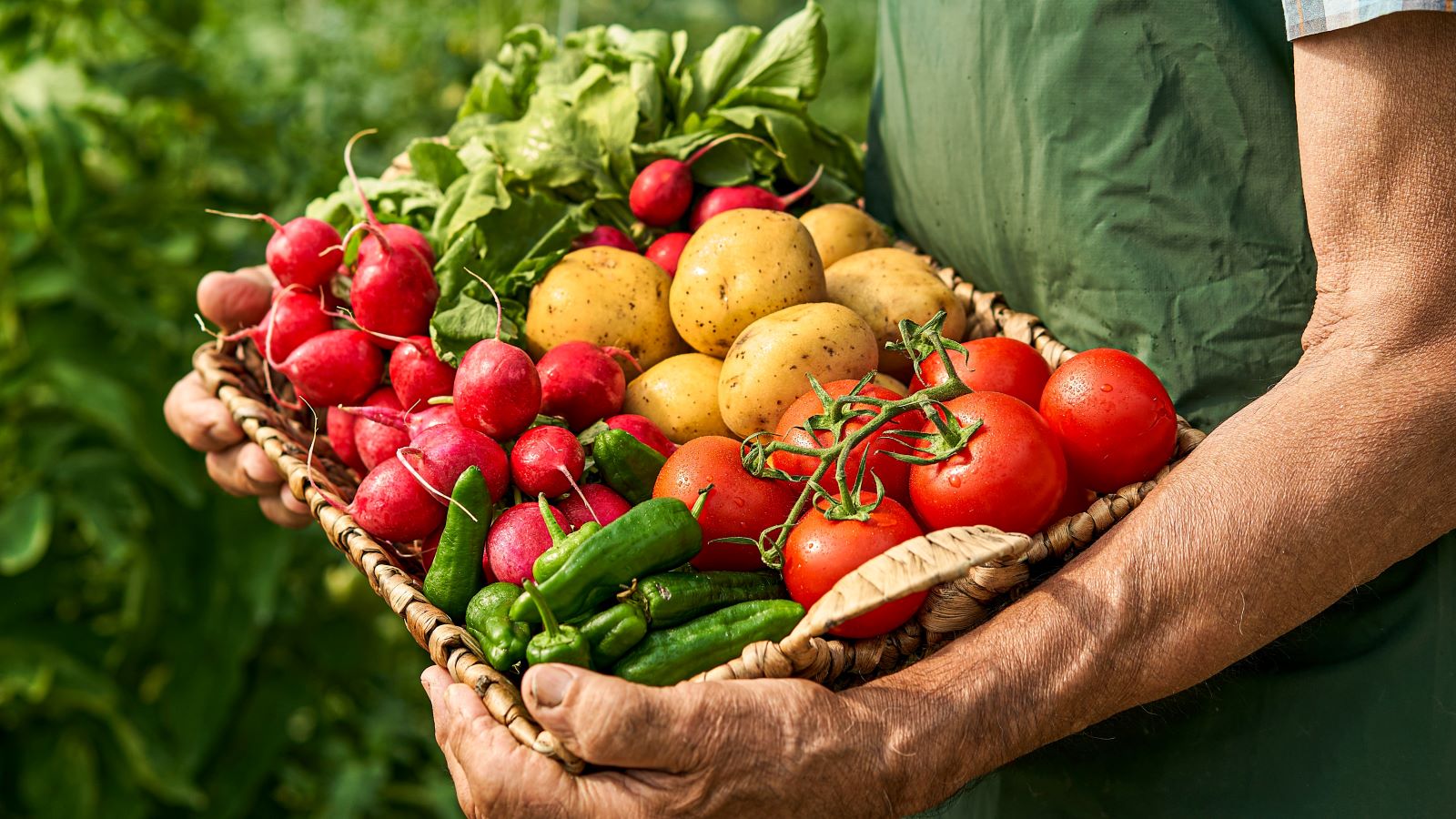
A diverse selection is more useful because different vegetables complement one another nutritionally. For example, leafy greens can be combined with colorful peppers, tomatoes, carrots, cauliflower, peas, or other seasonal choices. Over time, this approach creates a broader nutritional profile while also making meals more interesting.
Vegetables and a Balanced Lifestyle
Vegetables are an important part of healthy eating, but they work best as one component of a broader balanced diet. Meals can combine vegetables with appropriate portions of protein sources, whole grains or other carbohydrates, and healthy fats. Hydration, physical activity, sleep, and overall dietary quality also influence health.
People with specific medical conditions, food allergies, digestive concerns, or special dietary requirements may need individualized dietary guidance. In such situations, general nutrition information should not replace advice from a qualified healthcare or nutrition professional. For most people, however, gradually increasing the variety of vegetables in everyday meals is a practical and sustainable nutrition habit.
Conclusion
Understanding vegetables name is more than memorizing a long list of produce. It is about recognizing the enormous variety of plant foods available and learning how different vegetables can contribute flavor, texture, fiber, vitamins, minerals, and beneficial plant compounds to everyday meals. From leafy greens and roots to cruciferous varieties, legumes, bulbs, and colorful fruiting vegetables, every category offers something different. The most effective approach is to focus on variety, regular consumption, sensible preparation, and realistic meal planning. Fresh vegetables can be excellent choices, but frozen options can also make healthy eating more convenient. Trying different colors, cooking methods, cuisines, and combinations can make vegetables enjoyable rather than feeling like an obligation.