

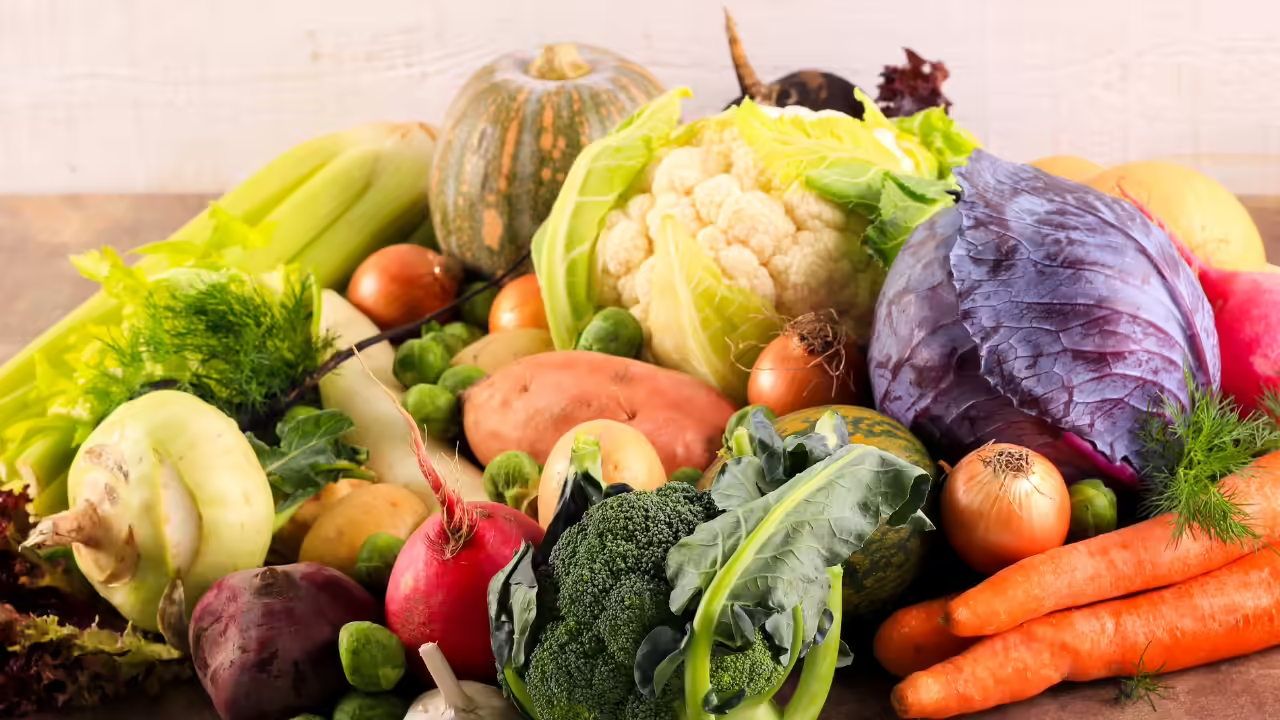

Vegetables are among the most important foods in a balanced everyday diet. They provide essential vitamins, minerals, fiber, antioxidants, and plant compounds that support many normal body functions. From leafy greens and root vegetables to colorful peppers, gourds, beans, and cruciferous varieties, each type brings a different combination of nutrients and culinary uses. Understanding the vegetables name of common varieties can make grocery shopping, meal planning, cooking, and maintaining dietary variety much easier.
The vegetable section of a market has also become increasingly diverse. Traditional vegetables remain staples in many households, while newer varieties and internationally popular produce are now easier to find. Seasonal availability, regional farming, modern food distribution, and changing eating habits have all expanded the choices available to consumers. Instead of focusing on one particular vegetable, learning about different categories helps people understand how vegetables can fit into breakfast, lunch, dinner, snacks, and other meals.
A useful vegetable guide should go beyond simply listing names. It should explain how different vegetables differ in texture, nutritional characteristics, preparation methods, storage requirements, and everyday applications. Whether someone is learning basic food vocabulary, planning healthier meals, or simply looking for more variety, knowing the vegetables name of commonly available produce provides a practical foundation.
Understanding Different Types of Vegetables
Vegetables can be grouped in several ways depending on the part of the plant that is commonly eaten. Leafy vegetables include spinach, lettuce, cabbage, kale, and other greens. Root vegetables include carrots, radishes, turnips, beets, and sweet potatoes. Bulb vegetables such as onions and garlic are widely used for their distinctive flavors, while stem vegetables such as celery and asparagus offer different textures and culinary possibilities.
There are also fruit vegetables, where the part of the plant used as a vegetable is botanically a fruit. Tomatoes, cucumbers, eggplants, pumpkins, and bell peppers fall into this broad culinary category. Legume vegetables such as green peas and green beans are also commonly included in everyday vegetable selections. This variety matters because eating different types can provide a broader range of nutrients and plant compounds rather than relying on only a few familiar choices.
Common Vegetable Names for Everyday Cooking
For people creating a shopping list or learning food terminology, a basic understanding of the vegetables name of frequently used produce is especially helpful. Familiar options include potatoes, tomatoes, onions, carrots, spinach, cauliflower, cabbage, broccoli, peas, beans, cucumber, eggplant, pumpkin, radish, beetroot, okra, and bell peppers.
Different regions may use different names for the same vegetable. For example, eggplant is commonly called aubergine in some countries, while cilantro and coriander may refer to different parts or uses of the same plant depending on regional language. Similarly, terms such as beetroot and beet can vary according to location. Being familiar with alternative names can make recipes and food information easier to understand.
Popular Vegetables and Their Nutritional Characteristics
Vegetables are valuable partly because their nutritional profiles vary considerably. Dark green vegetables often contribute folate, vitamin K, carotenoids, and other plant compounds. Orange and yellow vegetables can provide carotenoids, while tomatoes are known for compounds such as lycopene. Cruciferous vegetables, including broccoli and cauliflower, contain various phytochemicals that have attracted considerable nutritional research.
Root vegetables can provide carbohydrates and fiber, making them useful in meals that require more substantial ingredients. Potatoes, for example, are an important staple in many cultures and can contribute potassium and other nutrients, although preparation methods can significantly affect the overall nutritional profile of a meal. The broader lesson is that vegetables should not be treated as nutritionally identical. Variety is one of the simplest ways to build a more diverse diet.
| Vegetable category | Common examples | Typical nutritional contribution | Common uses |
|---|---|---|---|
| Leafy greens | Spinach, lettuce, kale | Fiber, folate, vitamins and plant compounds | Salads, curries, soups |
| Root vegetables | Carrot, radish, beetroot | Fiber, minerals and various antioxidants | Roasting, salads, soups |
| Cruciferous vegetables | Broccoli, cauliflower, cabbage | Fiber, vitamins and phytochemicals | Stir-fries, steaming, curries |
| Gourds and squash | Pumpkin, bottle gourd, zucchini | Water, fiber and micronutrients | Soups, curries, roasting |
| Legume vegetables | Peas, green beans | Fiber, plant protein and micronutrients | Rice dishes, stews, side dishes |
| Fruit vegetables | Tomato, cucumber, eggplant, pepper | Vitamins, minerals and plant compounds | Salads, sauces, curries |
Why Eating a Variety of Vegetables Matters
Eating a wide selection of vegetables can help create a more nutritionally diverse diet. No single vegetable provides every nutrient the body needs, so rotating different colors, textures, and categories can be more useful than repeatedly eating the same food. For example, a meal containing leafy greens, tomatoes, carrots, and legumes provides a different combination of nutrients and plant compounds than a meal centered around only potatoes.

Fiber is another important reason to include vegetables regularly. Dietary fiber supports normal digestive function and can contribute to feelings of fullness. Many vegetables also contain substantial amounts of water, which contributes to their overall volume without requiring large amounts of energy. These characteristics make vegetables useful components of meals for people trying to create filling and balanced eating patterns.
The color of a vegetable can also provide a simple visual reminder to increase variety. Green, red, orange, yellow, purple, and white vegetables contain different naturally occurring compounds. This does not mean that one color is automatically healthier than another. Instead, using multiple colors throughout the week can be a practical way to avoid a monotonous diet.
How Vegetables Fit Into Everyday Meals
Vegetables can be incorporated into almost every major meal without requiring complicated recipes. Leafy greens can be added to omelets, sandwiches, wraps, soups, or cooked dishes. Tomatoes and cucumbers can be used in salads, while carrots and peppers can provide crunch to snacks and lunch boxes. Root vegetables can be roasted, boiled, mashed, or incorporated into soups and stews.
In Indian cooking, vegetables are particularly versatile because they can be prepared through numerous regional techniques. A single vegetable may appear in dry sabzi, gravy-based curry, stuffed dishes, soups, mixed vegetable preparations, or rice dishes. Spices and cooking methods can completely change the character of the same ingredient. This makes vegetables practical for households that want variety without purchasing an entirely different set of ingredients every day.
Choosing Vegetables at the Market
Freshness is an important consideration when buying vegetables. The ideal appearance differs by vegetable, so shoppers should avoid applying the same test to every item. Leafy greens generally look better when they are crisp and free from excessive yellowing or wilting. Root vegetables should usually feel firm, while vegetables such as cucumbers and peppers should not have extensive soft spots.
For anyone trying to understand the vegetables name of unfamiliar produce, local markets can also be a useful learning environment. Asking vendors about regional names, seasonal availability, and common preparation methods can reveal differences that are not obvious from appearance alone. Seasonal vegetables may also offer practical advantages because they are often more readily available and may require less long-distance transportation.
Seasonal Vegetables and Changing Food Choices
Seasonality continues to influence which vegetables are easily available in different parts of the world. Weather, rainfall, farming cycles, regional agriculture, and transportation infrastructure all affect availability. In India, for example, vegetable choices can change noticeably between different seasons and regions. Some produce is particularly abundant during cooler months, while other vegetables become more common during warmer or rainy periods.
Modern supermarkets and supply chains have made many vegetables available throughout much of the year, but seasonal eating can still encourage variety. It can also introduce consumers to vegetables they might otherwise overlook. Rather than depending on a fixed shopping list every week, rotating produce according to availability can make meals more interesting and encourage broader food choices.
Preparing Vegetables Without Losing Their Appeal
Preparation has a major influence on whether people enjoy eating vegetables regularly. Overcooking can change texture, color, and flavor, while under-seasoning may make otherwise nutritious foods less appealing. Simple techniques such as steaming, roasting, sautéing, grilling, stir-frying, and lightly boiling can produce very different results.
Cooking methods also influence the nutritional characteristics of food. Some nutrients are sensitive to prolonged heat, while others may become easier for the body to access after cooking. The practical goal is not to find one universally perfect method but to use a range of preparation techniques. Combining raw and cooked vegetables across different meals can provide both variety and convenience.
Flavor is equally important. Garlic, ginger, herbs, spices, lemon, yogurt-based sauces, and moderate amounts of healthy cooking oils can transform vegetables without making meals unnecessarily complicated. When vegetables taste good, maintaining regular consumption becomes much easier than treating them as an obligation.
Simple Ways to Increase Vegetable Variety
People who currently eat only a few vegetables do not necessarily need to completely change their diet at once. A gradual approach is often easier to maintain. One simple method is to introduce one unfamiliar vegetable every week and prepare it alongside a familiar favorite. Another is to change the color of the vegetables used in a meal rather than simply increasing the quantity of one ingredient.
Practical ideas include:
- Add chopped vegetables to breakfast dishes, wraps, or sandwiches.
- Keep washed and ready-to-use vegetables available for quick meals.
- Combine several vegetables in soups, stir-fries, or mixed curries.
- Rotate vegetables throughout the week instead of buying the same few varieties.
These small changes can make vegetable consumption feel more natural. They also reduce the pressure to create complicated recipes every day.
Storing Vegetables for Better Quality
Proper storage can help reduce unnecessary food waste. Different vegetables require different conditions, so keeping everything in the same place is not always ideal. Leafy greens generally benefit from cool storage and should be protected from excessive moisture. Root vegetables may have different storage requirements depending on the specific variety, while tomatoes are often handled differently from leafy produce.
Before storing vegetables, removing damaged pieces can help prevent deterioration from spreading. Washing immediately before storage is sometimes preferable for certain vegetables because excess moisture can accelerate spoilage. However, preparation should also reflect how quickly the produce will be used. A household that cooks vegetables within a day or two may handle storage differently from someone buying a week’s worth of produce.
The Role of Vegetables in Modern Healthy Eating
Current discussions about healthy eating increasingly focus on overall dietary patterns rather than individual foods. Vegetables can form an important part of such patterns because they offer fiber, micronutrients, water, and diverse plant compounds while allowing meals to include different flavors and textures. However, vegetables work best as part of a broader diet that also contains suitable sources of protein, whole grains or other carbohydrates, healthy fats, and other nutritious foods.
It is also useful to avoid the idea that fresh vegetables are the only acceptable option. Frozen and canned vegetables can be practical alternatives when fresh produce is unavailable or inconvenient. Their nutritional value varies by product and preparation, so checking labels and choosing options with fewer unnecessary additions can be helpful. Convenience can matter because the healthiest routine is often the one that a person can consistently maintain.
Learning the vegetables name of different foods also makes it easier to read recipes, compare ingredients, and experiment with unfamiliar cuisines. As food culture becomes increasingly global, this knowledge can help people recognize ingredients across different languages and cooking traditions.
Conclusion
Vegetables provide an impressive range of flavors, textures, colors, nutrients, and cooking possibilities. From leafy greens and root vegetables to gourds, legumes, cruciferous varieties, and colorful fruit vegetables, each category can contribute something different to everyday meals. Learning the vegetables name of common varieties is therefore more than a vocabulary exercise; it can help people make more informed choices when shopping, cooking, and planning meals. A varied approach is generally more practical than relying on a single so-called superfood. Rotating vegetables according to season, experimenting with different cooking techniques, and combining familiar ingredients with new ones can make healthy meals more enjoyable. With a little planning, vegetables can become an easy and flexible part of breakfasts, lunches, dinners, snacks, and family meals throughout the week.