

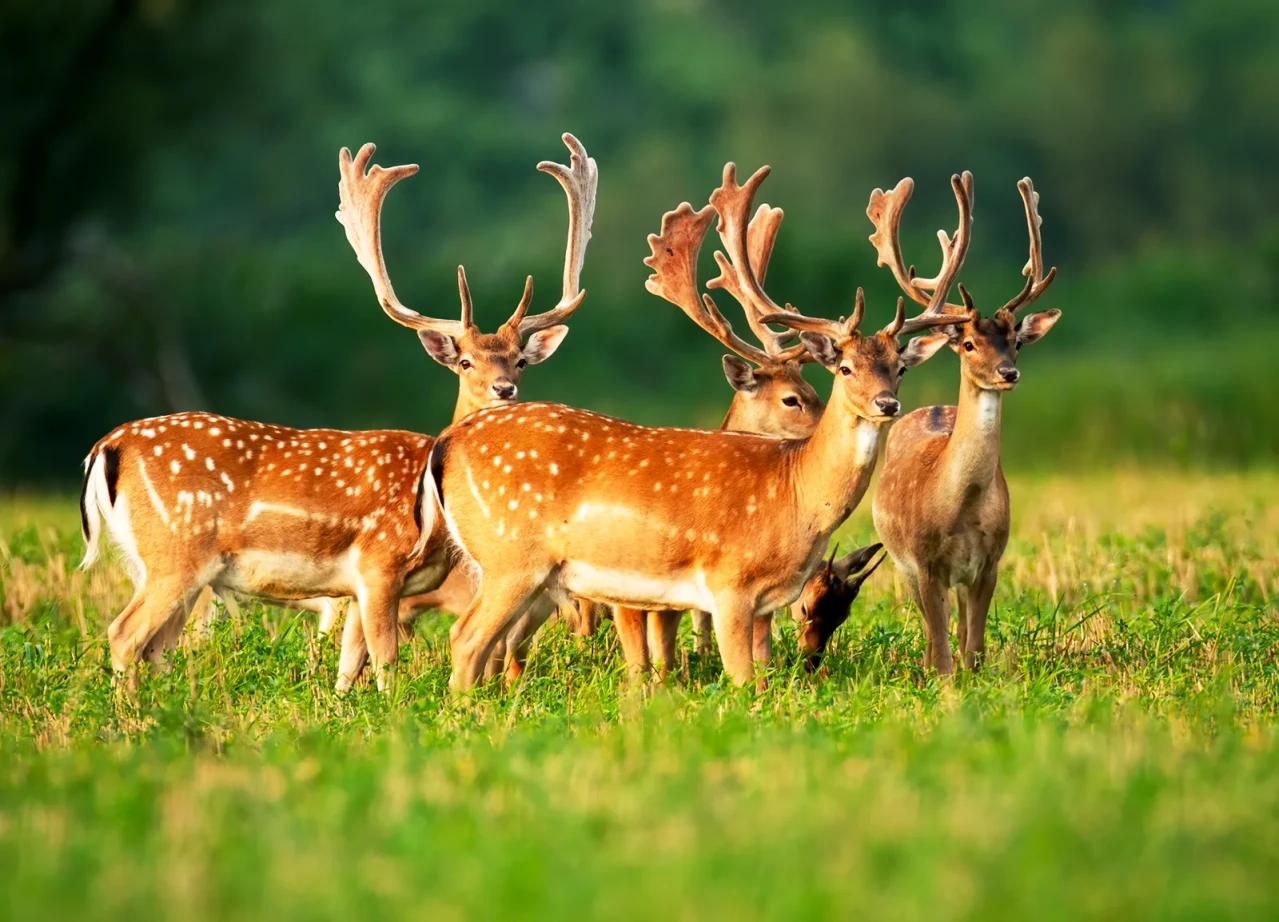

Animals are one of the most fascinating parts of the natural world. They live in almost every environment on Earth, from deep oceans and tropical forests to deserts, grasslands, mountains, and human settlements. Learning the names of animals is often one of the first steps children take when exploring nature, but the subject is equally useful for students, teachers, writers, travelers, and anyone interested in wildlife. A simple list of animals name can introduce learners to an enormous variety of species and help them understand how different creatures live and interact with their surroundings.
Animal names also help us organize the natural world into familiar groups. A lion is recognized as a powerful wild predator, while a cow is commonly associated with farming and dairy production. Dolphins are known for their aquatic lifestyle, eagles for their flight, and elephants for their size and intelligence. Behind every familiar name is a unique animal with its own physical characteristics, behavior, habitat, diet, and role in an ecosystem.
What Are Animal Names?
An animal name is the commonly used word or phrase that identifies a particular animal. Some names are extremely familiar, such as dog, cat, horse, tiger, elephant, and rabbit. Others belong to less commonly encountered creatures, including axolotls, pangolins, narwhals, and okapis. Scientific classification gives each species a standardized scientific name, while common names vary between languages and regions.
Understanding animals name is useful because common names make communication about wildlife easier. For example, people around the world may use different words for the same species, but a recognized scientific classification allows researchers to identify the animal precisely. Common animal names remain especially important in education because they provide an accessible way to introduce children to biodiversity before they learn more advanced biological terminology.
Major Categories of Animals
Animals can be grouped in many ways depending on their habitat, diet, physical characteristics, or relationship with humans. A basic division separates animals into wild animals, domestic animals, farm animals, birds, aquatic animals, reptiles, amphibians, insects, and other invertebrates. These categories are not always scientifically equivalent, but they are useful for everyday learning.
Wild animals generally live independently of human care and include species such as lions, tigers, bears, wolves, giraffes, zebras, and rhinoceroses. Domestic animals have been bred or kept by humans over generations and include dogs, cats, horses, and some livestock. Aquatic animals spend much or most of their lives in water, while birds are characterized by feathers, wings, and specialized adaptations for flight or other forms of movement.
Common Wild Animals
Wild animals occupy an enormous range of ecosystems. Lions and cheetahs are associated with African grasslands, while tigers inhabit several types of forests and grassland environments across Asia. Polar bears are adapted to Arctic conditions, whereas camels have physical characteristics that help them survive in hot, dry regions.
The behavior of wild animals is often closely connected to their habitat. A snow leopard’s thick fur and powerful limbs help it navigate mountainous terrain, while a giraffe’s long neck allows it to feed on vegetation high above the ground. Learning animals name alongside their habitats provides a more meaningful understanding of wildlife because the name becomes connected with a particular environment and way of life.
Domestic and Farm Animals
Domestic animals have a close relationship with people. Dogs and cats are common companion animals, while horses may be kept for transportation, sport, recreation, or cultural purposes. Farm animals such as cows, goats, sheep, chickens, and pigs are raised in many parts of the world for food, fiber, agricultural work, or other purposes.
The role of domestic animals can vary significantly between countries and communities. For example, cattle may have agricultural importance in one region while being primarily associated with dairy production in another. Responsible animal care involves providing appropriate food, clean water, shelter, veterinary attention, and conditions that support the animal’s welfare.
Popular Animals and Their Characteristics
Different animals have developed specialized characteristics that allow them to survive. Elephants have strong trunks that can be used for feeding, drinking, communication, and manipulating objects. Giraffes have long legs and necks that help them reach vegetation. Kangaroos have powerful hind legs adapted for hopping, while penguins have streamlined bodies and modified wings that help them swim.
Some animals are especially notable because of their sensory abilities. Bats can use echolocation to navigate and locate objects, while many birds have highly developed eyesight that helps them find food or identify potential threats. Dogs possess an exceptionally sensitive sense of smell compared with humans. These adaptations demonstrate why simply memorizing animals name is only the beginning of understanding the diversity of animal life.
| Animal | Main Group | Typical Habitat | Notable Characteristic |
|---|---|---|---|
| Lion | Mammal | Grasslands and savannas | Social predator |
| Elephant | Mammal | Grasslands and forests | Powerful trunk |
| Tiger | Mammal | Forests and grasslands | Striped coat |
| Dolphin | Mammal | Oceans and seas | Echolocation |
| Eagle | Bird | Mountains, forests, open areas | Excellent eyesight |
| Penguin | Bird | Southern Hemisphere regions | Skilled swimmer |
| Crocodile | Reptile | Rivers, lakes, wetlands | Powerful jaws |
| Frog | Amphibian | Wetlands and freshwater areas | Life cycle involving water |
| Camel | Mammal | Arid and semi-arid regions | Adapted to dry environments |
| Octopus | Mollusk | Marine environments | Eight arms and camouflage |
Aquatic Animals and Marine Life
Oceans, rivers, lakes, wetlands, and other waterways support an extraordinary variety of animals. Whales and dolphins are marine mammals that must breathe air despite spending most of their lives in water. Fish use gills to extract dissolved oxygen, while octopuses use their arms and sophisticated nervous systems to explore their environment.

Marine animals also demonstrate remarkable forms of adaptation. Some species use camouflage to avoid predators, while others use specialized body shapes for rapid swimming. Sea turtles can travel long distances through marine environments, and seals use their streamlined bodies to move efficiently through water. When learning animals name, including aquatic species helps create a broader picture of biodiversity beyond animals commonly seen on land.
Birds and Their Diversity
Birds are found on every continent and occupy habitats ranging from urban areas to remote islands. They include tiny hummingbirds, large ostriches, powerful eagles, colorful parrots, swimming penguins, and highly adaptable crows. Feathers are a defining characteristic of birds, although their functions extend beyond flight and include insulation, communication, and display.
Not all birds fly. Penguins have evolved bodies and wings suited to swimming, while ostriches are specialized for running. Birds also contribute significantly to ecosystems by dispersing seeds, pollinating plants, controlling insect populations, and serving as prey for other species. Their diversity makes bird names an important part of any broad collection of animals name.
Reptiles and Amphibians
Reptiles include snakes, lizards, turtles, crocodiles, and related species. Many reptiles have scales and rely heavily on external environmental conditions to regulate body temperature. Their adaptations allow them to live in deserts, forests, wetlands, oceans, and other environments.
Amphibians include frogs, toads, salamanders, and newts. Many amphibians have life cycles that involve water, particularly during their early development. Their permeable skin can make them sensitive to changes in environmental conditions, which is one reason scientists often pay attention to amphibian populations when studying ecosystem health.
Small Animals and Invertebrates
Not all important animals are large or easily noticed. Invertebrates such as butterflies, bees, ants, spiders, earthworms, crabs, and beetles make up a huge portion of animal diversity. They perform essential ecological functions, including pollination, decomposition, soil improvement, and nutrient cycling.
Insects are particularly diverse. Bees and other pollinators support the reproduction of many flowering plants, while butterflies contribute to pollination and serve as food for other animals. Earthworms help break down organic matter and influence soil structure. Learning the names of smaller creatures encourages people to recognize that healthy ecosystems depend on far more than large mammals.
Animal Names Children Commonly Learn
Animal names are frequently introduced during early education because they are easy to connect with pictures, sounds, stories, and real-world observations. Children may first learn familiar examples such as dog, cat, cow, horse, lion, tiger, elephant, monkey, rabbit, and bird. Teachers can then introduce less familiar animals as children’s vocabulary and curiosity develop.
A useful learning approach is to connect each name with one memorable characteristic. For instance, children can associate an elephant with its trunk, a giraffe with its long neck, a penguin with swimming, and a camel with desert environments. This approach makes learning more meaningful than memorizing a disconnected list.
A Simple Way to Learn Animal Names
Parents and teachers can make animal vocabulary interactive by using pictures, stories, nature observations, puzzles, and classification activities. Instead of asking children to memorize dozens of names at once, animals can be introduced in groups based on habitat or appearance.
A basic learning sequence could include:
- Farm and domestic animals
- Wild animals
- Birds and flying animals
- Aquatic animals
- Reptiles, amphibians, and insects
This method gradually expands vocabulary while helping learners understand that animals have different characteristics and environments.
Endangered Animals and Conservation
Some animal species face serious threats because of habitat loss, illegal hunting, pollution, climate-related changes, overexploitation, invasive species, disease, and other pressures. Conservation programs aim to protect species and the ecosystems on which they depend. Animals such as rhinoceroses, certain tiger populations, orangutans, sea turtles, and several species of elephants have become important symbols of wildlife conservation, although conservation status varies by species and population.
1565003702593.png?mode=crop&crop=faces&ar=2%3A1&format=auto&w=1920&q=75)
Protecting animals is not simply about preserving individual species. Ecosystems depend on relationships among predators, prey, plants, decomposers, pollinators, and many other organisms. When a species disappears or declines significantly, ecological relationships can also change. Understanding animals name therefore provides an entry point into a much larger conversation about biodiversity and environmental responsibility.
Why Learning Animal Names Matters
Knowing animal names improves vocabulary, general knowledge, and scientific awareness. For students, it creates a foundation for later lessons about biology, ecology, evolution, habitats, and conservation. For adults, familiarity with animal names can make it easier to understand wildlife news, environmental discussions, documentaries, educational materials, and travel experiences.
Animal names also help people develop curiosity about nature. Recognizing a bird in a garden or identifying an animal seen during a trip can encourage people to learn more about its behavior and habitat. In this way, a simple vocabulary exercise can become the beginning of a deeper interest in the natural world.
Conclusion
The world contains an extraordinary range of animal life, from enormous whales and elephants to tiny insects and microscopic organisms. Each species has characteristics shaped by its environment, diet, behavior, evolutionary history, and interactions with other organisms. Learning animals name is therefore much more than memorizing vocabulary; it is a practical introduction to biodiversity and the complex relationships that sustain life on Earth. Whether the goal is helping a child build vocabulary, supporting classroom learning, improving general knowledge, or developing an interest in wildlife, animal names provide a useful starting point. Exploring animals by habitat, characteristics, and ecological role makes the subject more engaging and memorable.