

.jpg&description=Explore a detailed guide to fruits name, popular varieties, nutritional value, seasonal choices, health benefits, and simple ways to include fruits in your daily diet.)
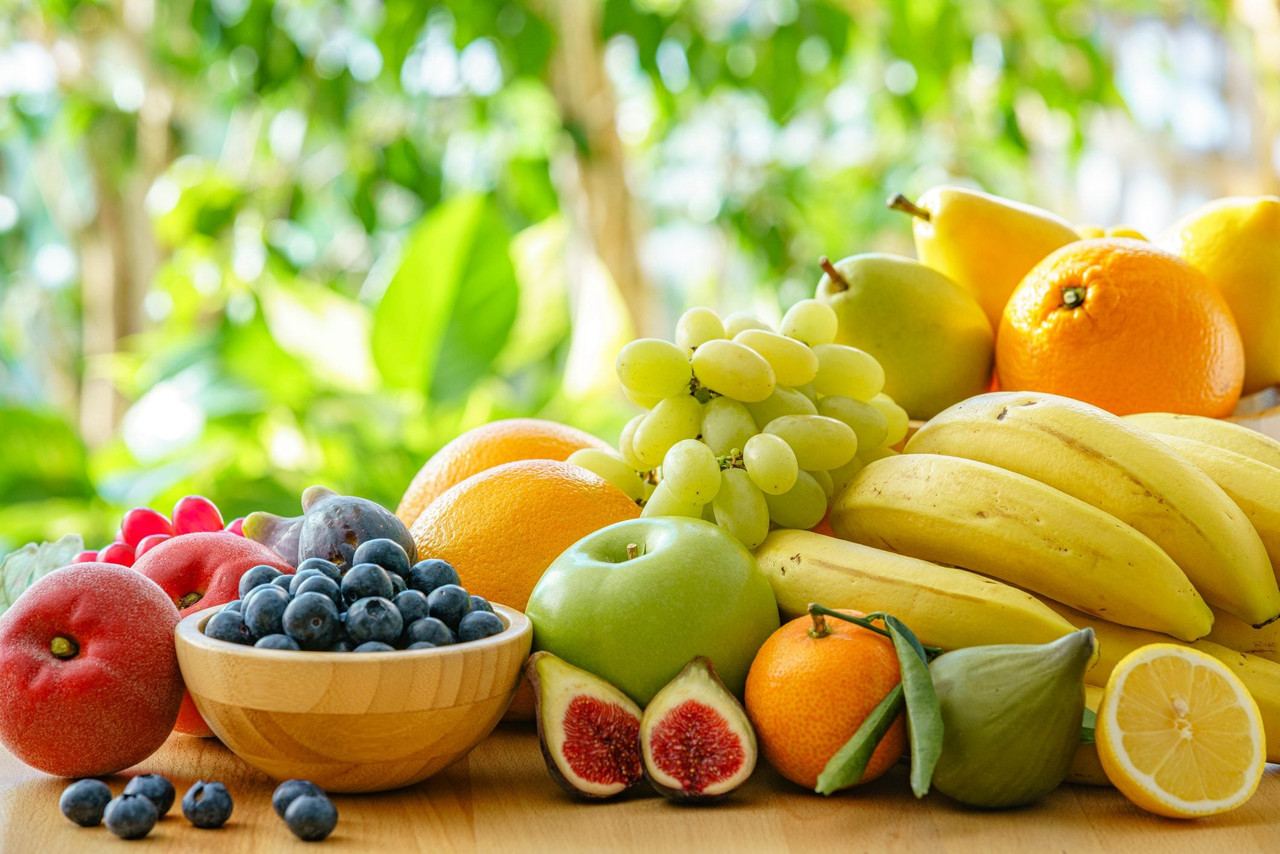
Fruits are among the most versatile foods available in nature. They come in countless shapes, colors, textures, and flavors, making it easy for people to find varieties that suit their preferences. From refreshing citrus fruits and juicy berries to tropical favorites and familiar everyday choices, fruits can add natural sweetness, hydration, fiber, vitamins, and minerals to meals. Learning about different fruits can also make everyday food choices more interesting because each variety offers a somewhat different nutritional profile.
When people search for fruits name, they may simply want to discover a list of familiar fruits, but the subject is much broader than a simple collection of names. Understanding where fruits fit into a balanced diet, how their nutritional qualities differ, when they are commonly available, and how they can be prepared helps turn basic knowledge into practical information. Whether someone is planning meals, teaching children about food, or simply trying to eat a more varied diet, knowing different fruit varieties can be surprisingly useful.
Understanding Different Types of Fruits
Fruits can be grouped in several ways, including botanical characteristics, flavor, texture, color, and the way they are commonly consumed. In everyday conversations, people usually categorize fruits based on familiar characteristics rather than strict botanical definitions. Apples, bananas, oranges, mangoes, grapes, guavas, papayas, watermelons, and pomegranates, for example, are all commonly recognized fruits despite having very different structures and nutritional compositions.
Some fruits are particularly juicy and refreshing, while others are denser and more filling. Citrus fruits are often recognized for their bright flavor and vitamin C content, whereas bananas are popular for their soft texture and carbohydrate content. Berries tend to provide a combination of fiber and plant compounds, while fruits such as watermelon contain a large amount of water. This diversity is one reason variety matters when building a balanced eating pattern.
Common Fruits People Enjoy
A useful fruits name collection can include both globally popular varieties and regional favorites. Apples are valued for their crisp texture and convenience, while bananas are often chosen because they require almost no preparation. Mangoes are especially popular in warm regions and are known for their sweet, aromatic flavor. Oranges, sweet limes, and other citrus varieties offer a refreshing combination of juice and acidity.
Other commonly eaten choices include grapes, strawberries, pineapples, papayas, guavas, pears, peaches, plums, cherries, kiwis, pomegranates, and melons. Each has a distinctive eating experience. Some work well as snacks, while others can be incorporated into breakfast bowls, salads, smoothies, desserts, or savory dishes. Exploring different varieties can therefore prevent meals from becoming repetitive.
Nutritional Value of Fruits
One of the strongest reasons to include fruit in a balanced eating pattern is its combination of nutrients and naturally occurring plant compounds. Many fruits provide dietary fiber, potassium, vitamin C, folate, and other vitamins or minerals. They also contain water, which contributes to overall fluid intake. The exact nutritional value varies considerably from one fruit to another, so eating several types can provide a broader range of nutrients.
Fiber is particularly important because it supports normal digestive function and can contribute to feelings of fullness. Whole fruits generally provide more fiber than fruit juices because the edible structure of the fruit remains intact. For this reason, eating a whole orange is nutritionally different from drinking a glass of strained orange juice. Both can be enjoyable, but whole fruit generally offers a more substantial combination of fiber, texture, and chewing.
How Different Fruits Compare
The following table provides a simple overview of several familiar choices. Nutritional values can vary depending on variety, size, ripeness, and preparation, so the table should be viewed as a general comparison rather than an exact nutritional database.
| Fruit | Common Nutritional Strength | Typical Eating Quality | Popular Use |
|---|---|---|---|
| Apple | Fiber and vitamin C | Crisp and juicy | Snack, salad |
| Banana | Carbohydrates and potassium | Soft and creamy | Breakfast, snack |
| Orange | Vitamin C and water | Juicy and refreshing | Snack, breakfast |
| Mango | Vitamins and plant compounds | Sweet and aromatic | Snack, dessert |
| Guava | Fiber and vitamin C | Firm and fragrant | Snack, juice |
| Papaya | Fiber and vitamins | Soft and mildly sweet | Breakfast, salad |
| Watermelon | Water and electrolytes | Very juicy | Snack, summer meals |
| Pomegranate | Fiber and plant compounds | Juicy with crunchy seeds | Snack, salad |
Seasonal Fruits and Freshness
Seasonality plays an important role in how fruits are produced, transported, stored, and consumed. A fruit that is naturally abundant during a particular season may be easier to find, more affordable, and more flavorful during that period. Seasonal eating can also encourage people to explore varieties they might otherwise overlook.
However, availability differs between countries and regions. Modern transportation and storage systems mean that many fruits can now be purchased outside their traditional growing seasons. Even so, choosing fresh, good-quality produce and storing it correctly remains important. A ripe fruit should generally be assessed by its appearance, aroma, texture, and overall condition rather than by color alone.
Why Variety Matters
Eating the same fruit every day is not necessarily a problem, but including different varieties can make a diet more diverse. Different fruits contain different proportions of fiber, vitamins, minerals, and naturally occurring plant compounds. Variety also introduces different textures and flavors, which can make healthy eating easier to maintain over time.
For example, someone might choose a banana with breakfast, an apple as a mid-day snack, and a serving of papaya or melon later in the day. Another person may prefer berries, citrus fruits, or locally available seasonal produce. There is no single combination that works for everyone. The more important principle is to include a broad range of whole foods while considering individual nutritional needs.
Health Benefits of Including Fruits
Fruits can contribute to overall dietary quality when they are consumed as part of a balanced eating pattern. Their fiber content can support digestive health, while nutrients such as potassium and vitamin C have important physiological roles. Many fruits also contain naturally occurring antioxidant compounds and other phytochemicals that contribute to their nutritional value.
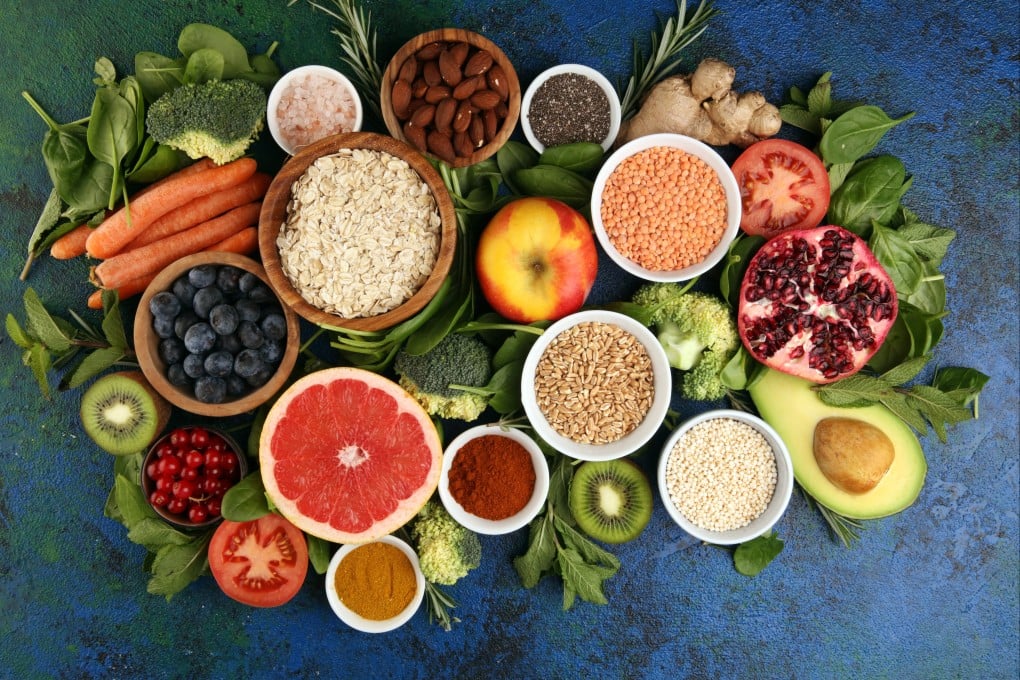
It is important, however, not to treat any single fruit as a miracle food. Good nutrition comes from the overall pattern of eating rather than one ingredient. A varied diet containing fruits, vegetables, whole grains, protein sources, healthy fats, and adequate fluids is generally more meaningful than focusing excessively on one particular food.
Fruits as Convenient Everyday Snacks
One practical advantage of fruit is convenience. Many varieties require little or no cooking. A banana can be eaten immediately, an apple can be carried to work, and grapes can be portioned into a container for later. Fruits can also be combined with other foods to create more satisfying snacks.
For people who frequently reach for highly processed snacks, replacing some of those choices with whole fruit can be a simple way to improve overall food quality. Pairing fruit with foods containing protein or healthy fats, such as yogurt, nuts, or seeds, can also create a more balanced snack and may help with satiety.
Ways to Include More Fruits in Daily Meals
There are many ways to make fruit part of regular meals without making food preparation complicated. Breakfast is an easy starting point because sliced fruit can be added to oatmeal, yogurt, cereal, or whole-grain toast. At lunch, fruits can complement salads or serve as a simple side. In the evening, they can be included in homemade desserts or eaten as a lighter snack.
Smoothies are another popular option, but portion sizes and ingredients matter. Blending whole fruit with yogurt, milk, or another nutritious base can create a convenient drink, while adding large amounts of sweeteners can significantly change the nutritional profile. Whenever possible, whole fruits should remain an important part of the diet because they preserve their natural texture and fiber.
Some simple ideas include:
- Add sliced banana, berries, or mango to breakfast.
- Keep washed fruit available for convenient snacks.
- Combine chopped fruit with yogurt, oats, or nuts.
- Use citrus, pineapple, or pomegranate in salads.
Choosing and Storing Fruits Properly
Selecting good fruit requires more than choosing the brightest-looking item. Consumers should check for signs of excessive bruising, mold, unusual softness, or damage. Some fruits are naturally firm when purchased and become softer as they ripen. Understanding this process can prevent perfectly good produce from being discarded too early.
Storage also depends on the fruit. Certain varieties can remain at room temperature while they ripen, whereas others are better refrigerated once ready to eat. Washing produce before consumption is important, but washing large quantities too far in advance can sometimes shorten storage life if the fruit remains wet. Keeping produce clean, dry, and properly stored can help reduce unnecessary food waste.
Fruits for Children and Families
Introducing children to different fruits can help them become familiar with a wider range of flavors and textures. Young children may initially reject unfamiliar foods, so repeated exposure without pressure can be more useful than forcing them to eat something immediately. Presenting colorful pieces of fruit in an appealing but simple way can also make meals more enjoyable.
Families can make fruit more interesting by rotating seasonal choices rather than purchasing exactly the same varieties every week. Children can also participate in simple food preparation, such as washing produce, arranging fruit pieces, or choosing between two varieties for a snack. These small activities can encourage curiosity about food and healthy eating habits.
Fresh, Frozen, Dried, or Juiced: What Is the Difference?
Fresh fruit is often the most familiar choice, but frozen, dried, and processed forms can also have a place in a balanced diet. Frozen fruit can be particularly convenient because it can be stored for longer and used in smoothies or cooked dishes. Depending on processing methods, frozen produce may retain much of its nutritional value.

Dried fruit is more concentrated because much of the water has been removed. This makes it easy to store and carry, but it also means that a small portion can contain considerably more natural sugar and calories than the same weight of fresh fruit. Some dried products also contain added sugar, so labels are worth checking.
Fruit juice can provide certain nutrients, but it generally contains less fiber than whole fruit. Drinking large amounts can also make it easier to consume more sugar and calories quickly. For everyday eating, whole fruit is usually the more useful foundation.
Exploring Global Fruit Diversity
The world of fruit extends far beyond the varieties commonly found in local supermarkets. Depending on the region, people may encounter dragon fruit, passion fruit, lychee, rambutan, jackfruit, star fruit, persimmon, mangosteen, durian, and many other less familiar options. Some have become increasingly popular internationally because improved transportation and global food markets have made them easier to access.
Regional diversity is especially interesting because fruits often have cultural significance. Mangoes, for example, are deeply associated with summer traditions in parts of South Asia, while citrus fruits appear in cuisines around the world. Exploring unfamiliar varieties can therefore provide not only nutritional variety but also a connection to different culinary traditions.
Making Fruits Part of a Balanced Lifestyle
A healthy approach to fruits is based on balance rather than strict rules. People have different energy requirements, activity levels, food preferences, and nutritional needs, so the ideal amount and selection can vary. Someone who is highly active may use fruit as a convenient source of carbohydrates, while another person may prefer smaller portions alongside protein-rich foods.
The broader goal should be to build sustainable eating habits. Choosing whole fruits regularly, varying selections, paying attention to portion sizes, and combining fruits with other nutritious foods can make them a practical part of everyday meals. For people with specific medical or dietary requirements, individual guidance from a qualified healthcare or nutrition professional may be appropriate.
Conclusion
Understanding fruits name is more than memorizing a collection of food names. It opens the door to learning about nutrition, seasonal eating, culinary variety, food storage, and healthier everyday choices. Apples, bananas, oranges, mangoes, guavas, papayas, berries, melons, pomegranates, and countless other varieties each bring their own flavors, textures, and nutritional characteristics. The most useful approach is to enjoy variety rather than becoming dependent on one particular fruit. Including different whole fruits across meals and snacks can add fiber, fluids, vitamins, minerals, and naturally occurring plant compounds to a balanced diet. Whether enjoyed fresh, combined with breakfast, added to a salad, or used in a simple homemade dish, fruits can make everyday eating both more nutritious and more enjoyable.