

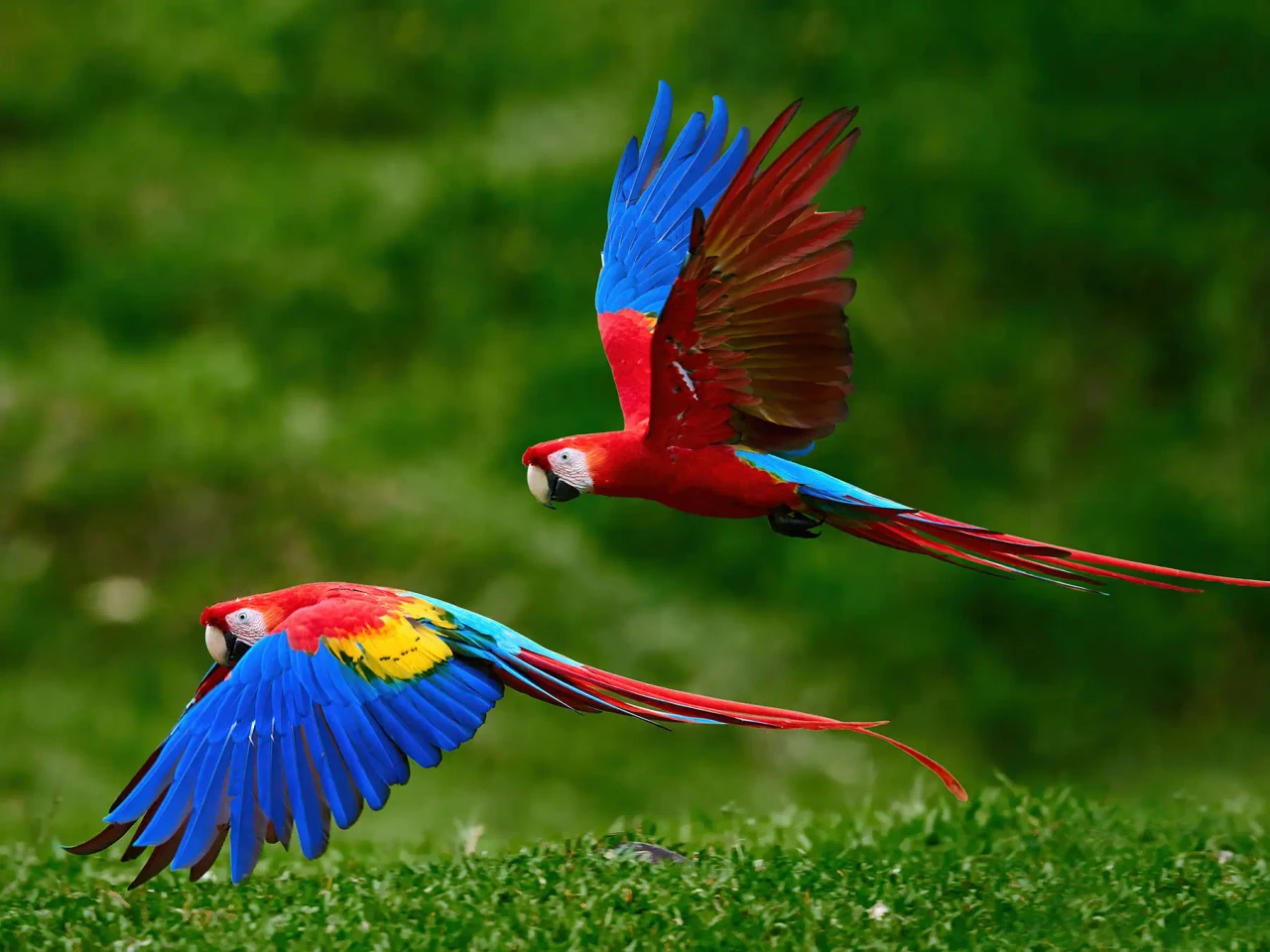

Birds are among the most recognizable and fascinating animals on Earth. They can be found almost everywhere, from busy cities and quiet gardens to forests, wetlands, mountains, deserts, and oceans. Their ability to fly, communicate through different calls, build nests, migrate across enormous distances, and adapt to changing environments makes them especially interesting to people of all ages. Learning about different birds name can also introduce us to a wide range of natural behaviors and ecological relationships.
There are thousands of bird species around the world, and each has characteristics that help it survive in its particular environment. Some birds spend most of their lives in trees, while others are comfortable on the ground or in water. Eagles use powerful wings and sharp eyesight to hunt, parrots are known for their intelligence and social behavior, penguins have adapted to life in cold marine environments, and hummingbirds can hover while feeding on flowers. These differences show how remarkably diverse bird life can be.
Understanding birds is not simply about memorizing species names. It involves learning how birds interact with their surroundings, what they eat, where they live, how they reproduce, and how they respond to environmental changes. Whether someone is a student, nature enthusiast, photographer, gardener, or casual observer, exploring the world of birds can make everyday encounters with wildlife much more meaningful.
What Makes Birds Different From Other Animals?
Birds belong to a group of animals characterized by feathers, beaks, wings, and the ability to lay eggs. Although not every bird is capable of sustained flight, their bodies have evolved in ways that support highly specialized lifestyles. Feathers provide insulation and help with movement, while wings can be adapted for soaring, rapid flight, hovering, swimming, or gliding. Lightweight skeletons and efficient respiratory systems also contribute to the physical abilities of many flying species.
Another fascinating feature is the diversity of bird behavior. Some species live alone for much of the year, while others form large colonies or flocks. Birds communicate using calls, songs, visual displays, and body movements. These signals can help them attract mates, warn others about predators, defend territory, or stay connected with their group. The complexity of these behaviors is one reason birds continue to receive significant attention from scientists and wildlife observers.
Different Types of Birds Found Around the World
The variety of birds is enormous, and species can be grouped in many different ways. Some classifications focus on physical characteristics, while others consider habitat, feeding habits, or evolutionary relationships. When exploring birds name, it is useful to understand that two birds may look completely different while sharing important biological characteristics.
Songbirds represent one of the largest and most familiar groups. They include birds such as sparrows, robins, finches, thrushes, and many other species commonly seen around homes and gardens. Their vocal abilities are often highly developed, and their songs can be used for communication and territory defense. Other groups include birds of prey, waterbirds, seabirds, parrots, pigeons, woodpeckers, and flightless birds.
Common Examples of Birds
Some familiar examples include:
- Eagle, hawk, falcon, owl, and vulture
- Sparrow, robin, finch, crow, and starling
- Parrot, macaw, cockatoo, and budgerigar
- Penguin, ostrich, emu, and kiwi
- Duck, goose, swan, heron, and flamingo
Each group has developed physical and behavioral adaptations suited to its lifestyle. A duck’s webbed feet, for example, make swimming easier, while a woodpecker’s strong bill allows it to search tree trunks for food. Birds of prey generally have powerful feet and curved talons for capturing prey, while nectar-feeding species may have specialized beaks suited to flowers.
Bird Habitats and Where They Live
Birds occupy nearly every major type of habitat. Forests support species that depend on trees for food, shelter, nesting, and protection. Grasslands provide open spaces for birds that search for insects, seeds, or small animals on the ground. Wetlands attract ducks, herons, kingfishers, cranes, and numerous other species because water provides food and nesting opportunities.
Urban environments have also become important habitats for certain adaptable birds. Pigeons, sparrows, crows, mynas, and several other species can live successfully around buildings, roads, parks, and gardens. Their ability to use human-created environments demonstrates how adaptable birds can be. However, urban development can also reduce natural nesting areas and food sources for species that depend on specific habitats.
| Bird Group | Typical Habitat | Common Food Sources | Notable Adaptation |
|---|---|---|---|
| Birds of prey | Forests, mountains, grasslands | Small animals and birds | Strong talons and eyesight |
| Waterbirds | Lakes, rivers, wetlands | Fish, insects, plants | Adapted feet and bills |
| Songbirds | Forests, gardens, urban areas | Seeds, insects, fruits | Complex vocal communication |
| Seabirds | Coastal areas and oceans | Fish and marine organisms | Adaptations for marine life |
| Flightless birds | Grasslands, forests, islands | Plants, seeds, insects | Strong legs instead of flight |
Habitat plays a major role in determining where a species can survive. Even birds capable of traveling long distances usually depend on specific places for breeding, feeding, or resting. This is why protecting forests, wetlands, grasslands, and coastal ecosystems is important for maintaining bird populations.
How Birds Find and Choose Their Food
Bird diets vary considerably. Some species eat seeds and grains, while others consume insects, fruits, nectar, fish, or small animals. Certain birds are highly specialized, whereas others are opportunistic feeders capable of changing their diet according to what is available.
Beak shape often provides clues about feeding behavior. Birds with short, strong bills may be well suited to cracking seeds, while long and narrow bills can help reach nectar or capture prey in water. Raptors use hooked bills for tearing food, and woodpeckers use specialized bills to access insects hidden beneath tree bark.
Food availability also influences seasonal movement. A bird may remain in one location when food is abundant but travel elsewhere when temperatures change or resources become scarce. This relationship between food and movement is particularly important for migratory species.
Birds and Their Remarkable Migration
Migration is one of the most impressive behaviors associated with birds. Some species travel hundreds or even thousands of kilometers between breeding and non-breeding areas. These journeys may occur at particular times of the year and can be influenced by temperature, daylight, rainfall, food availability, and breeding conditions.
Migratory birds have developed different ways of navigating. Researchers have found evidence that birds can use environmental cues such as the position of the sun, stars, Earth’s magnetic field, landmarks, and familiar geographical features. Young birds may also learn routes through experience or social interactions with older individuals.
Migration is physically demanding. Birds must find enough food and suitable resting locations along their routes. Changes to wetlands, forests, coastlines, and other important stopover habitats can therefore create challenges for migratory populations.
How Birds Build Nests and Raise Their Young
Nest construction is another fascinating part of bird behavior. Different species use different materials and building techniques. Twigs, grass, leaves, feathers, mud, moss, and even human-made materials may become part of a nest depending on the species and available surroundings.
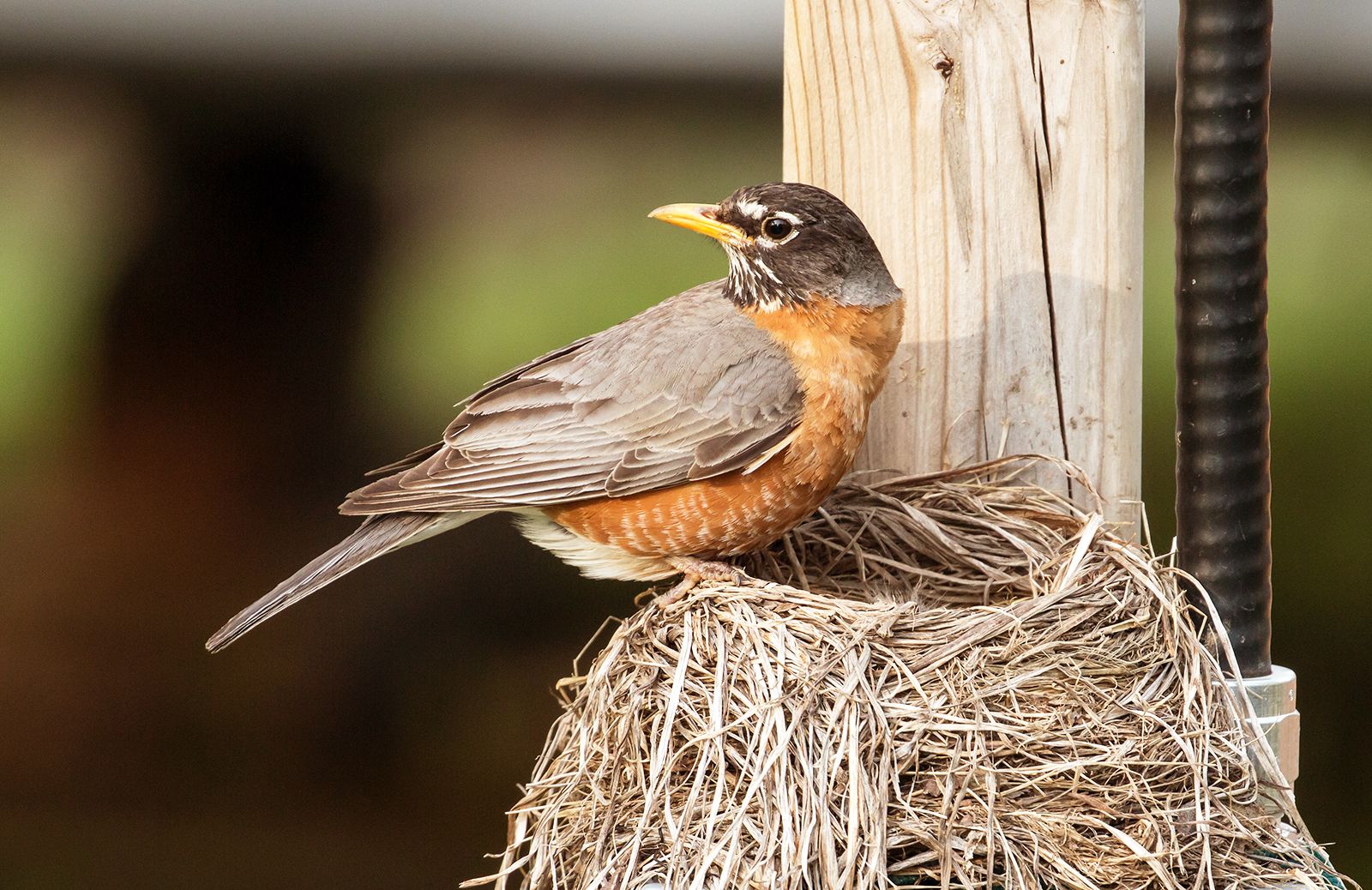
Some birds build elaborate nests hidden among branches, while others create simple ground nests or use cavities in trees. Certain species rely on natural holes, while others may use abandoned nests or structures. Nest location can help protect eggs and young birds from predators, harsh weather, and other threats.
After eggs hatch, parental care varies widely. In many species, adults feed and protect their young until they become capable of finding food independently. This period requires significant energy and careful behavior from the parents. The development of young birds can happen quickly in some species and more gradually in others.
Bird Communication and Intelligence
Bird communication is much more sophisticated than simple noise-making. Calls can communicate danger, location, food opportunities, or social information. Songs are particularly important in many species and can help establish territory or attract mates.
Some birds also demonstrate impressive problem-solving abilities. Crows and ravens have been observed using objects as tools and solving complicated tasks. Parrots can learn sounds and respond to their surroundings in ways that demonstrate considerable cognitive flexibility. These examples have encouraged scientists to study bird intelligence more closely.
Communication can also change depending on the environment. Birds living in noisy urban areas may alter aspects of their calls so that other birds can hear them over traffic and other background sounds. This demonstrates how wildlife can respond behaviorally to human-created conditions.
The Role of Birds in the Ecosystem
Birds contribute to healthy ecosystems in numerous ways. They can control insect populations, spread seeds, pollinate certain plants, consume carrion, and serve as food for other animals. Because they interact with many parts of an ecosystem, changes in bird populations can sometimes provide useful clues about environmental conditions.
Seed dispersal is especially important. Fruit-eating birds may consume berries or other plant material and later move the seeds to different locations. This helps plants spread and can contribute to forest regeneration. Nectar-feeding birds can also contribute to pollination as they move between flowers.
Birds of prey have another important ecological role. By hunting rodents and other animals, they can influence prey populations and help maintain balance within food webs. Scavenging species also contribute by consuming dead animals and returning nutrients to the ecosystem.
How People Can Help Birds
Bird conservation does not always require large projects. Small changes around homes, gardens, schools, and workplaces can provide useful resources for local species. Native plants can offer natural food and shelter, while clean water sources can support birds during hot or dry conditions.

People should also avoid disturbing active nests and should be careful when handling young birds found on the ground. In many cases, young birds are learning to fly and may still be receiving care from their parents. Observing from a safe distance is often better than immediately intervening.
Simple actions that can support birds include:
- Planting suitable native vegetation
- Keeping outdoor water sources clean
- Reducing unnecessary disturbance around nests
- Making windows more visible to reduce bird collisions
- Avoiding harmful chemicals where practical
Responsible observation is equally important. Birdwatching should allow animals to behave naturally rather than causing stress or forcing them away from feeding and nesting locations.
Birds in Human Culture and Everyday Life
Birds have influenced human culture for thousands of years. They appear in stories, paintings, songs, symbols, literature, traditional artwork, and celebrations across different societies. Their ability to fly has often represented freedom, movement, hope, or transformation.
Birds are also deeply connected to everyday experiences. The sound of a morning songbird, the sight of a flock crossing the sky, or a colorful bird visiting a garden can create a strong connection with nature. For many people, birdwatching becomes a relaxing hobby that encourages patience and observation.
Modern technology has made bird observation easier as well. Cameras, binoculars, recording devices, and identification applications allow people to learn more about species they encounter. However, technology is most useful when combined with responsible wildlife observation and respect for natural habitats.
Why Learning About Birds Matters Today
Learning about birds can provide valuable lessons about biodiversity and environmental change. Because birds live across many ecosystems and respond to changes in food, climate, habitat, and seasonal conditions, researchers often monitor their populations to understand broader ecological trends.
For students, studying birds can connect biology with geography, environmental science, behavior, evolution, and conservation. For adults, it can become an accessible way to explore nature without traveling far from home. Even a small garden or neighborhood park can provide opportunities to observe feeding, communication, nesting, and seasonal movement.
The diversity represented by birds name also reminds us that nature is not made up of isolated species. Birds interact with plants, insects, mammals, reptiles, water systems, and landscapes. Protecting one habitat can therefore benefit many different organisms at the same time.
Conclusion
The world of birds is remarkably diverse, ranging from tiny nectar-feeding species to enormous flightless birds and powerful predators. Their differences in appearance, behavior, diet, habitat, communication, and migration reveal how life can adapt to an extraordinary variety of environments. Exploring birds name is therefore much more than learning a list of species; it is an opportunity to understand the relationships that connect animals with their surroundings.