

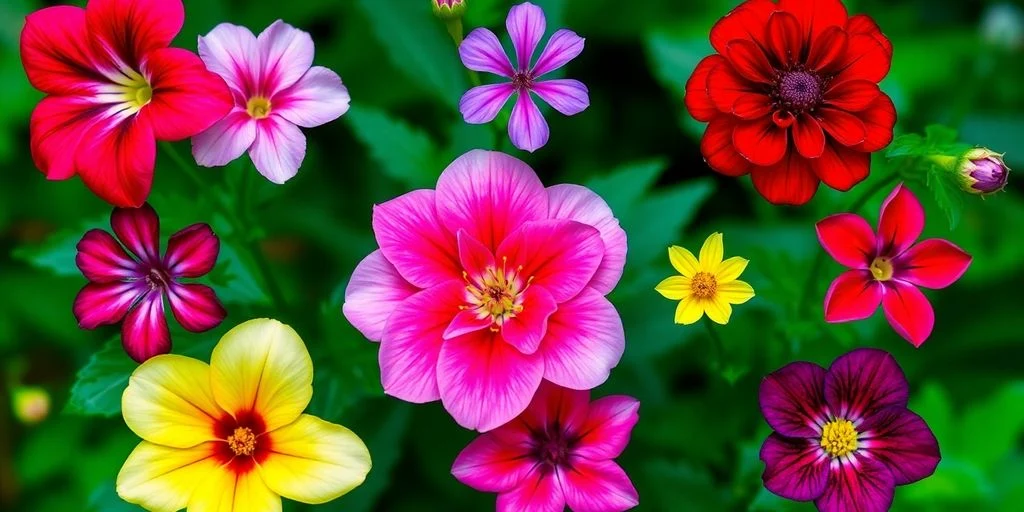

Flowers have a unique ability to transform ordinary surroundings into colorful, lively, and welcoming spaces. They appear in gardens, homes, parks, celebrations, ceremonies, and natural landscapes, offering much more than visual beauty. Different flowers can represent love, friendship, happiness, remembrance, appreciation, hope, or renewal. Their colors, shapes, fragrances, and growing habits also make them fascinating subjects for gardeners, nature lovers, students, photographers, and anyone interested in the natural world. Learning about flowers is therefore not simply about memorizing names; it is about understanding the remarkable variety found in the plant kingdom.
A useful flowers name collection can introduce people to familiar garden favorites as well as less common varieties that deserve attention. Roses, lilies, tulips, sunflowers, orchids, marigolds, chrysanthemums, daisies, carnations, and hibiscus are only a small part of the enormous diversity of flowering plants. Each has its own characteristics, preferred conditions, blooming period, and cultural associations. Some thrive in bright sunlight, while others perform better in partial shade. Some are valued mainly for fragrance, whereas others are admired for unusual shapes or striking colors.
The popularity of flowers continues to grow because they fit into many aspects of modern life. People use them to decorate living spaces, create peaceful gardens, celebrate important events, and connect with nature. At the same time, flowering plants can support pollinators such as bees and butterflies when suitable varieties are grown responsibly. Whether someone wants to start a small balcony garden or simply learn more about plants, understanding different flowers provides an enjoyable starting point.
Why Flowers Are Important in Everyday Life
Flowers have played an important role in human culture for thousands of years. Their temporary nature has often been connected with beauty, celebration, change, and the passing of time. Today, flowers continue to appear at birthdays, weddings, anniversaries, festivals, graduations, religious events, and remembrance ceremonies. A carefully selected flower arrangement can communicate a feeling without requiring a long explanation. For this reason, flower selection is often influenced by both appearance and symbolism.
Beyond celebrations, flowers can contribute to the atmosphere of homes and outdoor spaces. A flowering plant placed near a window, on a balcony, or in a garden can add color and seasonal interest. Gardening can also encourage people to spend more time outdoors and observe natural changes throughout the year. Watching buds develop into blossoms can make even a small growing space feel dynamic and rewarding.
Flowers also have ecological importance. Their blossoms provide resources for pollinating insects and, in some cases, birds and other animals. When gardens include a variety of flowering plants with different blooming periods, they can offer useful resources across a longer portion of the growing season. This makes flower gardening relevant not only to decoration but also to creating more supportive environments for local biodiversity.
Popular Types of Flowers and Their Characteristics
The world of flowering plants is extremely diverse. Some varieties are grown primarily for their attractive blossoms, while others are appreciated for fragrance, long blooming periods, foliage, or their ability to thrive in challenging conditions. A broad flowers name list can therefore include plants suited to gardens, containers, indoor environments, landscapes, and seasonal displays.
Roses
Roses are among the most recognizable flowering plants in the world. They are available in numerous colors and forms, ranging from compact varieties suitable for containers to larger climbing types that can cover trellises and walls. Roses are strongly associated with romance, but different colors can carry different traditional meanings. Their fragrance is another reason they remain popular in gardens and floral arrangements.
Growing healthy roses generally requires adequate sunlight, suitable soil, regular watering, and attention to plant health. Modern rose varieties can differ considerably in their resistance to disease, size, and flowering habits. Because of this diversity, gardeners can select roses according to available space and local growing conditions rather than treating every rose variety in exactly the same way.
Tulips
Tulips are especially recognizable because of their simple cup-shaped flowers and wide range of colors. They are commonly associated with spring and are often planted in groups to create bold displays. Their clean shapes make them popular for gardens, bouquets, and decorative arrangements.
Tulips generally grow from bulbs and have a distinctive seasonal cycle. Their success depends on factors such as temperature, planting conditions, soil drainage, and the characteristics of the particular variety. Their bright colors can create an especially strong visual effect when several complementary shades are planted together.
Sunflowers
Sunflowers are known for their tall stems and large flower heads, although varieties can differ greatly in height and flower size. Their bright appearance gives them a cheerful character, making them popular in gardens and photographs. Some varieties are grown primarily for ornamental purposes, while others are cultivated for their seeds.
Sunflowers typically perform well in sunny locations and can make an impressive addition to outdoor spaces. Their flower heads can also attract pollinators during flowering. Once mature, certain varieties produce seeds that are useful for wildlife and can also be harvested for other purposes depending on the plant and cultivation method.
Lilies
Lilies are valued for their elegant flowers and, in many varieties, their noticeable fragrance. Their trumpet-like or star-shaped blooms can create a sophisticated appearance in gardens and floral arrangements. Because the term lily is used across a broad range of plants, individual varieties can have very different growing requirements.
Many lilies prefer well-drained soil and appropriate sunlight, although the ideal conditions vary by type. Gardeners should identify the particular variety before planting because factors such as planting depth, moisture requirements, and seasonal growth patterns can differ significantly.
Flower Names, Colors, and Common Associations
Color has a powerful influence on how people perceive flowers. Red flowers are frequently associated with strong emotions and affection, while white blossoms can suggest simplicity, peace, elegance, or remembrance. Yellow flowers often create a cheerful impression, and pink varieties are commonly connected with tenderness and appreciation. Purple and blue shades can provide a sense of calm, richness, or uniqueness.
However, flower symbolism is not universal. Meanings can vary between cultures, historical periods, and individual traditions. A flower that represents celebration in one setting may have a different association elsewhere. Therefore, symbolic meanings are best treated as cultural conventions rather than fixed rules.
| Flower | Common Colors | Typical Association | General Growing Preference |
|---|---|---|---|
| Rose | Red, pink, white, yellow | Love and appreciation | Sunlight and well-drained soil |
| Tulip | Red, pink, yellow, purple | Spring and renewal | Seasonal sun and good drainage |
| Sunflower | Yellow, orange | Cheerfulness and warmth | Full sunlight |
| Lily | White, pink, orange, yellow | Elegance and beauty | Varies by variety |
| Marigold | Yellow, orange | Celebration and brightness | Sun and moderate moisture |
| Daisy | White, yellow | Simplicity and freshness | Sun to partial shade |
| Orchid | White, purple, pink, yellow | Elegance and refinement | Bright indirect light for many types |
| Hibiscus | Red, pink, yellow, orange | Tropical beauty | Warm conditions and sunlight |
How to Choose Flowers for a Garden
Choosing flowers should begin with the growing environment rather than appearance alone. Before purchasing plants or seeds, gardeners should consider the amount of sunlight available, the type of soil, drainage, temperature patterns, humidity, and available space. A flower that looks perfect in a catalog may struggle if its basic environmental requirements do not match the garden.

Container gardening requires additional consideration because pots provide less soil volume than garden beds. Containers can dry out faster, and their temperature can change more quickly. Choosing appropriately sized pots, using suitable growing media, and providing drainage can significantly improve plant performance. Compact flowering varieties are often particularly convenient for balconies, patios, terraces, and small urban gardens.
Matching Flowers With the Seasons
Seasonality is another important consideration. Some flowers naturally bloom during cooler months, while others perform best during warmer periods. Planting a combination of varieties with different blooming schedules can help maintain color across multiple seasons instead of producing one short period of intense flowering.
Climate also matters greatly. A plant that performs well in one region may require different care in another. Local temperature patterns, rainfall, humidity, and sunlight can influence flowering considerably. Gardeners can often achieve better results by selecting varieties known to perform well in their particular climate rather than choosing plants based solely on appearance.
Flowers in Home Decoration and Celebrations
Flowers have become a major part of interior and event decoration because they can change the visual character of a space without requiring permanent alterations. A simple arrangement can brighten a dining table, reception area, bedroom, entrance, or workspace. Different combinations of flower shapes and foliage can create styles ranging from traditional and romantic to modern and minimal.
For celebrations, flower selection often depends on the mood of the event. Bright colors can create an energetic atmosphere, while softer shades may produce an elegant and relaxed appearance. Seasonal flowers can also make arrangements feel more connected to the time of year. Rather than selecting flowers only for popularity, thoughtful arrangements consider color balance, texture, size, fragrance, and the overall setting.
Flowers and Pollinators
Flowering plants can play an important role in supporting pollinators. Bees, butterflies, moths, and other insects visit flowers to obtain nectar or pollen. The structure and color of blossoms can influence which pollinators are attracted to particular plants. A garden containing several kinds of flowers can therefore provide more varied opportunities for local insects.
People interested in creating pollinator-friendly spaces can focus on plant diversity and flowering continuity. Instead of relying on a single ornamental species, they can combine several flowering plants that bloom at different times. Avoiding unnecessary chemical treatments and providing suitable shelter can further improve the usefulness of a garden for beneficial insects.
A few practical considerations include:
- Choose plants suited to the local climate and soil conditions.
- Include flowers with different shapes, colors, and blooming periods.
- Provide adequate water while avoiding consistently waterlogged soil.
- Leave some natural areas where appropriate for insects and other wildlife.
How to Care for Flowering Plants
Successful flower gardening depends on consistent but appropriate care. Watering should be based on the plant’s needs, weather conditions, soil characteristics, and container size rather than following one fixed schedule for every plant. Overwatering can damage roots just as insufficient water can cause stress. Checking the soil and observing the plant can provide useful clues about its condition.
Sunlight is equally important. Some flowering plants need several hours of direct sunlight, while others can become stressed by intense afternoon heat. Fertilization may also support healthy growth, but excessive fertilizer can create problems instead of improving flowering. Pruning, deadheading, pest monitoring, and removing damaged plant material can help maintain appearance and encourage healthier growth in suitable species.
Flowers as a Source of Inspiration
Flowers have influenced art, photography, literature, fashion, architecture, and design for generations. Their changing forms provide endless visual inspiration, from delicate petals and symmetrical patterns to unusual tropical shapes. Photographers often use flowers to explore color, texture, light, and close-up details that might otherwise go unnoticed.
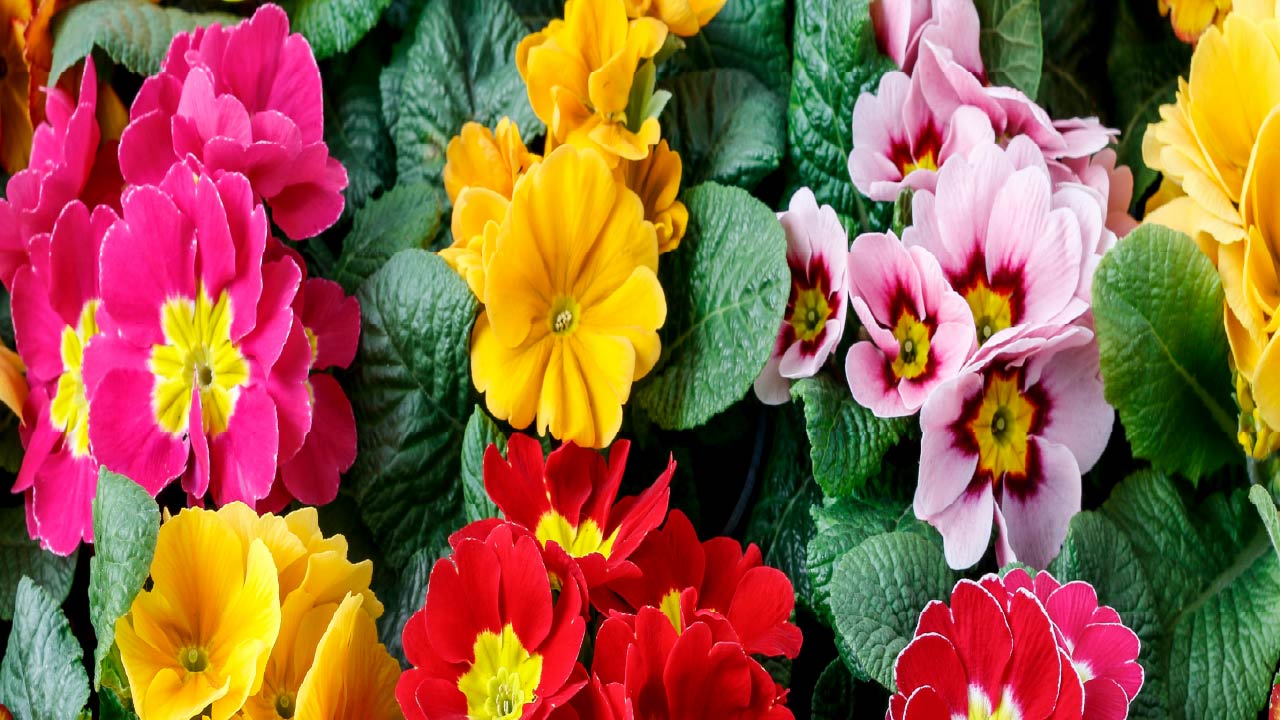
Flowers can also encourage a deeper appreciation for seasonal change. A garden rarely looks exactly the same throughout the year. New buds appear, blossoms open, petals fall, and plants enter periods of rest before beginning another growth cycle. This natural rhythm is one reason gardening can feel rewarding even when the goal is simply to enjoy a beautiful outdoor space.
Interesting Facts About Flower Diversity
The enormous variety of flowering plants means that there is always something new to discover. Some flowers are tiny enough to be overlooked, while others produce enormous blossoms. Some rely heavily on fragrance to attract pollinators, whereas others use bright colors or distinctive shapes. Certain flowers open primarily during the daytime, while others are particularly noticeable after sunset.
Flowering plants have also adapted to remarkably different environments. They can be found in tropical regions, temperate landscapes, dry environments, wetlands, mountains, and cultivated urban spaces. This adaptability demonstrates why flowering plants are such an important and diverse part of ecosystems around the world.
Conclusion
Exploring flowers name varieties reveals a fascinating combination of beauty, biology, culture, and everyday usefulness. From familiar roses and tulips to sunflowers, lilies, orchids, daisies, marigolds, and countless other flowering plants, each variety brings its own visual character and growing requirements. Understanding these differences makes it easier to select flowers for gardens, containers, decorations, celebrations, and wildlife-friendly spaces.