

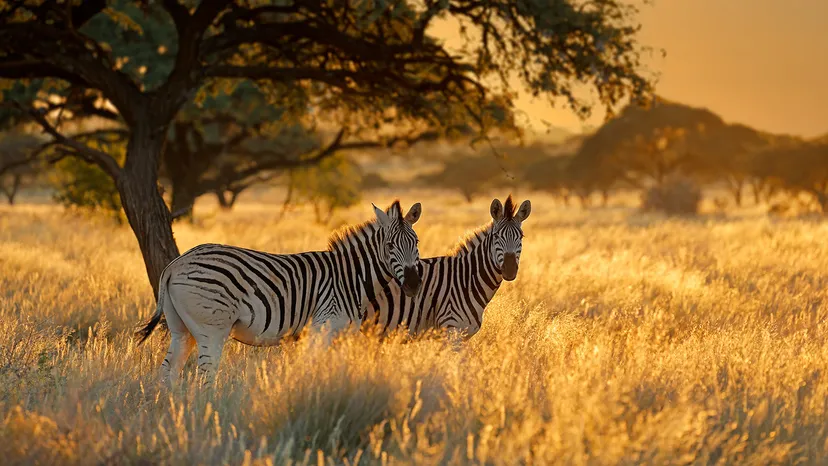

The animal kingdom is one of the most diverse and fascinating parts of the natural world. From enormous mammals and powerful predators to tiny insects and colorful birds, animals live in almost every environment on Earth. They can be found in forests, deserts, oceans, grasslands, mountains, wetlands, cities, and even places with extremely cold or hot conditions. Learning different animals name is not simply an exercise in memorization; it also introduces us to the remarkable variety of life that exists around us.
Every animal has characteristics that help it survive in its particular environment. A camel can travel through dry desert regions because its body is adapted to limited water availability, while a polar bear has physical features that help it cope with freezing temperatures. Birds have different beak shapes depending on what they eat, fish have bodies designed for movement through water, and many insects have specialized abilities that allow them to find food, reproduce, or protect themselves from predators.
Understanding animals name also helps children and adults develop a broader awareness of nature. When people recognize animals and understand where they live, what they eat, and how they behave, they can better appreciate the importance of protecting ecosystems. Animals are connected to plants, other animals, soil, water, and climate, meaning that changes affecting one part of an ecosystem can influence many others.
Understanding the Animal Kingdom
Animals are living organisms that generally obtain energy by consuming other organisms rather than producing their own food. Scientists classify animals into many different groups according to characteristics such as body structure, reproduction, physical features, and evolutionary relationships. Although animals can look dramatically different from one another, they share fundamental characteristics that distinguish them from plants, fungi, and other forms of life.
One of the simplest ways to understand the huge variety of animals is to divide them into vertebrates and invertebrates. Vertebrates have a backbone and include mammals, birds, reptiles, amphibians, and fish. Invertebrates do not have a backbone and include insects, spiders, worms, mollusks, crustaceans, and many other groups. Invertebrates represent an enormous portion of known animal diversity, making them particularly important to ecosystems.
Major Groups of Animals
Mammals
Mammals are among the most familiar animals to humans. They generally have hair or fur, breathe air through lungs, and produce milk for their young. Mammals live in almost every major habitat, from tropical rainforests and open grasslands to oceans and polar regions. Examples include elephants, lions, tigers, dogs, cats, horses, whales, dolphins, bats, and monkeys.
Mammals display extraordinary differences in size, behavior, and lifestyle. An elephant relies on its enormous body and social relationships, while a bat has adaptations that allow it to fly and navigate in darkness. Marine mammals such as whales and dolphins have streamlined bodies suited to life in water. These differences demonstrate how animals can evolve specialized characteristics in response to their surroundings.
Birds
Birds are recognized by features such as feathers, beaks, wings, and lightweight skeletons. Most birds can fly, although some species have evolved to spend more time walking, swimming, or running. Eagles, parrots, sparrows, owls, penguins, flamingos, peacocks, and ostriches are examples of birds with very different physical characteristics and lifestyles.
Birds play important ecological roles. Some spread seeds from one location to another, while others help control insect populations or pollinate plants. Their ability to migrate across long distances also connects ecosystems that may be thousands of kilometers apart. Bird behavior can therefore provide valuable information about seasonal changes and environmental conditions.
Reptiles
Reptiles include snakes, lizards, turtles, tortoises, crocodiles, and several other groups. Many reptiles have scales and rely heavily on external environmental temperatures to regulate their body temperature. They inhabit deserts, forests, wetlands, grasslands, rivers, and oceans.
Different reptiles demonstrate impressive survival strategies. Snakes use a variety of hunting techniques, turtles have protective shells, and crocodilians possess powerful jaws and aquatic adaptations. Some reptiles are active predators, while others primarily consume plants or have flexible diets depending on their species and environment.
Amphibians
Amphibians include frogs, toads, salamanders, and newts. Many amphibians spend part of their lives in water and part on land, although their lifestyles vary considerably. Their skin is often sensitive to environmental changes, which makes amphibians particularly interesting from an ecological perspective.
Frogs are among the most recognizable amphibians, but the group contains many species with unusual appearances and behaviors. Some can change color, some produce distinctive calls, and others have adaptations that help them survive in forests or streams. Because amphibians can be sensitive to pollution and habitat changes, their populations can sometimes provide clues about ecosystem health.
Fish
Fish represent an enormous range of aquatic life. They inhabit freshwater environments such as rivers and lakes as well as saltwater environments including coastal areas and deep oceans. Their bodies are generally adapted for movement through water, with fins and specialized respiratory systems.
Fish vary dramatically in size and appearance. Small reef fish can display vivid colors and complex patterns, while large ocean species can grow to remarkable sizes. Some fish live near the surface, while others inhabit deep water where sunlight is extremely limited. Their diversity illustrates how life can adapt to very different aquatic conditions.
Invertebrates and Their Importance
Invertebrates make up a huge proportion of animal diversity. Unlike vertebrates, they do not have a backbone, but they possess an extraordinary range of body structures and survival strategies. Insects, spiders, butterflies, bees, crabs, lobsters, octopuses, snails, jellyfish, and worms are all examples of invertebrates.
Insects are particularly important because they contribute to pollination, decomposition, food chains, and nutrient cycling. Bees and other pollinating insects help plants reproduce, while beetles and other decomposers contribute to the breakdown of organic material. Spiders help regulate populations of other insects, and marine invertebrates contribute to the health of ocean ecosystems.
Animals and Their Habitats
An animal’s habitat is the natural environment in which it obtains food, water, shelter, and suitable conditions for survival. Different species require different combinations of resources. A rainforest provides dense vegetation and abundant moisture, while a desert presents limited water and extreme temperature changes. Oceans provide completely different conditions, including buoyancy, saltwater, pressure, and varying levels of sunlight.

Some animals have exceptionally broad habitat ranges, while others depend on very specific environments. Habitat specialization can make a species particularly vulnerable when its environment changes. If forests are cleared, wetlands are drained, or marine environments become polluted, animals that depend on those ecosystems may struggle to find food or shelter.
The following table shows examples of animal groups and the environments where many members of those groups can be found:
| Animal Group | Examples | Common Habitats | Typical Adaptations |
|---|---|---|---|
| Mammals | Elephant, tiger, whale | Forests, grasslands, oceans | Fur, lungs, specialized teeth |
| Birds | Eagle, owl, penguin | Forests, wetlands, coasts | Feathers, wings, beaks |
| Reptiles | Snake, turtle, crocodile | Deserts, rivers, forests | Scales, shells, temperature regulation |
| Amphibians | Frog, toad, salamander | Wetlands, forests, streams | Moist skin, aquatic life stages |
| Fish | Salmon, tuna, reef fish | Rivers, lakes, oceans | Fins, gills, streamlined bodies |
| Invertebrates | Butterfly, crab, octopus | Land, freshwater, oceans | Diverse body structures and specialized behaviors |
How Animals Adapt to Their Environment
Adaptation is one of the most interesting aspects of animal biology. Over many generations, populations can develop inherited characteristics that improve their ability to survive and reproduce in particular environments. These characteristics can involve body structure, behavior, coloration, feeding strategies, or methods of communication.
Camouflage is a familiar example. Some animals have colors and patterns that make them difficult for predators or prey to detect. Other animals use warning colors to communicate that they may be dangerous or unpleasant to eat. Arctic species may have insulation or seasonal coloration, while desert species can possess behaviors that help them avoid the hottest parts of the day.
Behavioral adaptations can be equally important. Some animals migrate to find food or suitable breeding conditions, while others hibernate or enter periods of reduced activity when resources are scarce. Social animals may cooperate to protect young, locate food, or defend territory. These strategies show that survival depends on more than physical appearance.
What Animals Eat
Animal diets vary enormously. Some species are herbivores that primarily consume plants, while carnivores feed mainly on other animals. Omnivores consume both plant and animal foods, and some species have highly specialized diets that depend on particular resources.
Herbivores such as deer and many types of elephants use specialized teeth and digestive systems to process plant material. Carnivorous animals may have sharp teeth, claws, powerful jaws, or other hunting adaptations. Omnivores can take advantage of a wider variety of food sources, which may help them survive when particular resources become unavailable.
Food relationships also create complex food webs. A plant may provide food for an insect, the insect may become food for a bird, and that bird may be hunted by a larger predator. Because these relationships are interconnected, the decline of one species can sometimes affect several other species within the same ecosystem.
Interesting Examples of Animal Behavior
Animal behavior can reveal remarkable abilities and forms of communication. Some animals communicate through sounds, while others use body movements, scents, colors, or chemical signals. Birds may use songs to establish territory or attract mates, while social mammals can use vocalizations and physical gestures to maintain relationships within groups.
Certain animals also demonstrate impressive problem-solving abilities. Some birds can manipulate objects to obtain food, while several mammals have demonstrated the ability to learn from experience and remember complex information. Marine animals such as octopuses are also known for sophisticated behaviors that reflect their unusual nervous systems and environments.
Migration is another remarkable behavior. Animals may travel enormous distances in response to seasonal changes, food availability, or breeding requirements. These journeys can involve impressive navigation abilities and precise timing. Such behavior demonstrates how closely animals are connected to environmental cycles.
Why Animals Are Important to Ecosystems
Animals perform countless ecological functions. Predators help regulate populations, herbivores influence vegetation, pollinators support plant reproduction, and decomposers contribute to nutrient cycling. Even species that may appear small or insignificant can have important effects on the environments around them.
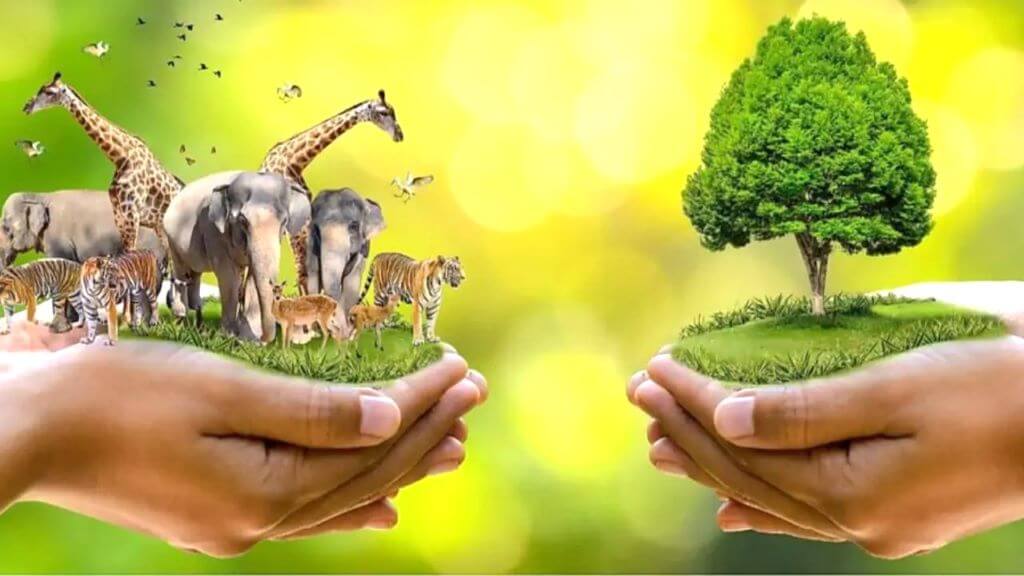
Biodiversity provides ecosystems with greater complexity and resilience. When different species perform different ecological roles, natural systems can continue functioning even when environmental conditions change. Protecting animal populations therefore involves more than saving individual species; it also means maintaining the ecological relationships that support forests, grasslands, wetlands, rivers, and oceans.
Some major ways animals contribute to natural systems include:
- Pollinating flowering plants and supporting reproduction.
- Dispersing seeds across different areas.
- Controlling populations of prey and insects.
- Contributing to decomposition and nutrient cycling.
- Providing food and shelter within complex food webs.
Threats Facing Animals Today
Animals face numerous environmental challenges. Habitat destruction, pollution, climate-related changes, illegal hunting, invasive species, and unsustainable resource use can all affect wildlife populations. The severity of these pressures varies between species and regions, but the overall issue has become an important part of modern conservation.
Habitat loss is particularly significant because animals require suitable places to feed, reproduce, and raise their young. When natural habitats become fragmented, populations can become isolated from one another. This can make it more difficult for animals to move, find mates, or respond to changing environmental conditions.
Pollution can also create serious problems. Plastic waste, contaminated water, chemical pollutants, and excessive noise can affect terrestrial and aquatic species. Conservation efforts therefore often require cooperation between scientists, communities, governments, landowners, and environmental organizations.
How People Can Help Protect Wildlife
Protecting wildlife does not always require large-scale action from individuals. Everyday decisions can contribute to healthier environments when they are combined across communities. Reducing waste, avoiding unnecessary pollution, respecting wildlife habitats, supporting responsible conservation efforts, and learning about local species are practical ways to develop greater environmental awareness.
Education is especially valuable because people are more likely to appreciate wildlife when they understand it. Children who learn different animals name and discover how species depend on their habitats can develop stronger connections with nature. Adults can also contribute by supporting sustainable practices and encouraging responsible treatment of animals.
The Value of Learning Animals Name
Learning animals name is useful for more than building vocabulary. It can help people recognize differences between species and understand their ecological roles. A child who learns that a frog is an amphibian, an eagle is a bird, and a whale is a mammal is already beginning to understand the basic structure of biological classification.
For students, learning animals name can also support lessons in science, geography, environmental studies, and biology. For travelers and nature enthusiasts, identifying animals can make outdoor experiences more meaningful. Even in everyday life, recognizing common birds, insects, mammals, and reptiles can encourage people to observe their surroundings more carefully.
As knowledge grows, simple names can become gateways to deeper questions. Where does an animal live? What does it eat? How does it communicate? How does it reproduce? What predators does it face? What role does it play in the ecosystem? These questions transform basic recognition into genuine curiosity about the natural world.
Conclusion
The enormous variety of life on Earth makes the animal kingdom an endlessly interesting subject. From mammals and birds to reptiles, amphibians, fish, and invertebrates, every group contains species with unique physical characteristics, behaviors, habitats, and survival strategies. Studying animals name can therefore be the beginning of a much deeper understanding of biology and nature. Animals are also essential parts of healthy ecosystems. They pollinate plants, disperse seeds, control populations, recycle nutrients, and form interconnected food webs. At the same time, many species face increasing pressure from habitat loss, pollution, environmental changes, and human activities. Understanding these challenges is an important step toward responsible conservation.