

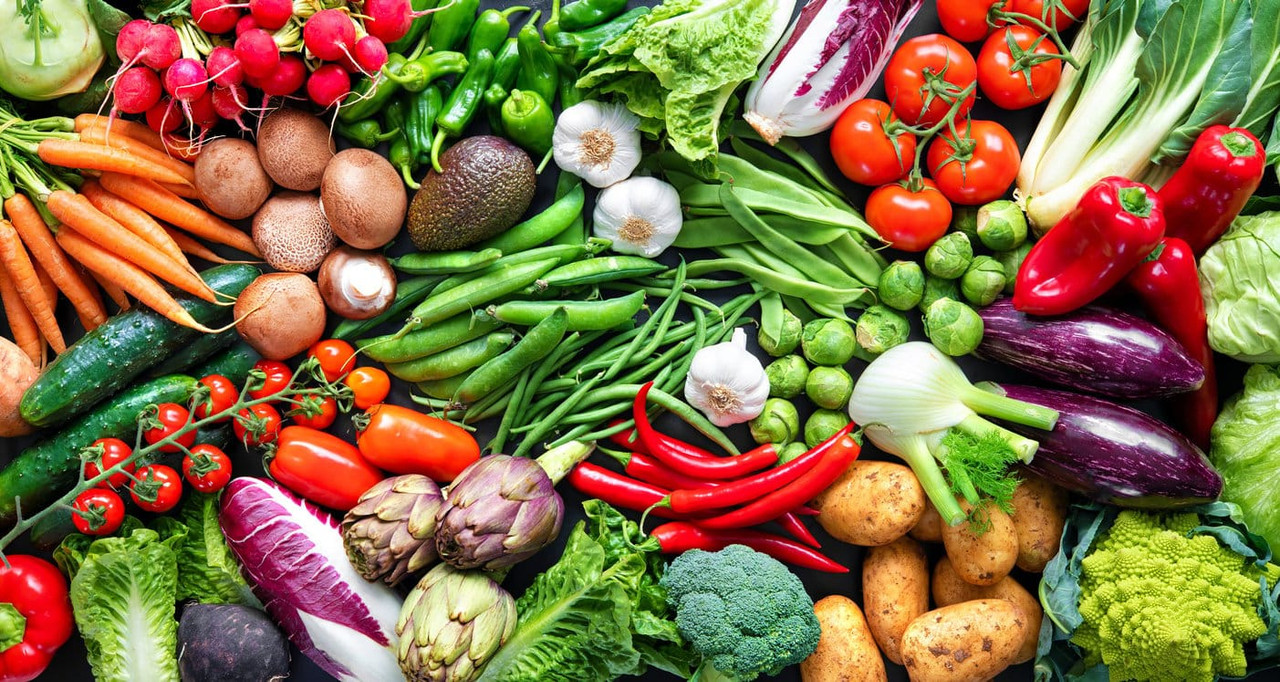
.jpg&description=Explore a complete vegetables name list with popular varieties, nutritional benefits, seasonal choices, and practical tips for selecting, storing, and cooking vegetables.)
Vegetables are an essential part of a balanced diet, providing vitamins, minerals, dietary fiber, and other nutrients that support overall health. From leafy greens and root vegetables to colorful seasonal produce, every variety offers a different combination of nutrients, flavors, and culinary possibilities. Whether you are planning everyday meals, improving your eating habits, or teaching children about healthy foods, understanding different vegetables can make food choices easier and more enjoyable.
A vegetables name list is useful for people who want to recognize common varieties, discover unfamiliar produce, and learn how vegetables can be included in different meals. In Indian kitchens, vegetables such as potatoes, tomatoes, onions, spinach, cauliflower, and okra are everyday ingredients. Other varieties, including broccoli, zucchini, asparagus, and Brussels sprouts, are also becoming more familiar as cooking preferences and food availability continue to change.
Knowing the names of vegetables is only the beginning. Understanding their nutritional value, seasonal availability, preparation methods, and storage requirements helps people make better use of fresh produce. By learning about different vegetable groups and their practical benefits, you can build a varied diet that suits your preferences, budget, and lifestyle.
Understanding the Different Types of Vegetables
Vegetables can be classified according to the parts of plants that people eat. These groups include leafy vegetables, roots, stems, flowers, fruits that are commonly used as vegetables, and edible seeds or pods. Although these categories may sound technical, they are easy to understand through familiar examples. Spinach belongs to the leafy group, carrots are roots, celery is a stem vegetable, cauliflower is an edible flower, and peas are edible seeds.
This classification helps explain why different vegetables have different textures, cooking times, and nutritional characteristics. Leafy vegetables often provide folate and vitamin K, while orange-colored carrots contain beta-carotene, which the body can convert into vitamin A. Peas provide plant-based protein and fiber, while vegetables such as tomatoes contribute vitamin C and other beneficial plant compounds. Eating a combination of these groups is a practical way to obtain a wider range of nutrients rather than relying on only two or three familiar varieties.
Popular Vegetables Name List for Everyday Use
Many vegetables are available in local markets throughout the year, although their quality and price may change with the season. Potatoes, onions, tomatoes, carrots, cabbage, cucumbers, and green beans are widely used in everyday cooking. Indian households also frequently prepare brinjal, bottle gourd, bitter gourd, ridge gourd, pumpkin, radish, and okra. These ingredients can be used in curries, stir-fries, soups, salads, stuffed dishes, and traditional regional recipes.
The following table provides a useful reference for recognizing common vegetables and understanding how they are generally used in meals.
| Vegetable name | Main nutritional contribution | Common culinary use |
|---|---|---|
| Spinach | Folate, vitamin K, and carotenoids | Curries, soups, and dals |
| Carrot | Beta-carotene and fiber | Salads, sabzi, and soups |
| Potato | Carbohydrates, potassium, and vitamin C | Curries, roasting, and mashing |
| Tomato | Vitamin C and lycopene | Gravies, sauces, and salads |
| Broccoli | Vitamin C, folate, and fiber | Steaming and stir-frying |
| Cauliflower | Vitamin C and fiber | Curries, roasting, and rice alternatives |
| Green peas | Fiber, protein, and folate | Pulao, curries, and soups |
| Okra | Fiber, folate, and vitamin C | Stir-fries and traditional sabzi |
| Beetroot | Folate, fiber, and natural pigments | Salads, roasting, and juices |
| Cucumber | Water and small amounts of vitamins | Salads, raita, and snacks |
Nutritional contributions vary according to the variety, growing conditions, freshness, portion size, and cooking method. The table should therefore be treated as a general guide rather than a complete nutritional analysis of each vegetable.
Leafy Green Vegetables and Their Importance
Leafy green vegetables are among the most useful ingredients for building a nutrient-rich diet. Spinach, fenugreek leaves, amaranth leaves, mustard greens, lettuce, kale, and coriander leaves are familiar examples. These vegetables can provide folate, vitamin K, carotenoids, and varying amounts of minerals and fiber. Their nutritional composition makes them valuable additions to meals, particularly when they are combined with other vegetables, whole grains, pulses, and protein-rich foods.
Leafy greens are also versatile in the kitchen. Spinach can be cooked with lentils, blended into soups, or added to vegetable dishes. Fenugreek leaves provide a distinctive flavor to flatbreads and curries, while mustard greens are commonly prepared in traditional winter meals in northern India. Some leafy vegetables cook quickly, making them suitable for busy households. Washing them thoroughly under clean running water and storing them in appropriate refrigeration conditions can help maintain their quality. Cooking methods should preserve their texture and flavor without unnecessarily extending cooking time.
Root and Tuber Vegetables for Everyday Energy
Root and tuber vegetables include carrots, radishes, beetroots, potatoes, sweet potatoes, and turnips. These vegetables grow underground or develop edible storage structures that help plants store nutrients. Their flavors range from the sweetness of carrots and sweet potatoes to the sharpness of radishes. Their different textures make them useful in raw salads, cooked dishes, soups, roasted meals, and traditional recipes.
Potatoes and sweet potatoes are particularly useful sources of carbohydrates, which provide energy for daily activities. Carrots supply beta-carotene, while beetroot contains folate and naturally occurring plant pigments. Radishes can add crunch and a refreshing flavor to meals, especially when served raw or lightly cooked. The healthiest preparation depends on the overall meal and cooking technique. Boiling, steaming, baking, and roasting with moderate amounts of oil can provide alternatives to deep-frying. Keeping edible skins on suitable vegetables after thorough washing may also help retain fiber and reduce food waste.
Cruciferous Vegetables and Their Nutritional Benefits
Cruciferous vegetables include cauliflower, cabbage, broccoli, Brussels sprouts, and several types of radish. These vegetables belong to the same botanical family and contain fiber, vitamins, and naturally occurring plant compounds. Broccoli and cauliflower are especially versatile because they can be steamed, roasted, added to soups, or combined with spices to prepare flavorful dishes. Cabbage is commonly used in salads, vegetable stir-fries, stuffed foods, and fermented preparations.
Including cruciferous vegetables in a varied diet can contribute to digestive health and overall nutrient intake. Their fiber helps support regular bowel movements, while their vitamins and plant compounds contribute to normal bodily functions. However, no single vegetable provides every nutrient a person needs, and claims that a particular vegetable can prevent or cure a disease should be treated cautiously. A balanced approach involves eating a range of vegetables alongside fruits, legumes, whole grains, nuts, and suitable protein sources.
Seasonal Vegetables and Smart Shopping Choices
Seasonality influences the availability, taste, price, and quality of vegetables. In India, winter markets often feature fresh peas, carrots, cauliflower, radishes, spinach, and mustard greens. Summer brings greater availability of cucumbers, gourds, okra, and other heat-tolerant produce in many regions. Monsoon conditions can affect the supply and quality of certain vegetables, depending on rainfall, transport, and local growing conditions. Since India has several climate zones, seasonal availability is not identical across every state.
Choosing locally available seasonal vegetables can be a practical way to control grocery expenses and enjoy produce when it is abundant. Shoppers should look for vegetables with appropriate firmness, natural color, and minimal signs of spoilage. Leafy greens should generally appear fresh rather than excessively wilted, while tomatoes and other soft vegetables should not have extensive mold or leaking areas. It is not necessary to purchase expensive or unfamiliar produce to maintain a healthy diet. Common local vegetables can provide excellent nutritional value when meals are varied and prepared thoughtfully.
How to Select, Clean, and Store Vegetables Properly
Freshness begins with careful shopping and continues through preparation and storage. Different vegetables require different handling methods. Leafy greens usually benefit from refrigeration and protection from excess moisture, while potatoes and onions generally keep better in a cool, dry, well-ventilated place away from direct sunlight. Refrigeration can extend the usable life of many other vegetables, but the ideal conditions depend on the variety and how ripe or mature it is when purchased.
Before cooking, wash vegetables thoroughly under clean running water. Avoid using soap or household detergents on produce. Remove damaged portions where appropriate, and use clean cutting boards and utensils to reduce the risk of cross-contamination. Refrigerate cut or prepared vegetables promptly, and do not leave perishable cooked dishes at room temperature for extended periods. Following these basic practices helps preserve food quality and supports safer meal preparation.
A few practical habits can make vegetable shopping more efficient:
- Buy quantities that your household can reasonably consume before they spoil.
- Store vegetables according to their individual temperature and moisture requirements.
- Keep raw produce separate from raw meat and other foods that may contaminate it.
- Use suitable leftover vegetables in soups, curries, rice dishes, or cooked fillings.
These small changes can reduce food waste while making it easier to include vegetables in daily meals.
Simple Ways to Add More Vegetables to Your Diet
Eating more vegetables does not require complicated recipes or a complete change in cooking habits. A simple breakfast might include vegetables in an omelet, savory oats, or stuffed flatbread. Lunch can include a vegetable curry, a serving of cooked greens, or a fresh salad alongside grains and pulses. At dinner, mixed vegetable soup, roasted vegetables, or a combination of seasonal produce and lentils can create a satisfying meal. The key is to find preparations that suit your preferences and can be repeated consistently.

Color can be a useful guide when planning meals because different colors often indicate different naturally occurring plant pigments and nutrients. Green vegetables, orange carrots, red tomatoes, purple cabbage, and white cauliflower each bring different characteristics to the plate. However, color alone does not determine nutritional quality, and a colorful meal is not automatically balanced. Pairing vegetables with adequate protein, healthy fats, and appropriate portions of grains or other energy sources helps create meals that are more complete and satisfying.
Cooking techniques also influence how vegetables taste and feel. Light steaming can preserve texture, while roasting can bring out natural sweetness. Stir-frying with spices, garlic, ginger, or herbs can make familiar vegetables more appealing without requiring heavy sauces. For children or people who dislike certain vegetables, trying different textures and preparations may be more effective than repeatedly serving the same dish. Gradual exposure, variety, and positive experiences can help develop lasting food preferences.
Common Mistakes to Avoid When Eating Vegetables
One common mistake is relying on a very limited selection of vegetables every week. Potatoes, onions, and tomatoes are useful ingredients, but adding leafy greens, legumes, cruciferous vegetables, and other seasonal options can improve dietary variety. Another mistake is assuming that vegetables are always healthier when eaten raw. Some vegetables are commonly eaten raw, while others are easier to digest or more enjoyable after cooking. Cooking can reduce certain heat-sensitive vitamins, but it can also improve the availability of some nutrients, depending on the vegetable and preparation method.
Excessive cooking, deep-frying, and adding large quantities of salt or rich sauces can change the nutritional profile of a dish. At the same time, there is no need to avoid every cooked preparation or treat a particular cooking method as universally best. The goal is to prepare vegetables in ways that preserve their appeal and fit into an overall balanced diet. Another avoidable problem is throwing away vegetables simply because they are slightly imperfect in shape. If produce is fresh, safe, and free from spoilage, its appearance does not need to be perfect to make it useful in home cooking.
Conclusion
Learning about different vegetables makes everyday food choices more informed and practical. From leafy greens and root vegetables to cruciferous varieties and seasonal produce, each group offers different flavors, textures, and nutritional contributions. A broad vegetables name list can help shoppers recognize more options, plan varied meals, and discover new ingredients without making food preparation unnecessarily complicated.
The most effective approach is to select fresh produce when possible, consider seasonal availability, store vegetables correctly, and use a range of preparation methods. There is no single vegetable that can meet every nutritional need, so variety matters more than depending on one popular ingredient. By adding different vegetables to breakfast, lunch, and dinner, households can make everyday meals more interesting, reduce unnecessary food waste, and develop sustainable eating habits that support long-term well-being.