

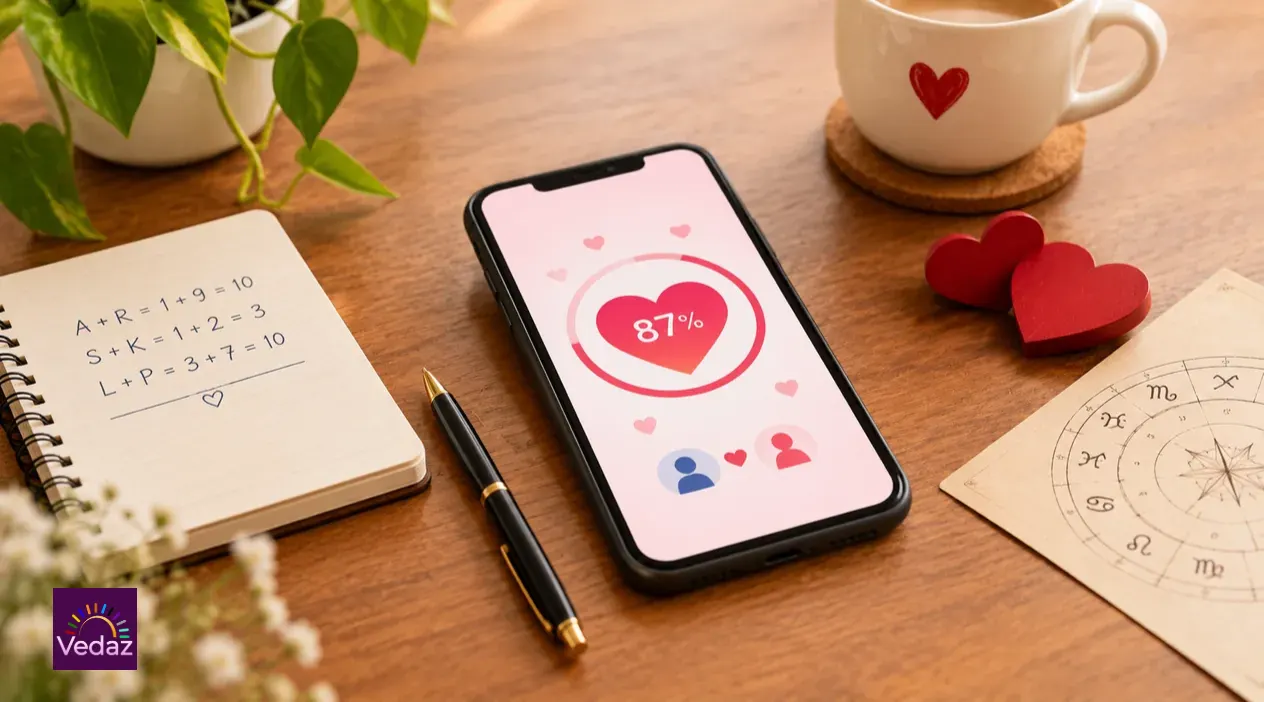
Love has always inspired curiosity, excitement, and countless questions about relationships. Whether two people have just started talking, are developing a crush, or have been together for years, it is natural to wonder how compatible they might be. In the digital age, online entertainment tools have made exploring these questions more interactive. One popular option is a love calculator, which uses the names of two people to generate a playful compatibility score. It offers a simple and entertaining way to explore romantic possibilities without complicated questions or lengthy assessments.
A love calculator name tool generally asks users to enter two names and then displays a percentage that represents their supposed romantic compatibility. Some calculators also provide short messages about attraction, friendship, emotional understanding, or relationship potential. The results are often designed to be fun rather than scientific, making these tools popular among friends, couples, and people curious about someone they like. Although a percentage cannot reveal what another person truly feels, it can create an enjoyable conversation and encourage people to think about what makes relationships meaningful.
Understanding how these calculators work can make the experience more enjoyable and realistic. Instead of treating a score as a prediction of the future, users can see it as a lighthearted activity that celebrates curiosity and connection. Real compatibility develops through communication, respect, trust, shared values, and consistent effort. Exploring a calculator can be entertaining, but understanding the person behind the name is what ultimately matters.
What Is a Love Calculator Name Tool?
A love calculator is an online entertainment tool that estimates romantic compatibility between two people based on their names. Users typically enter their own name and the name of a partner, crush, friend, or someone they admire. After submitting the information, the calculator produces a percentage or a short compatibility message. The result may suggest a strong connection, moderate compatibility, or an opportunity to learn more about each other.
The main attraction of these tools is their simplicity. Unlike relationship questionnaires that ask about communication styles, personal values, and emotional needs, name-based calculators usually require very little information. This makes them easy to use during casual conversations, social gatherings, or online chats. People may compare results with friends, test different name combinations, or share amusing outcomes with someone special. However, the displayed percentage should not be interpreted as a genuine measurement of attraction or long-term relationship success because names alone cannot provide that information.
How Does a Love Calculator Name Work?
Most name-based calculators use a programmed formula to convert entered names into a numerical result. Depending on the particular tool, the calculation might involve counting letters, assigning numerical values to characters, combining the names, or applying a predefined mathematical process. Other versions may use randomized results or simple rules that generate different messages according to a percentage range.
For example, someone entering the names Rahul and Priya might receive a score of 86%, while another combination could produce a score of 64%. These numbers can appear meaningful, but their interpretation depends entirely on the calculator’s design. Unless a tool uses a valid, independently tested method for measuring a clearly defined relationship characteristic, the result is not evidence of actual romantic compatibility. Most entertainment-focused calculators do not have a scientifically validated way to determine whether two people will fall in love.
The experience is best understood as a playful digital activity. Its purpose is to create curiosity and amusement rather than to analyze personality, predict marriage, or determine whether a relationship will last. Knowing this distinction allows users to enjoy the results without making important personal decisions based on an arbitrary percentage.
Why Are Name-Based Love Calculators So Popular?
One reason these calculators remain appealing is that relationships naturally involve uncertainty. Someone with a new crush may wonder whether a connection could develop, while a couple might simply want a fun activity to share. A quick compatibility result offers an immediate answer in a game-like format, even though it cannot resolve the deeper questions people have about love.
Another factor is accessibility. Most calculators require only two names, making them easy to understand for people of different ages and technical backgrounds. There is no need to complete a lengthy form or provide detailed relationship information. The results are also easy to discuss in messages and conversations, which helps turn a simple calculation into a social experience.
A love calculator name search can also reflect a desire for reassurance. People sometimes look for signs that their feelings might be mutual or that a relationship has potential. While a high score may create excitement, it is important to remember that genuine reassurance comes from a person’s actions, honest communication, and willingness to build a connection. A calculator can start a conversation, but it cannot replace those meaningful experiences.
Understanding Different Love Compatibility Scores
Love calculators often present results as percentages, making them easy to interpret at a glance. Some tools describe higher scores as signs of strong attraction, while lower scores may be presented as an indication that two people need to understand each other better. These descriptions are usually part of the entertainment experience rather than conclusions supported by relationship research.
The following table illustrates how a hypothetical calculator might present its results. The ranges are examples only and are not universal standards used by every calculator.
| Hypothetical score | Possible entertainment message | Realistic interpretation |
|---|---|---|
| 90–100% | A perfect romantic match | A playful result, not proof of compatibility |
| 70–89% | A promising connection | Learn about each other’s values and expectations |
| 40–69% | Room to discover more | Relationships cannot be judged by a number |
| 0–39% | An unexpected match | A low score does not mean a relationship will fail |
These categories can make the activity more engaging, but they should not influence how someone treats another person. A low percentage does not mean that two people are unsuitable, just as a high percentage cannot guarantee a happy relationship. The quality of a connection depends on circumstances and behaviors that a name-based calculation cannot evaluate.
When interpreting results, consider them similar to the outcome of a personality quiz or a casual online game. They may give you something interesting to discuss, but they should not become a source of pressure, insecurity, or unrealistic expectations.
How to Use a Love Calculator Name Tool
Using a typical love calculator is straightforward. Most tools follow a similar process, although the exact design and available features can vary. Users should understand what information is requested before submitting it, especially when using an unfamiliar website.
The basic process usually involves these steps:
- Enter your name in the first available field.
- Enter the other person’s name in the second field.
- Select the calculate or submit option to generate the result.
- Read the displayed percentage and treat it as entertainment.
Some calculators offer additional features, such as short romantic messages, compatibility descriptions, or options for comparing multiple combinations. Others may allow users to repeat the calculation with different spellings. Because the underlying formula can differ between tools, changing a name’s spelling may change the result without changing anything about the people involved.
For the best experience, use the calculator as a casual activity rather than a test of someone’s feelings. If you share the result with a crush or partner, keep the conversation light and respect their reaction. Not everyone enjoys romantic quizzes, and no one should feel obligated to respond positively to a score or participate in an activity they do not like.
Can a Love Calculator Predict True Love?
A name-based calculator cannot reliably predict whether two people will fall in love. Romantic relationships involve complex emotional, social, and personal factors that cannot be established simply by comparing names. Attraction may begin with physical appearance, shared interests, humor, or a sense of familiarity, but a lasting relationship usually requires much more than initial excitement.

Consider two people who receive a compatibility score of 98%. They might feel encouraged by the result, yet they may have very different expectations about commitment, finances, family, or communication. Without understanding these differences, they could struggle to maintain a healthy relationship. Meanwhile, two people who receive a score of 25% might communicate well, respect one another, and develop a strong partnership over time.
This illustrates why the number itself has little practical value as a predictor. Relationship success is shaped by everyday decisions, including listening carefully, expressing feelings honestly, managing disagreements constructively, and respecting personal boundaries. These behaviors offer far more useful information about a relationship than a percentage generated from two names.
A calculator can still have a place in romantic experiences. It may encourage people to laugh together, share their feelings, or begin a conversation about relationships. The important distinction is that entertainment can support a positive moment without serving as evidence about the future.
Real Signs of Romantic Compatibility
Real compatibility becomes clearer as two people spend time together and learn how each other thinks, feels, and behaves. It does not require identical personalities or agreement on every subject. In many healthy relationships, partners have different interests and perspectives but remain willing to understand each other. Their ability to communicate respectfully and work through challenges often matters more than their similarities.
Emotional safety is another important sign. People should feel comfortable expressing concerns, discussing expectations, and being honest without constantly fearing ridicule or rejection. Mutual respect also means recognizing that each person has individual goals, friendships, responsibilities, and boundaries. A relationship becomes healthier when both partners can maintain their individuality while building a shared connection.
Consistency is equally valuable. Someone who demonstrates care through reliable actions, keeps reasonable commitments, and makes time for meaningful conversations may show stronger relationship potential than someone who offers impressive words but little follow-through. Compatibility develops through repeated experiences, which allow people to understand whether their expectations and behaviors align.
For anyone wondering whether a connection is promising, the following questions can be more useful than a calculator result:
- Can both people communicate honestly and listen to each other?
- Do they respect each other’s boundaries and personal choices?
- Are their expectations about the relationship reasonably compatible?
- Can they disagree without insults, threats, or controlling behavior?
Reflecting on these questions encourages a more realistic understanding of romantic relationships. It also helps people recognize that compatibility is not simply something discovered in a single moment; it is something that becomes clearer through shared experiences.
Using Love Calculators Safely and Responsibly
Although most name-based calculators are designed for entertainment, users should still pay attention to privacy. Some websites may display advertisements, request unnecessary personal details, or ask users to create accounts before revealing a result. A basic calculator generally does not need sensitive information such as a phone number, home address, password, or private messages.
It is sensible to enter only the information needed for the activity. If a website requests excessive personal details, pressures users to download unknown software, or makes unrealistic claims about revealing another person’s secret feelings, consider leaving the page. Users should also be cautious about sharing screenshots that reveal private information about themselves or someone else.
Respect for other people’s privacy is important as well. Entering a person’s name into a calculator may seem harmless, but sharing the resulting score publicly could embarrass them or create unwanted attention. Before posting results on social media or sending them to a group chat, consider whether the other person would be comfortable with that information being shared.
Responsible use also means avoiding emotional dependence on results. A calculator should never become the reason to end a promising relationship, pursue someone who has declined interest, or ignore concerning behavior. Personal choices should be guided by consent, respect, real conversations, and an honest assessment of how people treat each other.
Creative Ways to Make the Experience More Enjoyable
A love calculator can become more entertaining when it is treated as a shared game instead of a serious evaluation. Friends might compare fictional couples, couples might laugh about unexpected percentages, or a group might use the results as conversation starters during a casual gathering. These activities can make the experience memorable without suggesting that the numbers reveal anything definite about romantic destiny.


Another idea is to follow the result with a meaningful question. If two people receive a high percentage, they might discuss what they appreciate about one another. If the result is unexpectedly low, they could laugh about how little a formula knows about their lives. The purpose is to encourage interaction rather than make anyone feel judged.
A love calculator name activity can also inspire discussions about personal preferences. People might talk about what they value in a partner, how they define trust, or which shared activities help them feel connected. These conversations provide a more useful understanding of relationships because they involve actual opinions and experiences instead of a predetermined score.
The most enjoyable approach is to keep expectations realistic. The calculator provides a moment of entertainment, while the people involved create the meaning through their conversations and behavior. When everyone understands that distinction, the activity can remain lighthearted and respectful.
Common Misconceptions About Name-Based Compatibility
One common misconception is that a high score guarantees a successful relationship. In reality, even people who feel strong initial attraction need to develop trust, communication, and shared expectations. A second misconception is that a low score signals incompatibility. Since most entertainment calculators rely on arbitrary formulas, their results cannot establish whether two people would make a good couple.
Another misunderstanding is that a calculator can identify hidden feelings. A numerical result cannot tell you whether someone has a crush on you, wants to begin a relationship, or is ready for commitment. Those questions can only be explored through respectful communication and attention to the other person’s expressed wishes and behavior.
Some people also assume that repeating a calculation until they obtain a preferred score will provide a more accurate answer. However, changing spellings or trying different calculators simply changes the inputs or formula being used. It does not create new evidence about a relationship. Recognizing these misconceptions helps users enjoy the activity without confusing a game with meaningful personal insight.
Conclusion
A love calculator offers a simple and entertaining way to explore romantic curiosity using two names and a compatibility percentage. Its appeal comes from its accessibility, playful results, and ability to create conversations between friends, couples, or people with a crush. Whether the displayed score is surprisingly high or unexpectedly low, the experience can be enjoyable when approached with realistic expectations.
The most important thing to remember is that names cannot determine the strength of a romantic connection. Trust, honesty, emotional understanding, mutual respect, and consistent effort are much more meaningful indicators of relationship quality. A calculator cannot measure these qualities or guarantee what will happen between two people in the future.
Ultimately, use a love calculator as a lighthearted activity rather than a decision-making tool. Enjoy the result, share a laugh if appropriate, and focus on getting to know the person behind the name. Real love is not established by a percentage; it grows through mutual interest, thoughtful communication, and the choices two people make together.