

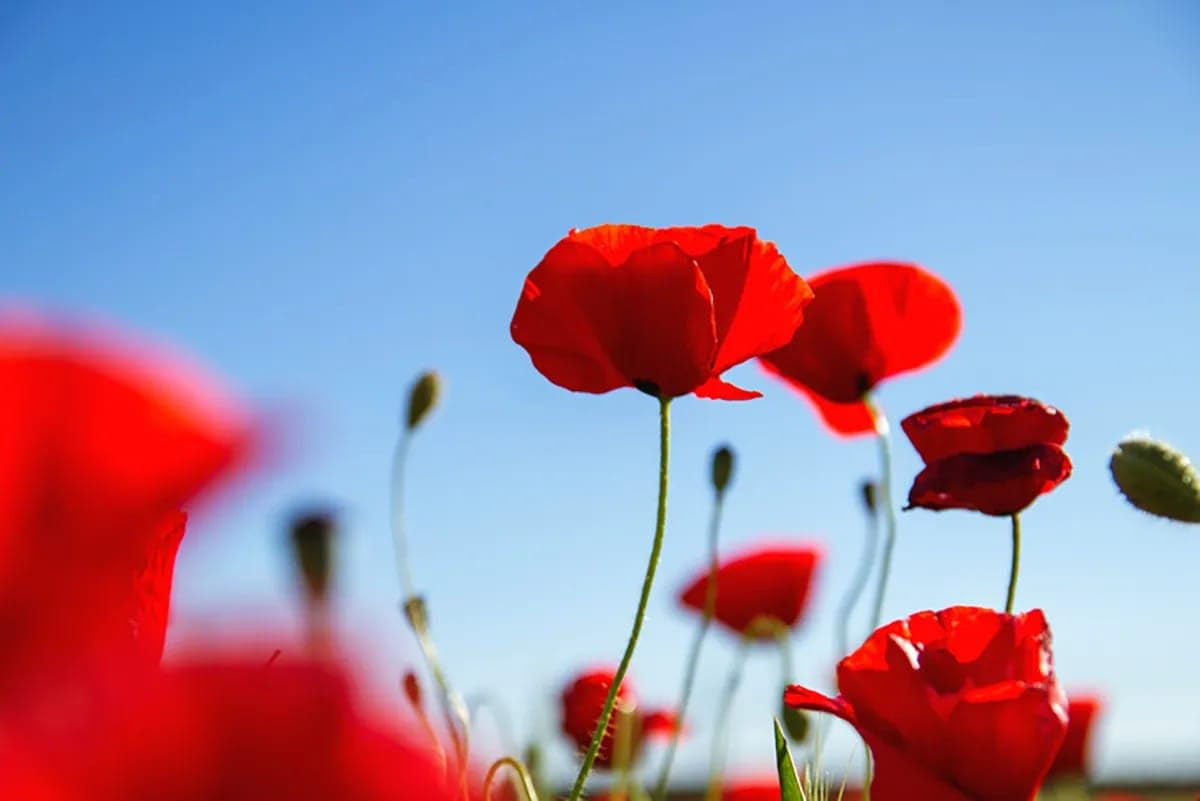
.jpg&description=Explore 50 beautiful flowers name options with their meanings, colors, and growing tips. Discover popular garden flowers and choose the perfect blooms for every occasion.)
Flowers are among nature’s most beautiful creations, bringing color, fragrance, and life to gardens, homes, parks, and landscapes. From delicate white jasmine to bright yellow sunflowers, every flower has a unique appearance and charm. People use flowers to express love, celebrate special occasions, decorate their surroundings, and create peaceful outdoor spaces. They also play an important role in the environment by supporting pollinators such as bees, butterflies, and other beneficial insects.
Learning about a flowers name can help beginners identify different varieties and understand what makes each one special. Some flowers grow best in warm, sunny conditions, while others prefer cooler temperatures or shaded areas. Certain varieties are valued for their fragrance, whereas others are popular because of their vibrant colors or long-lasting blooms. Understanding these differences makes it easier to choose suitable flowers for a garden, balcony, or indoor arrangement.
Flowers also have cultural and emotional significance across the world. Roses are commonly associated with love, marigolds are widely used in Indian festivals, and lotuses hold spiritual importance in several traditions. Whether someone wants to create a colorful garden, prepare a bouquet, or teach children about plants, exploring different flowers offers an enjoyable way to connect with nature.
What Are the Most Popular Flowers in the World?
Popular flowers are appreciated for their beauty, availability, fragrance, and suitability for different occasions. Roses, tulips, lilies, orchids, sunflowers, and daisies are recognized worldwide. Their shapes and colors vary considerably, allowing people to create arrangements that match different moods and celebrations. While some flowers are associated with romance, others represent happiness, friendship, purity, or remembrance.
In India, flowers such as marigolds, jasmine, hibiscus, and lotus have a particularly strong presence in everyday life. They are used in religious ceremonies, wedding decorations, traditional garlands, and household gardens. Meanwhile, roses, chrysanthemums, and gerberas are popular choices for bouquets and gifts. The best flower for a particular purpose depends on its meaning, growing requirements, availability, and the preferences of the person receiving it.
50 Flowers Name Options With Their Special Features
The following table introduces 50 familiar flowers, along with their common colors and notable characteristics. It is useful for students, gardening beginners, flower enthusiasts, and anyone who wants to expand their knowledge of flowering plants.
| No. | Flower name | Common colors | Notable feature |
|---|---|---|---|
| 1 | Rose | Red, pink, white, yellow | Fragrant petals |
| 2 | Lotus | Pink, white | Aquatic flowering plant |
| 3 | Sunflower | Yellow, orange | Large flower head |
| 4 | Jasmine | White, cream | Sweet fragrance |
| 5 | Marigold | Yellow, orange | Popular festive flower |
| 6 | Tulip | Red, pink, yellow, purple | Cup-shaped bloom |
| 7 | Lily | White, pink, orange | Elegant petals |
| 8 | Orchid | Purple, white, pink | Distinctive flower shapes |
| 9 | Daisy | White, yellow, pink | Simple, cheerful appearance |
| 10 | Hibiscus | Red, pink, yellow | Large, prominent petals |
| 11 | Lavender | Purple | Aromatic flowers |
| 12 | Daffodil | Yellow, white | Trumpet-shaped center |
| 13 | Chrysanthemum | Many colors | Dense flower heads |
| 14 | Gerbera | Red, pink, orange, yellow | Bright, daisy-like blooms |
| 15 | Carnation | Red, pink, white | Frilled petals |
| 16 | Poppy | Red, orange, pink | Delicate petals |
| 17 | Peony | Pink, white, red | Full, layered blooms |
| 18 | Magnolia | White, pink, purple | Large, elegant flowers |
| 19 | Petunia | Purple, pink, white | Suitable for containers |
| 20 | Zinnia | Many colors | Long-lasting garden blooms |
| 21 | Cosmos | Pink, white, purple | Airy foliage and flowers |
| 22 | Periwinkle | Purple, pink, white | Five-petaled blooms |
| 23 | Bougainvillea | Pink, purple, red | Colorful leaf-like bracts |
| 24 | Morning glory | Blue, purple, pink | Climbing growth habit |
| 25 | Sweet pea | Pink, purple, white | Delicate fragrance |
| 26 | Foxglove | Pink, purple, white | Bell-shaped flowers |
| 27 | Hydrangea | Blue, pink, white | Large flower clusters |
| 28 | Iris | Purple, blue, yellow | Distinctive petal structure |
| 29 | Freesia | Yellow, pink, white | Sweet fragrance |
| 30 | Ranunculus | Multiple colors | Layered, rose-like petals |
| 31 | Aster | Purple, pink, white | Star-like flower heads |
| 32 | Calendula | Yellow, orange | Bright garden blooms |
| 33 | Tuberose | White | Strong fragrance |
| 34 | Night-blooming jasmine | White | Fragrant evening blooms |
| 35 | Plumeria | White, pink, yellow | Tropical appearance |
| 36 | Gardenia | White, cream | Rich fragrance |
| 37 | Anthurium | Red, pink, white | Glossy, heart-shaped spathe |
| 38 | Bird of paradise | Orange, blue | Bird-like flower shape |
| 39 | Delphinium | Blue, purple, pink | Tall flower spikes |
| 40 | Gladiolus | Multiple colors | Tall, upright spikes |
| 41 | Snapdragon | Pink, red, yellow | Unusual flower shape |
| 42 | Verbena | Purple, pink, red | Small clustered flowers |
| 43 | Begonia | Pink, red, white | Decorative foliage and flowers |
| 44 | Pansy | Purple, yellow, blue | Distinctive face-like markings |
| 45 | Bleeding heart | Pink, white | Heart-shaped blooms |
| 46 | Lantana | Multiple colors | Small clustered flowers |
| 47 | Yarrow | Yellow, white, pink | Flat-topped clusters |
| 48 | Cornflower | Blue | Bright blue petals |
| 49 | Hellebore | White, pink, purple | Early-season flowering |
| 50 | Passionflower | Purple, white | Complex, unusual structure |
Flowers Name and Their Meanings
Flowers often communicate feelings without words. Their traditional meanings can help people select suitable blooms for gifts, celebrations, and personal occasions. However, these meanings are not universal, and interpretations may differ between cultures and individual preferences.
1. Rose: A Symbol of Love and Appreciation
Roses are among the most recognizable flowers in the world. Red roses are commonly associated with romantic love, while pink roses can express admiration, gratitude, and appreciation. White roses are often connected with purity or remembrance, and yellow roses are frequently used to celebrate friendship and happiness. These associations make roses suitable for birthdays, anniversaries, weddings, and many other occasions.
Roses are also versatile garden plants available in numerous varieties, including climbing roses, miniature roses, and shrub roses. Most grow well in sunny locations with fertile, well-draining soil. Regular watering, suitable pruning, and good air circulation help maintain healthy growth. Gardeners should select varieties suited to their local climate because heat, humidity, and rainfall can influence flowering and disease resistance.
2. Lotus: A Symbol of Purity and Renewal
The lotus is an aquatic plant admired for its beautiful blooms and broad leaves. It grows in ponds and other suitable water environments, producing flowers that rise above the water’s surface. In Indian traditions, the lotus has strong spiritual associations and is often connected with purity, wisdom, and renewal. Its ability to grow in muddy water while producing striking flowers makes it an enduring symbol in art and cultural practices.
Growing lotus requires more space and specific conditions than growing ordinary garden flowers. Most varieties need plenty of sunlight, warm temperatures, and a container or pond with suitable aquatic soil. The plant spreads through underground rhizomes and can become vigorous when conditions are favorable. Before planting lotus, gardeners should consider its mature size and choose a location where its growth can be managed.
3. Sunflower: A Symbol of Happiness
Sunflowers are famous for their large flower heads and bright yellow petals. They bring a cheerful appearance to gardens and are valued for their seeds, which provide food for people and wildlife. Depending on the variety, sunflowers can grow into tall plants with enormous flower heads or remain compact enough for containers and smaller outdoor spaces.
These flowers generally prefer direct sunlight and soil that drains well. Their height makes them useful as background plants along fences or garden boundaries. Sunflowers can also attract pollinators, while their seeds may provide food for birds after flowering. Shorter varieties are especially suitable for balconies and patios when grown in sufficiently large pots.
4. Jasmine: A Symbol of Sweetness and Elegance
Jasmine is widely appreciated for its delicate white flowers and distinctive fragrance. In India, jasmine flowers are commonly used in garlands, hair decorations, religious offerings, and festive arrangements. Their fragrance is especially noticeable in many varieties during the evening, making jasmine a popular choice for gardens near seating areas or windows.

Jasmine plants may grow as shrubs or climbing vines, depending on the species. Most varieties benefit from adequate sunlight, moderate watering, and soil that drains properly. Some types tolerate partial shade, while others flower more abundantly in brighter conditions. Gardeners should check the requirements of their selected species before planting because cold tolerance and flowering seasons vary.
5. Marigold: A Symbol of Celebration
Marigolds produce vivid yellow and orange flowers that stand out in gardens and decorative arrangements. They are especially popular during Indian festivals, weddings, and religious celebrations, where their bright colors are used in garlands and entrance decorations. Their relatively easy cultivation makes them a practical option for home gardeners.
Marigolds generally grow well in sunny locations and well-draining soil. They can be grown in garden beds, pots, and containers, making them suitable for different living spaces. Removing faded flowers often encourages continued blooming. Although marigolds are relatively easy to grow, overcrowding and excessive moisture can increase the risk of plant diseases.
How to Choose the Right Flowers for Your Garden
Choosing flowers involves more than selecting attractive colors. Gardeners should consider sunlight, available space, soil conditions, local weather, and the time they can devote to plant care. A sunny balcony may be ideal for marigolds, zinnias, and compact sunflowers, while a shaded garden might suit certain begonias or other shade-tolerant flowering plants. Selecting flowers that match the growing environment can reduce maintenance and improve flowering.
The local climate is particularly important in India, where conditions differ considerably between regions. Hot summers, monsoon rainfall, winter temperatures, and humidity can affect which plants perform best. Seasonal flowers often provide excellent results when planted at the appropriate time. Gardeners should also consider mature plant size, especially when using containers or planting near pathways.
Important Factors to Consider
Before purchasing plants or seeds, consider these practical points:
-
Sunlight: Check whether the selected flower needs full sun, partial shade, or a shaded location.
-
Water requirements: Choose plants that suit your watering routine and local rainfall.
-
Available space: Consider mature height, spread, and container size before planting.
-
Maintenance: Beginners may prefer varieties that flower reliably with straightforward care.
These basic checks can prevent common gardening problems and help flowers remain healthy throughout their growing season.
Tips for Growing Healthy Flowers at Home
Healthy flowering plants need appropriate soil, consistent care, and enough room for their roots to develop. A suitable potting mix should provide nutrients while allowing excess water to drain. Containers should have drainage holes, and gardeners should avoid leaving most flowering plants in permanently waterlogged soil. Watering needs depend on the species, weather, pot size, and stage of growth, so checking soil moisture is generally more useful than following a rigid daily schedule.

Fertilizer can support flowering when used according to the plant’s needs. Excessive fertilizer, particularly when it contains too much nitrogen, may encourage leafy growth at the expense of flowers in some varieties. Deadheading, which involves removing spent blooms, can help certain plants produce more flowers. Other varieties benefit from pruning or support structures, especially climbing and tall-stemmed plants. Regularly checking leaves and stems also helps gardeners notice pests, discoloration, or disease early.
Seasonal Flowers and Their Best Uses
Different flowers perform well during different seasons, although the ideal planting time depends on the local climate and variety. In many parts of India, marigolds, petunias, pansies, and chrysanthemums are popular choices for cooler months. Heat-tolerant varieties, including zinnias and sunflowers, can perform well in warmer conditions when they receive suitable water and sunlight. Tropical flowers such as hibiscus may bloom over extended periods in favorable climates.
Seasonal planning allows gardeners to maintain a colorful outdoor space throughout the year. For example, a winter garden can feature petunias and calendulas, while a summer planting scheme may include heat-tolerant zinnias. Selecting plants with different flowering periods can reduce gaps between blooms. This approach also benefits pollinators by providing food sources across a longer part of the year.
Using Flowers for Home Decoration and Special Occasions
Flowers can transform ordinary spaces into welcoming environments. Fresh roses, lilies, gerberas, and chrysanthemums are commonly used in bouquets and table arrangements, while jasmine and tuberose are appreciated for their fragrance. Small arrangements can brighten workspaces, dining tables, and entryways without requiring elaborate decoration. Combining flowers with different shapes, colors, and textures can create an attractive display.
For special occasions, the choice of flowers can reflect the event and the recipient’s preferences. Roses are frequently chosen for romantic celebrations, while bright marigolds are popular in festive decorations. White lilies and other elegant blooms may suit formal arrangements, depending on local customs. When arranging fresh flowers, clean water, a clean vase, and regular removal of wilted material help extend their appearance. Households with pets should also check whether their chosen flowers are toxic to cats, dogs, or other animals before bringing them indoors.
Why Flowers Are Important for the Environment
Flowers do more than improve the appearance of gardens and landscapes. Many provide nectar and pollen for bees, butterflies, moths, and other pollinators. These insects support the reproduction of numerous flowering plants, including some crops that people depend on for food. Planting a variety of suitable flowering species can help provide food resources across different seasons.
A garden designed with environmental benefits in mind can include native flowering plants, varied bloom times, and areas with minimal pesticide use. Native species are often well adapted to local conditions and may support local wildlife more effectively than some introduced ornamentals. Avoiding unnecessary chemical treatments and providing clean water or sheltered spaces can further improve the garden’s value for beneficial insects. Even a small balcony with a few suitable flowering plants can contribute to a greener urban environment.
Conclusion
Flowers bring beauty, fragrance, meaning, and ecological value to everyday life. From roses and lotuses to marigolds, jasmine, and sunflowers, each variety offers distinctive features that make it suitable for different gardens, celebrations, and decorative purposes. Learning a flowers name alongside its appearance, growing requirements, and traditional associations helps people make more informed choices. Whether you are a student learning about plants, a beginner creating a home garden, or someone selecting flowers for a special occasion, start with varieties suited to your environment and needs. Pay attention to sunlight, watering, soil quality, and seasonal conditions to encourage healthy growth. With thoughtful selection and consistent care, flowers can make homes and outdoor spaces more colorful while also supporting the natural world.