

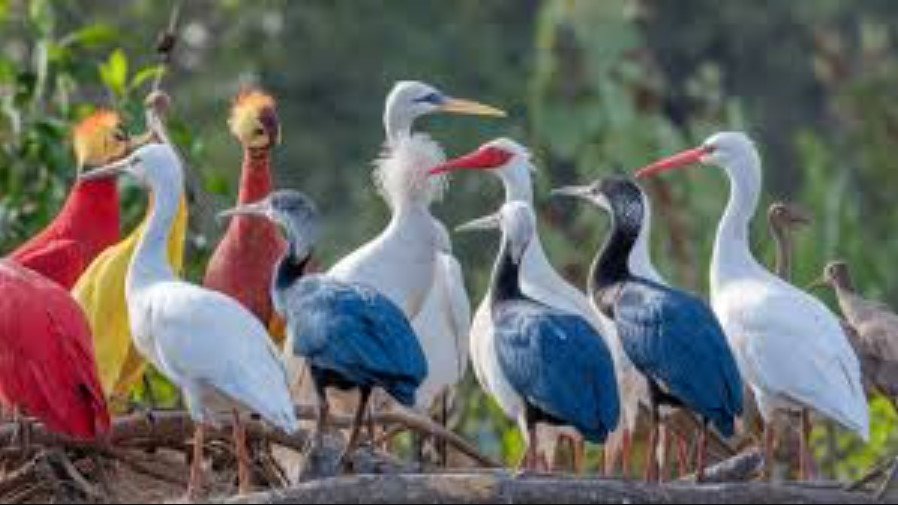

Birds are among the most fascinating creatures found across the world. They come in different colors, sizes, and behaviors, making them one of the most diverse groups of animals on Earth. Learning the birds name is important for students, nature enthusiasts, bird watchers, and anyone interested in wildlife. From the tiny hummingbird to the majestic eagle, every bird has unique characteristics that help it survive in its environment.
Birds play a vital role in maintaining ecological balance. They help with seed dispersal, pollination, and controlling insect populations. Understanding the birds name can also improve our appreciation of biodiversity and nature conservation efforts. Whether you observe birds in your backyard, parks, forests, or wetlands, knowing their identities makes the experience more meaningful.
This comprehensive guide explores various bird species, their habitats, physical features, and interesting facts. You will also find tables and categorized lists that make it easier to identify common birds. By the end of this article, you will have a better understanding of the incredible avian world and the importance of learning each bird’s identity.
What Are Birds?
Birds are warm-blooded vertebrates characterized by feathers, wings, and beaks. Unlike mammals, birds lay eggs and are specially adapted for flight, although some species are flightless. Scientists have identified over 10,000 bird species worldwide, each occupying different ecological niches.
The ability to fly allows birds to travel long distances in search of food, breeding grounds, and favorable climates. Some birds migrate thousands of kilometers every year. Others remain in the same region throughout their lives. Learning a bird’s name helps researchers and enthusiasts track migration patterns and understand environmental changes.
Birds communicate through songs, calls, and visual displays. Their feathers provide insulation, camouflage, and attraction during mating seasons. From tropical rainforests to frozen tundras, birds have adapted to almost every habitat on Earth. Their remarkable diversity continues to inspire scientific studies and nature conservation efforts globally.
Common Birds Name List
The following table contains some of the most commonly recognized bird species around the world.
| Bird Name | Scientific Group | Habitat |
|---|---|---|
| Sparrow | Passeridae | Urban and rural areas |
| Pigeon | Columbidae | Cities and towns |
| Crow | Corvidae | Forests and urban areas |
| Parrot | Psittaciformes | Tropical forests |
| Eagle | Accipitridae | Mountains and open lands |
| Owl | Strigiformes | Forests and grasslands |
| Peacock | Phasianidae | Forest regions |
| Kingfisher | Alcedinidae | Rivers and lakes |
| Woodpecker | Picidae | Forests |
| Flamingo | Phoenicopteridae | Wetlands |
These birds are commonly seen in different parts of the world and are often among the first species people learn to identify.
Types of Birds Based on Habitat
Birds can be categorized according to where they live. Different environments influence their behavior, diet, and physical adaptations.
Forest Birds
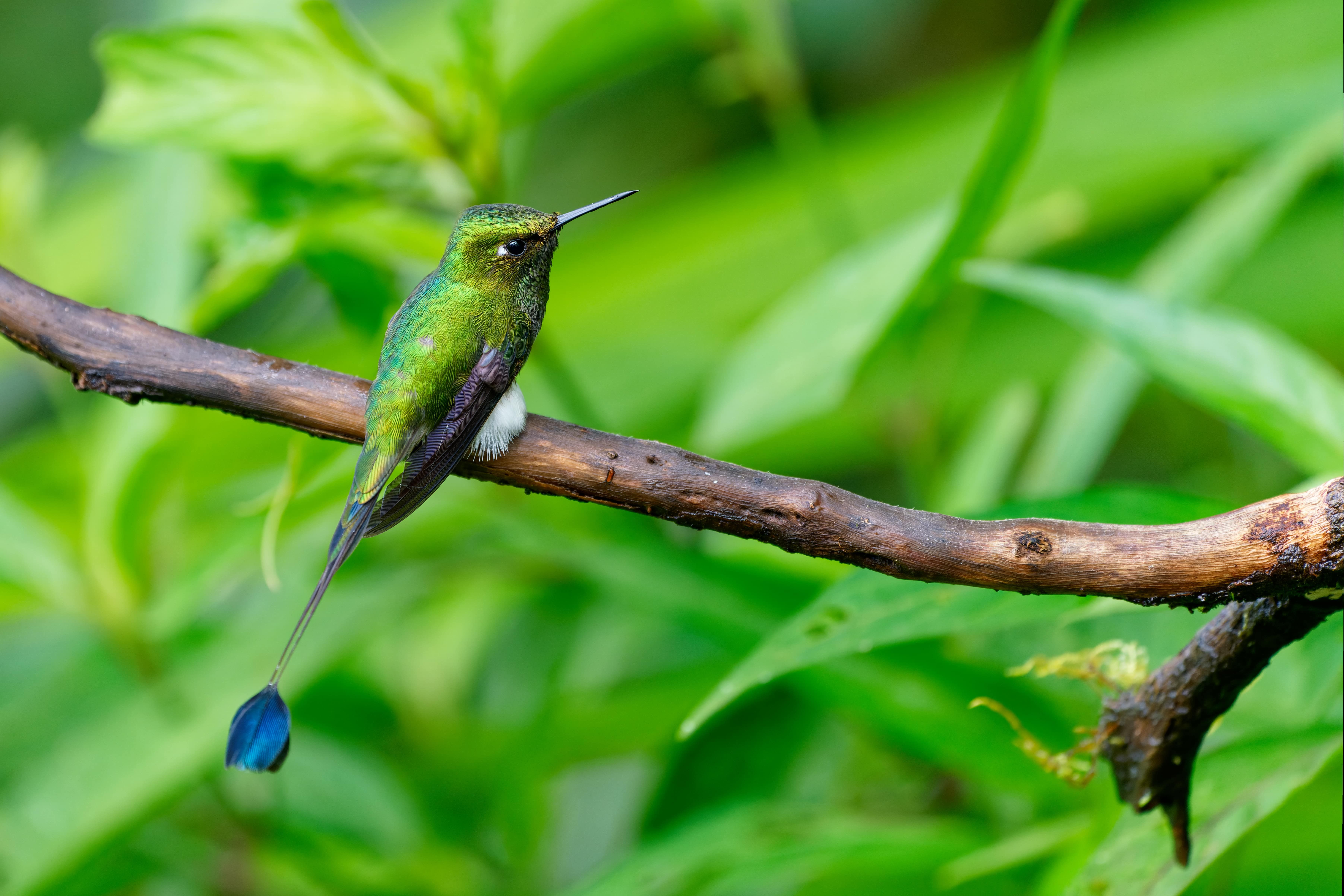
Forest birds thrive in wooded areas filled with trees and vegetation. Examples include woodpeckers, parrots, hornbills, and owls. These birds often possess strong claws for gripping branches and specialized beaks for feeding on fruits, insects, or seeds.
Water Birds
Water birds inhabit lakes, rivers, wetlands, and coastal regions. Ducks, swans, flamingos, and pelicans belong to this group. They often have webbed feet and waterproof feathers that help them swim efficiently.
Grassland Birds
Grassland birds live in open plains and meadows. Species such as larks, quails, and bustards rely on camouflage and quick movement to avoid predators.
Urban Birds
Cities provide habitats for pigeons, sparrows, crows, and mynas. These adaptable birds have learned to survive alongside human populations and often benefit from readily available food sources.
Understanding the habitat associated with a bird’s name helps identify where it is most likely to be found.
Popular Colorful Birds Around the World
Colorful birds attract attention due to their vibrant plumage and unique appearances. These species are often featured in wildlife photography and documentaries.
Some of the most colorful birds include:
- Scarlet Macaw
- Peacock
- Rainbow Lorikeet
- Flamingo
- Mandarin Duck
- Gouldian Finch
- Resplendent Quetzal
- Toucan
- Blue Jay
- Kingfisher
Bright colors often serve important purposes. They help birds attract mates, establish territory, and communicate with other members of their species. In some cases, colorful feathers also provide camouflage among flowers and tropical vegetation.
Many colorful birds inhabit rainforests, where visual signals are important for communication. Their striking appearances make them favorites among birdwatchers and nature enthusiasts worldwide.
Birds Name and Their Special Features
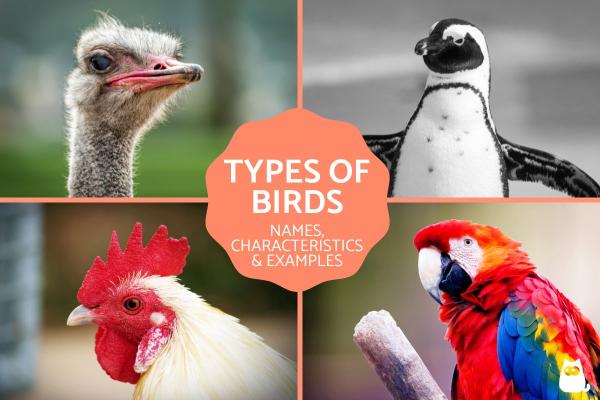
Different birds possess specialized adaptations that allow them to thrive in various environments.
| Bird Name | Special Feature |
|---|---|
| Eagle | Exceptional eyesight |
| Owl | Night vision |
| Hummingbird | Hovering flight |
| Penguin | Expert swimming |
| Woodpecker | Powerful drilling beak |
| Pelican | Large throat pouch |
| Ostrich | Fast running ability |
| Peacock | Decorative tail feathers |
| Toucan | Large colorful beak |
| Falcon | High-speed diving |
These unique features demonstrate how birds have evolved to survive and reproduce successfully in their respective habitats.
Migratory Birds and Their Journeys
Migration is one of nature’s most extraordinary phenomena. Many birds travel thousands of kilometers between breeding and wintering grounds. These journeys require remarkable endurance and navigation skills.
Migratory birds rely on environmental cues such as daylight length, temperature, and food availability. Scientists believe many species use the Earth’s magnetic field to navigate accurately over long distances. Birds such as Arctic Terns, Bar-tailed Godwits, and Swallows undertake some of the longest migrations known in the animal kingdom.
Migration benefits birds by allowing them to exploit seasonal food resources and favorable breeding conditions. However, habitat destruction and climate change pose significant challenges to migratory species. Conservation efforts are essential to protect critical stopover sites and migration corridors.
Learning the migratory patterns associated with a bird’s name provides valuable insights into global ecosystems and environmental health.
Birds Name for Students and Beginners
Students often begin learning bird identification through common species found in their local areas. Here are some beginner-friendly bird names:
- Sparrow
- Crow
- Pigeon
- Peacock
- Parrot
- Eagle
- Owl
- Duck
- Swan
- Kingfisher
Recognizing these birds can help students develop observation skills and an interest in nature. Schools frequently include bird studies in environmental education programs because birds are easy to observe and widely distributed.
Field guides, mobile applications, and birdwatching activities further enhance learning experiences. Observing shape, size, color, behavior, and habitat helps beginners correctly identify different species.
Importance of Birds in Nature
Birds contribute significantly to healthy ecosystems. They perform numerous ecological services that benefit both wildlife and humans.
Some important roles include:
- Pollinating flowers
- Dispersing seeds
- Controlling insect populations
- Scavenging dead animals
- Maintaining ecological balance
- Supporting biodiversity
Without birds, many ecosystems would struggle to function effectively. Certain plants rely entirely on birds for pollination or seed distribution. Birds also help farmers by reducing harmful insect populations naturally.
Conservation organizations worldwide work to protect bird habitats and endangered species. Public awareness and environmental education play important roles in preserving bird populations for future generations.
Fascinating Facts About Birds
Birds possess many remarkable characteristics that continue to amaze scientists and nature lovers.
- The ostrich is the largest living bird.
- The bee hummingbird is the smallest bird in the world.
- Penguins cannot fly but are excellent swimmers.
- Eagles can spot prey from several kilometers away.
- Some parrots can mimic human speech.
- Arctic terns travel from pole to pole annually.
- Owls can rotate their heads up to 270 degrees.
- Flamingos get their pink color from their diet.
- Falcons are among the fastest animals on Earth.
- Ravens demonstrate advanced problem-solving abilities.
These facts highlight the incredible diversity and adaptability found within the bird kingdom.
How to Identify Birds Easily
Bird identification becomes easier with practice and attention to detail. Birdwatchers typically focus on several key characteristics.
Observe Physical Features
Look at size, color patterns, beak shape, wing structure, and tail length.
Listen to Calls
Many species have distinctive songs and calls that aid identification.
Study Behavior
Feeding habits, flight patterns, and social behavior provide important clues.
Note Habitat
Different species prefer specific environments, narrowing identification possibilities.
Use Field Guides
Books and digital resources help compare observations with known species descriptions.
Consistent observation helps develop confidence and accuracy in identifying birds in various settings.
Conclusion
Birds are among the most diverse and captivating creatures on Earth. Learning birds name not only improves our understanding of wildlife but also strengthens our connection with nature. From colorful parrots and majestic eagles to migratory swallows and nocturnal owls, every species contributes uniquely to the environment.