

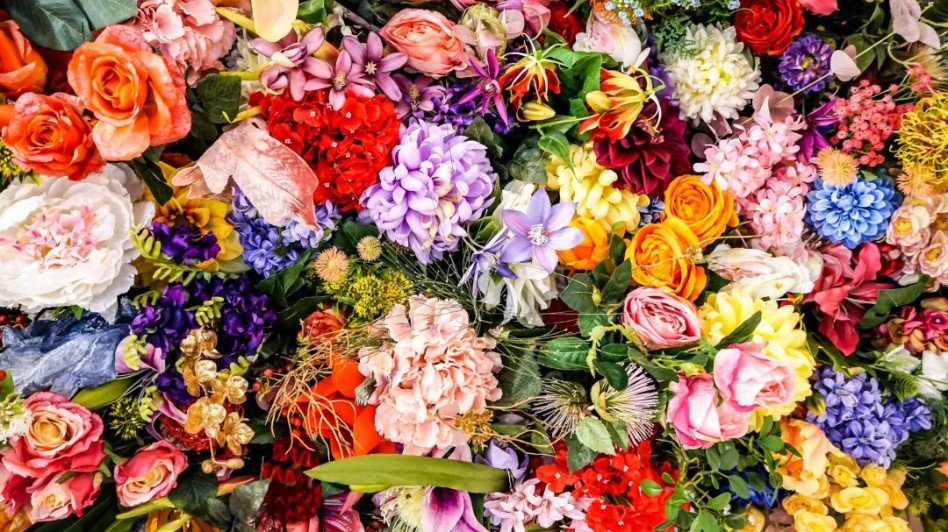

Flowers are among the most beautiful creations found in nature. They add color, fragrance, and charm to gardens, homes, parks, and special occasions. Throughout history, flowers have played an important role in human culture, traditions, and celebrations. From weddings and festivals to expressions of love and sympathy, flowers communicate emotions in a unique way.
Learning flowers name can help people understand different species, appreciate gardening, and improve their knowledge of nature. Flowers come in countless shapes, colors, and sizes, making them one of the most diverse groups of plants on Earth. Some flowers are admired for their beauty, while others are cultivated for medicinal, culinary, or religious purposes.
The study of flowers provides insights into plant reproduction, biodiversity, and environmental conservation. Every flower has a distinct identity, appearance, and significance. Whether you are a gardening enthusiast, student, or nature lover, understanding flowers and their characteristics can be both educational and enjoyable. This guide explores various flower types, their meanings, and their importance in everyday life.
What Are Flowers?
Flowers are the reproductive structures of flowering plants. They play a vital role in producing seeds and ensuring the continuation of plant species. A typical flower consists of petals, sepals, stamens, and pistils, each serving a specific function in reproduction.
The beauty of flowers attracts pollinators such as bees, butterflies, birds, and insects. These pollinators transfer pollen between flowers, facilitating fertilization. As a result, seeds and fruits are produced, helping plants reproduce naturally.
Every flower has a unique name that helps identify its species and characteristics. Some flowers thrive in tropical climates, while others prefer cooler regions. Their adaptability has allowed them to grow in nearly every part of the world.
Flowers are not only biologically significant but also culturally valuable. They symbolize emotions, represent traditions, and inspire art and literature. Their presence enhances landscapes and contributes to environmental health by supporting pollinators and maintaining ecological balance.
Popular Flowers Name List
The following table presents some of the most popular flowers found around the world.
| Flower Name | Color Variations | Symbolism |
|---|---|---|
| Rose | Red, White, Pink, Yellow | Love and Passion |
| Lily | White, Orange, Pink | Purity and Elegance |
| Sunflower | Yellow | Happiness and Positivity |
| Tulip | Red, Purple, White | Perfect Love |
| Daisy | White, Yellow | Innocence |
| Orchid | Various Colors | Beauty and Luxury |
| Jasmine | White | Purity and Grace |
| Marigold | Yellow, Orange | Celebration |
| Hibiscus | Red, Pink, Yellow | Delicate Beauty |
| Lotus | Pink, White | Spiritual Growth |
These flowers are widely cultivated and appreciated for their beauty and symbolism.
Rose: The Queen of Flowers
The rose is often regarded as the queen of flowers due to its timeless beauty and fragrance. Roses are available in numerous colors, each carrying a different meaning. Red roses symbolize love and romance, while white roses represent purity and peace.
The rose name is recognized globally and is associated with celebrations, weddings, and special occasions. Roses are cultivated in gardens, parks, and commercial farms for ornamental and economic purposes. Their petals are also used in perfumes, cosmetics, and culinary preparations.
Roses require adequate sunlight, well-drained soil, and regular pruning to flourish. They are available in many varieties, including climbing roses, shrub roses, and miniature roses. Their adaptability makes them one of the most popular flowering plants worldwide.
Apart from their beauty, roses have cultural significance in literature, poetry, and art. Their symbolism has remained relevant for centuries, making them a favorite choice for expressing emotions and creating memorable floral arrangements.
Exotic Flowers Around the World
Many exotic flowers captivate people with their unusual shapes, colors, and fragrances. These flowers often originate from tropical regions and require specific environmental conditions to thrive.
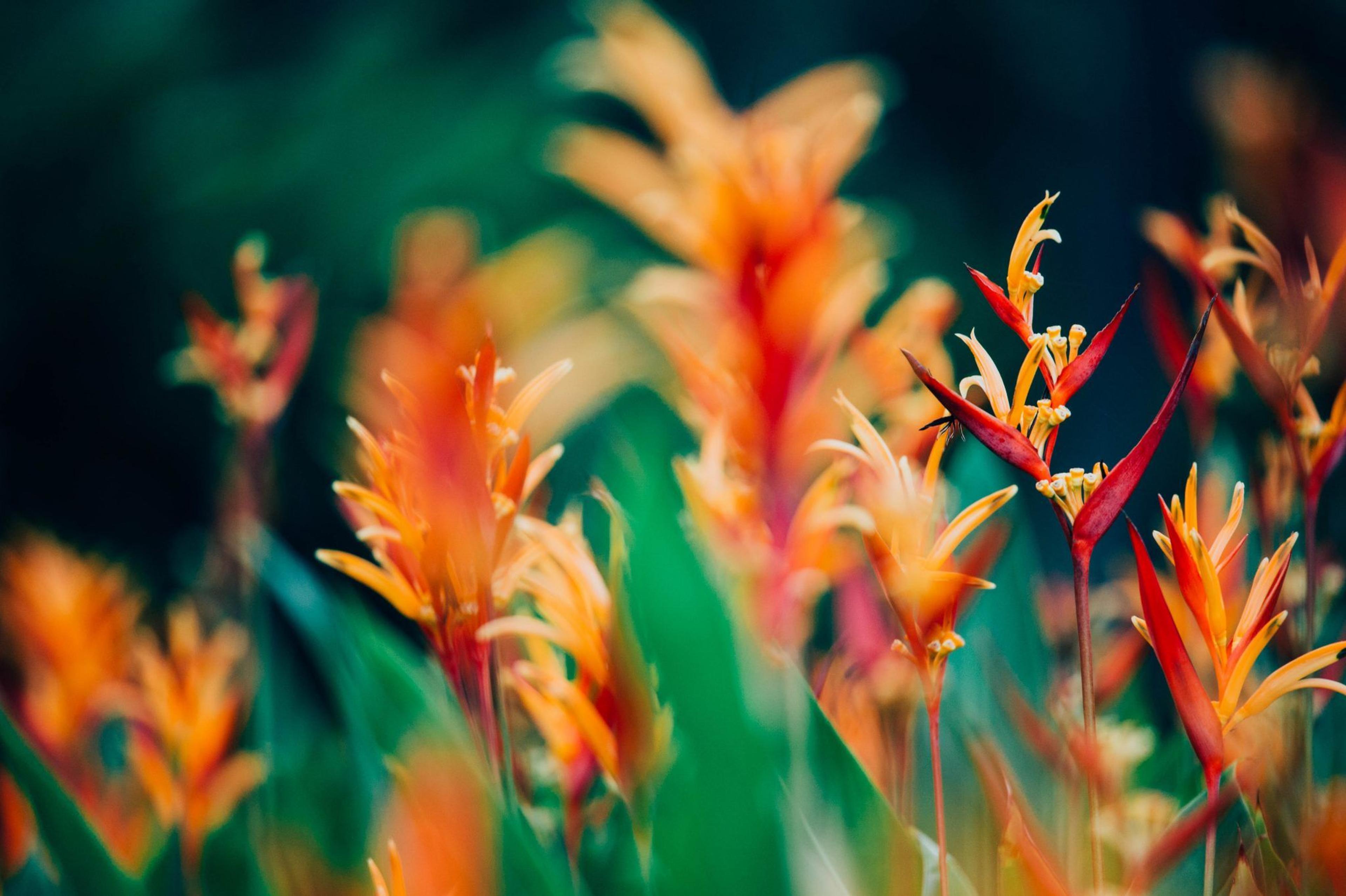
Some well-known exotic flowers include:
- Bird of Paradise
- Orchid
- Protea
- Heliconia
- Passion Flower
- Anthurium
- Bleeding Heart
- Blue Ginger
Each exotic flower name reflects a unique appearance or characteristic. Orchids, for example, are prized for their intricate patterns and elegant blooms. Bird of Paradise flowers resemble tropical birds in flight, creating a striking visual effect.
Exotic flowers are frequently used in landscaping, luxury bouquets, and botanical collections. Their rarity and beauty make them highly sought after by gardeners and flower enthusiasts around the globe.
Seasonal Flowers and Their Beauty
Seasonal flowers bloom during specific times of the year, bringing freshness and color to changing landscapes. Spring flowers such as tulips, daffodils, and hyacinths signal the arrival of warmer weather after winter.
Summer flowers, including sunflowers and zinnias, thrive under bright sunlight and high temperatures. Autumn flowers like chrysanthemums add vibrant colors to gardens during cooler months. Winter-blooming flowers such as camellias and hellebores provide beauty even during colder seasons.
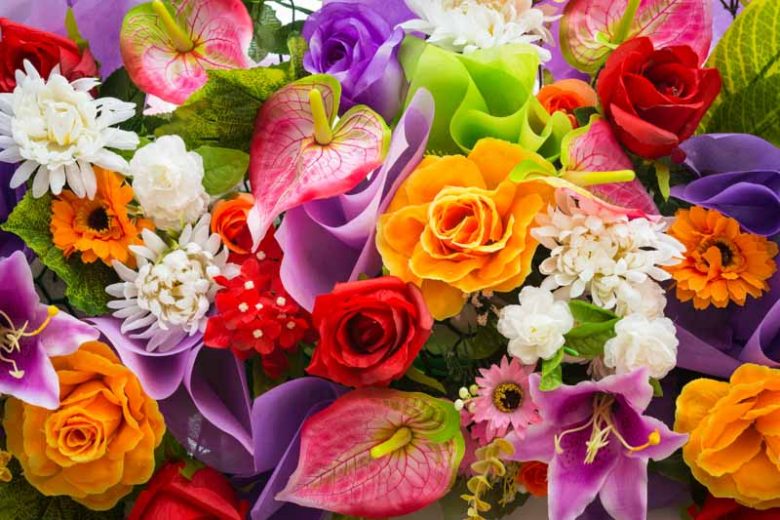
Understanding the seasonal blooming patterns of flowers helps gardeners plan attractive landscapes throughout the year. Knowing each flower name and growing season ensures better cultivation and maintenance practices.
Seasonal flowers also contribute to local ecosystems by providing nectar and pollen for pollinators. Their blooming cycles are closely connected to environmental conditions and natural biodiversity.
Flowers and Their Symbolic Meanings
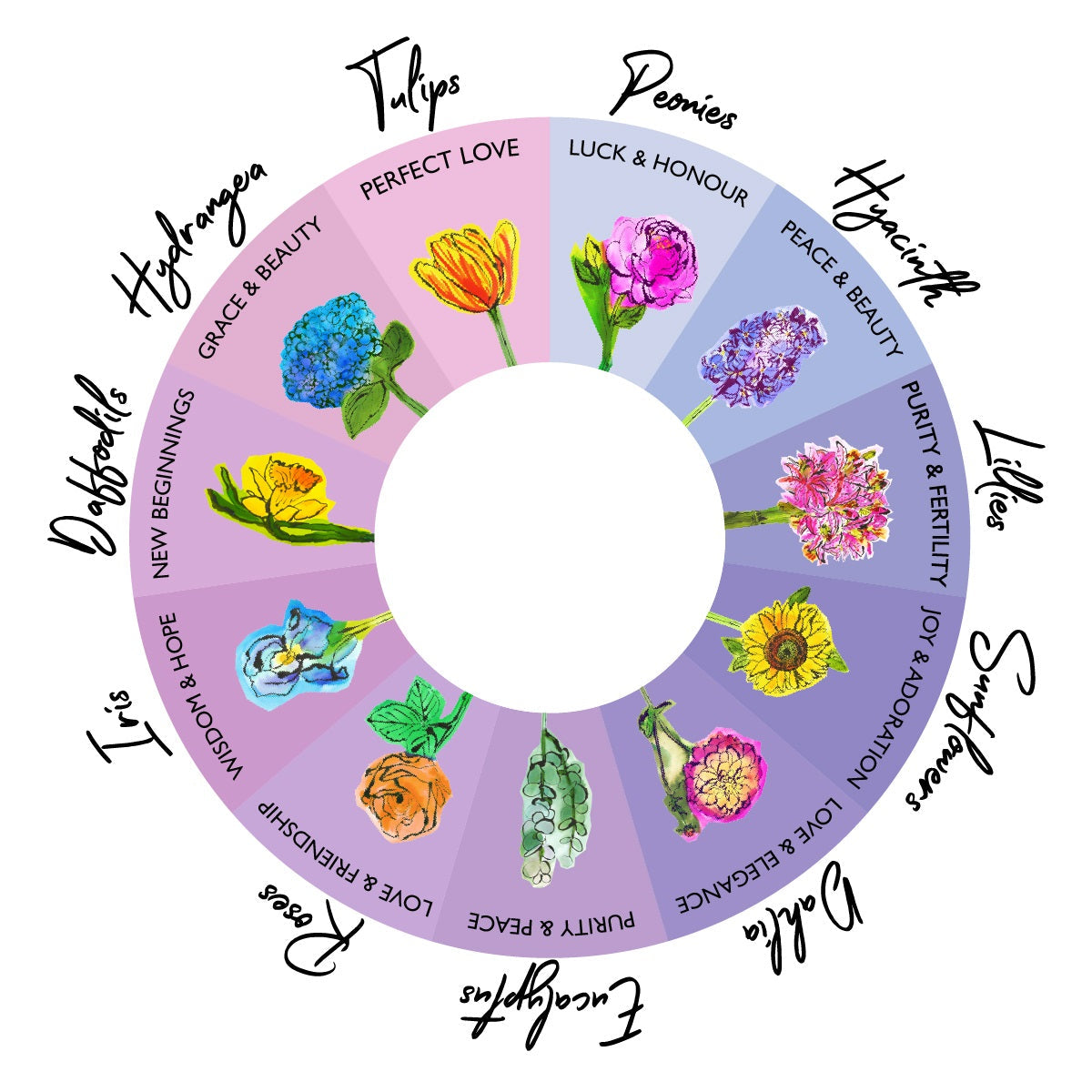
Flowers have long been used to express emotions and convey messages. Different flowers symbolize various feelings, values, and occasions.
| Flower | Meaning |
|---|---|
| Rose | Love |
| Lily | Purity |
| Lotus | Enlightenment |
| Daisy | Innocence |
| Sunflower | Joy |
| Orchid | Luxury |
| Jasmine | Grace |
| Lavender | Calmness |
The symbolic significance of a flower often depends on cultural traditions and historical beliefs. Knowing a flower name and its meaning can help people choose appropriate blooms for gifts, celebrations, and ceremonies.
Flowers continue to serve as universal symbols of affection, gratitude, sympathy, and hope. Their meanings enrich human interactions and add depth to special moments.
Importance of Flowers in Daily Life
Flowers play an essential role in improving human well-being and environmental health. Their beauty creates pleasant surroundings, while their fragrances enhance mood and relaxation.
Benefits of flowers include:
- Enhancing home and garden aesthetics
- Supporting pollinators
- Improving mental well-being
- Providing medicinal uses
- Contributing to biodiversity
- Creating economic opportunities
Many flowers are used in traditional medicine and herbal remedies. Others serve as ingredients in perfumes, teas, and decorative products. Learning each flower name helps individuals appreciate the diversity and usefulness of flowering plants.
Flowers also encourage environmental awareness by highlighting the importance of conservation and sustainable gardening practices.
Tips for Growing Healthy Flowers
Growing flowers successfully requires proper care and attention. While different species have unique requirements, some general gardening practices apply to most flowering plants.
Essential Flower Care Tips
- Choose suitable soil.
- Provide adequate sunlight.
- Water regularly but avoid overwatering.
- Use organic fertilizers when possible.
- Remove weeds and dead flowers.
- Protect plants from pests and diseases.
- Ensure proper spacing between plants.
Following these guidelines helps flowers grow strong and produce vibrant blooms. Understanding the requirements associated with each flower name improves gardening success and plant health.
Regular maintenance and observation are key factors in creating a thriving flower garden. Healthy flowers contribute beauty, biodiversity, and ecological value to any outdoor space.
The Future of Flower Cultivation
Flower cultivation continues to evolve with advances in horticulture, biotechnology, and sustainable agriculture. Researchers develop new flower varieties with improved colors, fragrances, disease resistance, and environmental adaptability.
Urban gardening and eco-friendly landscaping have increased the demand for flowering plants in cities and residential areas. Modern cultivation methods focus on reducing water consumption, minimizing chemical use, and promoting biodiversity.
The growing popularity of flowers in social events, home decoration, and environmental conservation ensures their continued importance. Every flower name represents a unique contribution to nature and human culture.
As awareness of sustainability increases, flower cultivation is expected to play an even greater role in creating greener and healthier environments for future generations.
Conclusion
Flowers are an essential part of nature, offering beauty, fragrance, ecological benefits, and cultural significance. From roses and lilies to orchids and lotuses, every flower has its own identity, characteristics, and symbolism. Learning flowers name helps individuals appreciate the remarkable diversity of the plant world and understand the role flowers play in ecosystems and daily life.