

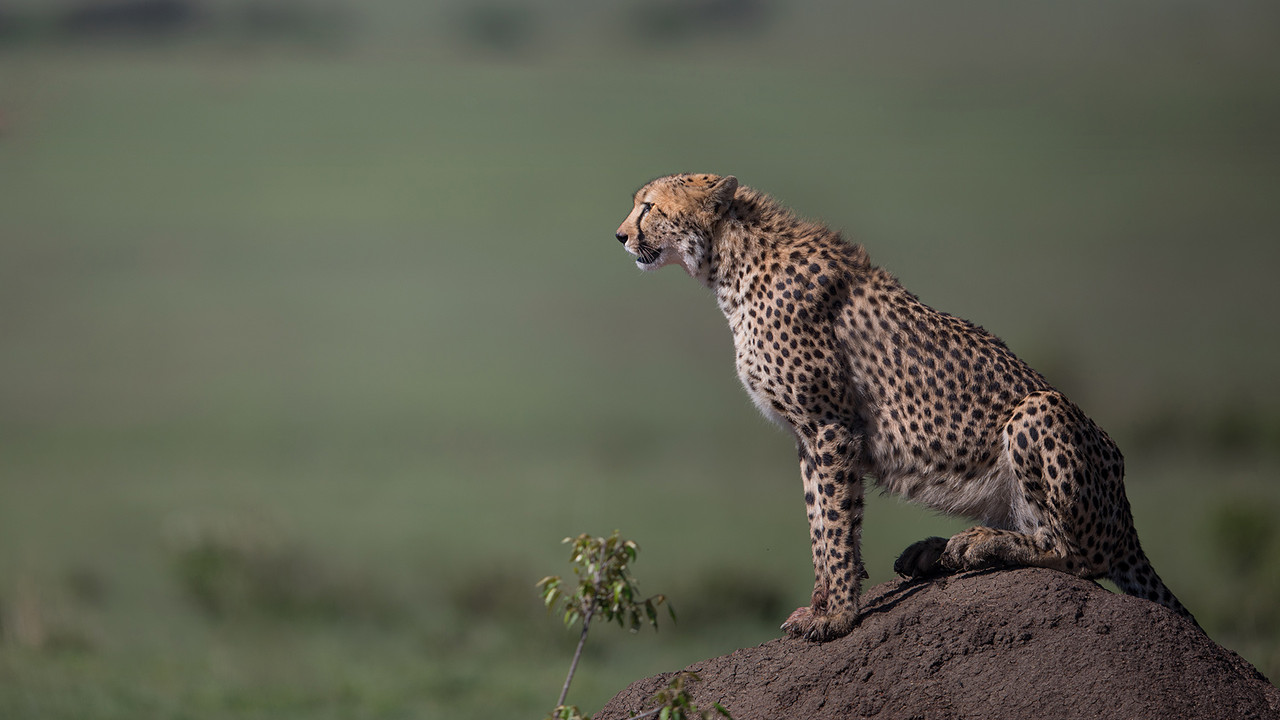

Learning about animals is one of the simplest ways to understand the natural world. From familiar pets such as dogs and cats to powerful wild creatures such as lions, elephants, and tigers, every animal has unique characteristics, habitats, behaviors, and roles within its ecosystem. For children, students, parents, teachers, and general readers, having a clear understanding of different animals can make learning about nature more interesting and practical. A well-organized list of animals name can also help learners improve vocabulary while discovering how different species live and interact with their surroundings.
Animals are found in almost every environment on Earth. Some live on land, while others spend most or all of their lives in water. Birds travel through the air, reptiles adapt to a wide range of climates, and insects are found in forests, gardens, farms, deserts, and even urban areas. Modern conservation efforts also emphasize the importance of understanding wildlife because habitat loss, pollution, climate change, and other pressures can affect animal populations. Learning the names and basic characteristics of animals is therefore more than a vocabulary exercise; it is an introduction to biodiversity and the interconnectedness of life.
Animals Name by Major Animal Groups
There are thousands of known animal species, making it difficult to understand them as one large group. Scientists commonly classify animals according to characteristics such as body structure, reproduction, physical features, and evolutionary relationships. For everyday learning, animals can be organized into broad groups such as mammals, birds, reptiles, amphibians, fish, and insects.
The following table provides examples from several familiar animal groups:
| Animal Group | Examples | Common Characteristics |
|---|---|---|
| Mammals | Lion, elephant, dog, horse, whale | Hair or fur; most give birth to live young |
| Birds | Eagle, parrot, sparrow, owl | Feathers, wings, beaks |
| Reptiles | Snake, crocodile, turtle, lizard | Scales and ectothermic body regulation |
| Amphibians | Frog, toad, salamander | Often associated with both aquatic and terrestrial habitats |
| Fish | Shark, salmon, tuna, goldfish | Live primarily in water and breathe through gills |
| Insects | Butterfly, ant, bee, beetle | Six legs and three main body sections |
This classification makes it easier to remember animals according to their biological characteristics rather than simply memorizing disconnected names. It also shows how different animals have developed specialized features that allow them to survive in particular environments.
Mammals and Their Unique Features
Mammals are among the most familiar animals because humans are mammals too. This group includes domestic animals, farm animals, marine species, and many of the world’s most recognizable wild creatures. Dogs, cats, cows, horses, elephants, lions, tigers, monkeys, bears, dolphins, and whales are all mammals. Most mammals give birth to live young and feed their offspring with milk produced by mammary glands.
Mammals occupy an extraordinary range of habitats. Elephants live primarily in grasslands and forests, while polar bears are adapted to cold Arctic environments. Dolphins and whales have specialized bodies that allow them to live in oceans, even though they must surface to breathe air. Bats are another unusual example because they are mammals capable of sustained flight. These differences demonstrate how adaptable mammals can be when environmental conditions vary.
Common Mammal Names
A useful way to learn animals name is to connect each animal with its habitat and behavior. A lion is associated with African grasslands, an elephant with forests and savannas, and a camel with dry environments. Domestic mammals such as dogs, cats, cows, goats, sheep, and horses have also played important roles in human societies for thousands of years.
Wild mammals are particularly important to ecosystems. Predators can influence prey populations, herbivores can affect vegetation, and large animals can transport seeds or modify landscapes. Protecting mammals therefore contributes to the health of many habitats rather than benefiting only individual species.
Birds Found Around the World
Birds are recognized by their feathers, beaks, wings, and distinctive body structures. Although many birds fly, not every bird is capable of flight. Ostriches, emus, penguins, and several island bird species demonstrate that birds can develop very different lifestyles depending on their environments. Eagles, hawks, owls, parrots, pigeons, sparrows, peacocks, ducks, swans, and flamingos are examples of birds that people commonly recognize.
Birds occupy forests, wetlands, deserts, mountains, coastlines, agricultural areas, and cities. Their ability to travel long distances also makes them important indicators of environmental change. Migratory birds may travel between countries or continents during different seasons, searching for food and suitable breeding conditions. In gardens and cities, birds can contribute to insect control and seed dispersal, making them valuable parts of urban ecosystems.
Reptiles and Their Adaptations
Reptiles include snakes, lizards, turtles, tortoises, crocodiles, and alligators. Many reptiles have scales that help reduce water loss and provide physical protection. Their body temperatures are strongly influenced by external environmental conditions, so reptiles often use sunlight, shade, water, or sheltered locations to regulate their body temperature.
Snakes have evolved highly specialized bodies that allow them to move without traditional limbs, while turtles have protective shells that provide defense. Crocodiles and alligators are powerful aquatic predators with strong jaws and specialized bodies. Some reptiles live in deserts, others inhabit forests or wetlands, and marine turtles spend much of their lives in the ocean. Their variety illustrates how animals can adapt to very different ecological conditions.
Amphibians and Life Between Water and Land
Amphibians include frogs, toads, salamanders, and newts. Many amphibians have life cycles that involve water during their early development before they transition to life on land. Frogs, for example, commonly begin life as aquatic tadpoles before developing legs and other characteristics associated with adulthood.
Amphibians are often considered important environmental indicators because their permeable skin and life cycles can make them sensitive to changes in water quality, temperature, habitat conditions, and pollution. Healthy amphibian populations can therefore provide useful information about the condition of local ecosystems. Protecting ponds, wetlands, streams, and surrounding vegetation can help support these species.
Aquatic Animals and Life Underwater
The world’s oceans, rivers, lakes, and wetlands support an enormous variety of animal life. Fish are among the most recognizable aquatic animals, with species ranging from tiny reef fish to enormous whale sharks. Other aquatic animals include dolphins, whales, seals, sea turtles, octopuses, crabs, jellyfish, and many types of shellfish.
Aquatic animals have developed remarkable adaptations for surviving underwater. Fish generally use gills to extract oxygen from water, while marine mammals such as dolphins and whales breathe atmospheric air through specialized openings. Octopuses use flexible bodies and sophisticated camouflage, while sea turtles have streamlined shells and limbs suited to swimming. These adaptations demonstrate the close relationship between an animal’s physical structure and its environment.
Insects and Small Animals With Big Ecological Roles
Insects are among the most diverse animal groups on Earth. Ants, bees, butterflies, moths, beetles, grasshoppers, dragonflies, mosquitoes, and flies are just a small selection of the insects people encounter. Despite their small size, insects have enormous ecological importance.
Bees and other pollinators help plants reproduce by transferring pollen between flowers. Beetles and other organisms contribute to decomposition, while insects also provide food for birds, amphibians, reptiles, and mammals. Some insects can become agricultural pests, but their overall ecological roles are much broader than their interactions with crops. Understanding animals name across different sizes helps demonstrate that ecological importance is not necessarily connected to body size.
Wild Animals and Their Natural Habitats
Wild animals survive without depending directly on humans for food, shelter, or daily care. Lions, tigers, leopards, wolves, bears, elephants, rhinoceroses, giraffes, zebras, and many other species are examples of wildlife. Their habitats can include forests, grasslands, deserts, mountains, wetlands, and polar regions.
Wildlife conservation has become increasingly important as natural habitats face pressure from development, resource extraction, pollution, invasive species, and changing environmental conditions. Conservation strategies can include protected areas, habitat restoration, responsible wildlife management, anti-poaching efforts, and community-based conservation. Protecting an animal often requires protecting the wider ecosystem in which it lives.
Some widely recognized wild animals include:
- Lion, tiger, leopard, cheetah, and jaguar
- Elephant, rhinoceros, hippopotamus, and giraffe
- Wolf, fox, bear, and wild dog
- Zebra, kangaroo, gorilla, and chimpanzee
Domestic and Farm Animals
Domestic animals live closely with humans and may be kept as companions, working animals, or livestock. Dogs and cats are among the most common companion animals, while cows, buffaloes, goats, sheep, pigs, chickens, ducks, and horses are important in different agricultural systems around the world.

Learning domestic animals name is especially useful for young students because these species are often encountered in everyday life. Farm animals also demonstrate how humans and animals have developed relationships over generations. Their roles can include providing food, materials, transportation, companionship, or assistance with agricultural activities. Responsible animal care requires appropriate food, clean water, shelter, veterinary attention, and protection from unnecessary suffering.
Why Learning Animal Names Matters
Knowing the names of animals provides a foundation for learning about biology, geography, ecology, and environmental science. When students learn that a camel is adapted to dry environments or that a penguin is suited to cold aquatic conditions, they begin connecting names with biological concepts. This makes learning more meaningful than memorizing vocabulary alone.
Animal names also help people communicate accurately about wildlife. A general term such as “bird” describes a broad group, while identifying a species such as an eagle, owl, or flamingo provides much more information. In conservation, education, agriculture, research, and wildlife management, accurate identification is especially important because different species can have very different behaviors and environmental needs.
Simple Ways to Remember Animal Names
Remembering a large collection of animals can become easier when names are grouped by habitat, body characteristics, or behavior. Instead of trying to memorize dozens of unrelated words at once, learners can study mammals first, followed by birds, reptiles, amphibians, fish, and insects. Pictures and real-world examples can further strengthen memory.
Another effective approach is to connect animals with locations. For example, learners can associate camels with deserts, polar bears with Arctic environments, frogs with wetlands, and dolphins with oceans. This approach creates a mental connection between the animal, its environment, and its characteristics, making the information easier to recall.
Conclusion
The world contains an extraordinary range of animals, from microscopic organisms to enormous whales and elephants. Each species has developed characteristics that help it survive in a particular environment, whether that environment is a dense forest, open grassland, deep ocean, dry desert, freshwater wetland, or human settlement. Learning animals name is therefore an accessible starting point for understanding biodiversity, habitats, adaptation, and the importance of conservation.