

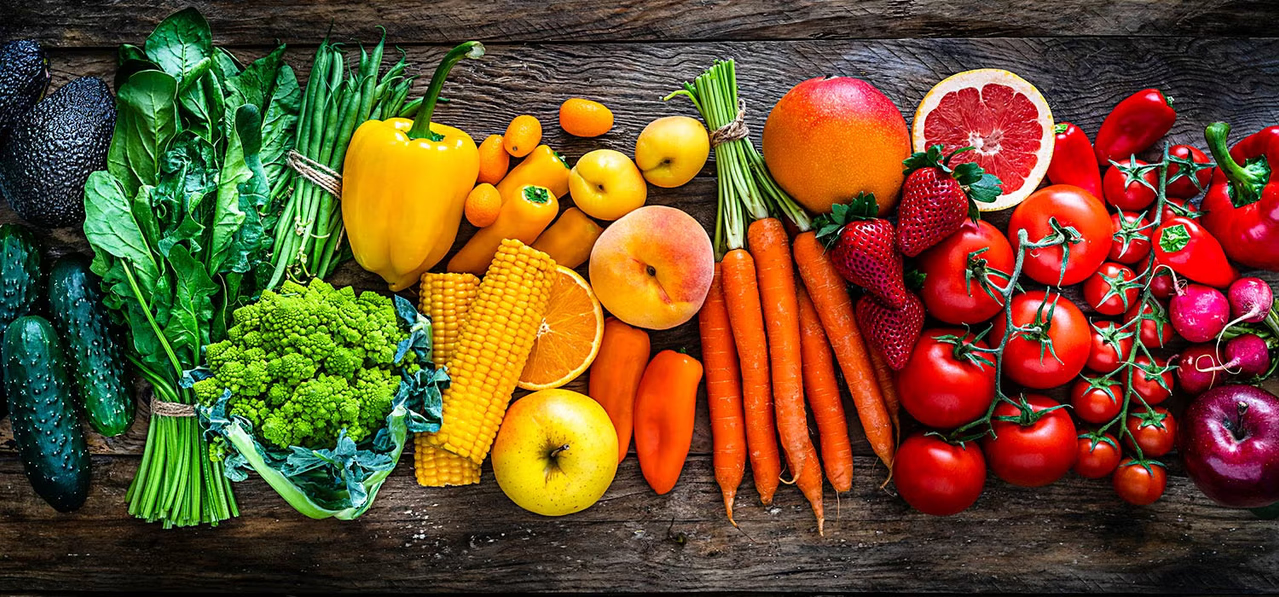

Vegetables are an essential part of a balanced diet and appear in almost every traditional cuisine around the world. From leafy greens and root vegetables to gourds, beans, and colorful peppers, vegetables provide important nutrients that support everyday health. Learning different vegetables name can also make grocery shopping, meal planning, and cooking more interesting because each variety offers its own flavor, texture, color, and nutritional profile.
In recent years, people have become more interested in eating a wider variety of vegetables rather than relying on the same few ingredients. Busy lifestyles have increased demand for convenient meals, while growing awareness of nutrition has encouraged people to include more fresh and minimally processed foods. Understanding vegetables name and their common uses can help families create meals that are both practical and nutritionally diverse.
Vegetables can be prepared in many ways, including steaming, roasting, stir-frying, grilling, boiling, and eating them raw. Their versatility makes them suitable for breakfast dishes, lunches, dinners, soups, salads, snacks, and side dishes. Choosing different colors and types throughout the week is a simple way to bring variety into everyday eating.
Why Eating Different Vegetables Matters
Different vegetables contain different combinations of vitamins, minerals, fiber, and naturally occurring plant compounds. Leafy vegetables are often associated with nutrients such as vitamin K and folate, while orange and yellow vegetables commonly provide carotenoids. Beans and peas can contribute plant-based protein and fiber, while root vegetables can provide carbohydrates along with various micronutrients.
This variety is particularly useful because no single vegetable supplies every nutrient needed by the body. A plate containing several types can therefore offer a broader nutritional profile. For example, adding leafy greens to a meal alongside carrots, tomatoes, and beans creates more diversity than depending on one vegetable repeatedly.
Fiber is another important reason to include vegetables regularly. Dietary fiber contributes to normal digestive function and can help meals feel more satisfying. Vegetables also tend to add volume, color, and texture without making meals unnecessarily complicated. For people trying to build healthier eating habits, replacing some highly processed side dishes with vegetables can be a practical change.
Common Vegetables Name and Their Everyday Uses
When people search for vegetables name, they may be looking for a basic list, school-learning material, cooking inspiration, or a better understanding of different food categories. Common vegetables found in markets include potatoes, onions, tomatoes, carrots, cabbage, cauliflower, spinach, peas, beans, radishes, beetroot, cucumbers, pumpkins, eggplant, and okra.
Some vegetables are particularly versatile. Onions and tomatoes are frequently used as foundations for curries, sauces, soups, and stir-fries. Carrots can be eaten raw, roasted, steamed, or added to soups and mixed dishes. Cabbage works well in salads, stir-fries, rolls, and cooked vegetable preparations. Cauliflower can be roasted, steamed, mashed, or incorporated into curries.
The following table gives a simple overview of popular vegetables and common ways to use them.
| Vegetable | Common Preparation | Notable Nutritional Contribution | Popular Uses |
|---|---|---|---|
| Carrot | Raw, steamed, roasted | Carotenoids, fiber | Salads, soups, curries |
| Spinach | Cooked or raw | Folate, vitamin K | Curries, soups, salads |
| Potato | Boiled, baked, roasted | Carbohydrates, potassium | Curries, sides, snacks |
| Tomato | Raw or cooked | Vitamin C, carotenoids | Sauces, salads, soups |
| Cauliflower | Roasted, steamed, cooked | Fiber, vitamin C | Curries, sides, stir-fries |
| Green peas | Boiled or cooked | Fiber, plant protein | Rice dishes, soups, curries |
| Cabbage | Raw or cooked | Fiber, vitamin C | Salads, stir-fries, soups |
| Beetroot | Raw, boiled, roasted | Folate, naturally occurring pigments | Salads, sides, juices |
Leafy Green Vegetables
Leafy greens are among the most useful vegetables for adding variety to meals. Spinach, fenugreek leaves, mustard greens, kale, lettuce, and other edible greens can be incorporated into dishes in different ways. Some work well raw in salads, while others become softer and more flavorful when cooked.
Spinach is especially versatile because it can be added to soups, curries, omelets, pasta dishes, sandwiches, and smoothies. Mustard greens and other stronger-flavored leaves can be cooked with spices or combined with milder vegetables. Leafy vegetables generally require careful washing before preparation, particularly when eaten raw.
Another advantage of leafy greens is that they can fit into meals without dominating the entire dish. A handful of chopped spinach can be added to a lentil preparation, while lettuce can increase the volume and freshness of a sandwich or salad. This makes greens practical for people who want to increase vegetable intake gradually.
Root and Tuber Vegetables
Root and tuber vegetables grow underground and include familiar foods such as carrots, radishes, beetroot, turnips, sweet potatoes, and potatoes. Their textures vary considerably. Some are crisp and refreshing when raw, while others become soft and naturally sweeter after cooking.
Carrots are particularly convenient because they can be eaten raw or cooked. Sweet potatoes can be roasted or steamed and used as a filling side dish. Beetroot can add strong color and earthy flavor to salads, while radishes provide a crisp and slightly spicy character. Potatoes are widely used across cuisines and can be prepared in countless ways.
Although these vegetables can be highly nutritious, preparation matters. Deep-frying vegetables or covering them with heavy sauces can substantially change the overall nutritional character of a meal. Baking, roasting, steaming, boiling, or lightly sautéing can often preserve the vegetable’s basic qualities while keeping preparation simple.
Cruciferous Vegetables and Their Growing Popularity
Cruciferous vegetables include cauliflower, cabbage, broccoli, Brussels sprouts, and related varieties. These vegetables have become increasingly common in modern meal planning because they can be used in both traditional and contemporary recipes.
Broccoli can be steamed, roasted, stir-fried, or added to pasta and grain bowls. Cauliflower is equally adaptable and can be used in curries, roasted vegetable dishes, soups, and mixed preparations. Cabbage can be shredded for salads or cooked with spices and other vegetables.
One reason these vegetables are useful is their ability to absorb flavors from herbs, spices, sauces, and marinades. This makes them suitable for people who find plain vegetables unappealing. Instead of overcooking them, gentle cooking can help maintain their texture and make the final dish more enjoyable.
Seasonal Choices and Freshness
Seasonality can influence the availability, price, flavor, and quality of vegetables. Local markets may offer different varieties throughout the year depending on climate, farming conditions, and regional supply. Choosing vegetables that are naturally abundant during a particular season can sometimes make meal planning more economical.
Freshness is also important. When purchasing vegetables, consumers can look for produce that appears firm, appropriately colored, and free from excessive damage or spoilage. Leafy greens should generally look fresh rather than wilted, while root vegetables should not have extensive soft or damaged areas.
However, fresh vegetables are not the only option. Frozen vegetables can be useful when fresh produce is unavailable or when convenience is important. Properly stored frozen vegetables can make it easier to keep a variety of options available at home, especially for people with demanding schedules.
How to Add More Vegetables to Everyday Meals
Increasing vegetable consumption does not necessarily require completely changing familiar recipes. Small adjustments can make everyday meals more diverse. Adding chopped carrots, peas, beans, spinach, or cauliflower to rice dishes can increase vegetable variety without creating a separate meal.
People can also build meals around a simple combination of vegetables, a protein source, and a staple food. For example, roasted vegetables can accompany lentils and rice, while a mixed vegetable stir-fry can be served with noodles or another grain. Salads can include several textures by combining leafy greens with cucumber, tomato, carrots, or beetroot.
A practical weekly approach is to rotate vegetables rather than buying large quantities of only one type. This can reduce boredom and expose the diet to a wider range of flavors and nutrients.
Simple Ways to Increase Variety
- Add at least two different vegetables to selected main meals.
- Mix colorful vegetables instead of relying on one variety.
- Keep convenient frozen vegetables available for quick meals.
- Try one unfamiliar vegetable occasionally to expand food variety.
Choosing Vegetables for Balanced Meals
When considering vegetables name lists, it is useful to think beyond memorizing individual names. Vegetables can be grouped according to their appearance, growing pattern, texture, culinary use, and nutritional characteristics. This approach makes it easier to understand how different varieties can complement one another.
A colorful plate does not automatically guarantee a perfectly balanced meal, but color can be a useful practical reminder to include variety. Combining green vegetables with orange, red, purple, or white varieties can make meals visually appealing while broadening the range of plant foods consumed.
It is also helpful to consider preparation methods. Steaming and roasting can bring out natural flavors, while raw vegetables can provide crunch and freshness. Lightly sautéed vegetables can work well with spices and herbs. The best approach often depends on personal preferences, the recipe, and the rest of the meal.
Vegetables in Modern Food Habits
Modern food habits have made convenience an important factor in vegetable consumption. Pre-cut vegetables, frozen produce, ready-to-cook mixes, and simple salad ingredients can help people prepare meals faster. These options may be especially useful for households where cooking time is limited.
At the same time, traditional cooking continues to provide many practical ways to consume vegetables. Indian cuisine, for example, uses vegetables in curries, stir-fries, stuffed breads, lentil dishes, soups, and mixed preparations. Similar versatility exists in cuisines around the world.
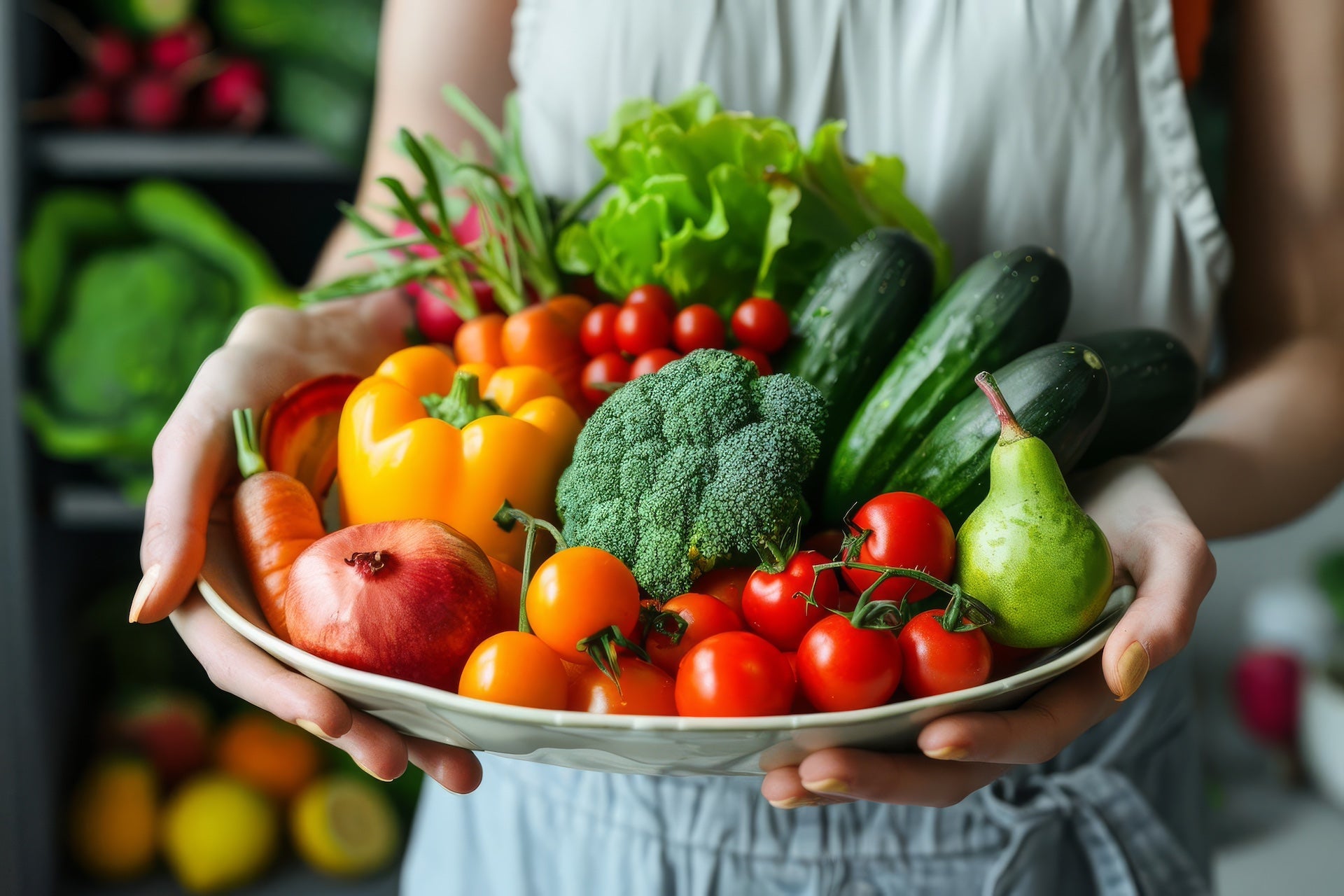
The growing interest in plant-forward meals has also encouraged people to experiment with vegetables as central ingredients rather than treating them only as side dishes. Roasted cauliflower, stuffed peppers, vegetable grain bowls, vegetable soups, and mixed bean-and-vegetable dishes demonstrate how vegetables can form a substantial part of a meal.
Tips for Buying and Storing Vegetables
Good storage can reduce household food waste and help vegetables remain useful for longer. Different vegetables have different storage requirements, so it is helpful to avoid treating all produce in exactly the same way. Leafy greens generally need careful handling, while some root vegetables can remain usable for longer when stored properly.
Buying realistic quantities is equally important. Purchasing a large amount of produce simply because it looks inexpensive can lead to waste if it is not consumed in time. Planning a few meals before shopping can help households select appropriate quantities.
Washing practices also matter. Vegetables should be handled with clean hands and prepared using clean utensils and surfaces. Produce intended to be eaten raw deserves particular attention because there is no cooking step to reduce microorganisms.
Conclusion
Understanding different vegetables name can make healthy meal planning easier, more varied, and more enjoyable. From leafy greens and cruciferous vegetables to roots, tubers, beans, gourds, and colorful salad vegetables, each category brings different flavors, textures, and nutritional characteristics to the table. Rather than focusing on one specific vegetable, a varied approach is generally more practical. Rotating different vegetables throughout the week, using several colors, experimenting with cooking methods, and choosing seasonal or convenient options can make vegetables a natural part of everyday meals.