

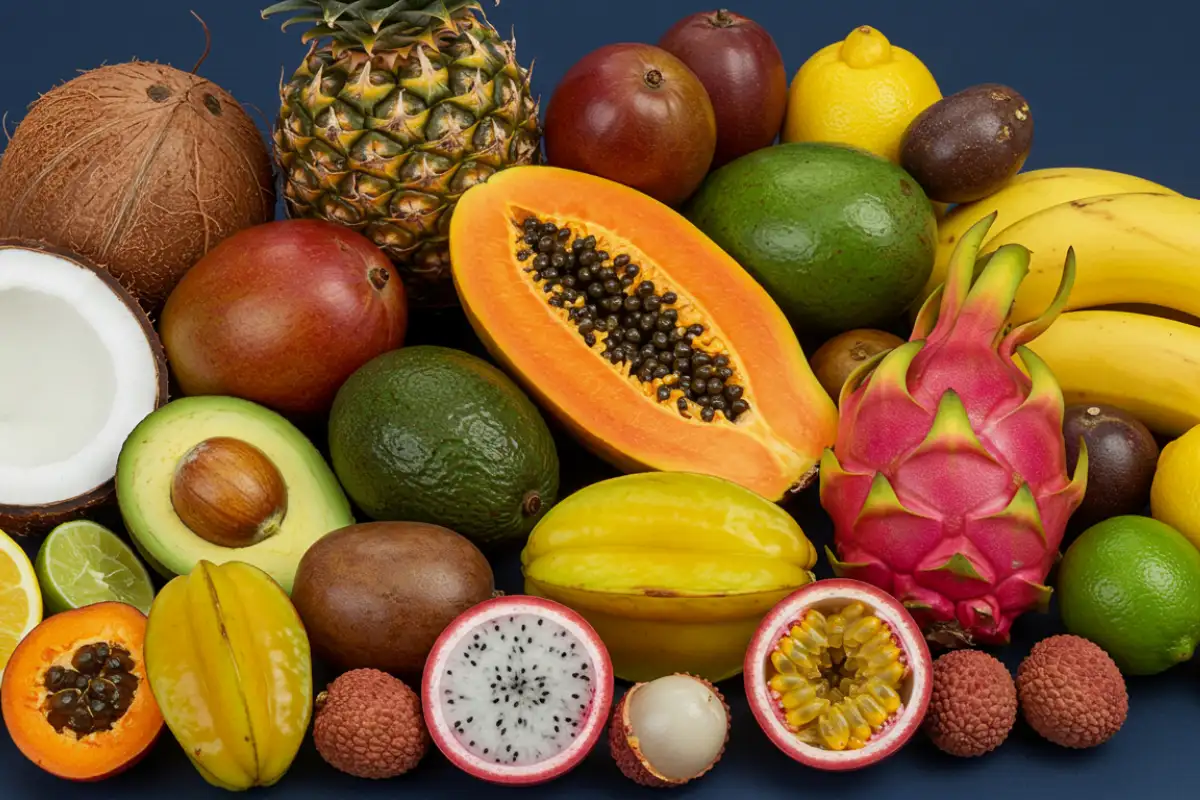

Fruits are an essential part of a balanced diet, offering natural sweetness, refreshing flavors, vitamins, minerals, fiber, and other nutrients that support overall well-being. From juicy mangoes and crisp apples to refreshing watermelons and sweet grapes, every fruit has its own taste, texture, and nutritional characteristics. Some fruits are available throughout the year, while others are closely associated with particular seasons. Understanding different fruit varieties makes it easier to choose suitable options for everyday meals, snacks, and special occasions.
Learning about a fruits name list is useful for students, parents, teachers, health-conscious individuals, and anyone who wants to expand their food vocabulary. Children can use fruit names for school assignments, spelling activities, and general knowledge, while adults may find the information helpful when planning grocery shopping or creating balanced meals. Knowing the names of common and less familiar fruits also introduces people to different food cultures and encourages them to explore a wider variety of fresh produce.
Fruits can be enjoyed in many ways, including eating them whole, adding them to breakfast bowls, mixing them into salads, or using them in homemade desserts. However, no single fruit provides every nutrient the body needs, so variety is important. Choosing different colors, flavors, and types throughout the week is a practical way to enjoy the nutritional benefits of fruit while keeping meals interesting.
Popular Fruits Name List in English
Fruit names are among the most common words taught to children and English learners. Familiar examples include apple, banana, mango, orange, grapes, pineapple, papaya, guava, watermelon, and strawberry. These fruits are widely recognized because they are used in everyday meals, sold in many grocery stores, and featured in traditional recipes around the world.
In India, fruits such as mangoes, bananas, guavas, papayas, and chikoo are particularly familiar. Internationally popular varieties such as kiwifruit, blueberries, raspberries, avocados, and dragon fruit have also become more accessible in many markets. Availability and affordability vary depending on the region, season, and transportation requirements.
Some fruits have soft flesh and delicate textures, while others are crunchy, fibrous, or exceptionally juicy. Their flavors range from sour lemons to sweet dates, mildly tangy apples, and rich, creamy avocados. Recognizing these differences helps people select fruits according to personal preferences and the purpose for which they will be used.
Types of Fruits and Their Examples
Fruits can be grouped according to their botanical characteristics, growing conditions, flavor, and culinary uses. In everyday conversation, however, people generally classify them by appearance, texture, or familiarity. Common categories include tropical fruits, citrus fruits, berries, stone fruits, and melons.
Tropical fruits grow well in warm climates and include mangoes, bananas, pineapples, papayas, and jackfruit. Citrus fruits include oranges, lemons, limes, and grapefruits. Stone fruits, such as peaches, plums, cherries, and apricots, contain a hard pit surrounding the seed. Melons, including watermelon and cantaloupe, are known for their high water content and refreshing texture.
Berries are another popular group, including strawberries, blueberries, raspberries, and blackberries in culinary usage. Botanical classifications can differ from everyday food categories, so a fruit’s familiar name does not always describe its scientific classification. For general learning, these practical groups are easy to remember and useful for identifying different varieties.
Tropical Fruits
Tropical fruits are especially popular in warm regions because many varieties thrive in hot weather. Mangoes are prized for their sweet aroma and soft flesh, while bananas are convenient snacks that require little preparation. Papayas have a mild sweetness and are often eaten at breakfast, whereas pineapples provide a distinctive combination of sweetness and acidity. Jackfruit is notable for its large size and versatility in both ripe and unripe forms.
Other tropical varieties include lychee, longan, passion fruit, star fruit, rambutan, and dragon fruit. Their availability differs across countries, but many are increasingly found in specialty produce stores. Exploring tropical varieties introduces new flavors and textures while making everyday meals more diverse.
Citrus Fruits
Citrus fruits are known for their bright aromas, refreshing juices, and naturally tangy flavors. Oranges are commonly eaten whole or squeezed into juice, while lemons and limes are frequently used to season meals, prepare drinks, and enhance the flavor of salads. Grapefruits have a more pronounced bitter-sour taste, making them a distinctive option for people who enjoy less-sweet fruit.
Many citrus fruits contain vitamin C, which supports normal immune function, collagen formation, and wound healing. They also provide water and varying amounts of fiber, particularly when eaten whole. Eating the whole fruit rather than drinking only its juice generally provides more fiber and can make it easier to manage portion sizes.
Berries are small, colorful fruits that can add flavor and variety to meals. Strawberries are known for their fragrant sweetness, blueberries for their mild flavor, raspberries for their delicate texture, and blackberries for their deep color. They can be added to oatmeal, yogurt, smoothies, fruit salads, or homemade desserts.
Many berries provide dietary fiber, vitamin C, and naturally occurring plant compounds. Their nutritional composition varies by variety and serving size, but including different berries in a varied diet is an easy way to enjoy more colorful produce. Fresh and frozen berries can both be useful choices, depending on price, availability, and storage needs.
Fruits Name List With Their Nutritional Benefits
Different fruits contribute different nutrients, so it is helpful to understand their general characteristics rather than assuming every fruit offers identical benefits. Bananas are well known for potassium and carbohydrates, while oranges provide vitamin C. Guavas can be particularly rich in vitamin C, and apples offer dietary fiber, especially when their skin is eaten.

Watermelon contains a high proportion of water, making it refreshing in hot weather. Papaya supplies vitamin C and carotenoids, while mangoes provide vitamin C, carotenoids, and natural carbohydrates. Avocados differ from many sweet fruits because they contain substantial amounts of unsaturated fat and are often used in savory dishes.
The following table summarizes several familiar varieties and their common uses. Nutrient levels depend on the variety, ripeness, growing conditions, and serving size.
| Fruit name | Notable nutrients or qualities | Common uses |
|---|---|---|
| Apple | Fiber and vitamin C | Snacks, salads |
| Banana | Potassium and carbohydrates | Breakfast, smoothies |
| Mango | Vitamin C and carotenoids | Desserts, fresh slices |
| Orange | Vitamin C and folate | Snacks, salads |
| Guava | Vitamin C and fiber | Fresh eating, salads |
| Papaya | Vitamin C and carotenoids | Breakfast, fruit bowls |
| Watermelon | Water and lycopene | Summer snacks |
| Pineapple | Vitamin C and manganese | Salads, cooked dishes |
| Grapes | Water and plant compounds | Snacks, fruit bowls |
| Avocado | Unsaturated fats and fiber | Toast, salads |
Why Eating a Variety of Fruits Matters
A varied fruit intake can support several aspects of everyday nutrition. Fiber helps maintain normal bowel function and can contribute to fullness after meals. Vitamin C supports collagen production and helps the body absorb non-heme iron from plant foods. Potassium is important for normal muscle function and fluid balance, while folate supports normal cell division.
Fruits also contribute water to the diet, which is useful for maintaining hydration. Water-rich options such as watermelon, oranges, and strawberries can be particularly refreshing in warm weather. However, fruit alone cannot meet all hydration or nutritional needs, and it should complement water, vegetables, whole grains, protein sources, and other nutritious foods.
Whole fruits are generally preferable to fruit drinks for everyday eating because their intact structure retains fiber and usually requires more chewing. Juice can still be enjoyed in appropriate portions, but it is easier to consume a large quantity of natural sugar quickly in liquid form. People managing blood glucose levels may benefit from choosing whole fruit, monitoring portions, and pairing fruit with foods containing protein or healthy fats when appropriate.
Seasonal Fruits and the Best Time to Enjoy Them
Seasonality influences fruit flavor, price, freshness, and availability. In India, mangoes are strongly associated with summer, while oranges and several other citrus varieties are commonly available during cooler months. Watermelon is especially popular in hot weather because of its refreshing texture. Apples, bananas, guavas, papayas, and other fruits may be available for extended periods, although quality and prices change throughout the year.
Choosing seasonal produce can be a practical way to introduce variety without increasing grocery expenses unnecessarily. Local fruit markets often offer several varieties at different stages of ripeness, allowing shoppers to select fruit for immediate consumption or later in the week. A ripe mango, for example, may be suitable for eating that day, while firmer fruit can be left to ripen at home when appropriate.
Seasonal patterns vary between states, climates, and growing regions. Imported produce can also make traditionally seasonal fruits available outside their usual harvest periods. Rather than following a rigid calendar, shoppers can compare freshness, price, aroma, and condition to decide which options provide the best value.
How to Choose and Store Fresh Fruits
Selecting good-quality fruit does not always require expensive varieties or perfectly shaped produce. Many fruits have natural differences in size, color, and appearance, and small cosmetic imperfections do not automatically mean the fruit is spoiled. Instead, check for signs of decay, leaking juice, unusual softness, or mold. Aroma and firmness can also help indicate ripeness, although the best test differs between fruit varieties.

Storage requirements are equally important. Bananas, mangoes, and avocados may need time at room temperature to ripen, while many ripe berries should be refrigerated. Apples, grapes, and citrus fruits generally keep well under suitable cool storage conditions. Cut fruit should be placed in a clean, covered container and refrigerated promptly rather than left at room temperature for extended periods.
For better results, follow these simple habits:
-
Choose fruits with suitable ripeness for when you intend to eat them.
-
Wash fresh produce under clean running water before eating or cutting.
-
Refrigerate perishable and cut fruits promptly.
-
Keep fruit away from damaged produce that could accelerate spoilage.
Avoid washing most fruit long before storage if the extra moisture could encourage spoilage. When preparing fruit for children or older adults, remove seeds, pits, or tough peels when appropriate and cut firm fruit into manageable pieces. Whole grapes and other small, round, firm fruits can present choking hazards for young children, so they should be prepared in an age-appropriate way.
Creative Ways to Include Fruits in Everyday Meals
Fruit can fit into nearly any meal without requiring complicated recipes. Sliced bananas, apples, or berries can add natural sweetness to oatmeal, porridge, and unsweetened yogurt. A bowl containing papaya, pomegranate, and seasonal melon can make a refreshing breakfast or afternoon snack. Combining different textures and colors can also make meals more appealing to children who are learning to try new foods.
Savory recipes offer additional possibilities. Mango can be used in chutneys and salads, pineapple can complement certain cooked dishes, and avocado can provide a creamy texture in sandwiches. Lemon juice adds brightness to vegetables and dressings, while chopped apples or grapes can contribute sweetness and crunch to selected salads. These uses demonstrate that fruit is not limited to desserts or snacks.
Frozen fruit can be convenient when fresh varieties are expensive or unavailable. It works well in smoothies, cooked fruit preparations, and breakfast bowls. When buying packaged or prepared fruit, check ingredient labels for added sugars and syrups, especially if you prefer products with minimal added ingredients. Fresh, frozen, and appropriately stored options can all contribute to a varied diet.
Common Mistakes to Avoid When Eating Fruits
One common misconception is that fruit must always be eaten at a particular time of day to provide benefits. For most healthy people, there is no universal requirement to eat fruit only in the morning or on an empty stomach. The best time is generally the time that fits comfortably into an individual’s meals and routine.
Another mistake is assuming that fruit juice and whole fruit are nutritionally identical. Juice can contain vitamins and minerals, but it usually offers less fiber and may be less filling than the corresponding whole fruit. Similarly, dried fruits such as raisins, dates, and dried apricots can be nutritious, but removing water concentrates their natural sugars and calories by weight. Portion size therefore matters.
It is also unnecessary to buy unfamiliar or expensive varieties simply because they are described as superfoods. Everyday choices such as bananas, guavas, oranges, apples, and papayas can contribute valuable nutrients. A sensible approach emphasizes variety, freshness, affordability, and individual dietary needs rather than relying on one supposedly exceptional fruit.
Conclusion
Understanding different fruit varieties helps make everyday food choices more enjoyable, practical, and nutritious. From familiar apples and bananas to tropical mangoes, refreshing citrus fruits, colorful berries, and creamy avocados, each variety brings its own characteristics to the table. Exploring a broader fruits name list can improve vocabulary, support school learning, and help families discover more ways to include produce in daily meals. The most useful approach is to eat a variety of whole fruits, choose seasonal options when practical, store produce correctly, and adapt portions to individual needs. Fresh fruit does not need to be complicated or expensive to become part of a balanced eating pattern. With a little planning and curiosity, people can enjoy different flavors throughout the year while making fruit a regular and satisfying part of everyday life.