

.avif&description=Explore a detailed birds name list featuring common, beautiful, and fascinating birds, their characteristics, habitats, food habits, and importance in nature.)
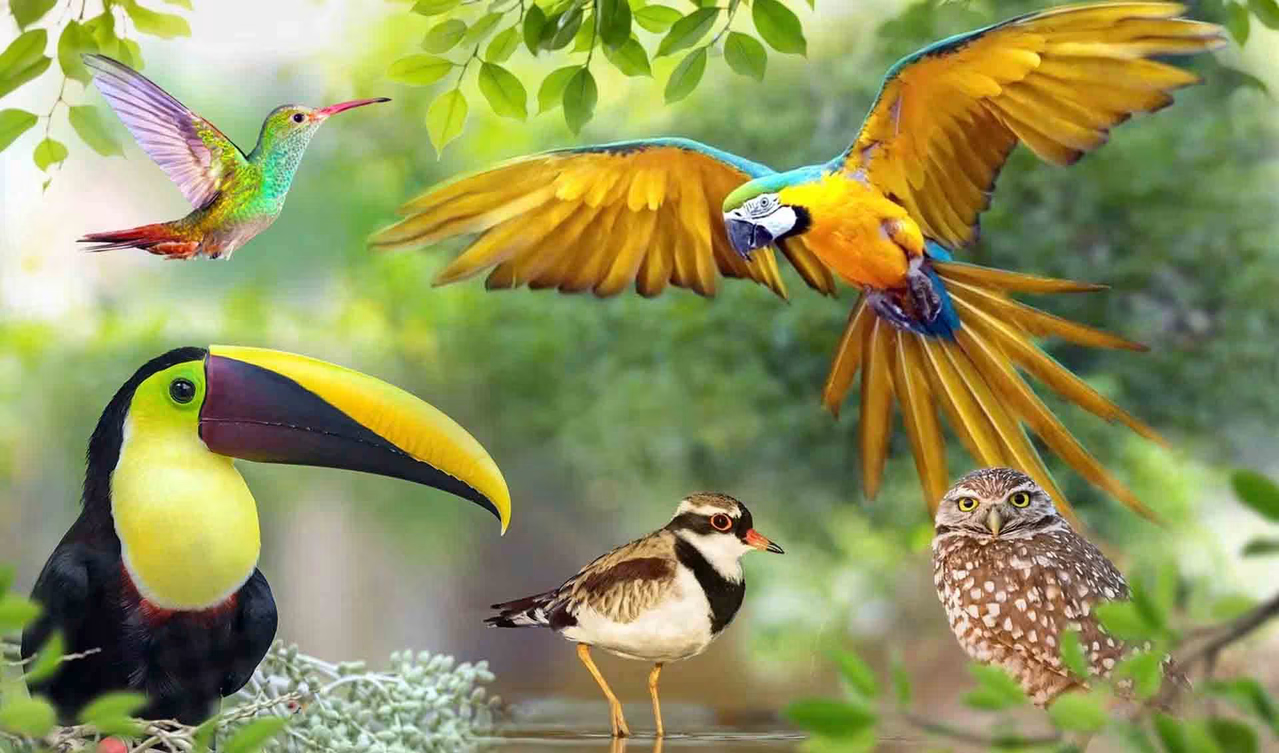
Birds are among the most fascinating creatures on Earth. They live in forests, gardens, mountains, wetlands, deserts, grasslands, and even crowded cities. Their colorful feathers, unique calls, different body shapes, and remarkable flying abilities make them interesting to observe. From tiny hummingbirds to enormous ostriches, birds come in an extraordinary variety of sizes and forms. Some birds spend most of their lives in the air, while others swim through water, run across open land, or climb tree trunks in search of food.
Learning about birds helps people understand the natural world and recognize the incredible diversity of wildlife around them. Children can use a birds name list to improve their vocabulary and learn about animals, while students can explore bird habitats, feeding patterns, migration, and behavior. Birdwatchers also use bird names to identify species they encounter in parks, gardens, and forests. Although some birds are familiar because they frequently visit human settlements, others live in remote environments and have specialized adaptations that help them survive.
Birds also play important roles in maintaining healthy ecosystems. Many species pollinate flowers, disperse seeds, control insect populations, and help recycle nutrients. Their presence can provide useful clues about environmental conditions, especially when changes in their populations indicate habitat loss or pollution. Understanding different birds is therefore not only an enjoyable learning activity but also an important step toward appreciating and protecting biodiversity.
What Are the Most Common Birds?
Common birds are species that people frequently encounter around their homes, schools, farms, gardens, and public parks. Their ability to adapt to different environments allows them to live close to humans. Some feed on seeds and grains, while others search for insects, fruits, or food scraps. Their different feeding habits help them occupy a wide range of ecological roles.
The most familiar birds vary by region, climate, and habitat. In India, people commonly recognize sparrows, pigeons, crows, parrots, mynas, peafowls, and several types of eagles. In other parts of the world, robins, cardinals, blue jays, and blackbirds may be more familiar. Although many species share similar physical features, their colors, beak shapes, calls, and movements can help observers distinguish one from another.
Popular Birds Name List With Their Features
The following table introduces several well-known birds and explains their identifying characteristics, typical habitats, and food preferences.
| Bird Name | Common Habitat | Main Food |
|---|---|---|
| Sparrow | Gardens and residential areas | Seeds and insects |
| Pigeon | Cities, buildings, and cliffs | Seeds and grains |
| Crow | Cities, forests, and farmland | Insects and varied food |
| Parrot | Tropical forests and woodlands | Fruits, nuts, and seeds |
| Peacock | Forest edges and grasslands | Seeds, insects, and plants |
| Eagle | Mountains, forests, and open country | Fish and small animals |
| Owl | Forests, fields, and woodlands | Rodents and insects |
| Kingfisher | Rivers, lakes, and wetlands | Fish and aquatic prey |
| Duck | Ponds, lakes, and wetlands | Plants and small aquatic animals |
| Flamingo | Shallow lakes and lagoons | Algae and tiny aquatic organisms |
| Hummingbird | Gardens and flowering habitats | Nectar and small insects |
| Ostrich | African grasslands and savannas | Plants, seeds, and insects |
Different Types of Birds Around the World
Birds can be grouped according to their physical characteristics, feeding habits, habitats, and behavior. These categories make it easier to understand how different species survive. Some birds are powerful predators with sharp talons and hooked beaks, while others have specialized bills for collecting nectar, filtering food from water, or cracking seeds. Their bodies are shaped by the environments in which they live.
1. Sparrow
Small, adaptable birds commonly seen near people.
Sparrows are small birds that frequently visit gardens, courtyards, farms, and residential neighborhoods. Many species have brown, gray, or buff-colored feathers that provide camouflage among plants, soil, and buildings. Their short, strong beaks help them eat seeds and grains, although insects are also an important food source, especially for young birds. Sparrows often move in small groups and produce short, recognizable chirping sounds.
House sparrows have historically lived close to humans, using building gaps, roof spaces, and other sheltered places for nesting. However, their populations have declined in some locations because of changes in urban design, reduced nesting opportunities, and changes in food availability. Planting native vegetation and maintaining suitable nesting spaces can help support local sparrow populations.
2. Pigeon
Pigeons are widely recognized birds that live in cities, villages, farmland, and rocky environments. Their compact bodies, rounded heads, and strong flight muscles make them well suited to traveling between feeding areas and resting places. Many urban pigeons have gray feathers with darker wing markings and an iridescent shine around the neck. They commonly eat seeds and grains and may also consume other available food.
Pigeons are known for their navigation abilities and their capacity to return to familiar locations. Humans have kept and bred pigeons for thousands of years, using them historically for communication and other purposes. Wild rock pigeons naturally nest on cliffs, while urban populations often use ledges and building structures that resemble their original nesting environments.
3. Crow
Crows are intelligent birds belonging to the corvid family. Most familiar crows have black or predominantly dark feathers, strong bills, and loud calls. They are found in numerous habitats, including forests, agricultural areas, coastlines, and cities. Their flexible diet includes insects, fruits, seeds, small animals, and carrion, allowing them to survive under changing environmental conditions.
One of the most interesting characteristics of crows is their problem-solving ability. Research has shown that some crow species can use tools, remember human faces, and learn from experience. They may also communicate information about food and danger through calls and behavior. Their adaptability makes them successful in many environments, although feeding them large amounts of unsuitable human food can create problems for their health and local surroundings.
4. Parrot
Parrots are famous for their colorful plumage, curved beaks, and strong feet. Many species live in tropical and subtropical regions, particularly in forests and woodlands. Their powerful beaks help them open hard seeds and nuts, while their feet allow them to grip branches and handle food. Green is common among many parrot species, but others display brilliant combinations of red, yellow, blue, and orange.
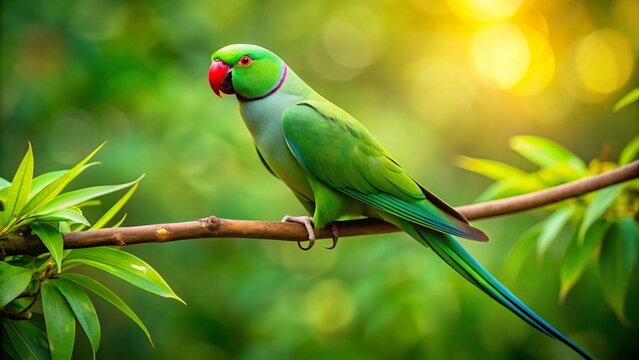
Some parrots can imitate sounds and human speech because of their advanced vocal-learning abilities. However, talking is not a characteristic of every species, and individual abilities differ considerably. Parrots also play ecological roles by dispersing seeds and contributing to forest regeneration. Habitat destruction and illegal wildlife trade threaten some species, making responsible conservation and protection of natural habitats especially important.
5. Peacock
The Indian peafowl is known for its spectacular appearance, particularly the male’s long, colorful train decorated with eye-like markings. Although people commonly call the male a peacock, the female is known as a peahen, and the species as a whole is called the peafowl. These birds inhabit forest edges, scrublands, grasslands, and agricultural landscapes across parts of South Asia.
During courtship, males spread their elaborate trains and shake the feathers to attract females. Their diet includes seeds, grains, insects, and various small animals. Despite their impressive appearance, peafowl can also fly short distances and roost in trees. The Indian peafowl is India’s national bird and holds cultural significance throughout the country.
6. Eagle
Eagles are large birds of prey recognized for their powerful wings, hooked beaks, and strong talons. Different species occupy habitats ranging from mountains and forests to coastal regions and open plains. Their excellent eyesight helps them locate prey from considerable distances, although their hunting techniques vary by species. Depending on the type of eagle, their food may include fish, birds, reptiles, and small mammals.
These predators contribute to ecosystem balance by hunting other animals and sometimes feeding on carrion. Bald eagles, golden eagles, and several sea eagle species are well-known examples. Some populations have recovered following conservation efforts, while others continue to face threats from habitat disturbance, poisoning, pollution, and conflicts with human activities.
7. Owl
Owls are primarily known for their nocturnal habits, large forward-facing eyes, and ability to detect prey in low-light conditions. Many species possess specialized feathers that reduce the sound of their flight, helping them approach prey quietly. Their facial discs can direct sound toward their ears, supporting accurate sound localization. Although many owls hunt at night, some species are active during daylight or twilight.
Their diet often includes rodents, insects, small birds, and other animals, depending on their size and habitat. This makes owls valuable predators in many agricultural and natural environments. Hollow trees, old buildings, and other sheltered spaces may provide nesting sites for certain species. Protecting mature trees and reducing unnecessary disturbance can help owls maintain suitable habitats.
More Birds Name Examples by Category
Birds can also be classified according to the environments in which they spend much of their time. This approach is particularly helpful for students who want to learn the names of birds while understanding their lifestyles. Waterbirds have adaptations for swimming or feeding in wetlands, while birds of prey have physical features suited to hunting. Small garden birds often rely on seeds, insects, and nectar.
Waterbirds
Waterbirds are commonly found around rivers, ponds, lakes, marshes, and coastal areas. Some swim using webbed feet, while others have long legs for walking through shallow water. Their diets vary widely, including fish, aquatic plants, crustaceans, insects, and other small organisms.
Examples of waterbirds include:
-
Duck
-
Swan
-
Flamingo
-
Heron
-
Pelican
Ducks often have broad bills and webbed feet that support swimming. Swans are generally larger waterbirds with long necks, while flamingos use specialized bills to filter food from shallow water. Herons usually hunt by standing still before striking at fish or other prey. Pelicans possess expandable throat pouches that help them catch fish.
Birds of Prey
Birds of prey are predators that typically have strong feet, sharp talons, and hooked bills. Many species have excellent vision, allowing them to locate potential prey across open landscapes. Some hunt from the air, while others wait on elevated perches before making a rapid attack.
Common examples include eagles, hawks, falcons, kites, and many owls. These birds occupy different ecological niches, with some specializing in catching insects, others hunting rodents, and certain species feeding mainly on fish. Protecting their habitats and reducing exposure to harmful chemicals can help maintain healthy populations.
How to Identify Birds in Nature
Identifying birds becomes easier when observers focus on several features rather than relying on color alone. Many species have similar plumage, especially when viewed from a distance, but their shapes, behavior, calls, and preferred habitats can provide valuable clues. A bird with a long, curved neck near a wetland is likely to belong to a different group from a small, seed-eating bird hopping around a garden.
When exploring a birds name list, beginners should learn to notice the following characteristics:
-
Size and shape: Compare the bird’s body, tail, wings, and overall proportions.
-
Beak structure: A short, thick beak often suits seed eating, while a hooked beak is common among predators.
-
Movement and behavior: Observe whether the bird walks, hops, swims, climbs, or hunts from a perch.
-
Habitat and sound: Note where the bird is found and listen to its calls when possible.
Repeated observation is often more effective than trying to memorize hundreds of names at once. Watching a familiar species over several days can reveal its feeding habits, preferred resting places, and interactions with other birds. Taking notes about location, size, and behavior can also improve identification skills.
Why Birds Are Important for the Environment
Birds contribute to healthy ecosystems in several ways. Seed-eating and fruit-eating species help spread plants by carrying seeds to new locations or passing them through their digestive systems. Nectar-feeding birds pollinate certain flowers, supporting plant reproduction. Insect-eating birds help regulate insect populations, while scavenging species consume dead animals and contribute to natural nutrient recycling.
Birds also form important links in food webs. They may serve as predators, prey, scavengers, or competitors, depending on their species and environment. Changes in bird populations can sometimes indicate shifts in habitat quality, food availability, climate, or pollution. Scientists therefore monitor bird communities to understand broader environmental changes. However, a decline in one species does not automatically identify a single cause; careful research is needed to understand the factors involved.
Threats Facing Birds in the Modern World
Despite their adaptability, many bird species face increasing pressure from human activities. Habitat loss caused by deforestation, intensive agriculture, wetland drainage, and urban expansion can remove nesting places and feeding grounds. Buildings and vehicles create additional risks, while discarded fishing equipment and plastic waste can injure birds or interfere with feeding. Artificial lighting may also disrupt the behavior of migratory birds during their journeys.
Climate change presents further challenges by altering temperatures, rainfall patterns, food availability, and the timing of seasonal events. Some species can adjust their ranges or behavior, but others have limited suitable habitat or depend on specific environmental conditions. Conservation efforts can include restoring wetlands, protecting forests, reducing pesticide use, providing safe nesting sites, and supporting responsible wildlife management.
Simple Ways to Protect Birds
Helping birds does not always require living near a forest or joining a conservation organization. Small changes in gardens, balconies, schools, and community spaces can make local environments more suitable for wildlife. Native plants can provide seeds, nectar, insects, and natural shelter, while mature trees may offer nesting and roosting places. Clean water can also be useful during hot weather when natural sources become scarce.
People can support birds by taking practical steps in their everyday lives:
-
Grow native plants that provide natural food and shelter.
-
Keep fresh water in a clean, shallow container and refresh it regularly.
-
Reduce unnecessary outdoor lighting, especially during migration periods.
-
Avoid disturbing nests, handling wild birds, or keeping wild species as pets.
Feeding practices should be appropriate for local species, and food containers must be cleaned to prevent the spread of disease. It is also important to keep cats away from vulnerable wildlife and make windows more visible to birds where collisions are common. Responsible observation means enjoying birds without disturbing their natural behavior.
Conclusion
Birds are remarkable animals that enrich the natural world through their diversity, behavior, and ecological contributions. From sparrows and pigeons living near human homes to eagles soaring above mountains and flamingos gathering in wetlands, each species has characteristics that help it survive in its environment. Learning their names provides a useful starting point for understanding their habitats, diets, adaptations, and roles in nature. Exploring a birds name list can be an enjoyable activity for children, students, families, and wildlife enthusiasts. With regular observation, people can gradually recognize more species and understand how their behavior changes across different environments. More importantly, learning about birds encourages respect for wildlife and awareness of the challenges many species face. By protecting natural habitats, reducing pollution, planting suitable vegetation, and observing wildlife responsibly, everyone can contribute to a healthier environment where birds continue to thrive.