

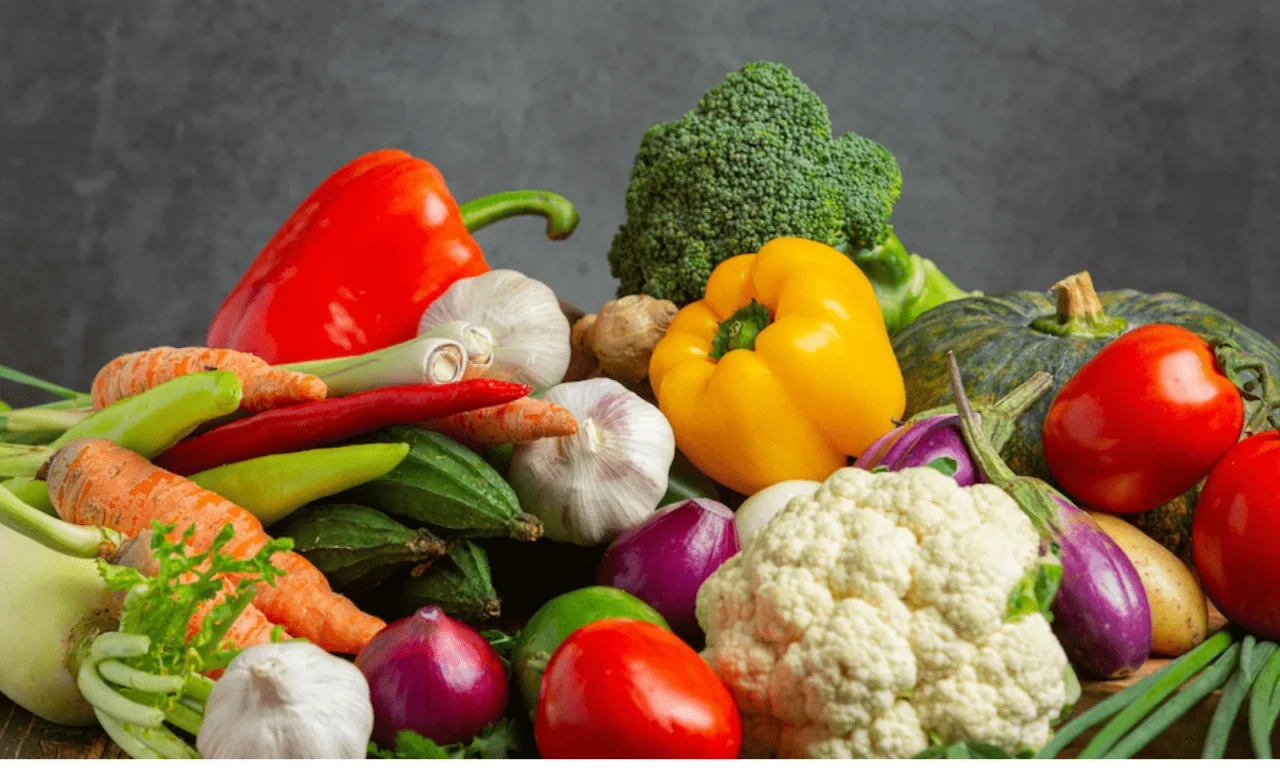

Vegetables are among the most important foods in a balanced diet, offering a wide range of vitamins, minerals, fiber, antioxidants, and other naturally occurring plant compounds. From familiar choices such as carrots, potatoes, tomatoes, spinach, and cauliflower to less commonly discussed varieties, vegetables bring different colors, textures, flavors, and nutritional qualities to everyday meals. Learning about vegetables name varieties can make grocery shopping easier while also helping people understand how different foods can contribute to a healthy eating pattern.
In modern diets, vegetables have become more than a simple side dish. They can form the foundation of salads, soups, curries, stir-fries, sandwiches, wraps, pasta dishes, rice meals, and many other recipes. Their versatility makes them useful for almost every type of cuisine. At the same time, choosing a broader selection can introduce the body to a wider range of nutrients and plant compounds.
Understanding the vegetables name of different varieties is also useful for families, students, cooks, gardeners, and anyone trying to improve everyday nutrition. Instead of relying on only two or three familiar options, people can experiment with seasonal produce and different preparation methods. This approach can make healthy meals more interesting without requiring complicated cooking techniques.
What Are Vegetables?
Vegetables are edible plant parts that are commonly consumed as part of savory meals. Depending on the plant, the edible portion may be a leaf, root, stem, flower, bulb, fruit, or seed. This is why vegetables can look and taste remarkably different from one another. Leafy vegetables such as spinach have a completely different structure from root vegetables such as carrots or beets, while broccoli and cauliflower are examples of edible flower structures.
From a nutritional perspective, vegetables are particularly valuable because many provide substantial amounts of dietary fiber and micronutrients while fitting easily into meals without adding excessive energy. Their nutritional profiles vary considerably, so variety matters. Dark green vegetables may provide nutrients such as folate and vitamin K, while orange and red vegetables can contain carotenoids and other beneficial compounds.
Major Categories of Vegetables
The vegetables name people encounter in markets can be organized into several broad groups. This classification is useful because vegetables belonging to similar botanical or culinary categories may have comparable characteristics, although their exact nutritional profiles are not identical.
Leafy Green Vegetables
Leafy greens include spinach, lettuce, kale, mustard greens, fenugreek leaves, and several other edible leaves. They are commonly used in salads, cooked dishes, soups, wraps, and traditional recipes. Many leafy greens are naturally rich in fiber and provide various vitamins and minerals.
Their texture and flavor can range from mild and crisp to strong and earthy. Younger leaves are often suitable for raw preparations, while tougher greens are frequently cooked. Combining different leafy vegetables can also make meals more visually appealing and introduce different flavors without relying heavily on sauces or processed ingredients.
Root and Tuber Vegetables
Root vegetables grow primarily beneath the soil and include carrots, radishes, turnips, beets, and sweet potatoes. Tubers such as potatoes are also commonly grouped with them from a culinary perspective. These foods often have a hearty texture and can be roasted, boiled, steamed, mashed, baked, or added to stews.
Root vegetables are particularly useful in colder seasons and comfort-style meals. Their natural flavors can become more pronounced when roasted because cooking changes their texture and concentrates some of their characteristic flavors. Pairing them with leafy greens, legumes, or other vegetables can create a more balanced meal.
Cruciferous Vegetables
Broccoli, cauliflower, cabbage, Brussels sprouts, and similar vegetables belong to the cruciferous group. They are popular because they can be prepared in many ways, from steaming and roasting to stir-frying and adding to soups.
These vegetables contain fiber and a variety of naturally occurring plant compounds. Their strong flavors can change significantly depending on preparation. For example, roasting may produce a deeper, slightly sweet flavor, while steaming generally preserves a lighter taste and softer texture.
Bulb and Stem Vegetables
Onions, garlic, leeks, celery, and similar vegetables are widely used in cooking. Some, such as onions and garlic, serve as flavor foundations rather than the main ingredient, while celery and certain stems can contribute both texture and freshness.
These vegetables demonstrate that the role of vegetables in cooking extends beyond nutrition alone. Aromatic vegetables can build the flavor of an entire dish. Starting a recipe with onions, garlic, or celery can create a foundation that makes grains, proteins, legumes, and other vegetables more flavorful.
Popular Vegetables and Their Nutritional Characteristics
Different vegetables contribute different combinations of nutrients. Rather than identifying one vegetable as universally superior, it is more useful to consider variety and overall dietary patterns. The following table provides a general overview of familiar choices.
| Vegetable | Common Nutritional Highlights | Popular Uses |
|---|---|---|
| Spinach | Fiber, folate, vitamin K | Curries, salads, soups |
| Carrot | Fiber, carotenoids | Salads, roasting, soups |
| Broccoli | Fiber, vitamin C, vitamin K | Steaming, roasting, stir-frying |
| Tomato | Vitamin C, potassium, carotenoids | Sauces, salads, curries |
| Sweet potato | Fiber, carbohydrates, carotenoids | Baking, roasting, mashing |
| Cauliflower | Fiber, vitamin C, folate | Curries, roasting, soups |
| Bell pepper | Vitamin C, carotenoids | Salads, stir-fries, stuffing |
| Cabbage | Fiber, vitamin C, vitamin K | Slaws, stir-fries, soups |
Nutritional content can vary depending on variety, growing conditions, maturity, storage, and cooking method. Therefore, a table such as this should be viewed as a general guide rather than a precise nutritional calculation. The broader lesson is that different vegetables can complement one another when included regularly in meals.
Why Eating a Variety of Vegetables Matters
One of the biggest advantages of including different vegetables is nutritional diversity. No single vegetable provides every nutrient required by the human body. Eating a mixture of leafy greens, colorful vegetables, roots, stems, and other varieties makes it easier to obtain a broader range of vitamins, minerals, fiber, and plant compounds.
Color is a practical way to encourage variety. Green vegetables, orange vegetables, red produce, purple varieties, and white vegetables can all contribute different naturally occurring compounds. Although color alone does not determine nutritional quality, creating colorful meals can be a simple reminder to include several types of plant foods throughout the week.

Vegetable diversity can also improve the eating experience. Different vegetables offer contrasting flavors and textures, making meals less repetitive. Someone who dislikes boiled vegetables might enjoy roasted cauliflower, grilled peppers, crunchy carrots, or a fresh cucumber salad. Changing preparation methods can therefore be just as important as changing the vegetable itself.
How Vegetables Can Support a Balanced Diet
Vegetables can contribute significantly to a balanced eating pattern because they often provide fiber and micronutrients while adding volume, flavor, and texture to meals. Fiber is particularly important because it supports normal digestive function and can contribute to feelings of fullness. The exact amount of fiber and other nutrients varies between individual vegetables.
A balanced meal does not necessarily require an elaborate recipe. A plate might combine cooked vegetables with whole grains and a protein source, or a simple vegetable soup can be paired with another nutritious food. The goal is not perfection at every meal but consistent variety over time.
People also have different dietary requirements, cultural food traditions, budgets, and cooking facilities. Someone preparing meals in an Indian household may use vegetables in sabzi, dal, sambar, pulao, or mixed curries, while another person may prefer salads, roasted vegetables, soups, or stir-fries. Both approaches can provide useful variety.
Best Ways to Prepare Vegetables
Cooking methods influence flavor, texture, and the overall eating experience. Steaming can produce tender vegetables without requiring much added fat, while roasting can create browned edges and stronger flavors. Stir-frying is useful when several vegetables need to be prepared quickly, and soups provide an easy way to combine numerous ingredients.
Preparation also matters because excessive cooking can affect certain heat-sensitive nutrients. However, this does not mean raw vegetables are always better. Some vegetables become easier to digest or more enjoyable after cooking. The best approach is generally to use a mixture of preparation methods instead of following a single rule.
Simple Cooking Approaches
For everyday meals, vegetables can be prepared using straightforward techniques such as:
- Steaming or lightly cooking vegetables to retain a fresh texture.
- Roasting root vegetables and cauliflower for deeper flavor.
- Adding chopped vegetables to soups, curries, rice dishes, or omelets.
- Using raw vegetables such as cucumber, carrots, and peppers in salads or snacks.
The most sustainable approach is the one that makes vegetables convenient and enjoyable enough to eat regularly. Complicated recipes may be appealing occasionally, but simple methods often work better for busy households.
Seasonal Vegetables and Freshness
Seasonality can influence the availability, price, flavor, and quality of vegetables. Locally available seasonal produce is often easier to find and may be more affordable than items transported over long distances. Markets can therefore be a useful source of inspiration when deciding what to cook.
Freshness is another consideration. Signs such as firm texture, natural color, and absence of excessive bruising or spoilage can help when selecting produce. However, not every vegetable needs to be consumed immediately after purchase. Proper storage can extend usability and reduce food waste.
Buying only what can reasonably be used is especially important for leafy vegetables and other highly perishable produce. Planning a few meals before grocery shopping can prevent vegetables from being forgotten in the refrigerator.
Vegetables in Everyday Indian Meals
Vegetables have a particularly important place in Indian cooking, where they are used in countless regional dishes. Common examples include aloo-based preparations, mixed vegetable curries, palak dishes, bhindi, baingan, gobi, lauki, tori, beans, carrots, peas, and many seasonal varieties.

Indian cooking also demonstrates how spices can transform vegetables without requiring complicated ingredients. Turmeric, cumin, coriander, mustard seeds, ginger, garlic, chili, and other seasonings can create completely different flavor profiles from the same basic vegetable.
Traditional meals frequently combine vegetables with lentils, grains, yogurt, or other foods, creating opportunities for nutritional variety. Regional cuisines also introduce many less familiar vegetables that may not receive as much attention in international food discussions.
How to Include More Vegetables in Daily Meals
Increasing vegetable intake does not necessarily mean changing an entire diet overnight. Small adjustments can make the habit easier. Adding chopped vegetables to breakfast dishes, including a salad with lunch, mixing vegetables into rice or noodles, and keeping ready-to-eat produce available are practical strategies.
Another useful approach is to prepare vegetables alongside foods that are already part of the daily routine. For example, a person who regularly prepares rice can add mixed vegetables, while someone who prefers sandwiches can add lettuce, tomato, cucumber, or roasted peppers. These small changes make vegetables part of familiar meals rather than treating them as an extra task.
Choosing and Storing Vegetables Properly
Selecting good-quality vegetables begins with checking their appearance, firmness, smell, and signs of deterioration. While minor cosmetic imperfections are not necessarily a problem, vegetables with extensive mold, unusual odors, or significant decay should generally be discarded.
Storage requirements differ considerably. Leafy greens typically benefit from refrigeration and appropriate moisture control, while some root vegetables have different storage needs. Keeping vegetables organized and visible can also help households remember to use them before they spoil.
Food safety should remain a priority. Vegetables should be handled with clean hands and utensils, and fresh produce should be washed appropriately before consumption or preparation. Proper storage and hygiene can reduce unnecessary food waste while supporting safer meal preparation.
Making Vegetables More Appealing
Some people avoid vegetables because they associate them with bland or repetitive meals. The solution may be less about forcing a particular vegetable and more about experimenting with flavor, texture, and cooking technique. A vegetable that tastes unpleasant when boiled may become enjoyable when roasted, grilled, sautéed, or combined with other ingredients.
Seasonings can also make a significant difference. Herbs, spices, lemon, yogurt-based sauces, nuts, seeds, and small amounts of healthy fats can add contrast and improve the overall eating experience. Combining familiar vegetables with less familiar ones can gradually expand food preferences.
Children and adults may also respond differently to vegetables. Offering variety without making meals unnecessarily stressful can help people discover preferences naturally. Repeated exposure to unfamiliar foods can eventually make them more acceptable.
Conclusion
Learning about vegetables name varieties is a practical way to understand the enormous diversity available in everyday food. Vegetables differ in color, texture, flavor, growing conditions, culinary uses, and nutritional characteristics, so relying on variety is more useful than searching for one perfect choice. Leafy greens, roots, cruciferous vegetables, bulbs, stems, and colorful produce can all contribute something valuable to a balanced eating pattern.