



The natural world is filled with extraordinary species that maintain balance in ecosystems, but many animals and plants are now facing serious threats to their survival. namestriology helps nature enthusiasts explore unique species names while discovering the fascinating stories behind endangered wildlife. From rare mammals living in remote forests to delicate plants found only in specific habitats, every species plays an important role in maintaining biodiversity. Human activities such as deforestation, pollution, climate change, illegal hunting, and habitat destruction have placed thousands of species at risk. Learning about these endangered organisms creates awareness and encourages people to support conservation efforts. Protecting wildlife is not only about saving individual species; it is about preserving the natural systems that support life on Earth. Understanding endangered animals and plants allows future generations to appreciate the incredible variety of life around them.
What Makes a Species Endangered?
A species becomes endangered when its population decreases significantly and faces a high risk of extinction in the near future. Scientists study population numbers, habitat conditions, reproduction rates, and environmental changes to determine whether a species requires protection. Some species decline slowly over many years, while others experience rapid population loss due to sudden environmental changes.
The reasons behind species endangerment are often connected to human activities. Forest clearing for agriculture, urban expansion, and industrial development can destroy natural habitats. Pollution affects water sources, soil quality, and food chains. Climate change is also creating challenges by changing temperatures, rainfall patterns, and living conditions for many organisms.
Important factors that contribute to species becoming endangered include:
- Loss of natural habitats due to human development
- Illegal wildlife trade and hunting
- Climate change and extreme weather events
- Pollution affecting ecosystems
- Invasive species competing with native wildlife
Understanding these threats helps conservation organizations create better strategies to protect vulnerable species and restore damaged environments.
Rare Endangered Animals Around the World
Many endangered animals have unique characteristics that make them valuable parts of global biodiversity. These creatures often have specialized behaviors and adaptations developed over thousands of years. Unfortunately, many of them are struggling because their natural environments are disappearing.
The Amur leopard is one of the rarest big cats in the world. Found in parts of eastern Russia and China, this beautiful predator has suffered from habitat loss and illegal hunting. Conservation programs are working to increase its population by protecting forests and reducing human-wildlife conflicts.
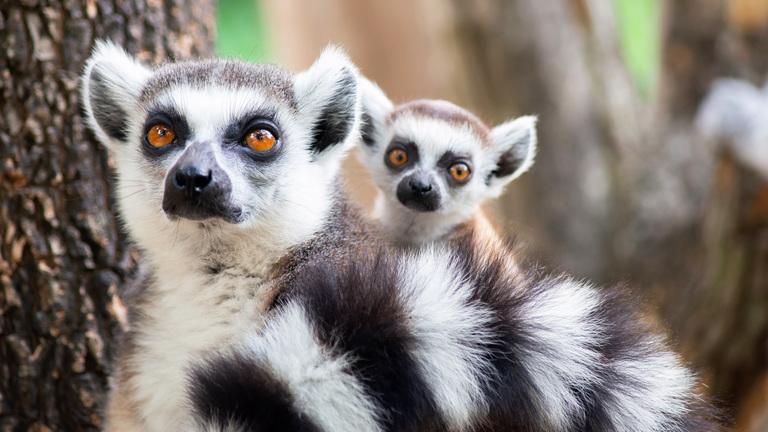
The Asian elephant is another endangered species affected by shrinking habitats and human expansion. These intelligent animals require large areas of forest for food and movement. Protecting elephant corridors and reducing conflicts between communities and wildlife are important steps toward their survival.
Sea turtles also face major challenges because of ocean pollution, fishing activities, and climate changes affecting nesting beaches. These ancient marine animals help maintain healthy ocean ecosystems and require international conservation efforts.
Endangered Animals and Their Conservation Status
Different species experience different levels of risk depending on population size and environmental conditions. Conservation experts categorize species according to their survival chances and the urgency of protection.
| Endangered Species | Main Threats | Conservation Efforts |
|---|---|---|
| Amur Leopard | Habitat loss and illegal hunting | Forest protection and breeding programs |
| Asian Elephant | Human expansion and habitat fragmentation | Wildlife corridors and protection laws |
| Blue Whale | Ocean pollution and past hunting | Marine conservation programs |
| Mountain Gorilla | Habitat destruction and diseases | Protected reserves and monitoring |
| Hawksbill Turtle | Illegal trade and ocean pollution | Nest protection and marine awareness |
This table highlights how different species require different conservation approaches. Protecting endangered wildlife involves scientific research, community participation, and long-term environmental planning.
Endangered Plants That Need Protection
Plants are often overlooked when discussing endangered species, but they are equally important for maintaining ecosystems. Many rare plants provide food, medicine, shelter, and oxygen while supporting countless organisms. The disappearance of a plant species can affect entire ecosystems.
The Wollemi pine is one of the world’s rarest trees. This ancient plant species survived for millions of years but became threatened due to its extremely limited natural habitat. Conservation efforts now focus on protecting existing populations and carefully managing reproduction.
The Ghost orchid is another rare plant known for its unusual appearance and challenging growing conditions. It depends on specific environmental factors and has become vulnerable because of habitat disturbance.
The Venus flytrap, famous for its insect-catching ability, is also threatened in some areas because of habitat destruction and illegal collection. Protecting these unique plants ensures that future generations can continue studying and appreciating their remarkable features.
Why Wildlife Conservation Is Important
Wildlife conservation protects the connections between different species and their environments. Every animal and plant contributes to ecosystem stability. When one species disappears, it can create unexpected effects throughout the food chain and natural processes.
Forests, oceans, grasslands, and wetlands depend on diverse living organisms working together. Pollinating insects help plants reproduce, predators maintain balanced populations, and plants provide oxygen and shelter for other creatures.
namestriology encourages people to explore species diversity and understand why protecting rare animals and plants matters. Learning the names and stories of endangered species creates emotional connections with nature. When people recognize the importance of biodiversity, they become more willing to support conservation actions.
Conservation benefits include:
- Maintaining healthy ecosystems
- Protecting natural resources
- Supporting scientific discoveries
- Preserving rare genetic diversity
- Creating sustainable environments for future generations
How Humans Can Help Protect Endangered Species
Everyone can contribute to wildlife conservation through responsible choices and environmental awareness. Protecting endangered species does not only depend on large organizations or governments. Individual actions can create meaningful changes when millions of people participate.
Reducing waste, avoiding products made from illegal wildlife materials, supporting sustainable practices, and protecting local habitats are simple steps that help nature. Planting native trees and creating wildlife-friendly spaces can also provide support for local species.
Education plays a major role in conservation. Children and adults who understand the importance of biodiversity are more likely to make environmentally responsible decisions. Sharing accurate information about endangered animals and plants can inspire others to protect the natural world.
Technology is also helping conservation efforts. Scientists use satellite tracking, genetic research, and digital monitoring systems to study endangered species and develop better protection plans. These modern tools provide valuable information about animal movements, population changes, and habitat conditions.
The Role of Awareness in Saving Wildlife
Awareness is one of the strongest tools for protecting endangered species. Many animals and plants become threatened because people are unaware of their importance or the dangers they face. Increasing knowledge about rare species can encourage stronger conservation efforts worldwide.

Nature education platforms and wildlife research programs help people discover the incredible diversity of life on Earth. namestriology provides an opportunity to explore meaningful species names while connecting them with conservation stories. Understanding the background of different animals and plants makes environmental protection more engaging and memorable.
When communities learn about endangered species, they can participate in habitat restoration, wildlife protection campaigns, and sustainable development programs. Awareness creates responsibility, and responsibility leads to action.
Future Challenges and Hope for Endangered Species
Although many species face serious challenges, conservation success stories show that recovery is possible. Several endangered animals and plants have improved their populations through dedicated protection programs and international cooperation.
Future conservation efforts will need to focus on climate adaptation, habitat restoration, and sustainable relationships between humans and nature. Protecting biodiversity requires cooperation between scientists, communities, governments, and individuals.
The survival of endangered species depends on decisions made today. By respecting nature and understanding the value of every living organism, humanity can help prevent unnecessary extinctions. Each species carries millions of years of evolution, and protecting them means protecting the history and future of life on Earth.
Conclusion
Endangered animals and plants represent some of the most valuable treasures of our planet. Their survival depends on awareness, conservation programs, and responsible human actions. From rare predators and marine creatures to ancient trees and unique flowers, every species contributes to the beauty and balance of nature. namestriology helps highlight the importance of discovering species names while learning about wildlife conservation facts. By understanding the challenges faced by endangered organisms, people can become stronger supporters of environmental protection. The future of biodiversity depends on collective efforts. Protecting habitats, reducing environmental damage, and respecting wildlife can create a healthier planet where endangered animals and plants have a chance to survive. Conservation is not only about saving nature today; it is about ensuring that future generations inherit a world filled with incredible life and natural diversity.