



The solar system is one of the most fascinating subjects in astronomy, filled with mysterious planets, powerful forces, and countless discoveries waiting to be explored. From the blazing surface of Mercury to the icy landscapes of Neptune, every planet has a unique story that helps us understand the universe better. Learning about planets is not only exciting for students and space enthusiasts but also important for anyone curious about Earth’s place in the cosmos. This solar system planets guide introduces the names, characteristics, and interesting facts about all eight planets while uncovering some amazing space mysteries. The study approach of namestriology helps learners discover planetary names, meanings, and important details in a simple and memorable way.
Our solar system formed approximately 4.6 billion years ago from a huge cloud of gas and dust. Over billions of years, planets developed different sizes, structures, atmospheres, and environments. Some planets are rocky worlds with solid surfaces, while others are giant spheres made mostly of gases and liquids. Each planet follows its own path around the Sun and contributes to the incredible balance of our cosmic neighborhood.
Understanding the Eight Planets of the Solar System
The solar system contains eight officially recognized planets that orbit the Sun. These planets are divided into two major groups: terrestrial planets and giant planets. The inner planets—Mercury, Venus, Earth, and Mars—are smaller, rocky planets located closer to the Sun. The outer planets—Jupiter, Saturn, Uranus, and Neptune—are much larger and are known as gas giants or ice giants.
Studying planetary names helps people remember their order and understand their special

features. The learning method of namestriology connects planet names with interesting facts, making space education more engaging and easier to remember.
The planets in order from the Sun are:
- Mercury
- Venus
- Earth
- Mars
- Jupiter
- Saturn
- Uranus
- Neptune
Each planet has different conditions, including temperature, atmosphere, gravity, and surface features. These differences make our solar system a remarkable example of diversity in space.
Planet Names and Their Amazing Facts
| Planet | Type | Interesting Fact | Distance from Sun |
|---|---|---|---|
| Mercury | Rocky Planet | Smallest planet and fastest orbit around the Sun | About 58 million km |
| Venus | Rocky Planet | Hottest planet because of its thick atmosphere | About 108 million km |
| Earth | Rocky Planet | Only known planet with life | About 150 million km |
| Mars | Rocky Planet | Known as the Red Planet | About 228 million km |
| Jupiter | Gas Giant | Largest planet in the solar system | About 778 million km |
| Saturn | Gas Giant | Famous for its beautiful rings | About 1.4 billion km |
| Uranus | Ice Giant | Rotates on its side | About 2.9 billion km |
| Neptune | Ice Giant | Has the strongest winds among planets | About 4.5 billion km |
This table gives a quick overview of planetary features, but every planet contains deeper mysteries that continue to attract scientists and explorers.
Mercury: The Smallest Planet Closest to the Sun
Mercury is the first planet in the solar system and the closest one to the Sun. Because of its small size and extreme environment, Mercury has some of the most challenging conditions among all planets. Its surface is covered with craters created by asteroid impacts over billions of years.
A fascinating feature of Mercury is its extreme temperature changes. During the day, temperatures become extremely hot because the planet receives intense sunlight. At night, temperatures drop dramatically because Mercury has almost no atmosphere to trap heat.
Mercury completes one trip around the Sun faster than any other planet, which is why it is often called the fastest planet. Despite being small, Mercury provides important information about how rocky planets form and evolve.
Venus: The Bright and Mysterious Planet
Venus is often called Earth’s twin because it has a similar size and rocky composition. However, its environment is completely different. Venus has a thick atmosphere filled with carbon dioxide, creating a powerful greenhouse effect that makes it the hottest planet in the solar system.
The surface of Venus contains mountains, volcanoes, and large plains. Scientists believe volcanic activity may have played an important role in shaping the planet. Venus rotates very slowly, and its rotation direction is opposite to most planets.
The bright appearance of Venus in the sky has inspired many cultures throughout history. Learning about Venus through namestriology allows students to connect its name with its unique identity, helping them remember why this planet is special.
Earth: The Blue Planet Full of Life
Earth is the third planet from the Sun and the only known planet that supports life. Its perfect combination of liquid water, breathable atmosphere, and suitable temperatures makes it unique among all discovered worlds.
Approximately 71% of Earth’s surface is covered by water, which plays a major role in supporting plants, animals, and humans. Earth also has a protective magnetic field that helps shield life from harmful solar radiation.
The planet’s natural systems, including oceans, forests, and weather patterns, work together to maintain a balanced environment. Understanding Earth helps scientists compare our planet with others and search for possible life beyond our solar system.
Mars: The Planet of Exploration and Discovery
Mars is one of the most studied planets because scientists believe it may have once contained conditions suitable for life. Its reddish appearance comes from iron minerals that cover its surface, giving it the famous nickname “Red Planet.”
Mars contains enormous mountains, deep valleys, and evidence of ancient water activity. Space missions have explored its surface to understand its history and determine whether microscopic life may have existed there in the past.
Future human exploration missions are also focused on Mars because it is considered one of the most realistic destinations for human travel beyond Earth. The mysteries surrounding Mars continue to make it one of the most exciting planets in astronomy.
Jupiter and Saturn: The Giants of the Solar System
Jupiter is the largest planet in our solar system and is mainly made of hydrogen and helium. One of its most famous features is the Great Red Spot, a massive storm that has existed for hundreds of years.
Jupiter has many moons, including some that scientists consider interesting places for future exploration. These moons may contain hidden oceans beneath their icy surfaces.
Saturn is another giant planet known for its spectacular ring system. These rings are made of ice, rock, and dust particles. Although other planets also have rings, Saturn’s rings are the most visible and impressive.
The study of giant planets reveals how planetary systems develop and helps researchers understand worlds that are very different from Earth.
Uranus and Neptune: The Distant Ice Giants
Uranus and Neptune are located far from the Sun and are classified as ice giants. They contain elements such as water, ammonia, and methane, which create their unique structures.
Uranus is unusual because it rotates at a steep angle, making it appear as if it rolls around the Sun. Its blue-green color comes from methane in its atmosphere.
Neptune is the farthest planet from the Sun and is famous for having extremely powerful winds. Despite receiving very little sunlight, Neptune remains an active world with changing atmospheric conditions.
Studying these distant planets expands our knowledge of the outer solar system and reveals how different planetary environments can become.
Interesting Mysteries Hidden in the Solar System
The solar system still holds many unanswered questions. Scientists continue exploring planets, moons, asteroids, and other objects to understand how everything formed.
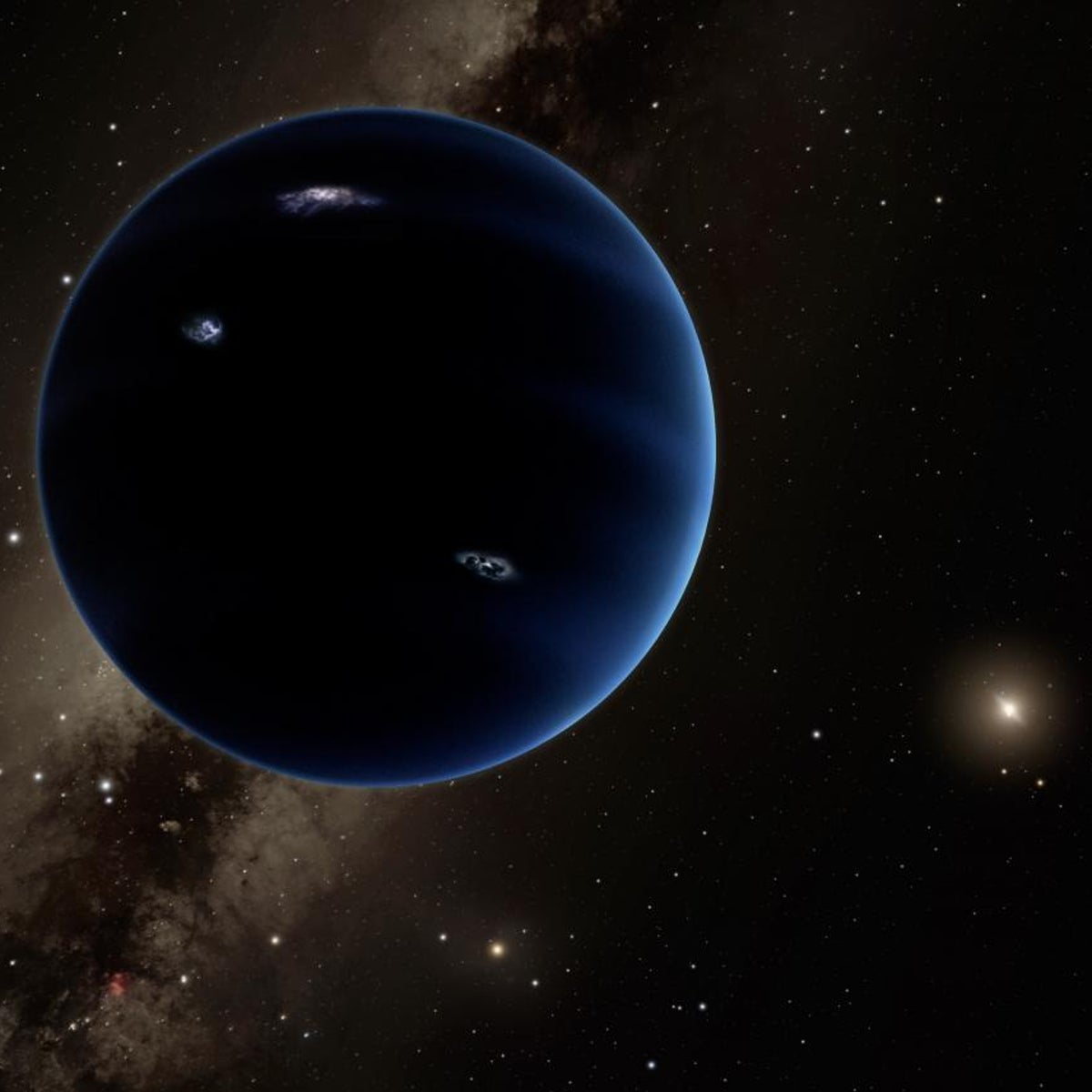
Some major mysteries include:
- Whether life exists or existed on other planets.
- How planets developed their different atmospheres.
- What secrets are hidden beneath the surfaces of distant moons.
- How the solar system will change in the future.
Modern technology allows researchers to collect more information than ever before. Every discovery adds another piece to the giant puzzle of space.
Why Learning Planet Names and Facts Matters
Knowing planet names is the first step toward understanding astronomy. It helps students develop curiosity about science and encourages interest in exploration. Educational methods like namestriology make remembering complex space information easier by combining names with meaningful facts.
Planet knowledge also helps people understand Earth’s importance. By comparing our planet with other worlds, we can appreciate the conditions that make life possible.
Space education inspires future scientists, engineers, and explorers who may one day discover new secrets beyond our current knowledge.
Conclusion
The solar system is a breathtaking collection of planets, each with its own history, structure, and mysteries. From the small and rocky Mercury to the distant ice giant Neptune, every planet teaches us something valuable about the universe. Exploring planetary names, facts, and discoveries creates a stronger connection with astronomy and encourages lifelong learning. The approach of namestriology provides an interesting way to remember important planetary information while making space education more enjoyable. Although humans have learned a great deal about the solar system, many questions remain unanswered. Future discoveries will continue to reveal hidden details about planets and their environments. The journey of understanding space is ongoing, and every new exploration brings us closer to discovering the incredible secrets of the cosmos.