


Introduction
When most people think about rainforests, images of the Amazon, Congo Basin, or the tropical forests of Southeast Asia often come to mind. These regions are famous for their dense vegetation, incredible biodiversity, and warm climates. However, many people are surprised to learn that the United Kingdom also has rainforests. In fact, these unique ecosystems are among the rarest habitats on Earth.
If someone asks you to name the rainforest that is so big in UK, the answer generally refers to the Atlantic Rainforest, often called the Celtic Rainforest. This remarkable habitat stretches across parts of western Scotland, Wales, Cumbria, Devon, Cornwall, and even extends into Ireland. Although it does not resemble a tropical jungle, it possesses extraordinary ecological importance and supports an astonishing variety of plants and animals.
Britain’s rainforests have existed for thousands of years and are often described as magical landscapes. Covered in mosses, lichens, ferns, and ancient trees, these forests create an atmosphere that feels almost prehistoric. They are among the most valuable natural treasures in the country, yet many people know very little about them.
This article explores the history, geography, wildlife, environmental importance, conservation efforts, and future of the UK’s rainforests. By understanding these ecosystems, we can better appreciate why they deserve protection and recognition.
Quick Answer
If you want to name the rainforest that is so big in UK, the most commonly accepted answer is the Atlantic Rainforest, also known as the Celtic Rainforest. It consists of temperate rainforest habitats located primarily in western Britain, especially Scotland, Wales, and southwest England.
| Feature | Details |
|---|---|
| Name | Atlantic Rainforest / Celtic Rainforest |
| Type | Temperate Rainforest |
| Main Areas | Scotland, Wales, Cornwall, Devon, Cumbria |
| Climate | Mild and Wet |
| Key Species | Oak, Birch, Pine Marten, Lichens |
| Importance | Biodiversity, Carbon Storage, Water Regulation |
What Is a Temperate Rainforest?
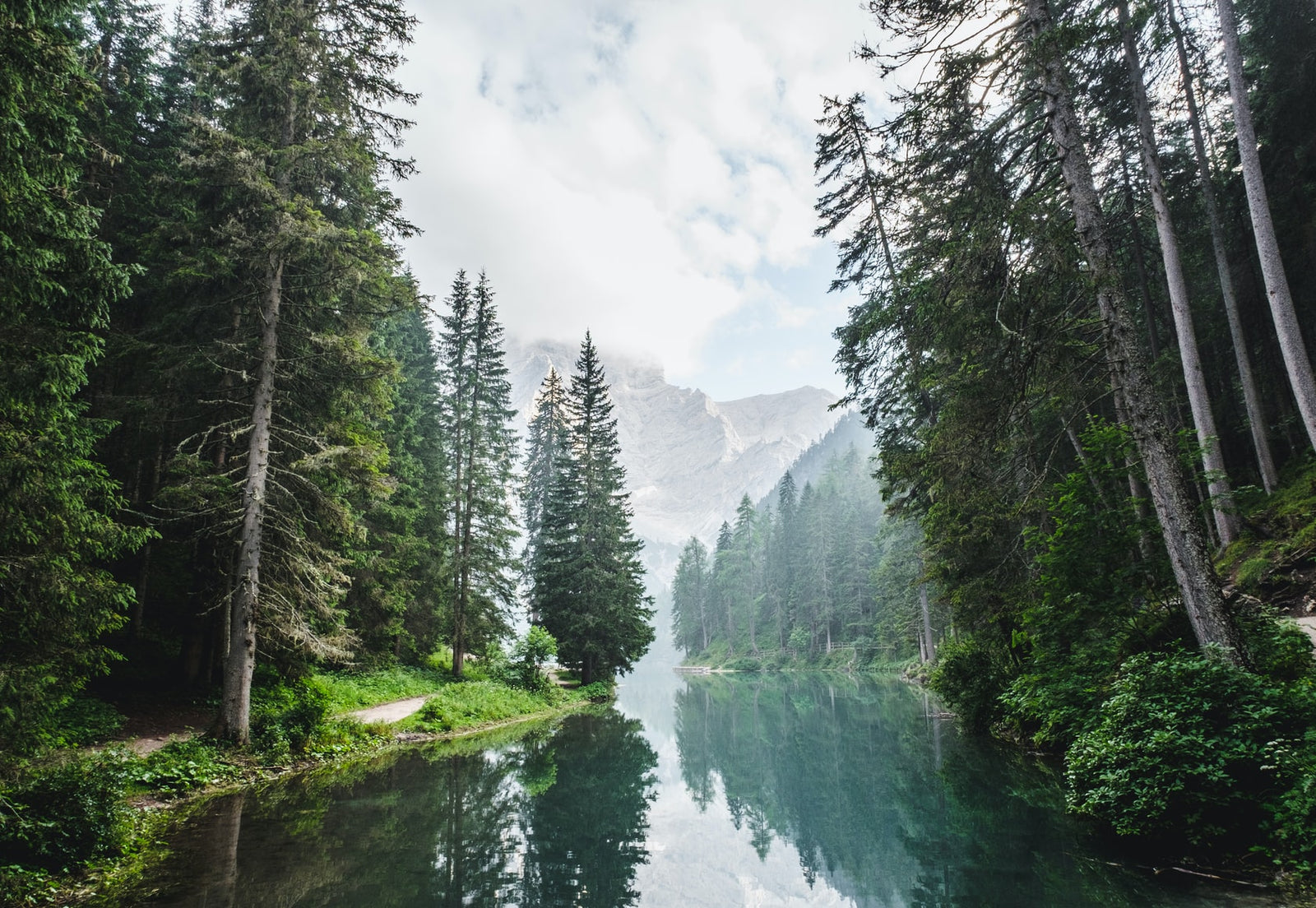
Many people assume all rainforests must be hot and tropical. In reality, rainforests can exist in cooler climates as long as they receive enough rainfall and maintain relatively stable temperatures throughout the year.
A temperate rainforest is a forest ecosystem characterized by high rainfall, high humidity, and moderate temperatures. Unlike tropical rainforests, these forests experience seasonal changes but remain moist enough to support lush plant growth.
The UK’s rainforests are perfect examples of temperate rainforests. Moist air from the Atlantic Ocean constantly moves inland, bringing rain and humidity. This creates ideal conditions for mosses, ferns, lichens, and ancient woodlands.
The atmosphere inside these forests often feels completely different from the surrounding countryside. Trees are draped in green moss, rocks appear carpeted in vegetation, and the air remains cool and damp throughout much of the year.
The Atlantic Rainforest: Britain’s Hidden Natural Wonder
The Atlantic Rainforest is one of the most important ecosystems in Europe. It stretches along the Atlantic coastline and includes fragments of woodland that have survived centuries of human activity.
Historically, these forests covered much larger areas. Over thousands of years, agriculture, development, and logging reduced their size dramatically. Today, only small portions remain.
Despite their reduced size, these rainforests still support incredible biodiversity. Scientists frequently compare their ecological importance to tropical rainforests because of the variety of species they contain.
When discussing how to name the rainforest that is so big in UK, environmental organizations often highlight the Atlantic Rainforest because it represents one of Britain’s most significant natural habitats.
Where Are Britain’s Rainforests Located?
Scotland
Scotland contains some of the largest and best-preserved rainforest habitats in the United Kingdom. The western Highlands provide ideal conditions due to high rainfall and relatively mild temperatures.
Ancient oak forests dominate many areas. Trees are often covered with thick layers of moss and lichen, creating spectacular scenery. Visitors frequently describe these forests as enchanted landscapes.
Scotland’s rainforest areas support rare birds, mammals, and plant species that are difficult to find elsewhere.
Wales
Wales is another major center for temperate rainforest ecosystems. Mountain ranges and Atlantic weather patterns create perfect conditions for rainforest development.
The forests of Snowdonia and western Wales contain ancient oak woodlands filled with mosses and ferns. Walking through these forests often feels like stepping back in time.
Many conservation projects are currently focused on restoring and protecting Welsh rainforest habitats.
Cumbria
England’s Lake District is known for its stunning scenery, but it is also home to valuable rainforest ecosystems.
Frequent rainfall and sheltered valleys support diverse plant communities. Ancient woodlands in Cumbria provide important habitats for birds, insects, and fungi.
Devon and Cornwall
Southwest England experiences a mild oceanic climate that supports rainforest conditions. Devon and Cornwall contain some of England’s most important remaining rainforest fragments.
The region’s ancient oak forests host rare lichens and mosses that depend on clean air and constant moisture.
The Rich Biodiversity of UK Rainforests
One of the most fascinating aspects of Britain’s rainforests is their biodiversity. Although they may not contain the large mammals associated with tropical jungles, they support thousands of species. When people search online to name the rainforest that is so big in uk, they are often surprised to discover that these temperate rainforests are among the most biologically rich habitats in the country.
Scientists consider these forests biodiversity hotspots because of their unusually high concentration of plants, fungi, insects, birds, and mammals.
The constant moisture allows many species to thrive that would struggle elsewhere.
Rare mosses, liverworts, and lichens are especially abundant. Some species found in these forests are globally rare and exist in only a handful of locations.
This diversity makes rainforest conservation critically important.
Why Mosses and Lichens Matter
The first thing many visitors notice about Britain’s rainforests is the extraordinary abundance of mosses and lichens. In fact, people trying to name the rainforest that is so big in uk are often amazed by the lush green landscapes created by these unique organisms.
Trees, rocks, branches, and even the ground are often completely covered by mosses and lichens, giving the forest a magical and ancient appearance.
Mosses and lichens perform several important ecological functions. They help retain moisture, create habitats for insects, contribute to nutrient cycling, and improve biodiversity.
Scientists often use lichen populations as indicators of environmental health. Many species are extremely sensitive to pollution and climate change.
The vibrant green appearance of rainforest landscapes largely comes from these remarkable organisms, making them an essential part of the ecosystem.
Wildlife Found in British Rainforests
Mammals
Several mammal species thrive in rainforest habitats.
The pine marten is one of the most iconic rainforest mammals. Once heavily persecuted, it is slowly recovering in some areas thanks to conservation efforts.
Otters frequently inhabit rainforest rivers and streams. The abundance of clean water and fish makes these forests ideal habitats.
Badgers, foxes, bats, and deer are also common.
Birds
Birdlife is another major attraction.
Species commonly found include wood warblers, redstarts, tawny owls, and pied flycatchers.
These birds rely on ancient woodland habitats for nesting and feeding.
The dense vegetation provides shelter and abundant food resources throughout the year.
Amphibians and Reptiles
Moist environments support healthy populations of frogs, toads, and newts.
These species depend on wet conditions for breeding and survival.
Rainforest habitats often contain numerous streams, ponds, and damp woodland floors that provide ideal environments.
The Historical Significance of Britain’s Rainforests
Thousands of years ago, much of western Britain was covered in woodland. Today, people who search to name the rainforest that is so big in uk are often learning about the remnants of these ancient forests that once stretched across large parts of the country.
Following the retreat of glaciers after the last Ice Age, forests gradually spread across the landscape.
These forests became essential parts of natural ecosystems and supported early human communities.
Over time, however, large-scale land clearance transformed the countryside.
Agriculture expanded, settlements grew, and timber was harvested for construction and industry.
As a result, rainforest habitats became increasingly fragmented.
Today, conservationists work to preserve what remains of these ancient landscapes, ensuring that future generations can appreciate this important part of Britain’s natural heritage.
Why Rainforests Are Important for Climate Change
Climate change is one of the greatest environmental challenges facing humanity.
Rainforests can play a crucial role in addressing this challenge.
Trees absorb carbon dioxide from the atmosphere and store carbon within their trunks, branches, roots, and soils.
This process helps reduce greenhouse gas concentrations.
Rainforest ecosystems also improve resilience against extreme weather events.
Healthy forests reduce flooding, stabilize soils, and help regulate local climates.
Protecting existing forests is often more effective than attempting to recreate them later.
Threats Facing UK Rainforests
Although conservation efforts are growing, Britain’s rainforests face numerous threats.
Climate change remains a major concern. Changes in rainfall patterns and temperature could alter ecosystem conditions.
Air pollution can damage sensitive lichens and mosses.
Invasive species sometimes outcompete native plants and disrupt ecological balance.
Overgrazing by deer and livestock prevents natural regeneration.
Habitat fragmentation isolates wildlife populations and reduces biodiversity.
These challenges highlight the need for long-term conservation strategies.
Conservation and Restoration Efforts
Across the UK, organizations are working to protect rainforest habitats. Many people who try to name the rainforest that is so big in uk are becoming more aware of the urgent need to conserve these rare ecosystems.
Conservation programs focus on restoring native woodlands, controlling invasive species, and encouraging natural regeneration.
Researchers are mapping rainforest locations and studying biodiversity to improve management practices.
Community involvement has become increasingly important.
Volunteers assist with tree planting, habitat restoration, and educational activities.
Public awareness campaigns are helping more people understand the value of these ecosystems.
The growing recognition of Britain’s rainforests represents a positive step toward their protection.
Visiting the UK’s Rainforests
Experiencing a rainforest firsthand can be a memorable experience.
Visitors often describe feelings of calm and wonder while walking through these landscapes.
Ancient trees, flowing streams, moss-covered rocks, and birdsong create a unique atmosphere.
Many rainforest sites offer walking trails suitable for beginners and experienced hikers alike.
Photography enthusiasts particularly enjoy these locations because of their dramatic scenery.
Responsible tourism helps support conservation while encouraging appreciation for natural heritage.
Interesting Facts About Britain’s Rainforests

Britain’s rainforests are older than many of the country’s historic cities.
Temperate rainforests cover less than one percent of Earth’s land surface.
Some rainforest lichens can be hundreds of years old.
These forests support thousands of species despite occupying relatively small areas.
Rainforest habitats are considered among the most threatened ecosystems in Europe.
Scientists continue discovering new information about their biodiversity and ecological importance.
The Future of Britain’s Rainforests
The future of these ecosystems depends on the choices made today. Many readers who search to name the rainforest that is so big in uk are also becoming more aware of how fragile these habitats are and why they need immediate protection.
Conservation efforts have already achieved important successes, but much work remains.
Expanding protected areas, restoring degraded habitats, and reducing environmental pressures will be essential.
Education also plays a critical role.
The more people learn about these forests, the more support conservation initiatives are likely to receive.
Future generations deserve the opportunity to experience these remarkable landscapes.
By protecting rainforests now, Britain can preserve a unique part of its natural heritage.
Conclusion
Britain’s rainforests are among the country’s most extraordinary natural wonders. Although they differ greatly from tropical jungles, they possess immense ecological importance. Rich in biodiversity, history, and environmental value, these forests support countless species while helping regulate climate and water systems.
If someone asks you to name the rainforest that is so big in UK, the Atlantic Rainforest or Celtic Rainforest is the answer most experts would give. Stretching across western Scotland, Wales, Cumbria, Devon, and Cornwall, this ecosystem represents one of Britain’s rarest and most valuable habitats.
Understanding these forests is the first step toward protecting them. As awareness grows, there is increasing hope that conservation efforts will ensure their survival for generations to come.
Frequently Asked Questions
What is the biggest rainforest in the UK?
The Atlantic Rainforest, often called the Celtic Rainforest, is considered the largest rainforest ecosystem in the UK.
Is there really a rainforest in Britain?
Yes. Britain contains temperate rainforests that receive high rainfall and support rich biodiversity.
Where are UK rainforests mainly found?
They are primarily found in western Scotland, Wales, Cumbria, Devon, and Cornwall.
Why are these forests called rainforests?
They receive significant rainfall and maintain high humidity levels throughout the year.
Are UK rainforests endangered?
Yes. Habitat loss, climate change, pollution, and invasive species threaten many rainforest areas.
What animals live in British rainforests?
Common species include pine martens, otters, bats, badgers, frogs, newts, and various woodland birds.
Can tourists visit these rainforests?
Yes. Many rainforest sites offer public access through walking trails and nature reserves.
Why are mosses and lichens important?
They support biodiversity, retain moisture, and indicate environmental health.
Read More:-