


Choosing a domain name is one of the first important decisions when building a website. Whether you are launching a personal blog, an online store, a business website, or a digital publication, your domain name becomes a central part of your online identity. It is the address people type into their browsers to find your website, but its purpose goes beyond helping visitors reach a particular page. A well-chosen domain can make your brand easier to recognize, remember, and recommend to others. On the other hand, a confusing or unnecessarily complicated name may create difficulties when people try to find your business again.
For beginners, understanding how to choose a domain name can feel challenging because there are so many possibilities. You need to consider brand identity, spelling, pronunciation, domain extensions, future business plans, and potential trademark conflicts. You may also wonder whether your domain should contain your main keyword or whether a short, creative name would be more effective. The right decision depends on your website’s purpose, your intended audience, and the image you want to establish online. Instead of choosing a name simply because it is available, it is worth taking time to evaluate several options before making a long-term commitment.
The good news is that you do not need advanced technical knowledge to make a sensible choice. With a clear strategy, you can identify a name that reflects your goals and gives your website room to grow. By understanding the most important selection criteria and avoiding common mistakes, you can build a stronger foundation for your online presence.
Understand Your Website’s Purpose Before Choosing a Name
Before exploring available domains, define what your website will offer and who you want to reach. A domain name should communicate something meaningful about your website without forcing you to explain its purpose every time you introduce it. For example, a website providing digital marketing advice might benefit from a name that suggests growth, visibility, or business development. A personal lifestyle blog, however, could use a more expressive name that reflects the author’s personality and interests.
Your long-term objectives also matter. If you are creating a website exclusively for a particular service, a descriptive domain might be appropriate. However, if you plan to expand into multiple services, a broader brand name could provide greater flexibility. Imagine starting a website that publishes smartphone tutorials and later deciding to cover laptops, software, cybersecurity, and artificial intelligence. A name focused exclusively on one smartphone model might limit how visitors perceive the expanded website. A broader technology-related identity would make that transition easier.
Understanding your purpose early helps you eliminate unsuitable options and focus on names that support your plans. Write down your website’s primary topic, intended audience, unique value, and potential future direction. These details will become useful criteria when comparing different domain names.
Prioritize Simplicity and Memorability
A good domain name should be easy to remember after someone hears it once. People frequently discover websites through conversations, social media posts, videos, business cards, and recommendations. If your domain is difficult to pronounce or spell, visitors may struggle to locate it later. Simplicity reduces this friction and makes your brand easier to communicate across different channels.
When considering how to choose a domain name, try to keep it reasonably short and avoid unnecessary complexity. Long names containing several unrelated words can be difficult to remember, especially when someone hears them rather than sees them written down. For example, a hypothetical brand called BrightNest may be easier to recall than a domain such as BestAffordableHomeDecorationIdeasOnline. The shorter name is more flexible, visually cleaner, and easier to mention in conversation.
You should also test your preferred name aloud. Ask a friend to listen to it and write it down without seeing the spelling. If they repeatedly make mistakes, the name may need improvement. Consider whether people could confuse similar-sounding words or whether the spelling requires a detailed explanation. A domain does not have to be extremely short to succeed, but it should be straightforward enough for your audience to remember and share.
Choose a Domain Extension That Fits Your Brand
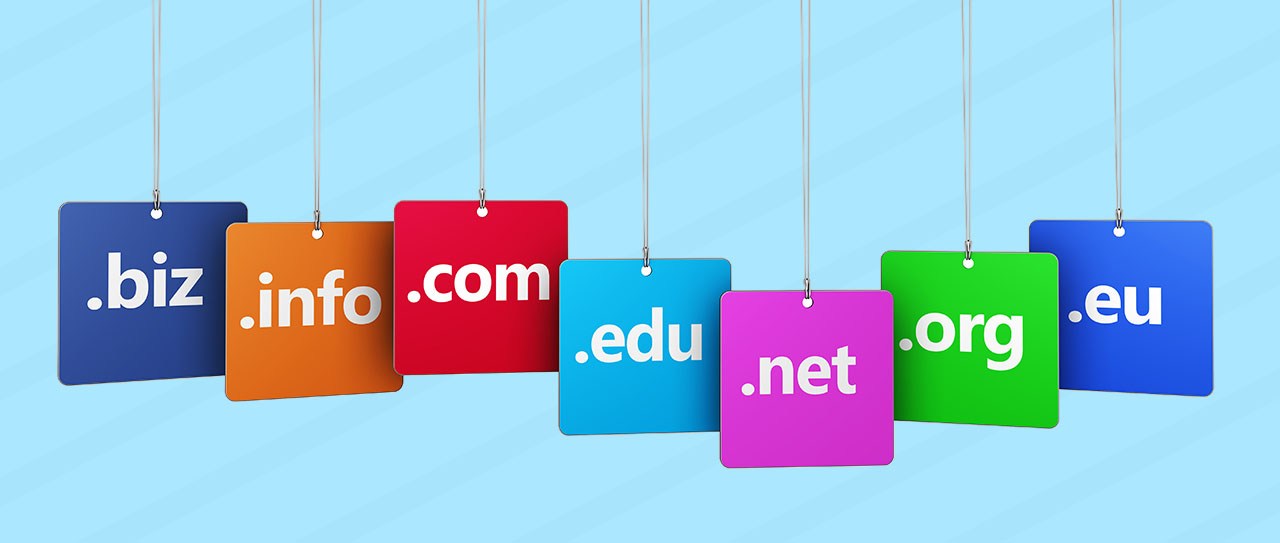
A domain extension is the ending that appears after the final dot in a web address. Common examples include .com, .org, .net, and country-specific extensions such as .in. Different extensions can communicate different things about a website, although their meaning is not always fixed. Your choice should reflect your audience, business model, geographic focus, and available budget.
The .com extension remains a familiar option for many commercial websites because it is widely recognized by internet users. However, a desirable .com domain may already belong to someone else, making alternative extensions worth considering. An Indian business serving primarily Indian customers might consider .in, while an organization may find .org suitable for its identity. Other industry-related extensions can also be useful when they are recognizable and appropriate for the brand.
| Domain extension | Common use | Important consideration |
|---|---|---|
| .com | Businesses, blogs, and commercial websites | Familiar to a broad audience, but popular names may be unavailable |
| .in | Businesses and websites targeting India | Can reinforce a connection with the Indian market |
| .org | Organizations, communities, and nonprofit projects | Often associated with organizational or community-focused websites |
| .net | Technology businesses and general websites | Can work well when the preferred name is unavailable elsewhere |
| Industry-specific extensions | Relevant businesses, creators, or professional services | Suitability depends on audience familiarity and brand goals |
Do not select an extension solely because it is inexpensive or unusual. Consider whether visitors will recognize it, whether it suits your website’s purpose, and whether it could create confusion with another established brand. If your audience expects a familiar extension, choosing a less recognizable alternative may require additional explanation. The extension should support your identity rather than become an obstacle to remembering your website.
Consider Keywords Without Sacrificing Branding
Keywords can help communicate what a website is about, but they should not determine every part of your domain name. For example, a photography business might incorporate a relevant word associated with photography, while a software company could choose a name that suggests technology or productivity. This approach can make the website’s purpose easier to understand, especially when the brand is new and unfamiliar to potential visitors.

However, filling a domain with several search terms is rarely a good branding strategy. A name such as AffordableBestWebsiteDesignServicesOnline may describe a service, but it is difficult to remember and can appear generic. A more distinctive name can create a stronger identity while allowing the website’s pages, headings, and content to communicate its specific services. Search visibility depends on many factors, including content usefulness, website quality, relevance, and overall search experience. Including a keyword in a domain does not automatically guarantee higher rankings.
The best approach is to balance relevance with originality. If a keyword fits naturally into a short, brandable name, it may be worth using. If including it makes the domain awkward or restrictive, prioritize clarity and memorability instead. Your domain should help people recognize your brand, while your website content explains what you offer.
Make Sure Your Domain Is Easy to Type and Pronounce
A domain name may look attractive on a screen but still cause problems when people try to type it. Unusual spellings, repeated letters, complicated abbreviations, and confusing word combinations can increase the likelihood of mistakes. These problems become more noticeable when users hear your brand mentioned in a podcast, video, phone conversation, or offline advertisement.
When evaluating how to choose a domain name, imagine someone hearing it once and attempting to visit your website immediately. Could they spell it correctly without asking for clarification? Does the name sound different from another familiar word? Could someone misunderstand where one word ends and another begins? These questions help identify potential issues before you register the domain.
Hyphens and numbers deserve particular attention. Although they are permitted in many domain names, they can make verbal communication more complicated. A visitor may not know whether a number should be written as a digit or a word, while a hyphen may be forgotten when typing the address. There are situations where numbers or hyphens are meaningful to a brand, but unnecessary characters generally add complexity without providing much value.
Check Brand Availability and Potential Conflicts
Finding an available domain does not automatically mean you have the right to use its name as a brand. Another company may already operate under a similar name, own a relevant trademark, or have established recognition in your industry. Choosing a confusingly similar name can create legal disputes, damage customer trust, and force you to change your identity after investing time and money in your website.
Before registering a domain, search for the proposed name across search engines, business directories, and major social media platforms. Check whether similar businesses operate in your market and whether their names could be confused with yours. If your project is intended to become a serious commercial brand, investigate relevant trademark databases and consider professional legal advice when a potential conflict appears. Trademark rights vary by jurisdiction, so a name that seems available in one location may still present risks elsewhere.
Also consider how the name appears visually. A combination of words may look harmless when separated but resemble another word or established brand when written together. Check spelling variations and common typing mistakes, especially if your domain is likely to be shared verbally. These checks cannot eliminate every possible risk, but they can help you make a more informed decision before committing to a name.
Think About Future Growth and Audience Expansion
A domain name should support your current plans without unnecessarily restricting your future opportunities. Many websites begin with a narrow focus and gradually expand as their owners gain experience, understand their audience, or discover new revenue opportunities. A blog about website design might eventually publish broader digital marketing advice, while a local business could introduce additional products or serve customers in other regions.

A highly specific domain can be useful when specialization is central to your identity. However, it may become limiting if you later want to enter related markets. For example, a brand built around a single product category may struggle to communicate a broader collection of services under the same name. A more flexible identity can accommodate expansion without requiring a complete rebrand.
This does not mean every domain should be broad or abstract. The goal is to find a name that reflects your current purpose while allowing realistic growth. Consider your plans for the next three to five years, including new services, products, geographic markets, and audience groups. If the name remains relevant under those scenarios, it is more likely to serve your website well over time.
Avoid These Common Domain Name Mistakes
Even a promising domain can create problems when its owner overlooks practical details. One common mistake is choosing a name simply because it is available. Availability is only the starting point; the domain must also fit your audience, reflect your identity, and be easy to communicate. Another mistake is following trends too closely. Trend-driven words may appear modern today but could feel outdated when your business evolves.
Before finalizing your decision, review these important checks:
- Avoid unnecessarily long names, complicated spellings, and confusing abbreviations.
- Do not imitate established brands or ignore potential trademark conflicts.
- Check renewal pricing and registration conditions rather than focusing only on introductory offers.
- Review the name across mobile screens, social profiles, advertisements, and spoken conversations.
- Avoid choosing an extension that conflicts with your intended audience or website purpose.
Another overlooked issue is domain ownership management. Registering a domain requires attention to renewal dates, account security, and accurate contact information. Losing access to the account or allowing a registration to expire can interrupt your website and business communications. Use a reputable registrar, enable available security protections, and keep renewal arrangements up to date. If your website becomes important to your business, these administrative details are just as valuable as choosing an attractive name.
Compare Your Best Options Before Registering
Rather than committing to the first available idea, create a shortlist of three to five potential names. Compare them using consistent criteria, including clarity, memorability, brand relevance, extension suitability, legal considerations, and long-term flexibility. This process makes the decision more objective and helps prevent personal preference from overshadowing practical concerns.
You can also ask a few people who represent your intended audience to evaluate the names. Give them each option without providing a detailed explanation and ask what kind of website they expect to find. Their responses can reveal whether a name communicates the intended message or creates an unexpected impression. Ask them to recall the names after a short break as well. A name that remains memorable without repeated exposure may have an advantage over one that requires constant reminders.
Once you have identified the strongest candidate, check its availability with a domain registrar and review the full registration cost. Pay attention to renewal fees, privacy options, transfer conditions, and any additional services included in the purchase. If the domain is central to a business identity, consider whether relevant social media usernames are also available. Consistent naming across platforms can make your brand easier to recognize, although you should avoid purchasing unnecessary services simply because they are offered during checkout.
Conclusion
Learning how to choose a domain name is about more than finding an available web address. It involves creating a recognizable online identity that fits your website’s purpose, communicates effectively with your audience, and supports your future goals. A strong domain is generally easy to remember, simple to spell, appropriate for your brand, and flexible enough to accommodate realistic changes in your business or content strategy. The most effective choice balances creativity with practical considerations. Select a suitable extension, use keywords only when they fit naturally, investigate possible brand conflicts, and evaluate how the name sounds when spoken aloud. Before registering it, compare several alternatives and consider how each one might perform across different platforms and marketing channels. Do not rush the process simply because you want to launch your website quickly.