

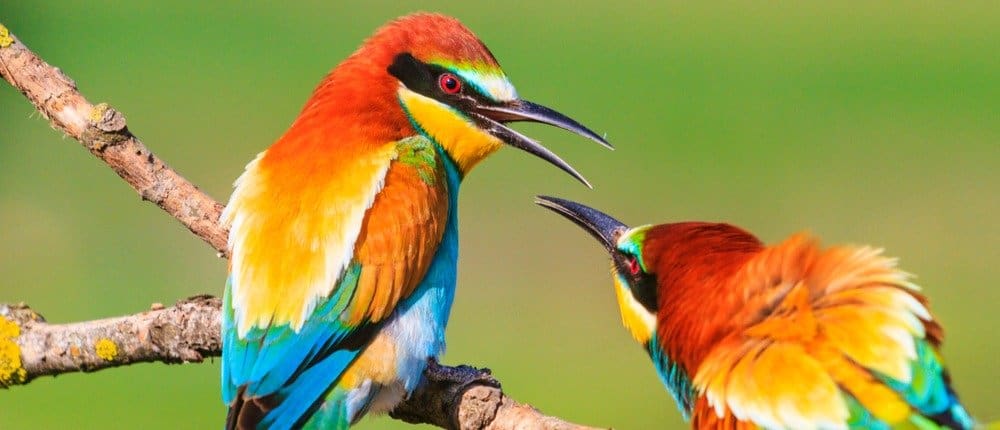

Birds are among the most fascinating animals found in almost every part of the world. They live in forests, gardens, wetlands, deserts, mountains, farms, cities, and even near busy roads. Their ability to fly, colorful feathers, distinctive calls, and different feeding habits make them an important part of nature. From the familiar sparrow sitting near a window to the powerful eagle flying above mountains, every bird has characteristics that make it unique. Learning about birds name is a simple and enjoyable way for children, students, nature lovers, and families to understand the variety of birdlife around them.
Birds also play an important role in maintaining healthy ecosystems. Some birds spread seeds, while others help control insect populations or clean up remains of animals. Different species have developed specialized beaks, feet, wings, and feathers according to the environments in which they live. Understanding these differences makes bird identification easier and helps people appreciate the natural world. Whether someone is creating a school project, learning vocabulary, or simply becoming interested in wildlife, knowing different birds name can be a useful starting point.
What Makes Birds Different From Other Animals?
Birds belong to a group of animals known for feathers, beaks, wings, and the ability to lay eggs. Although most birds can fly, not every bird uses flight as its primary form of movement. Ostriches, penguins, emus, and kiwis are examples of birds that cannot fly in the traditional sense. Their bodies have adapted to their particular environments, showing how diverse bird species can be.
Feathers are one of the most recognizable features of birds. They provide insulation, help with flight, and can also be used for communication and attracting mates. A bird’s beak is another important adaptation. Seed-eating birds often have strong, compact beaks, while birds that eat nectar may have long, narrow beaks. Birds of prey generally have curved, powerful beaks designed for tearing food. These physical differences provide useful clues when identifying birds name in the wild.
Common Birds and Their Characteristics
There are thousands of bird species worldwide, ranging from tiny hummingbirds to enormous flightless birds. Some species are commonly seen around human settlements, while others spend most of their lives in remote forests, wetlands, or oceans. The following table introduces several familiar birds and some of their basic characteristics.
| Bird | Common Habitat | Typical Food | Distinctive Feature |
|---|---|---|---|
| Sparrow | Cities, gardens, villages | Seeds and insects | Small body and short beak |
| Pigeon | Cities and buildings | Seeds and grains | Strong flying ability |
| Parrot | Forests and tropical areas | Fruits, seeds, nuts | Curved beak and bright feathers |
| Peacock | Forest edges and open areas | Seeds, plants, insects | Large decorative tail |
| Eagle | Mountains, forests, open land | Fish and small animals | Powerful talons and eyesight |
| Owl | Forests, farms, urban areas | Rodents and small animals | Excellent night vision |
| Crow | Cities, farms, forests | Insects, grains, fruits | High intelligence and adaptability |
| Duck | Lakes, ponds, wetlands | Plants, insects, small aquatic organisms | Webbed feet |
| Flamingo | Wetlands and shallow lakes | Algae and small aquatic organisms | Long legs and pink coloration |
| Penguin | Coastal polar regions | Fish and marine animals | Flightless body adapted for swimming |
Popular Birds Found Around the World
Sparrow
The sparrow is one of the most familiar small birds in many urban and rural environments. It can often be seen around houses, gardens, markets, and agricultural areas. Sparrows usually feed on seeds, grains, and small insects. Their small size allows them to move quickly through trees, bushes, and buildings.
Sparrows have historically lived close to people because human settlements provide food and nesting opportunities. Their simple appearance can make them easy to overlook, but their behavior and adaptability are fascinating. For young learners making a list of birds name, the sparrow is often one of the easiest birds to recognize.
Pigeon
Pigeons are highly adaptable birds that have become a common sight in cities across the world. They frequently build nests on buildings, bridges, rooftops, and other structures. Their strong wings allow them to navigate busy urban environments effectively.
Pigeons mainly eat grains and seeds, although their diet can vary depending on their surroundings. Their ability to find their way across familiar landscapes has also attracted scientific interest. Their close association with human settlements makes them one of the most recognizable entries among common birds name.
Parrot
Parrots are famous for their colorful feathers, curved beaks, and remarkable ability to imitate sounds. Many parrot species live in tropical and subtropical regions, especially in forests. They commonly feed on fruits, seeds, nuts, flowers, and other plant materials.
Their strong beaks help them break open hard seeds and nuts. Some species are highly social and live in groups, communicating with a variety of calls. Because of their attractive appearance and intelligence, parrots are among the most popular birds known to people around the world.
Peacock
The peacock is well known for its spectacular tail feathers. During courtship displays, the male spreads these feathers into a large, colorful fan. The patterns on the feathers make the display particularly striking and have made the peacock a familiar symbol of beauty.
Peafowl generally live in forests, grasslands, agricultural landscapes, and areas close to water. They eat seeds, plants, fruits, insects, and other small food items. Their distinctive appearance makes them particularly interesting for children learning birds name and their identifying characteristics.
Birds of Prey and Their Remarkable Abilities
Birds of prey are specialized hunters that include eagles, hawks, falcons, and some other species. They generally have powerful feet with sharp talons and strong, curved beaks. These features help them capture and consume prey efficiently. Many species also have excellent eyesight, allowing them to detect movement from considerable distances.
Eagles are among the best-known birds of prey. They can be found in a variety of habitats, including mountains, forests, grasslands, and areas near rivers and lakes. Falcons are also notable for their speed and aerial maneuverability. Owls differ from many daytime hunters because numerous owl species are active primarily at night. Their ability to fly quietly and locate prey in low-light conditions makes them particularly specialized hunters.
Water Birds and Their Adaptations
Water birds live in environments such as lakes, rivers, marshes, ponds, coastal areas, and wetlands. Ducks are familiar examples, using their webbed feet to move efficiently through water. Many ducks have broad bills that help them collect food from aquatic environments.
Flamingos are another distinctive group of water birds. Their long legs allow them to move through shallow water, while their specialized bills help them obtain food. Their pink coloration is associated with pigments in their diet. Herons, pelicans, swans, and many other species also depend heavily on aquatic habitats.
Wetlands are especially important for birds because they provide food, nesting areas, shelter, and places to rest during migration. Learning about these species demonstrates why protecting natural water environments is essential for maintaining bird populations.
Birds That Cannot Fly
Flight is strongly associated with birds, but some species have evolved without the ability to fly. Ostriches are among the largest living birds and are known for their long legs and remarkable running ability. Emus are another large flightless bird, native to Australia.
Penguins are also flightless, but their bodies are highly adapted for swimming. Their wings have evolved into flipper-like structures that help them move through water. Kiwis, which are native to New Zealand, are small flightless birds with distinctive long bills. These examples show that bird evolution can produce very different physical forms depending on environmental demands.
How to Identify Different Birds
Identifying a bird does not always require expert knowledge. Paying attention to several basic characteristics can make the process much easier. Size, body shape, feather colors, beak structure, leg length, flight pattern, habitat, and vocal sounds can all provide useful clues. A bird sitting near a pond will often have different adaptations from one commonly found in a dry grassland.
Bird behavior can also be an important identification tool. Some species move in large flocks, while others are usually solitary. Certain birds spend much of their time on the ground, whereas others remain high in trees. Beginners can start by observing birds from a safe distance and comparing their physical characteristics.
When learning birds name, it is useful to organize species into groups rather than trying to memorize hundreds of names at once. For example, learners can begin with garden birds, water birds, birds of prey, forest birds, and flightless birds. This makes learning more organized and helps connect each species with its habitat and behavior.
Why Birds Are Important to the Environment
Birds contribute to ecosystems in many different ways. Fruit-eating species can transport seeds from one location to another, helping plants spread naturally. Insect-eating birds can reduce populations of insects, while birds of prey can help regulate populations of smaller animals. Scavenging birds also contribute to the natural removal of animal remains.
Birds are also useful indicators of environmental changes. Changes in bird numbers, migration patterns, breeding activity, or habitat use can sometimes reveal changes in ecosystems. For this reason, scientists and conservation groups regularly monitor bird populations. Protecting forests, wetlands, grasslands, and coastal environments therefore benefits not only birds but many other forms of wildlife.
Interesting Facts About Birds
Birds have many abilities that continue to attract scientific interest. Some species travel thousands of kilometers during migration, navigating between breeding and feeding areas. Other birds have impressive memory skills and can recognize locations, individuals, or food sources. Certain species communicate using complex combinations of calls and body movements.
A few interesting examples include:
- Hummingbirds can hover in place while feeding on flowers.
- Owls have specialized feathers that can reduce the sound produced during flight.
- Penguins use their wings as flippers when swimming.
- Crows and some related birds are known for sophisticated problem-solving behavior.
- Albatrosses can spend long periods traveling over the ocean.
These examples demonstrate that birds are not simply flying animals. They represent a remarkably diverse group with specialized adaptations for survival.
How Children Can Learn Birds Name Easily
Learning bird vocabulary can be both educational and enjoyable for children. Instead of memorizing long lists, children can observe birds in gardens, parks, school grounds, or from windows. Pictures, nature books, educational activities, and supervised outdoor observation can make learning more memorable.
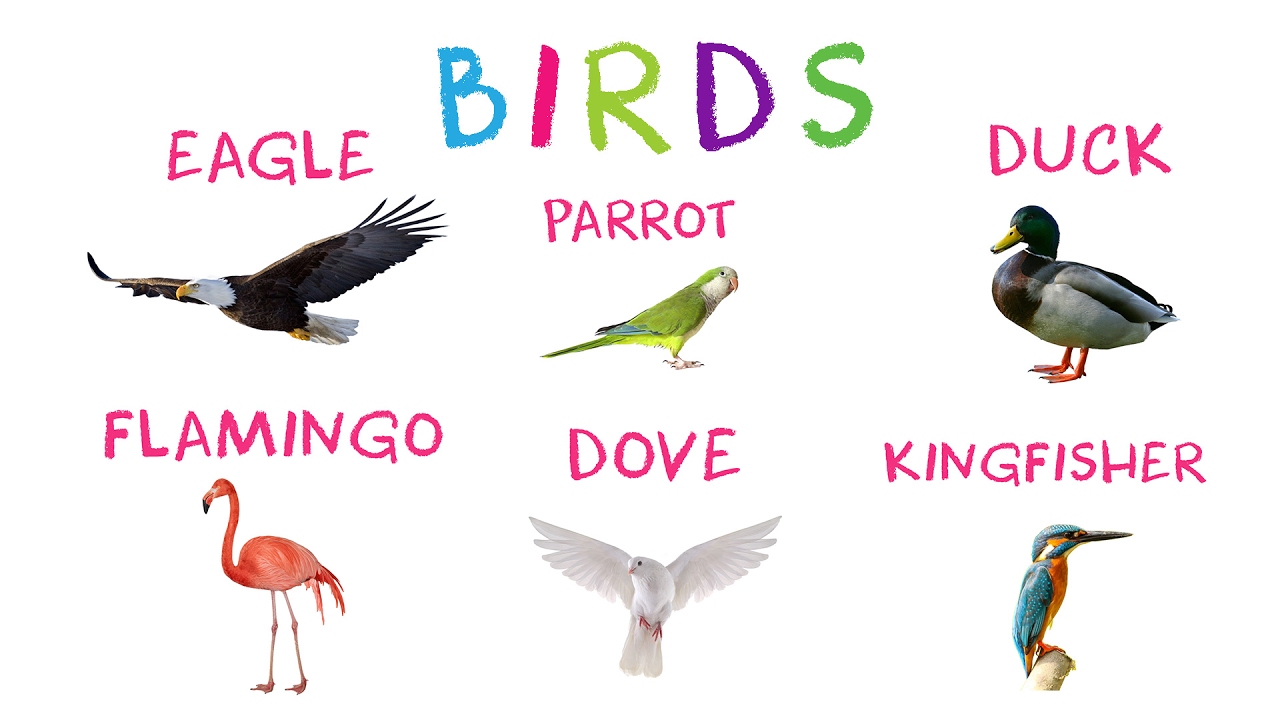
A simple approach is to begin with five to ten familiar species and gradually add new ones. Children can record the bird’s appearance, habitat, food, and behavior in a notebook. This turns vocabulary learning into a practical nature activity. Over time, recognizing birds name becomes easier because children associate each name with a real physical appearance and behavior.
Protecting Birds and Their Habitats
Bird conservation begins with protecting the environments birds depend on. Trees, wetlands, grasslands, coastal areas, and clean water sources provide essential resources for different species. Habitat destruction, pollution, changes in food availability, and other environmental pressures can affect bird populations.
People can contribute to bird-friendly environments through simple responsible actions. Planting suitable native vegetation, keeping outdoor areas free from harmful waste, and protecting natural habitats can provide valuable support for local wildlife. Responsible observation is also important. Birds should be watched from a suitable distance without disturbing nests, eggs, or feeding areas.
Conclusion
Birds are an incredibly diverse group of animals with specialized adaptations that allow them to survive in almost every type of environment. From tiny sparrows and colorful parrots to powerful eagles, graceful flamingos, and swimming penguins, every species offers something interesting to discover. Understanding birds name is therefore more than memorizing vocabulary; it is an opportunity to learn about habitats, ecosystems, animal behavior, and biodiversity.