

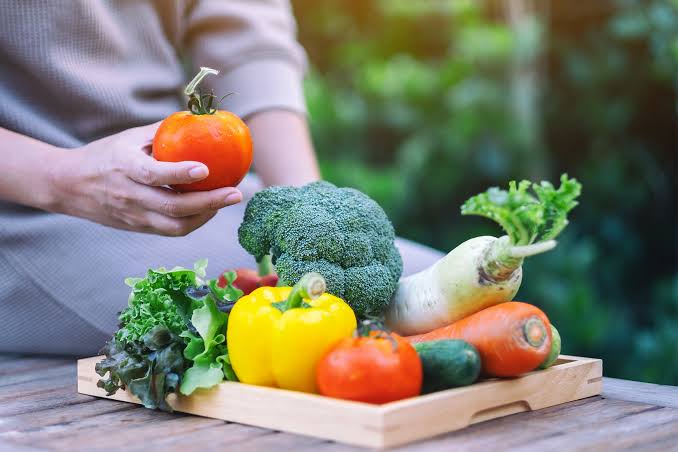

Knowing different vegetables name is useful for children, students, parents, cooks, and anyone trying to build healthier everyday meals. Vegetables are among the most versatile foods available, appearing in everything from simple home-cooked dishes and salads to soups, curries, sandwiches, and international cuisines. They come in many colors, shapes, textures, and flavors, making it possible to create varied meals without relying on the same ingredients every day.
Vegetables also provide important nutrients such as dietary fiber, vitamins, minerals, and various naturally occurring plant compounds. Their nutritional profiles differ considerably, which is why eating a variety of vegetables can be more useful than concentrating on only one or two favorites. Leafy greens, root vegetables, cruciferous vegetables, gourds, beans, and colorful vegetables can all contribute something different to a balanced eating pattern.
For learners, understanding vegetables name is also a simple way to expand vocabulary and improve knowledge of food groups. For adults, a broader understanding of vegetables can make grocery shopping and meal planning easier. From familiar potatoes and tomatoes to less commonly used vegetables such as turnips, asparagus, and zucchini, there is a wide range to explore.
What Are Vegetables?
Vegetables are edible parts of plants that are commonly used as food. Depending on the plant, the edible portion may be a root, stem, leaf, flower, bulb, or immature fruit. In everyday cooking, foods are generally grouped according to how they are prepared and eaten rather than strictly according to botanical classification. This is why tomatoes, for example, are commonly treated as vegetables in kitchens even though they are botanically fruits.

The variety found among vegetables name makes them especially valuable in cooking. Root vegetables can add sweetness and substance to meals, leafy vegetables can provide freshness and texture, while vegetables such as capsicum, carrots, and tomatoes can add color and flavor. Some vegetables are commonly eaten raw, whereas others are usually cooked to improve their texture, flavor, or suitability for particular recipes.
Common Vegetables and Their Names
There are hundreds of vegetables consumed around the world, but certain varieties are especially common in everyday meals. Potatoes, onions, tomatoes, carrots, cabbage, cauliflower, spinach, peas, beans, cucumber, eggplant, okra, radish, beetroot, and pumpkin are familiar in many households. Their availability may vary by region and season, but they remain important ingredients in many traditional and modern cuisines.
The following table gives a quick overview of some commonly used vegetables and the plant part generally eaten.
| Vegetable | Commonly Eaten Part | Typical Uses |
|---|---|---|
| Potato | Tuber | Curries, fries, soups, mashed dishes |
| Carrot | Root | Salads, soups, curries, snacks |
| Spinach | Leaves | Curries, soups, sautés |
| Cauliflower | Flowering head | Curries, roasting, stir-fries |
| Onion | Bulb | Curries, salads, sauces |
| Cabbage | Leaves | Stir-fries, salads, soups |
| Radish | Root | Salads, curries, pickles |
| Beetroot | Root | Salads, juices, cooked dishes |
| Okra | Immature pod | Curries, stir-fries |
| Pumpkin | Fruit | Soups, curries, baked dishes |
| Peas | Seeds | Curries, rice dishes, soups |
| Cucumber | Fruit | Salads, raita, sandwiches |
This list represents only a small selection of the many vegetables name varieties available. Different regions have their own traditional vegetables, and seasonal produce can introduce even more choices throughout the year.
Different Types of Vegetables
Root Vegetables
Root vegetables grow underground and are valued for their distinctive textures and flavors. Carrots, radishes, turnips, beetroot, sweet potatoes, and similar vegetables are examples. Many root vegetables can be roasted, boiled, steamed, added to soups, or incorporated into curries. Their natural flavors can range from earthy and mild to sweet and peppery.
Root vegetables are also convenient ingredients because several varieties can be stored for relatively long periods when kept under suitable conditions. Carrots can be used in salads and cooked dishes, while beetroot can contribute a naturally vibrant color to meals. Sweet potatoes are frequently roasted or boiled and can also be incorporated into a range of savory recipes.
Leafy Green Vegetables
Leafy greens include spinach, fenugreek leaves, mustard greens, lettuce, kale, and other edible leaves. They are often used in salads, soups, stir-fries, curries, and cooked vegetable dishes. Their texture and flavor vary considerably, from delicate lettuce to stronger-tasting mustard greens.
Leafy vegetables are particularly useful for adding variety to meals because they can be prepared in many ways. Fresh leaves can form the foundation of a salad, while sturdier greens can be cooked with spices, grains, legumes, or other vegetables. Washing leafy produce thoroughly and storing it properly can also help maintain quality.
Cruciferous Vegetables
Cruciferous vegetables include cabbage, cauliflower, broccoli, Brussels sprouts, and related varieties. They are recognized by their distinctive structures and are popular in many cuisines. They can be steamed, roasted, stir-fried, added to soups, or combined with sauces and spices.
Cauliflower and broccoli, for example, can be roasted until lightly browned to develop a deeper flavor. Cabbage can be used in salads, stir-fries, stuffed dishes, and traditional regional preparations. Their versatility makes this vegetable group useful for people who want to introduce more variety into familiar meals.
Gourds and Squash
Gourds and squash are widely used in South Asian cooking and many other culinary traditions. Bottle gourd, bitter gourd, ridge gourd, ash gourd, pumpkin, and zucchini are examples of vegetables in this broad cooking category. Their textures range from soft and watery to firm and dense.
These vegetables can be particularly useful in warm-weather meals because many contain substantial water content. Depending on the variety, they can be cooked with lentils, spices, herbs, grains, or other vegetables. Pumpkin can also be roasted or turned into soup, while zucchini works well in grilled and sautéed preparations.
Why Eating a Variety of Vegetables Matters
A varied diet can provide a broader range of nutrients and plant compounds than a diet based on only a few foods. Different vegetables naturally contain different combinations of vitamins, minerals, fiber, and other compounds. For example, leafy greens can contribute folate and vitamin K, while orange-colored vegetables such as carrots and pumpkin contain carotenoids.
This does not mean that every meal needs to contain a large number of vegetables. Instead, variety can be built gradually across the week. Someone might include leafy greens in one meal, carrots or beetroot in another, and cauliflower, peas, beans, or pumpkin in later meals. This approach makes healthy eating more practical and prevents meals from becoming repetitive.
The range of vegetables name options also makes it easier to adapt meals to personal tastes and local availability. If one vegetable is expensive or unavailable during a particular season, another can often be substituted without completely changing the meal.
Nutritional Value of Common Vegetables
Vegetables can contribute fiber, vitamins, minerals, and other beneficial plant compounds to the diet. However, nutritional content differs considerably among varieties and can also be affected by preparation methods. Boiling, steaming, roasting, frying, and eating raw can produce different textures and may influence the amount of certain nutrients retained.
Fiber is particularly important because it contributes to normal digestive function and can help make meals more filling. Vegetables with different colors can also add visual variety while supplying different naturally occurring plant compounds. A practical approach is to combine several vegetable types rather than searching for a single vegetable that provides everything.
It is also worth remembering that vegetables are one part of an overall diet. Whole grains, pulses, fruits, nuts, seeds, dairy or suitable alternatives, and adequate sources of protein can complement vegetables in balanced meals.
How to Include More Vegetables in Daily Meals
Increasing vegetable intake does not necessarily require complicated recipes. Small changes can make vegetables a regular part of breakfast, lunch, dinner, and snacks. For example, chopped vegetables can be added to an omelet, sandwich, wrap, rice dish, or savory breakfast. A simple mixed vegetable preparation can also accompany a meal without requiring extensive cooking.
Meal planning can make this easier. When several vegetables are washed, trimmed, and stored appropriately, preparing meals during a busy week becomes more convenient. Frozen vegetables can also be useful when fresh produce is unavailable or when reducing food waste is a priority.
Some simple approaches include:
- Add chopped vegetables to soups, curries, rice, or pasta.
- Keep washed salad vegetables ready for quick meals.
- Combine different colors and textures instead of relying on one vegetable.
- Try a seasonal vegetable that is not normally part of the household menu.
Raw Versus Cooked Vegetables
Whether vegetables should be eaten raw or cooked depends on the vegetable, the recipe, personal preference, and food safety considerations. Cucumbers, carrots, tomatoes, and some leafy vegetables are commonly eaten raw, while potatoes and many other vegetables are generally cooked before consumption.
Cooking can soften vegetables, improve their flavor, and make certain dishes easier to digest. Methods such as steaming, roasting, and quick sautéing can preserve appealing textures without requiring excessive cooking time. Deep-frying can change the nutritional profile substantially because the vegetable absorbs added fat, so preparation method is an important part of the overall meal.
Using several cooking methods can keep meals interesting. A person might enjoy raw cucumber and carrot in a salad, roasted cauliflower with dinner, and cooked spinach in a traditional dish. This flexibility is one reason vegetables can fit into so many different eating patterns.
Seasonal and Local Vegetable Choices
Seasonality can influence the taste, price, availability, and quality of vegetables. Locally available produce may be easier to purchase regularly, while seasonal varieties can offer an opportunity to experiment with foods that are at their natural peak. Farmers’ markets, local shops, supermarkets, and household gardens can all provide different options depending on location.
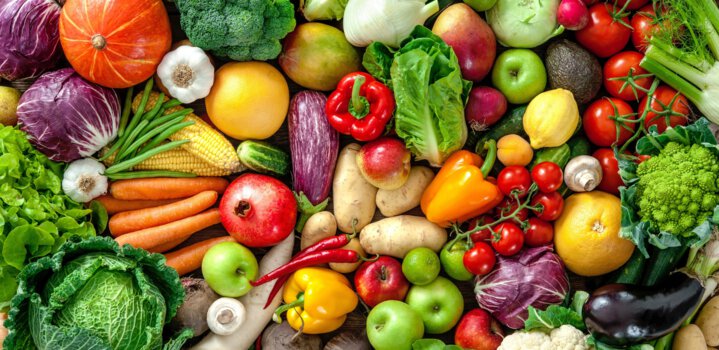
Choosing seasonal vegetables can also encourage people to vary their meals throughout the year. Instead of purchasing exactly the same produce every week, households can rotate ingredients based on what is readily available. This makes the concept of vegetables name more practical because it connects vocabulary with real-world food choices.
Proper storage is equally important. Some vegetables require refrigeration, while others are better stored in cool, dry conditions. Keeping produce appropriately can help maintain freshness and reduce unnecessary food waste.
Vegetables for Children and Students
Learning vegetables name can be an engaging educational activity for young children and students. Teachers and parents can introduce vegetables using pictures, real ingredients, simple games, and meal-based examples. Learning both common names and recognizing the actual vegetables can improve vocabulary while introducing children to different foods.
For older students, vegetables can become part of lessons about nutrition, agriculture, biology, geography, and food culture. Comparing vegetables from different regions can demonstrate how climate and farming practices influence what people eat. Simple activities such as organizing vegetables by color or plant part can also make learning more interactive.
Encouraging children to become familiar with different vegetables does not mean forcing them to eat every variety immediately. Repeated, positive exposure and involvement in age-appropriate food preparation can help make unfamiliar vegetables less intimidating.
Tips for Choosing Fresh Vegetables
Freshness is an important consideration when purchasing produce. Appearance alone does not always tell the complete story, but obvious signs of spoilage, excessive softness, unpleasant odors, or significant damage may indicate that a vegetable is no longer suitable.
When shopping, consider these basic practices:
- Choose produce appropriate for the intended meal and storage time.
- Look for vegetables with a firm, fresh appearance where appropriate.
- Avoid produce showing obvious mold, severe damage, or spoilage.
- Store different vegetables according to their specific storage requirements.
Buying reasonable quantities can also reduce waste. Purchasing large amounts simply because a vegetable is on sale may not be economical if the produce is unlikely to be consumed before it deteriorates.
Conclusion
Understanding different vegetables name varieties is more than a vocabulary exercise. It provides a practical foundation for discovering new foods, planning varied meals, understanding plant-based ingredients, and making everyday cooking more interesting. From familiar potatoes, onions, and carrots to leafy greens, gourds, cruciferous vegetables, and seasonal produce, each type offers its own characteristics and culinary possibilities. A balanced approach is to focus on variety rather than searching for one perfect vegetable. Combining different colors, textures, plant parts, and preparation methods can make meals more enjoyable while contributing useful nutrients and dietary fiber. Learning about vegetables name also encourages children and adults to become more familiar with the foods available in their local markets and kitchens.