

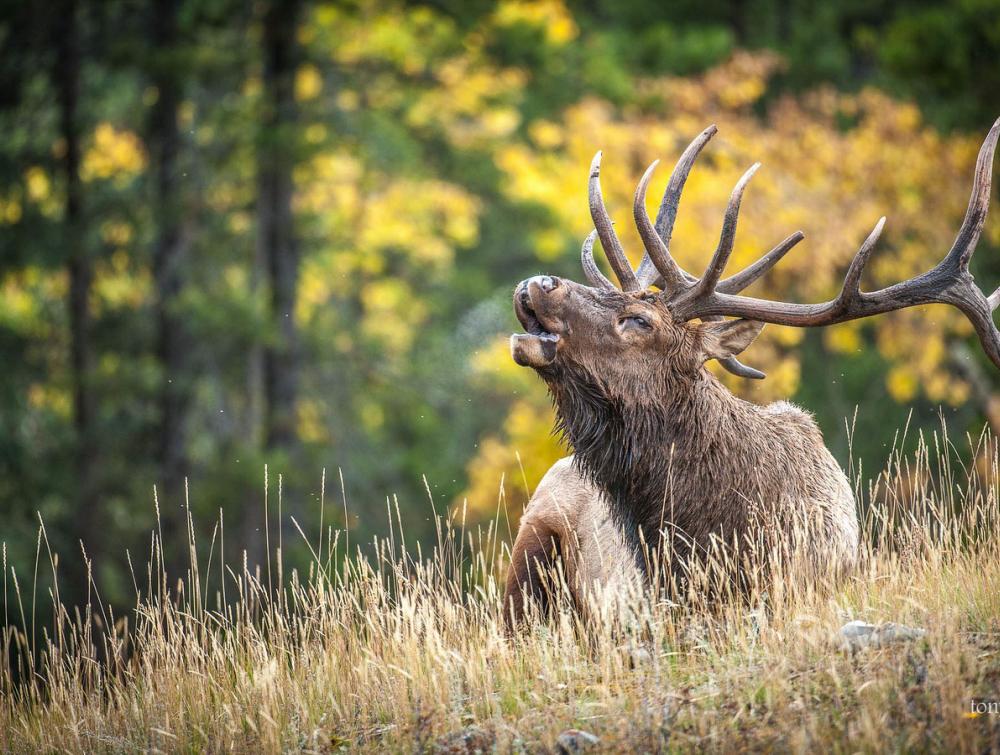

Animals are an essential part of the natural world, contributing to the balance of ecosystems and supporting life on Earth in countless ways. From tiny ants moving across the ground to enormous elephants roaming grasslands, every animal has unique characteristics, behaviors, and survival strategies. Learning about different animals helps children, students, teachers, and nature enthusiasts understand biodiversity and appreciate the remarkable variety of life around them. Whether someone is preparing a school assignment, improving their vocabulary, or exploring wildlife, knowing animal names is a useful starting point for understanding the animal kingdom.
An animals name can reveal useful information about a creature’s identity, appearance, behavior, or relationship with its environment. Animals live in forests, deserts, mountains, grasslands, oceans, rivers, wetlands, and even cities. Some are domesticated and live alongside humans, while others survive independently in the wild. Each species has evolved different adaptations that help it find food, avoid predators, reproduce, and respond to changing environmental conditions. Exploring animal names by category makes it easier to recognize these differences and learn how living creatures interact with their surroundings.
What Are Animals?
Animals are living organisms that belong to the biological kingdom Animalia. Most animals consume other organisms for energy, respond to their surroundings, and possess specialized structures that help them move, feed, or reproduce. Their bodies range from simple forms found in certain aquatic environments to highly complex structures containing organs, tissues, and nervous systems. Animals also differ considerably in size, lifespan, intelligence, and social behavior.
Scientists classify animals into groups according to shared characteristics and evolutionary relationships. For example, mammals generally have hair or fur and feed their young with milk, while birds have feathers and beaks. Reptiles typically have scaly skin, and amphibians often spend different stages of their lives in water and on land. Fish are adapted to aquatic environments, while insects possess six legs and three main body sections. Understanding these categories provides a practical foundation for learning about wildlife and recognizing the diversity of animal life.
Common Animals Name List With Examples
Many animals are familiar because they live near human settlements, appear in educational materials, or are frequently seen in wildlife documentaries. Domestic animals such as dogs, cats, cows, goats, sheep, and horses have important relationships with people. Wild animals such as lions, tigers, elephants, deer, bears, and foxes occupy different ecological roles.
The following table provides examples of common animals, their broad classifications, and the environments in which they are commonly found.
| Animal name | Animal group | Typical habitat |
|---|---|---|
| Lion | Mammal | Grasslands and savannas |
| Elephant | Mammal | Forests and grasslands |
| Dog | Mammal | Human settlements |
| Cat | Mammal | Homes and urban areas |
| Eagle | Bird | Mountains, forests, and open country |
| Penguin | Bird | Southern Hemisphere coastal regions |
| Crocodile | Reptile | Rivers, lakes, and wetlands |
| Turtle | Reptile | Land, freshwater, or oceans |
| Frog | Amphibian | Wetlands and moist habitats |
| Salmon | Fish | Rivers and marine environments |
| Dolphin | Marine mammal | Oceans and some rivers |
| Butterfly | Insect | Gardens, meadows, and forests |
These examples show that animals cannot be understood through appearance alone. Two creatures may look similar but belong to different biological groups. Dolphins, for instance, live in water but are mammals rather than fish. Penguins are birds even though they cannot fly, and bats are mammals despite their ability to fly. Classification helps explain these differences more accurately.
Different Types of Animals
1. Mammals
Mammals are warm-blooded vertebrates characterized by features such as hair or fur and mammary glands that produce milk for their young. Most mammals give birth to live offspring, although a few, including the platypus and echidnas, lay eggs. Mammals occupy nearly every major habitat, from tropical rainforests and dry deserts to cold polar regions and deep ocean waters.
Examples of mammals include lions, tigers, elephants, giraffes, zebras, monkeys, rabbits, wolves, bears, whales, dolphins, and humans. Each species has particular adaptations suited to its environment. Camels can tolerate dry conditions, while polar bears possess thick fur and insulating body fat. Whales have streamlined bodies that support efficient movement through water. These differences demonstrate how mammals have adapted to an extraordinary range of ecological conditions.
2. Birds
Birds are vertebrates recognized by their feathers, beaks, and egg-laying reproduction. Most species can fly, but some, including ostriches, emus, and penguins, are flightless. Their wings, feathers, and lightweight skeletal structures support different forms of movement, while their beaks vary according to feeding habits. Some birds eat seeds, others catch insects, and certain species hunt fish or small mammals.
Common bird names include sparrow, pigeon, crow, parrot, eagle, owl, peacock, flamingo, duck, swan, and kingfisher. Birds contribute to ecosystems by pollinating flowers, dispersing seeds, controlling insect populations, and scavenging dead animals. Migratory species also connect distant habitats through their seasonal journeys. Protecting nesting sites, wetlands, forests, and other feeding areas is important for maintaining healthy bird populations.
3. Reptiles
Reptiles are vertebrates that generally have scaly skin and depend on external environmental heat to regulate their body temperature. Most lay eggs, although some species give birth to live young. Reptiles include snakes, lizards, crocodiles, alligators, tortoises, and turtles. They occupy deserts, forests, wetlands, grasslands, freshwater habitats, and marine environments.
Different reptiles use specialized adaptations to survive. Snakes may swallow prey whole, chameleons can change color for communication and other functions, and crocodiles have powerful jaws suited to catching prey. Turtles possess protective shells, although shell shape and structure differ between species. Reptiles help regulate populations of insects, rodents, fish, and other organisms. Their survival can be threatened by habitat destruction, pollution, illegal wildlife trade, and accidental encounters with humans.
4. Amphibians
Amphibians are vertebrates that commonly have life cycles involving aquatic and terrestrial stages. Frogs, toads, salamanders, and newts are familiar examples. Many amphibians begin life as aquatic larvae and later undergo metamorphosis, developing features that allow them to live on land. However, their life cycles differ, and not every species follows the same pattern.
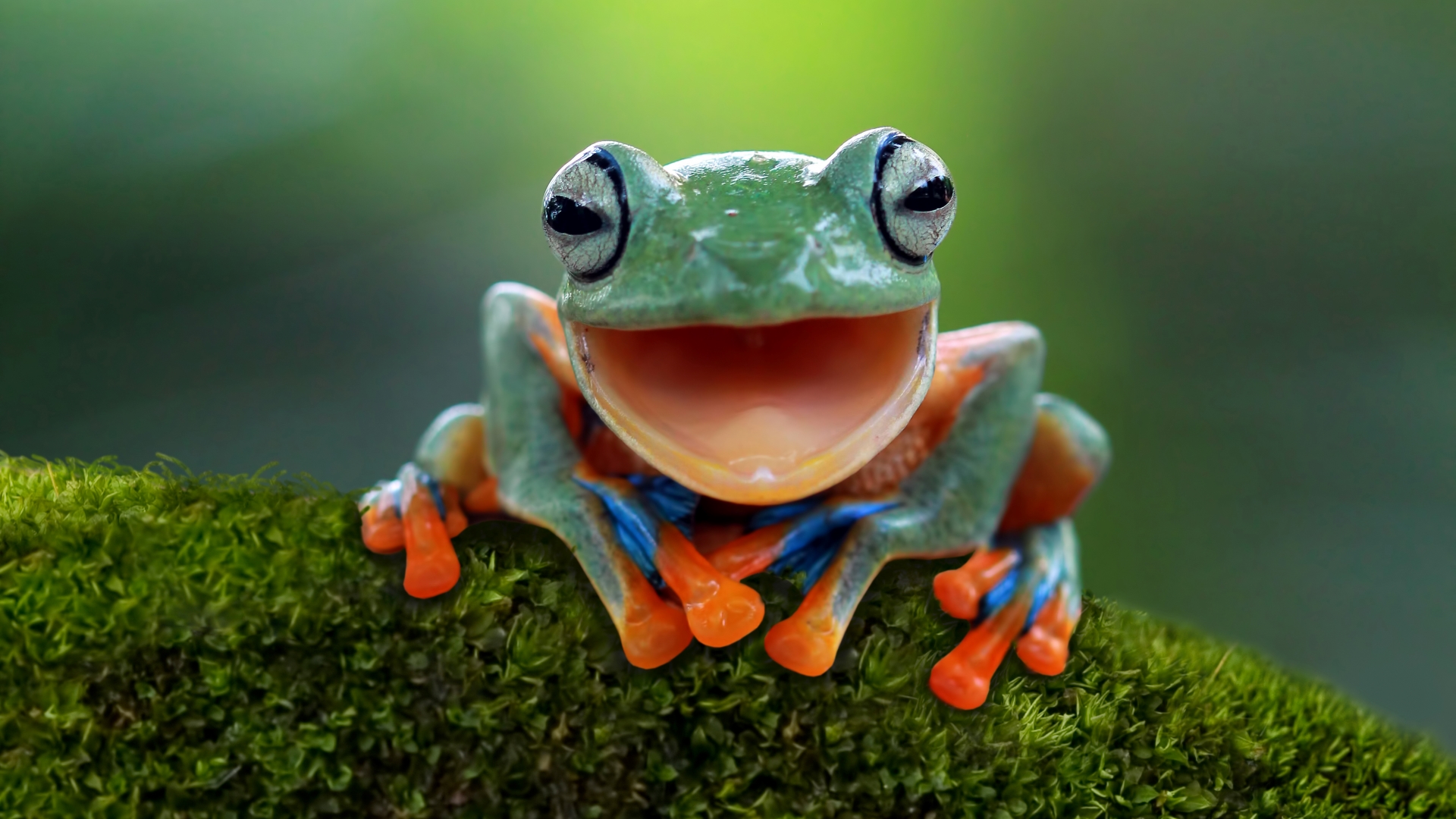
Their permeable skin makes many amphibians particularly sensitive to environmental changes, including water pollution, drought, and temperature shifts. Frogs help control insect populations, while amphibians also serve as food for fish, birds, snakes, and mammals. Because many species depend on clean water and suitable moisture levels, their populations can provide valuable information about environmental conditions. Wetland protection and responsible water management are important for their conservation.
5. Fish
Fish are aquatic vertebrates that generally breathe through gills and use fins for movement. They inhabit freshwater environments such as rivers and lakes, as well as saltwater habitats including coral reefs, coastal waters, and the open ocean. Fish vary widely in body shape, diet, size, and behavior, making them one of the most diverse groups of vertebrates.
Examples include salmon, tuna, goldfish, clownfish, catfish, seahorses, sardines, and sharks. Most fish are adapted to life underwater, but their feeding strategies differ significantly. Some graze on algae, others consume plankton, and predatory species hunt smaller animals. Fish support aquatic food webs and provide food and livelihoods for millions of people. Overfishing, habitat degradation, plastic pollution, and warming waters create serious challenges for many fish populations.
6. Insects
Insects are invertebrates whose bodies typically consist of a head, thorax, and abdomen, with six legs and one pair of antennae. Many species also possess wings. Insects occur in nearly every terrestrial environment and play important roles in pollination, decomposition, soil processes, and food webs.
Familiar examples include butterflies, honeybees, ants, beetles, mosquitoes, grasshoppers, dragonflies, and houseflies. Bees and butterflies help pollinate many flowering plants, supporting natural ecosystems and agricultural production. Decomposer insects contribute to the breakdown of organic matter, returning nutrients to the environment. Although certain insects spread diseases or damage crops, many provide essential ecological services. Maintaining diverse vegetation and reducing unnecessary pesticide use can help beneficial insect populations survive.
Wild Animals and Domestic Animals
Wild animals generally live independently of humans and obtain food, shelter, and protection through their natural behaviors. Lions, tigers, leopards, elephants, deer, rhinoceroses, wolves, and wild bears are examples. Some wild species live in protected reserves, while others occupy fragmented habitats near farms, villages, and cities. Their behavior is influenced by food availability, seasonal changes, competition, and the presence of predators.
Domestic animals have been selectively bred or managed by humans over generations. Dogs and cats commonly live as companions, while cows, buffaloes, goats, sheep, chickens, and ducks may be raised for food or other agricultural purposes. Horses, donkeys, and camels have historically supported transportation and work in different regions. Domestic animals require suitable nutrition, clean water, shelter, veterinary care, and humane treatment. Wild animals, by contrast, should generally be observed from a safe distance and allowed to remain in their natural environments.
Animal Names for Children and Beginners
Learning animal names is an effective way for children to develop vocabulary, observation skills, and an early understanding of nature. Familiar examples such as dog, cat, cow, horse, lion, tiger, elephant, monkey, rabbit, and deer are easy starting points. Children can gradually learn the names of less familiar creatures, including pangolins, tapirs, axolotls, narwhals, and echidnas.
A useful learning activity is to connect each animal’s name with its appearance, sound, food, and habitat. For example, children can learn that a cow eats plant material, a lion is a carnivorous mammal, and a frog often depends on moist environments. Picture matching, simple quizzes, animal sound games, and nature observation can make the process enjoyable. Adults should also explain that animals have different needs and that wild creatures should not be touched or fed without appropriate guidance.
Interesting Facts About Animals
The animal kingdom contains remarkable adaptations that help species survive in their environments. Some animals communicate through sounds, while others rely on scent, body movements, color patterns, or vibrations. Certain birds navigate across enormous distances during migration, and some marine mammals use sound to communicate and locate objects underwater. Ant colonies demonstrate organized cooperation, while social mammals may form family groups that help protect young animals.
Here are five fascinating examples of animal abilities:
- Bats use echolocation to navigate and locate prey in darkness.
- Octopuses have eight arms and sophisticated problem-solving abilities.
- Giraffes have long necks that help them reach vegetation high above the ground.
- Arctic foxes have seasonal adaptations that help them cope with cold conditions.
- Honeybees communicate information about food sources through movement patterns.
These characteristics show why studying animals is valuable for biology, environmental science, and education. Animal behavior can also inspire research into communication, movement, sensory systems, and cooperation. However, not every member of a species behaves identically, and scientists continue to investigate how genetics, experience, and environmental conditions influence animal behavior.
Why Animals Are Important for the Environment
Animals help ecosystems function by supporting food webs, moving nutrients, pollinating plants, dispersing seeds, and controlling the populations of other organisms. Predators can influence the number and behavior of prey species, while scavengers consume carcasses and contribute to the natural recycling of nutrients. Herbivores shape vegetation through grazing and browsing, and many insects assist plants with reproduction.

The loss of an animal species can affect other organisms that depend on it. For example, declining pollinator populations may reduce the reproductive success of certain plants, while the disappearance of a predator can alter relationships among prey species. Healthy ecosystems are therefore supported by a diversity of organisms rather than by a single species alone. Conservation efforts that protect habitats, maintain ecological connections, and reduce pollution can help preserve these relationships.
Threats to Animals and Wildlife Conservation
Many animals face growing pressures from human activities and environmental changes. Habitat destruction caused by urban expansion, agriculture, logging, mining, and infrastructure development can reduce the space available for feeding and reproduction. Pollution, illegal hunting, wildlife trafficking, invasive species, and climate change create additional challenges. Some animals can adapt to altered conditions, but species with specialized habitat requirements may struggle to survive rapid changes.
Wildlife conservation involves protecting natural habitats, enforcing laws against illegal hunting and trade, monitoring threatened populations, and supporting responsible land and water management. Individuals can contribute by reducing plastic waste, avoiding products associated with illegal wildlife trade, supporting legitimate conservation initiatives, and respecting animals in natural areas. Responsible tourism also matters: visitors should avoid disturbing nests, approaching dangerous wildlife, or feeding animals in ways that change their natural behavior.
How to Remember Animal Names Easily
Organizing animal names into meaningful categories makes them easier to learn and remember. Instead of memorizing a long, unrelated list, learners can study mammals, birds, reptiles, amphibians, fish, and insects separately. They can then group animals according to habitat, diet, body size, movement, or relationship with humans. This approach builds connections between words and scientific concepts.
Regular practice also improves recall. Learners can create illustrated notebooks, label animals in pictures, describe a favorite species, or practice spelling a few new names each day. Comparing animals can be particularly useful: a whale and a shark both live in water, but one is a mammal and the other is a fish. Such comparisons encourage understanding rather than simple memorization.
Conclusion
Learning animals name lists is more than a vocabulary exercise. It introduces the incredible diversity of living creatures and explains how their physical characteristics, behaviors, and habitats shape their survival. From familiar domestic animals to rare wildlife species, every group contributes to the natural world in different ways. Understanding these differences helps students develop scientific knowledge and encourages people of all ages to appreciate biodiversity.