

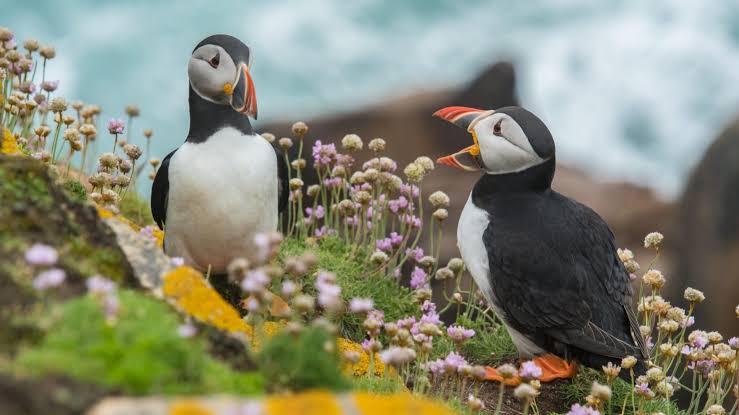

Birds are among the most diverse and fascinating animals found on Earth. They live in almost every environment, from tropical forests and wetlands to deserts, mountains, farms, cities, and coastal regions. Their ability to fly, distinctive songs, colorful feathers, and remarkable behaviors have made them an important part of human culture and the natural world. Learning different birds name can be an enjoyable way to understand biodiversity and recognize the species seen around us.
There are thousands of bird species worldwide, and each has characteristics that make it unique. Some birds are easily recognized because they frequently visit gardens and urban areas, while others are found mainly in forests, grasslands, wetlands, or remote regions. Understanding birds name can help children, students, travelers, birdwatchers, and nature enthusiasts identify birds and learn more about their habitats, diets, behaviors, and conservation needs.
Why Learning Birds Names Is Useful
Learning the names of birds is more than simply memorizing a list of species. A bird’s name often becomes the starting point for discovering its physical characteristics, habitat, feeding habits, nesting behavior, and role in an ecosystem. For example, knowing whether a bird is a woodpecker, heron, eagle, sparrow, or kingfisher can provide clues about where it may be found and what it eats.
Bird identification has also become increasingly accessible because people can observe birds using smartphones, cameras, binoculars, and field guides. Urbanization has not completely separated people from wildlife. Many species continue to live close to human communities, making everyday environments useful places for observation. A balcony, garden, park, lake, or roadside tree can reveal surprising bird diversity.
Common Birds Found Around the World
Some birds are widely recognized because they have adapted successfully to human environments. Sparrows, pigeons, crows, mynas, robins, starlings, and doves are examples of birds that can often be observed around towns and cities. Their ability to find food and nesting locations near people has helped them survive in changing landscapes.
However, common does not mean unimportant. These birds contribute to ecosystems through seed dispersal, insect control, scavenging, pollination, and other natural processes. Their presence can also provide useful information about local environmental conditions. Changes in the number or variety of birds in an area may sometimes reflect changes in vegetation, food availability, pollution, or habitat quality.
Examples of Common Bird Names
| Bird Name | Typical Habitat | Notable Characteristic |
|---|---|---|
| Sparrow | Cities, gardens, villages | Small size and social behavior |
| Pigeon | Urban areas, cliffs, buildings | Strong navigation ability |
| Crow | Cities, farms, forests | High adaptability and intelligence |
| Peacock | Grasslands, forests, cultivated areas | Brilliant ornamental feathers |
| Kingfisher | Rivers, lakes, wetlands | Specialized fish-catching ability |
| Eagle | Mountains, forests, open landscapes | Powerful flight and hunting skills |
| Owl | Forests, farms, urban edges | Mostly nocturnal behavior |
| Parrot | Forests, woodlands, gardens | Strong beak and vocal ability |
Colorful and Beautiful Birds
Color is one of the most noticeable features used when people try to identify birds. Species such as parrots, peacocks, kingfishers, flamingos, and bee-eaters can display striking combinations of colors. These patterns may serve several purposes, including communication, camouflage, courtship, and species recognition.
Peacocks are especially well known for their elaborate tail feathers, while many parrots display bright green, blue, red, yellow, or orange plumage. Flamingos are another example of visually distinctive birds. Their pink coloration is associated with pigments obtained through their diet. Such examples show how appearance can be closely connected with a bird’s lifestyle and environment.
Birds of Prey and Their Remarkable Abilities
Birds of prey are generally associated with hunting and powerful physical adaptations. Eagles, hawks, falcons, kites, and many owls possess specialized feet, sharp claws, excellent vision, and curved beaks that help them obtain food. Some species can detect potential prey from considerable distances while flying or watching from elevated locations.

Falcons are particularly famous for their speed and aerial maneuvering, while eagles are known for their strength and impressive wingspans. Owls differ from many daytime raptors because numerous species are active at night. Their specialized feathers can help them fly quietly, allowing them to approach prey with limited warning. These adaptations make birds of prey an important subject for wildlife observation and scientific study.
Examples of Birds of Prey
Several well-known birds belong to this broad group:
- Eagles, known for powerful flight and hunting abilities.
- Falcons, recognized for speed and aerial agility.
- Hawks, commonly associated with open-country hunting.
- Owls, many of which are adapted for nocturnal hunting.
- Kites, which often use soaring flight to search for food.
Water Birds and Wetland Species
Wetlands, lakes, rivers, ponds, and coastal areas support an extraordinary variety of birdlife. Herons, egrets, ducks, geese, cranes, kingfishers, pelicans, and flamingos are among the birds commonly associated with aquatic environments. Their bodies and behaviors often show adaptations that allow them to find food in or around water.
Herons and egrets use their long legs to move through shallow water while searching for fish and other aquatic animals. Ducks have specialized bills and feet suited to their feeding and swimming habits. Pelicans are recognized for their large bills and throat pouches, which help them catch and handle food. Wetland birds are particularly valuable indicators of healthy aquatic ecosystems because they depend on water quality, vegetation, fish, insects, and suitable nesting areas.
Forest Birds and Their Unique Characteristics
Forests provide food, shelter, nesting locations, and protection for a huge variety of bird species. Woodpeckers, hornbills, parrots, cuckoos, barbets, owls, and many songbirds can be associated with forest environments. Dense vegetation creates multiple ecological layers, allowing different birds to occupy different parts of the same habitat.
Woodpeckers, for example, have specialized bills and body structures that help them search for insects beneath bark and create nesting cavities. Hornbills are recognized for their large bills and distinctive appearance, while many songbirds depend on forest plants for fruits, seeds, insects, and nectar. Protecting forests therefore benefits not just individual species but entire communities of birds.
Domestic and Pet Birds
Some birds have lived alongside humans for centuries. Chickens, ducks, geese, pigeons, canaries, finches, and parrots are examples of birds that may be kept for agriculture, companionship, or cultural purposes. Their relationship with humans varies considerably depending on the species and how it has been domesticated or managed.
Pet birds can be intelligent and socially complex animals. Parrots, for instance, can learn sounds and interact with their surroundings in sophisticated ways. Keeping birds responsibly requires appropriate housing, nutrition, enrichment, cleanliness, and veterinary attention when necessary. Understanding a species before keeping it as a pet is important because different birds have very different behavioral and environmental needs.
Migratory Birds and Seasonal Journeys
Migration is one of the most remarkable behaviors found among birds. Many species travel hundreds or even thousands of kilometers between breeding and non-breeding areas. They may cross mountains, deserts, seas, and national borders during these journeys. Migration allows birds to take advantage of seasonal food resources and suitable breeding conditions.
Migratory species can be observed in different regions at different times of the year. Their journeys depend on environmental signals, weather conditions, food availability, and inherited behavioral patterns. Changes in climate and habitat can affect migration timing and the availability of important stopover locations. This makes the protection of wetlands, grasslands, forests, and coastal habitats especially important for migratory species.
How to Identify Different Birds
Identifying a bird does not always require professional equipment. Beginners can start by observing several basic characteristics. Size, body shape, feather colors, bill shape, tail length, flight pattern, behavior, and habitat can all provide useful clues. Bird calls and songs can also be valuable identification features.
It is helpful to observe a bird without immediately trying to guess its identity. First note its physical appearance and behavior, then compare those observations with a reliable field guide or identification resource. Over time, repeated observation makes it easier to recognize familiar species. Taking notes about location, season, behavior, and habitat can also improve identification skills.
Birds and Their Role in Ecosystems
Birds perform many ecological functions that are easy to overlook. Some spread seeds after eating fruits, helping plants colonize new areas. Others consume insects and help regulate populations of potential pests. Scavenging birds remove animal remains, while certain species contribute to pollination by transferring pollen between flowers.
Because birds interact with plants, insects, fish, mammals, and other organisms, their populations are connected to wider ecological systems. Habitat destruction, pollution, invasive species, climate-related changes, and reduced food availability can affect bird populations. Providing native plants, protecting nesting areas, and maintaining clean water sources can create more suitable environments for birds.
Interesting Facts About Birds
Birds have developed an extraordinary range of adaptations. Some species can navigate over long distances, while others have exceptional eyesight or hearing. Certain birds build highly specialized nests, and some species cooperate closely when raising young. The diversity of bird behavior demonstrates how evolution has allowed different species to occupy almost every major terrestrial and aquatic environment.
The sheer variety of birds also explains why learning birds name can become an ongoing hobby rather than a one-time activity. A person who recognizes ten species today may eventually identify dozens or hundreds. Every new observation can reveal another aspect of bird behavior, ecology, or adaptation.
Conclusion
Birds are an essential part of the natural world, offering remarkable examples of adaptation, survival, communication, and ecological cooperation. From familiar sparrows and pigeons to powerful eagles, colorful parrots, graceful cranes, and specialized wetland species, every bird contributes something distinctive to its environment. Learning birds name provides a simple way to begin exploring this remarkable diversity. Whether someone is a student learning basic biology, a traveler interested in wildlife, or a beginner developing an interest in birdwatching, identifying birds can make time outdoors more rewarding. Paying attention to feathers, calls, habitats, feeding behavior, and flight patterns gradually builds knowledge.