

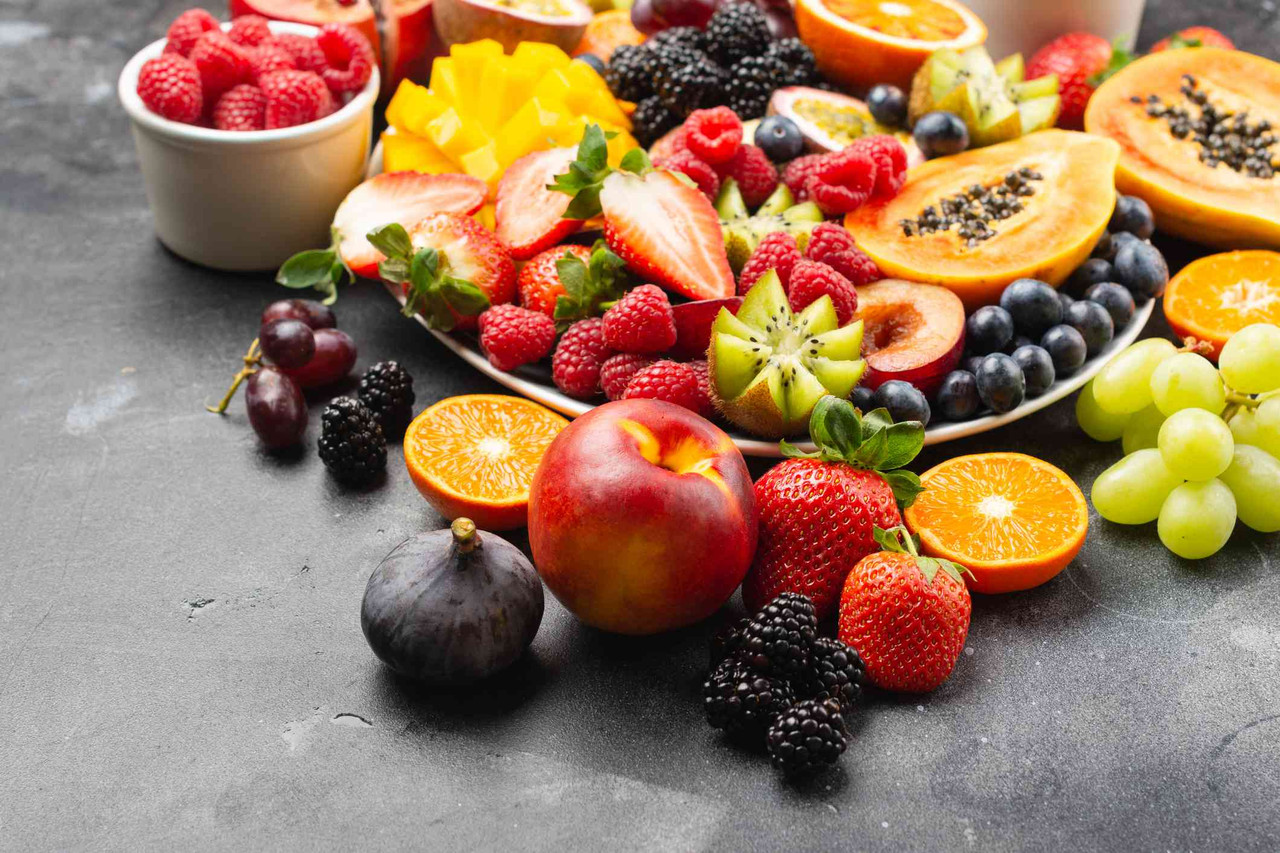

Learning different fruits name is useful for children, students, families, and anyone interested in maintaining a balanced diet. Fruits come in countless shapes, colors, flavors, and textures, ranging from familiar choices such as apples and bananas to tropical varieties such as dragon fruit, papaya, and passion fruit. Each fruit has its own combination of natural sugars, fiber, vitamins, minerals, water, and plant compounds. Understanding these differences can make it easier to choose a wider variety of foods rather than relying on the same few options every day.
Fruits are an important part of healthy eating because they can provide nutrients while also adding natural sweetness and variety to meals. An apple can be a convenient snack during a busy day, while oranges can provide a refreshing source of fluid and vitamin C. Bananas are often valued for their convenience and carbohydrate content, whereas berries are commonly appreciated for their fiber and naturally occurring plant compounds. The best choices can vary according to availability, personal preferences, dietary needs, and season.
A useful way to understand fruits name is to look beyond memorizing a simple list. Fruits can be grouped according to their taste, botanical characteristics, growing regions, colors, and typical uses. Some are commonly eaten fresh, while others are used in salads, smoothies, desserts, juices, sauces, and traditional dishes. Exploring these differences makes fruits more interesting and can encourage people to include a broader range of them in everyday meals.
What Are Fruits and Why Are They Important?
Fruits are the mature parts of flowering plants that develop from flowers and commonly contain seeds. In everyday food terminology, the word fruit generally refers to sweet or mildly acidic plant foods that are eaten as snacks or components of meals. Botanically, however, the definition can be broader. Tomatoes, cucumbers, pumpkins, and avocados are technically fruits even though they are usually prepared and eaten like vegetables.
From a nutritional perspective, many fruits provide dietary fiber, vitamin C, potassium, folate, and a variety of naturally occurring plant compounds. Their high water content can also contribute to overall fluid intake. Whole fruits are generally more filling than many fruit-based drinks because chewing and fiber slow down the eating process. This is one reason whole or minimally processed fruit can be a practical choice for everyday meals.
A Detailed List of Common Fruits
There are thousands of edible fruits worldwide, but some varieties are particularly common in households and markets. Apples, bananas, oranges, mangoes, grapes, guavas, papayas, watermelons, pineapples, pears, and pomegranates are familiar examples. Other popular choices include strawberries, blueberries, raspberries, peaches, plums, cherries, kiwis, and melons.
The following table provides a simple overview of several widely consumed fruits and their typical nutritional characteristics.
| Fruit | Common Nutritional Features | Popular Ways to Eat |
|---|---|---|
| Apple | Fiber, vitamin C, plant compounds | Fresh, sliced, baked |
| Banana | Carbohydrates, potassium, vitamin B6 | Fresh, smoothies, breakfast |
| Orange | Vitamin C, water, folate | Fresh, segments, salads |
| Mango | Vitamin C, vitamin A precursors, carbohydrates | Fresh, smoothies, desserts |
| Guava | Fiber, vitamin C, folate | Fresh, salads, beverages |
| Papaya | Vitamin C, vitamin A precursors, fiber | Fresh, salads, smoothies |
| Pomegranate | Fiber and plant compounds | Seeds, salads, toppings |
| Watermelon | Water, vitamins, natural carbohydrates | Fresh, chilled, salads |
| Pineapple | Vitamin C, manganese, natural carbohydrates | Fresh, grilled, salads |
| Grapes | Water, carbohydrates, plant compounds | Fresh, salads, snacks |
This variety shows why no single fruit needs to dominate a person’s diet. Different fruits offer different nutritional profiles, so rotating choices can make meals more interesting while increasing dietary variety.
Popular Fruit Categories
One simple way to learn fruits name is by organizing them into familiar categories. Citrus fruits include oranges, lemons, limes, grapefruit, and mandarins. They are generally recognized for their refreshing flavor and vitamin C content. Tropical fruits include mangoes, pineapples, papayas, bananas, coconuts, and passion fruit. These fruits are often associated with warm climates and can add distinctive flavors to meals.
Berries form another popular category. Strawberries, blueberries, raspberries, blackberries, and cranberries are commonly used in breakfasts, desserts, salads, and smoothies. Stone fruits, including peaches, plums, cherries, apricots, and nectarines, contain a hard pit surrounding their seed. Melons such as watermelon, cantaloupe, and honeydew are particularly refreshing because of their high water content.
Some fruits are less familiar but are increasingly available in supermarkets and specialty markets. Dragon fruit, kiwi, star fruit, persimmon, rambutan, lychee, mangosteen, and passion fruit can introduce different flavors and textures to meals. Trying unfamiliar varieties can be an enjoyable way to expand a person’s understanding of fruits name while adding variety to the diet.
Nutritional Benefits of Eating Different Fruits
A varied fruit intake can contribute several important nutrients to a balanced diet. Dietary fiber is especially valuable because it supports normal digestive function and can contribute to feelings of fullness. Fruits such as apples, pears, guavas, raspberries, blackberries, and oranges can provide meaningful amounts of fiber when eaten whole. Keeping the edible skin on suitable fruits can sometimes increase fiber intake, although fruits should be washed properly before consumption.
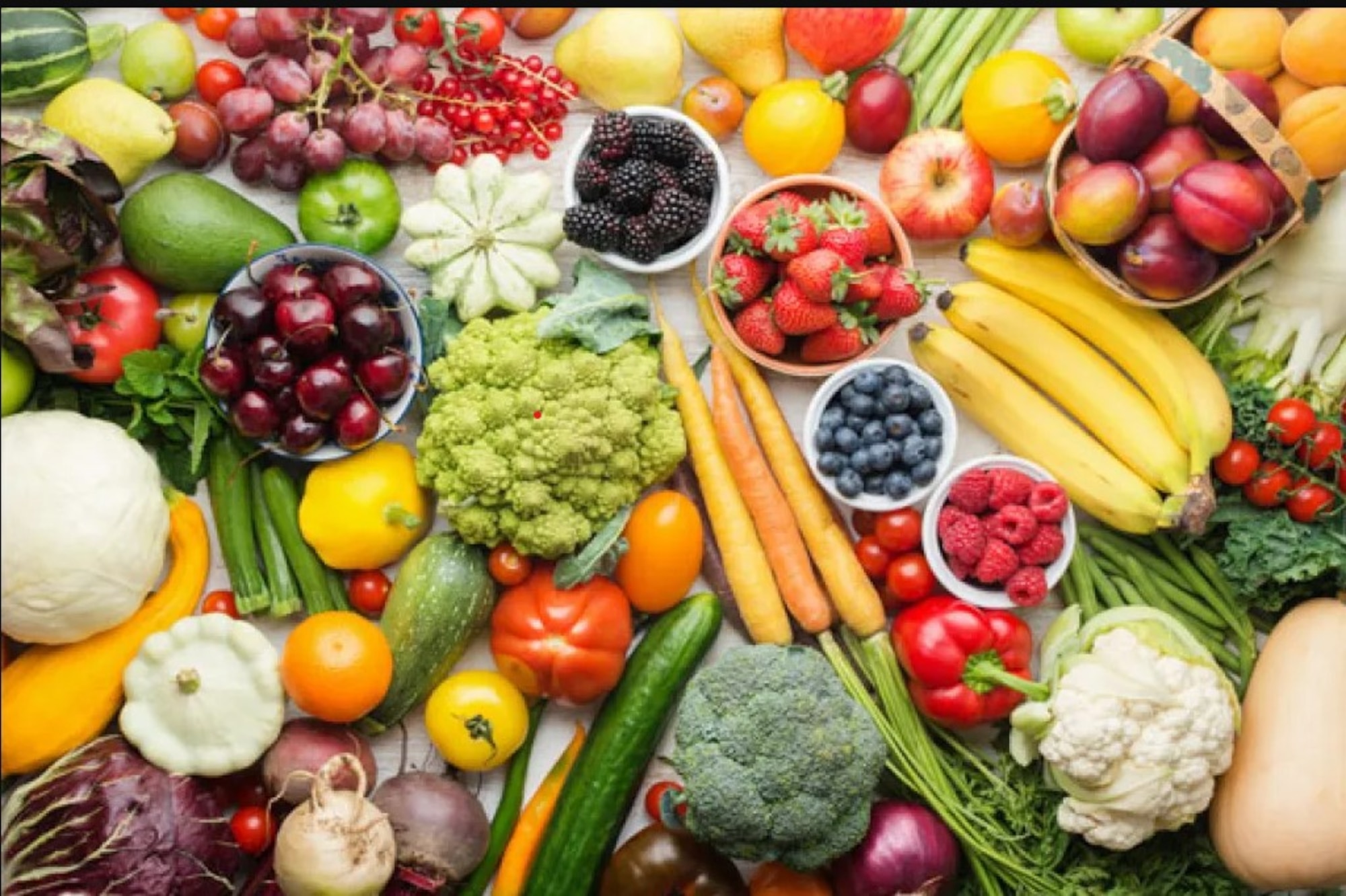
Vitamin C is another nutrient commonly associated with fruits. Oranges, guavas, kiwis, strawberries, papayas, and several other fruits can contribute to daily vitamin C intake. Fruits also contain naturally occurring compounds such as carotenoids and polyphenols. These substances contribute to the colors, flavors, and characteristics of many plant foods and are part of the reason nutrition experts encourage variety rather than focusing on one particular food.
Potassium can also be obtained from fruits, with bananas, oranges, melons, and dried fruits being examples of sources. Some fruits contain folate, while others provide smaller amounts of several vitamins and minerals. The nutritional value of a fruit depends on the specific variety, portion size, ripeness, preparation method, and growing conditions, so broad comparisons should be treated as general rather than exact.
How to Choose Fruits for Everyday Meals
Choosing fruit does not have to be complicated. Fresh seasonal produce is often a practical option because it can be widely available and may offer good flavor at the time of harvest. However, frozen fruit can also be useful, especially when certain varieties are difficult to find fresh. Unsweetened frozen berries, for example, can be added to oatmeal, yogurt, or smoothies without requiring extensive preparation.
When purchasing fresh fruit, appearance can provide useful clues, but perfect-looking produce is not always necessary. Depending on the variety, fruits may naturally have spots, uneven colors, or different shapes. It is more important to select produce that is suitable for immediate use or stored appropriately for later consumption. Very ripe fruit can be used quickly in smoothies or cooked dishes, while firmer varieties can often be kept for later.
For people trying to include more fruit in their routine, small changes can be easier to maintain than major dietary adjustments. A banana can accompany breakfast, sliced apple can be used as an afternoon snack, and berries can be added to plain yogurt. These simple combinations make it easier to consume fruit consistently without turning healthy eating into a complicated process.
Easy Ways to Add More Fruits to Your Diet
There are many ways to include fruit without relying on elaborate recipes. Whole fruit can be eaten between meals, mixed into breakfast dishes, or served alongside lunch. Chopped fruits can add natural sweetness to plain yogurt or oatmeal, while citrus segments can make salads more refreshing.
A few practical ideas include:
- Keep two or three varieties of whole fruit available for convenient snacks.
- Add sliced banana, berries, or apple to breakfast meals.
- Use seasonal fruit in homemade salads or simple desserts.
- Choose whole fruit more often than heavily sweetened fruit drinks.
Smoothies can also be useful, but their ingredients matter. A smoothie made primarily from whole fruits, vegetables, yogurt, milk, or another nutritious base can be different from a commercial beverage containing substantial added sugar. Eating fruit whole can be particularly helpful when the goal is to retain the natural structure and fiber of the food.
Seasonal Fruits and Local Availability
Seasonality plays an important role in fruit selection. Different regions produce different fruits at different times of the year, and availability can change according to weather, farming practices, transportation, and storage. In India, for example, mangoes are strongly associated with the warmer months, while oranges, guavas, papayas, bananas, and several other fruits can be available across different periods depending on the region and variety.
Buying seasonal produce can introduce more variety into meals and encourage people to experiment with fruits they might otherwise overlook. Local markets may also provide varieties that are not always prominent in large supermarkets. Understanding seasonal fruits name can therefore be useful not only for nutrition but also for planning grocery purchases and discovering regional food traditions.
It is also worth remembering that frozen, canned, and dried fruit can have a place in a balanced diet. When choosing packaged products, checking the ingredient list and nutrition information can help distinguish products with added sugars or syrups from options that contain mostly or entirely fruit.
Whole Fruit Versus Fruit Juice
Whole fruit and fruit juice are not nutritionally identical. Whole fruit retains its natural structure and fiber, while juicing removes much of the physical structure of the original food. Juice can still provide certain vitamins and minerals, but it may be easier to consume a large amount quickly. This can make portion awareness more important.
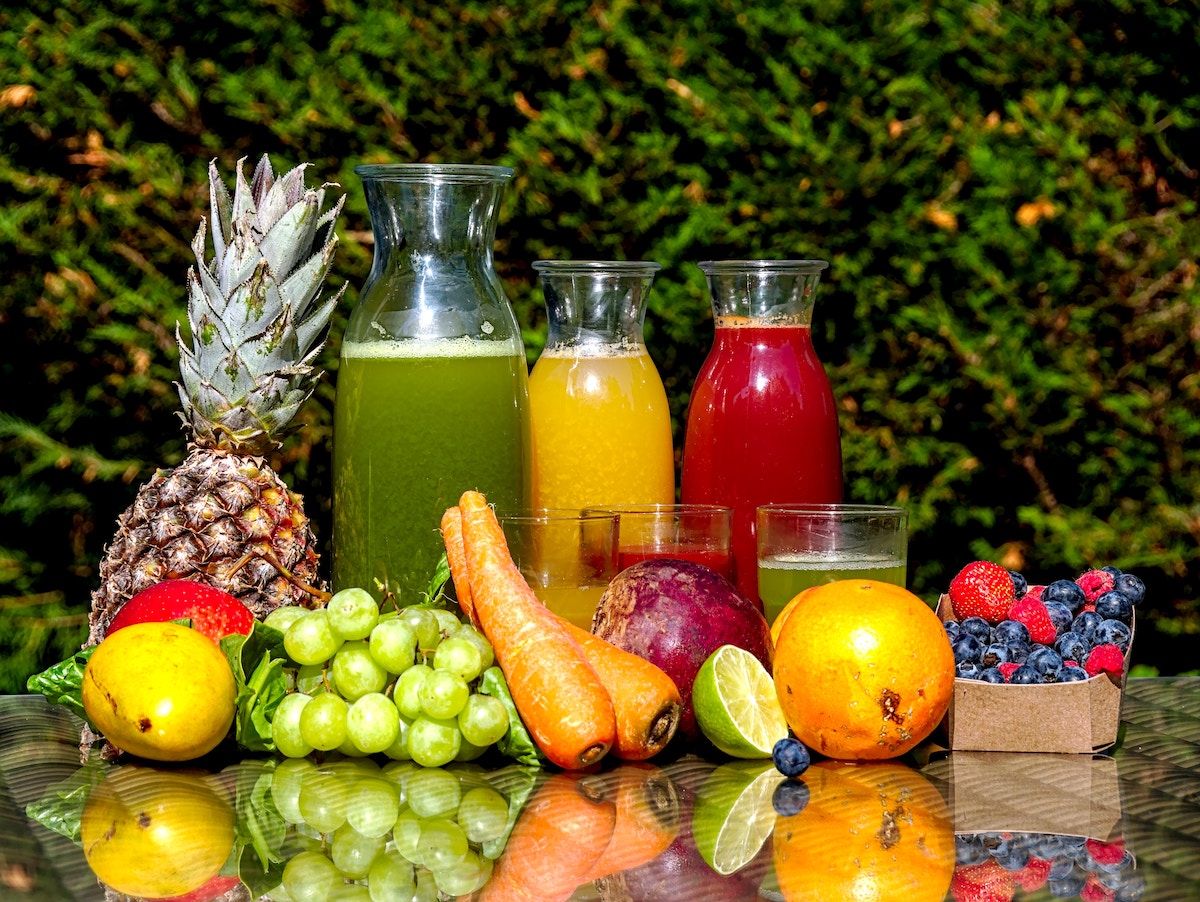
For everyday eating, whole fruits are often a straightforward choice because they require minimal preparation and provide texture and fiber. This does not mean every serving of juice is inappropriate, but it is useful to understand that a glass of juice can contain the natural sugars from several pieces of fruit without providing the same chewing experience or fullness as eating those fruits whole.
Fruits for Children and Families
Introducing children to a variety of fruits name can help make healthy foods familiar from an early age. Children may initially prefer sweeter fruits such as bananas, mangoes, grapes, or watermelon, but repeated exposure to different textures and flavors can gradually broaden their preferences. Serving fruit in colorful combinations can also make meals more visually appealing.
Families can make fruit more convenient by washing suitable produce, keeping ready-to-eat portions available, and incorporating fruit into breakfast or snacks. Instead of presenting fruit as something that must always be eaten separately, it can become part of normal family meals. Apples with breakfast, berries with yogurt, or papaya after lunch are simple examples of how fruit can fit naturally into daily routines.
Interesting Facts About Different Fruits
Fruits have remarkable differences in their botanical structures and cultural uses. Bananas are botanically berries, while strawberries are considered aggregate accessory fruits rather than true botanical berries. Pineapples are formed from multiple flowers that develop together, creating what is known as a multiple fruit. These distinctions show that everyday food categories and botanical classifications do not always match.
Color is another interesting feature. Red, purple, blue, orange, yellow, and green fruits contain different combinations of naturally occurring pigments and plant compounds. Eating a range of colors is therefore a simple way to encourage dietary variety. It is not necessary to follow a strict color-based diet; instead, the idea can be used as a practical reminder to avoid eating only one or two types of fruit repeatedly.
How Many Fruits Should You Eat?
There is no single fruit quantity that suits every person because dietary needs depend on age, activity level, overall eating pattern, health considerations, and individual energy requirements. General healthy-eating guidance commonly emphasizes variety and regular consumption of fruits and vegetables rather than focusing exclusively on one specific fruit.
Portion size also matters. A whole apple, banana, orange, or pear can represent a practical individual serving, while smaller fruits may be eaten in greater numbers. Dried fruits are more concentrated because much of their water has been removed, so smaller portions are generally appropriate compared with equivalent amounts of fresh fruit.
The most useful approach is to consider fruit as one part of a broader balanced diet that also includes vegetables, whole grains, protein sources, healthy fats, and adequate fluids. Variety is more valuable than treating one fruit as a perfect food.
Conclusion
Understanding different fruits name can make healthy eating more interesting, practical, and varied. From familiar apples, bananas, oranges, and mangoes to less common options such as dragon fruit, passion fruit, rambutan, and persimmon, every fruit can bring its own combination of flavor, texture, nutrients, and culinary possibilities. Rather than concentrating on a single variety, exploring different fruits throughout the year can create a more diverse eating pattern. The best way to include fruit is to make it convenient and enjoyable. Whole fruits can be added to breakfast, snacks, lunches, or desserts, while seasonal and frozen options can help maintain variety throughout the year. Paying attention to portion sizes and choosing whole fruit more often than heavily sweetened fruit products can also support sensible everyday eating.