

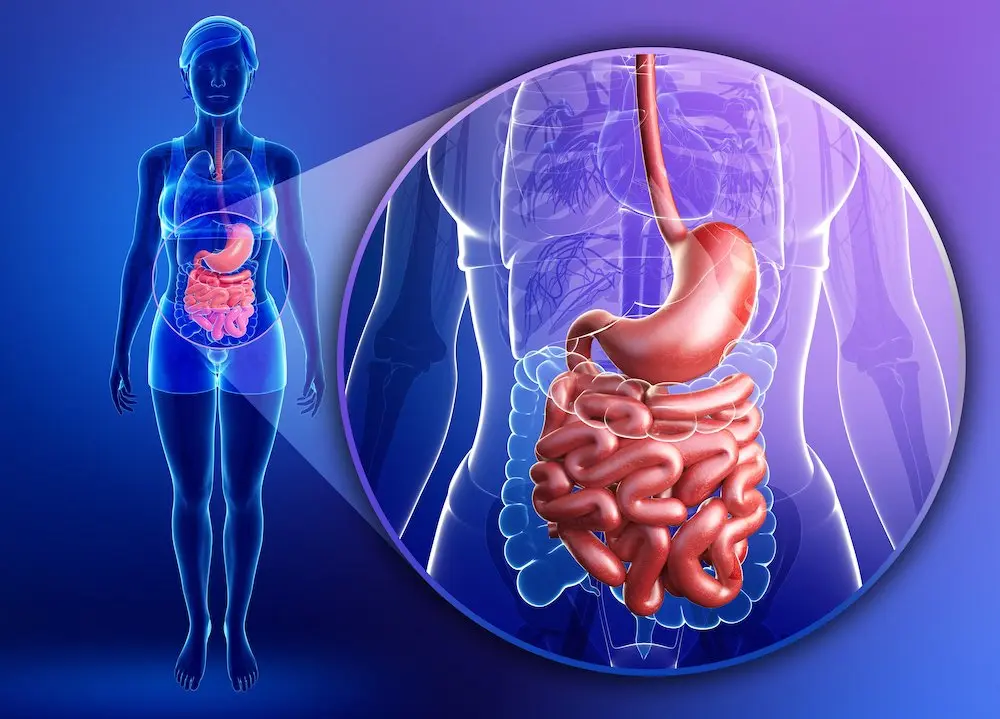

Learning the body parts name is one of the first steps in understanding the human body. From the head and eyes to the hands, legs, heart, and lungs, every part has an important role. Knowing these names makes it easier for children to describe themselves, helps students understand basic biology, and gives everyone a better foundation for learning about health and anatomy. The human body is made up of many interconnected structures, and even a small part can contribute to movement, communication, protection, digestion, or other essential processes.
The human body is also much more complex than a simple list of names. Some body parts can be seen from the outside, while others are located inside the body and work continuously without conscious effort. For example, the heart pumps blood, the lungs help with breathing, and the stomach participates in digestion. Learning the body parts name together with basic functions provides a clearer picture of how these structures work as a coordinated system.
Why Learning Body Part Names Is Important
Understanding the names of body parts is useful in education, communication, and everyday life. Young children commonly begin by learning simple external parts such as the nose, mouth, ears, eyes, hands, and feet. As they progress in school, they encounter more detailed anatomical terms, including muscles, bones, organs, blood vessels, and different parts of the nervous system. This gradual approach makes anatomy easier to understand because learners can connect scientific terms with familiar physical structures.
Knowing the correct body parts name can also improve communication about health and injuries. If someone experiences pain in a particular area, being able to identify that area clearly can make conversations with parents, teachers, caregivers, or healthcare professionals easier. In educational settings, body-part vocabulary is also useful for learning subjects such as biology, physical education, nutrition, and human anatomy.
Major External Body Parts
The external parts of the human body are structures that can generally be seen without medical equipment. They include the head, neck, shoulders, arms, hands, chest, abdomen, back, legs, and feet. Each region contains several smaller structures. For instance, the hand contains the palm, wrist, fingers, and thumb, while the foot contains the heel, sole, toes, and ankle region.
The head contains several important sensory and communication structures. The eyes are associated with vision, the ears with hearing and balance, the nose with smell and part of the breathing process, and the mouth with eating, speaking, and taste. Hair and skin also contribute to protection. Learning these common body parts name terms can help children and beginners build an anatomical vocabulary before moving on to more advanced concepts.
Head and Face Parts
The head is one of the most recognizable regions of the body. It contains the brain as well as several organs and structures involved in sensation and communication. The face includes the forehead, eyebrows, eyelids, eyes, cheeks, nose, nostrils, lips, mouth, chin, and ears. Although these structures have different functions, they work together in everyday activities such as seeing, speaking, eating, smelling, and expressing emotions.
The scalp covers the upper portion of the head and supports hair growth, while the skull provides strong protection for the brain. Inside the mouth are structures such as the tongue, teeth, and gums. The tongue assists with taste, movement of food, and speech, while teeth help break food into smaller pieces. Understanding the body parts name of the face makes it easier to describe location and function accurately.
Neck, Shoulders, Arms, and Hands
The neck connects the head to the rest of the body and contains important structures, including portions of the airway, digestive tract, blood vessels, nerves, muscles, and the cervical spine. Below the neck are the shoulders, which connect the upper limbs to the torso. The arms contain several major regions, including the upper arm, elbow, and forearm.
The wrist connects the forearm to the hand. The hand is particularly important for gripping, writing, typing, lifting, and performing delicate movements. It contains the palm, fingers, and thumb. The ability to move the fingers independently allows humans to perform highly precise tasks. These areas are common examples when learning body parts name vocabulary in basic anatomy.
Chest, Abdomen, Back, and Lower Body
The torso is generally divided into areas such as the chest, abdomen, and back. The chest contains organs including the heart and lungs, which are essential for circulation and breathing. The abdomen contains many structures involved in digestion and other processes, including the stomach, intestines, liver, pancreas, and kidneys.
The lower part of the body includes the pelvis, hips, thighs, knees, lower legs, ankles, and feet. The legs provide support and allow people to walk, run, jump, climb, and maintain balance. The knee connects the thigh and lower leg, while the ankle connects the lower leg to the foot. Together, bones, muscles, joints, nerves, and connective tissues make lower-body movement possible.
Common Body Parts and Their Functions
The relationship between a body part and its function is one of the most useful concepts for beginners. Instead of memorizing names separately, learners can understand what each structure does and how it contributes to everyday activities.
| Body Part | Main Function |
|---|---|
| Eyes | Help with vision |
| Ears | Help with hearing and balance |
| Nose | Supports smell and breathing |
| Mouth | Used for eating, speaking, and taste |
| Skin | Protects the body and provides sensation |
| Heart | Pumps blood through the circulatory system |
| Lungs | Exchange oxygen and carbon dioxide |
| Stomach | Helps digest food |
| Brain | Coordinates many body functions and processes information |
| Bones | Provide support and protection |
| Muscles | Produce movement and help maintain posture |
| Kidneys | Filter blood and help regulate fluid balance |
These functions demonstrate why learning the body parts name alone is not enough for a complete understanding of anatomy. The body works as an integrated system. The lungs bring oxygen into the body, the heart circulates oxygen-rich blood, and tissues throughout the body use oxygen to support their activities. Similarly, the digestive organs work together to process food and absorb nutrients.
Internal Body Parts and Organs
Many of the body’s most important structures cannot be seen from the outside. Internal organs are located within protected areas such as the skull, chest, and abdominal cavity. The brain is enclosed by the skull, while the heart and lungs are protected by the rib cage. Other organs occupy the abdominal and pelvic regions.
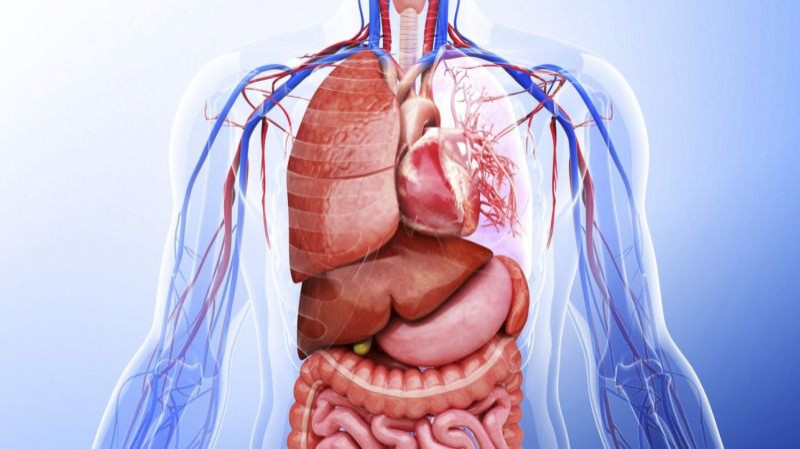
The brain is a central organ of the nervous system and is involved in thinking, memory, movement, sensation, and the regulation of many bodily processes. The heart continuously pumps blood through blood vessels. The lungs exchange gases during breathing, supplying oxygen and removing carbon dioxide. These organs demonstrate the complexity behind the familiar body parts name terminology people encounter in basic health and science education.
Digestive System Parts
The digestive system includes the mouth, esophagus, stomach, small intestine, large intestine, rectum, and anus, along with organs such as the liver, gallbladder, and pancreas that contribute to digestion. Food begins to be processed in the mouth before moving through the digestive tract. The stomach continues mechanical and chemical digestion, while the small intestine plays a major role in nutrient absorption.
The large intestine absorbs water and helps form waste for elimination. The liver performs numerous important functions, including processing nutrients and producing substances involved in digestion. The pancreas produces digestive enzymes and hormones. Learning these body parts name terms in the context of digestion makes them easier to remember because each part can be connected to a specific biological process.
Respiratory and Circulatory Parts
The respiratory system includes structures such as the nose, nasal passages, throat, larynx, trachea, bronchi, and lungs. Its primary role is gas exchange. When a person breathes in, air travels through the respiratory passages toward the lungs, where oxygen can enter the bloodstream and carbon dioxide can be removed.
The circulatory system includes the heart, blood, and an extensive network of blood vessels. Arteries generally carry blood away from the heart, while veins generally return blood toward it. Tiny blood vessels called capillaries connect these networks and allow exchanges between blood and surrounding tissues. Together, these structures help transport oxygen, nutrients, hormones, and waste products throughout the body.
Bones, Muscles, and Joints
The skeletal system provides the body’s framework and protects important organs. Major bones include the skull, spine, ribs, pelvis, femur, tibia, fibula, humerus, radius, and ulna. Bones also serve as attachment points for muscles and contribute to movement when they work together with joints and connective tissues.
Muscles generate force that allows the body to move and maintain posture. Joints connect bones and permit different types of movement. The shoulder, elbow, wrist, hip, knee, and ankle are familiar examples. Understanding these body parts name terms is particularly useful for students studying sports, exercise, physical education, and anatomy because movement depends on cooperation between bones, muscles, nerves, and joints.
Five Basic Senses and Their Body Parts
Humans commonly learn about five basic senses: sight, hearing, smell, taste, and touch. Each is associated with specialized structures. The eyes receive information related to light, the ears detect sound and contribute to balance, the nose detects odors, the tongue contains taste receptors, and the skin contains sensory receptors that respond to touch, temperature, pressure, and other stimuli.

These senses constantly provide information about the surrounding environment. For example, the eyes help a person identify objects, while the ears can detect sounds that may not be visible. The skin can detect whether something is hot, cold, rough, or smooth. Connecting each sense with its relevant body parts name helps learners understand that anatomy and sensory perception are closely related.
Body Parts Names for Children and Beginners
Children can learn body-part vocabulary more easily when names are introduced from familiar structures to less familiar ones. Parents and teachers can use everyday activities such as getting dressed, washing hands, brushing teeth, walking, or eating to introduce anatomical terms naturally. Pictures, labeled diagrams, songs, and simple classroom activities can also reinforce learning.
A useful progression is to start with common external parts before introducing internal organs and body systems:
- Head, eyes, ears, nose, mouth, and neck
- Shoulders, arms, elbows, wrists, hands, and fingers
- Chest, stomach, back, waist, and hips
- Legs, knees, ankles, feet, and toes
- Brain, heart, lungs, stomach, liver, and kidneys
As children become familiar with basic vocabulary, they can learn more precise anatomical terms. This approach avoids overwhelming beginners while gradually developing a stronger understanding of the human body.
How Body Parts Work Together
One of the most interesting aspects of anatomy is that no major body part works completely independently. Walking, for example, requires bones, muscles, joints, nerves, the brain, and the circulatory and respiratory systems to cooperate. The brain sends signals that coordinate movement, muscles generate force, joints allow motion, and the heart and lungs help supply working tissues with oxygen.
Even simple actions such as eating involve multiple structures. The eyes help identify food, the hands move it toward the mouth, teeth break it down, the tongue moves it, and the digestive system processes it. This cooperation explains why learning the body parts name alongside their functions provides a much stronger understanding than memorizing isolated vocabulary.
Conclusion
Learning the names of human body parts provides a foundation for understanding anatomy, health, movement, and everyday physical experiences. From visible structures such as the eyes, hands, and feet to internal organs such as the heart, lungs, brain, and kidneys, every part contributes to the body’s overall operation. Understanding their names and basic functions can benefit children, students, educators, and anyone interested in learning more about human biology.